Volkswagen plans quarterly over-the-air updates for its XPeng-built China EVs. Can they improve cars after delivery and win owner loyalty?

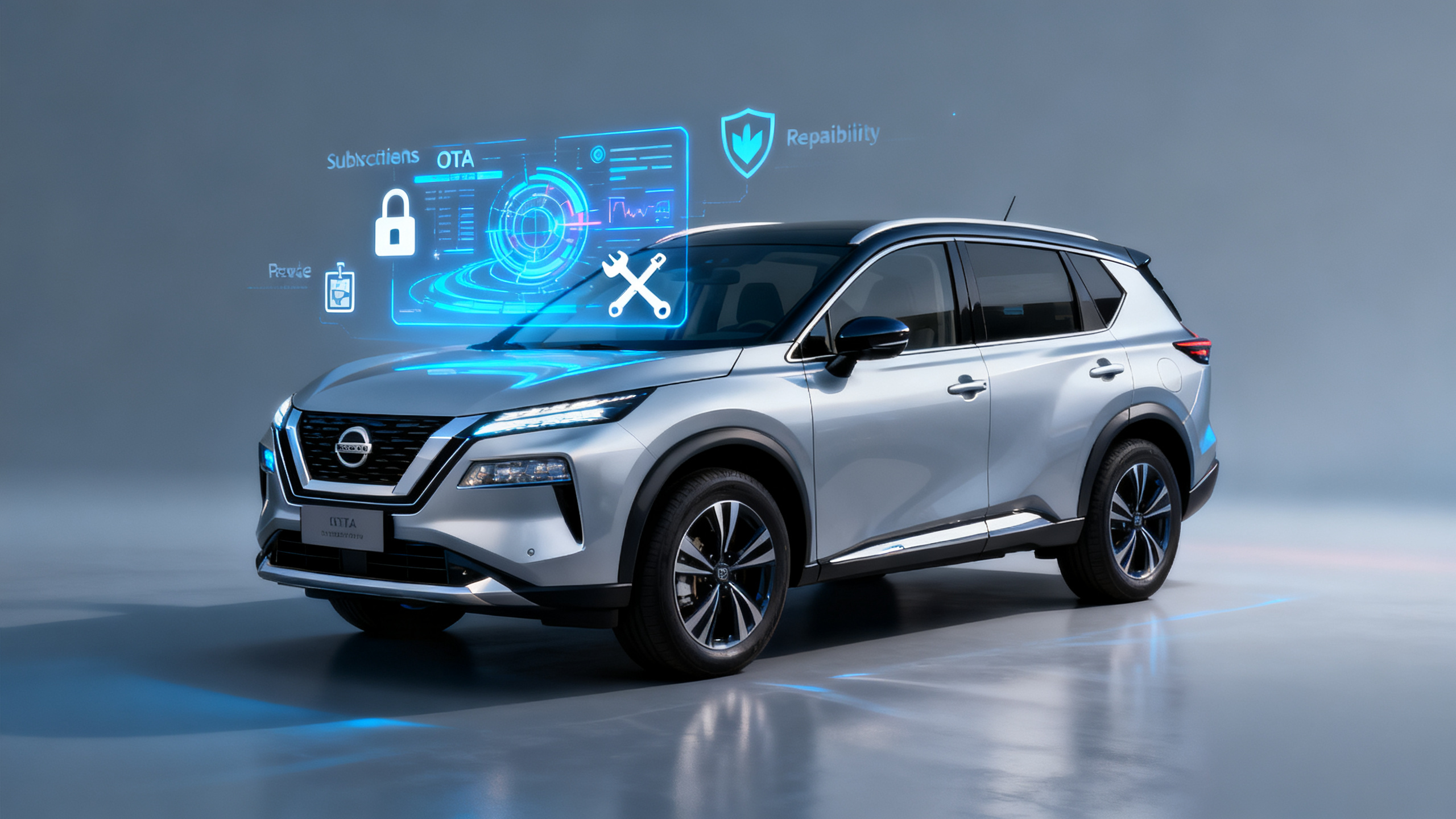
Volkswagen reportedly plans major software updates every three months for China EVs built on the architecture it co-developed with XPeng, a shift that tests whether a traditional automaker can make cars improve after delivery. If the updates prove useful and reliable, they could change how Chinese owners judge ownership and help Volkswagen compete with software-first EV brands.
Key Takeaways
Volkswagen reportedly plans quarterly updates for vehicles on its XPeng-co-developed architecture.
The shared China Electronic Architecture cuts control units by about 30% and makes over-the-air updates easier to deploy.
Updates can improve efficiency and responsiveness, but hardware limits still apply.
Loyalty depends on update quality, not update count.
The decisive test is the ownership experience after delivery, judged against XPeng, BYD, Tesla, Nio and Li Auto.
Volkswagen wants China's EV owners to see their cars improve after delivery
Volkswagen reportedly plans major updates every three months, as CarNewsChina: Volkswagen plans software updates for Xpeng-powered EVs every three months in China and S&P Global Mobility: Volkswagen China plans quarterly software updates for Xpeng-powered EVs report. That's a big change from the traditional model-year cycle, where meaningful improvements usually wait for a facelift or a new car.
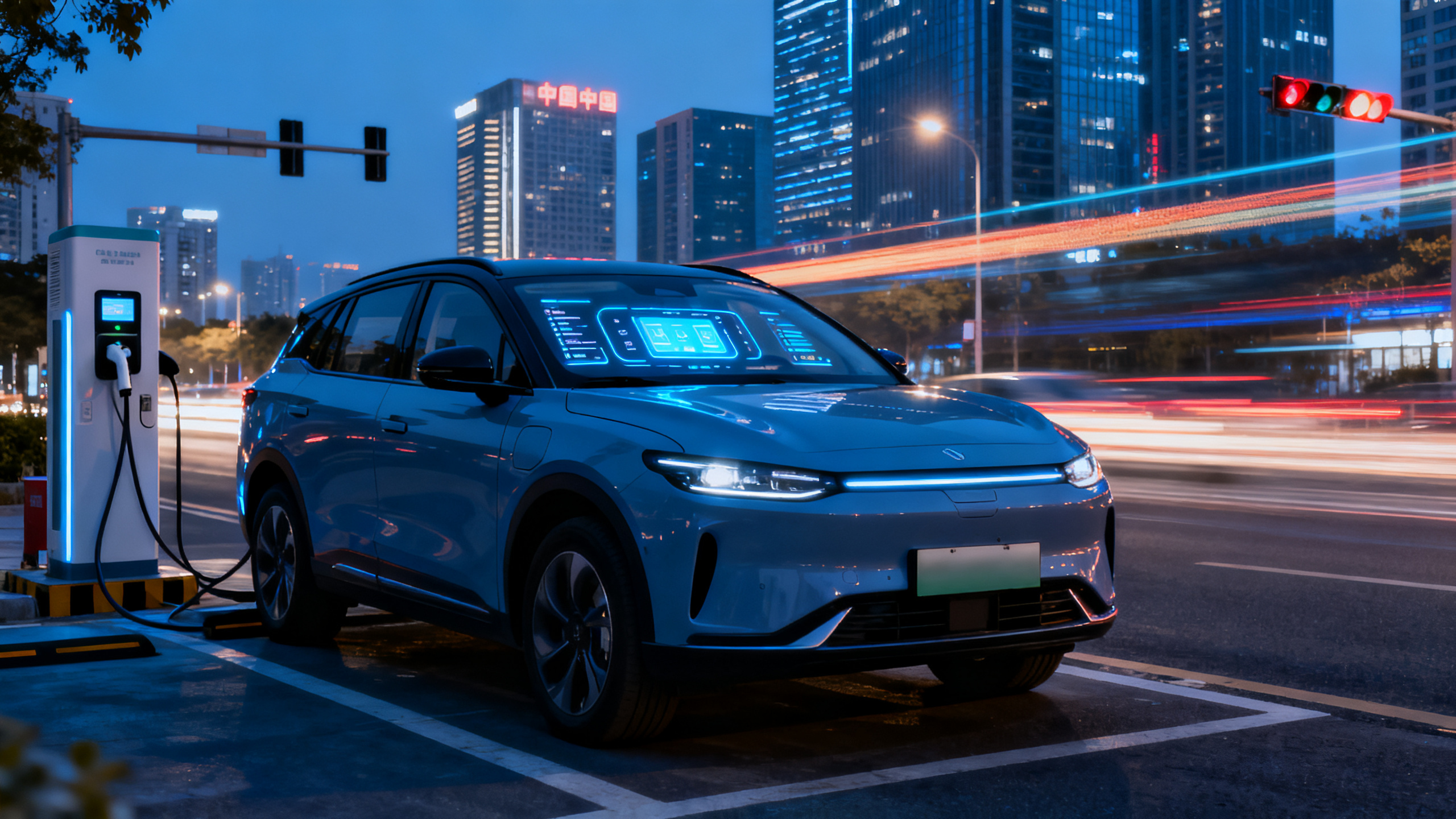
One reported example is a voice assistant that operates cabin controls, plans trips and selects entertainment, according to Volkswagen Group: Smart vehicles at China speed. I think that's the right kind of feature to watch. Owners notice it every day.
The core question isn't whether Volkswagen can sell competitive EVs. It's whether it can deliver a more responsive ownership experience. Quarterly updates are a mechanism, not a guaranteed result. I'd judge them by installation success, reliability, satisfaction, efficiency and resale value.
The XPeng deal gives Volkswagen a shared digital backbone
The partnership started in July 2023. Volkswagen announced about $700 million for a roughly 5% XPeng stake, and the companies planned two China-specific midsize EVs. WardsAuto: China's Xpeng, Volkswagen Group to co-develop EVs says production would start in 2026, with an SUV first.
A July 2024 master agreement then covered electrical and electronic architecture collaboration, per ir.xiaopeng.com. That agreement matters more than the stake. It created the shared software foundation.
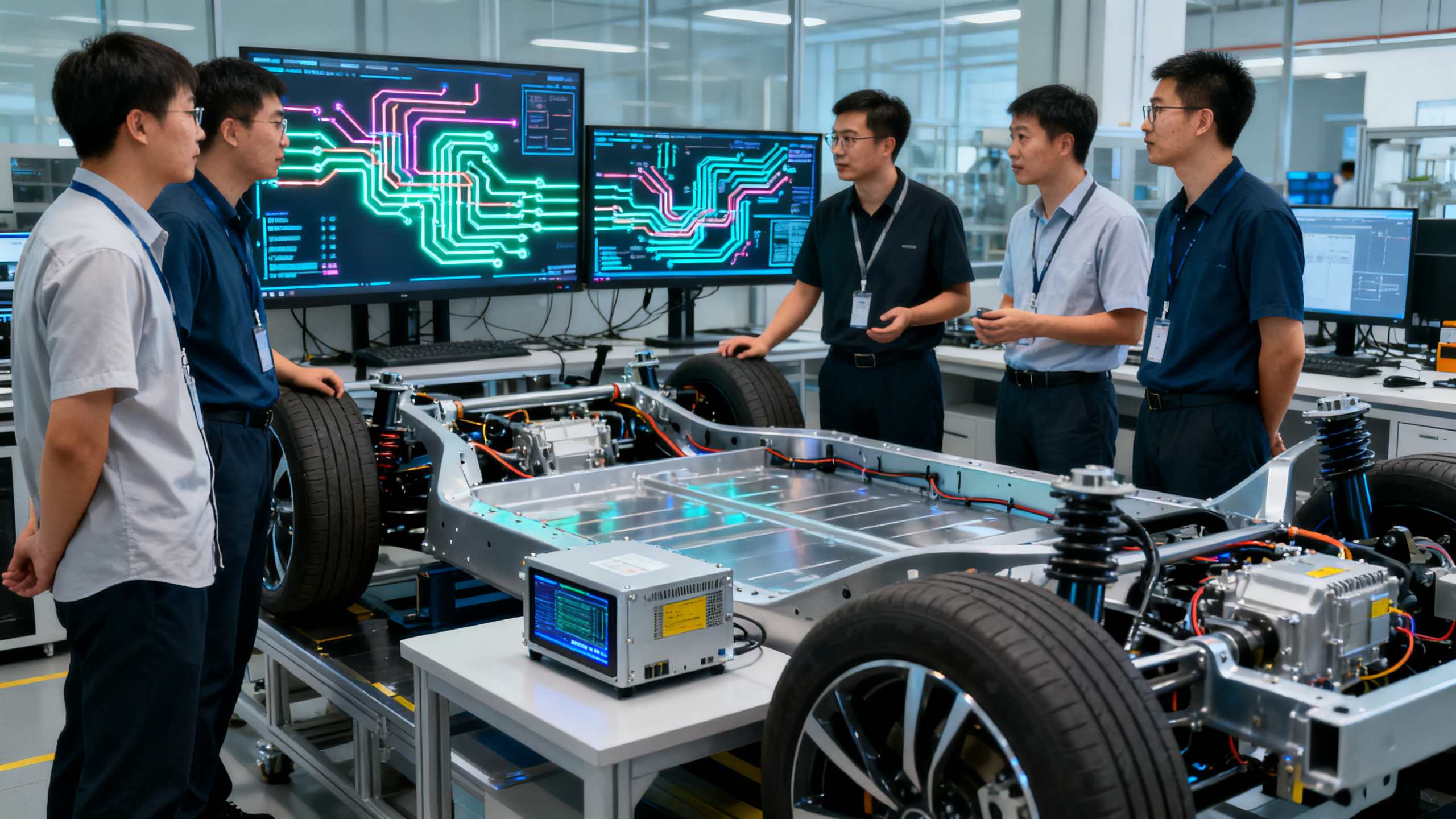
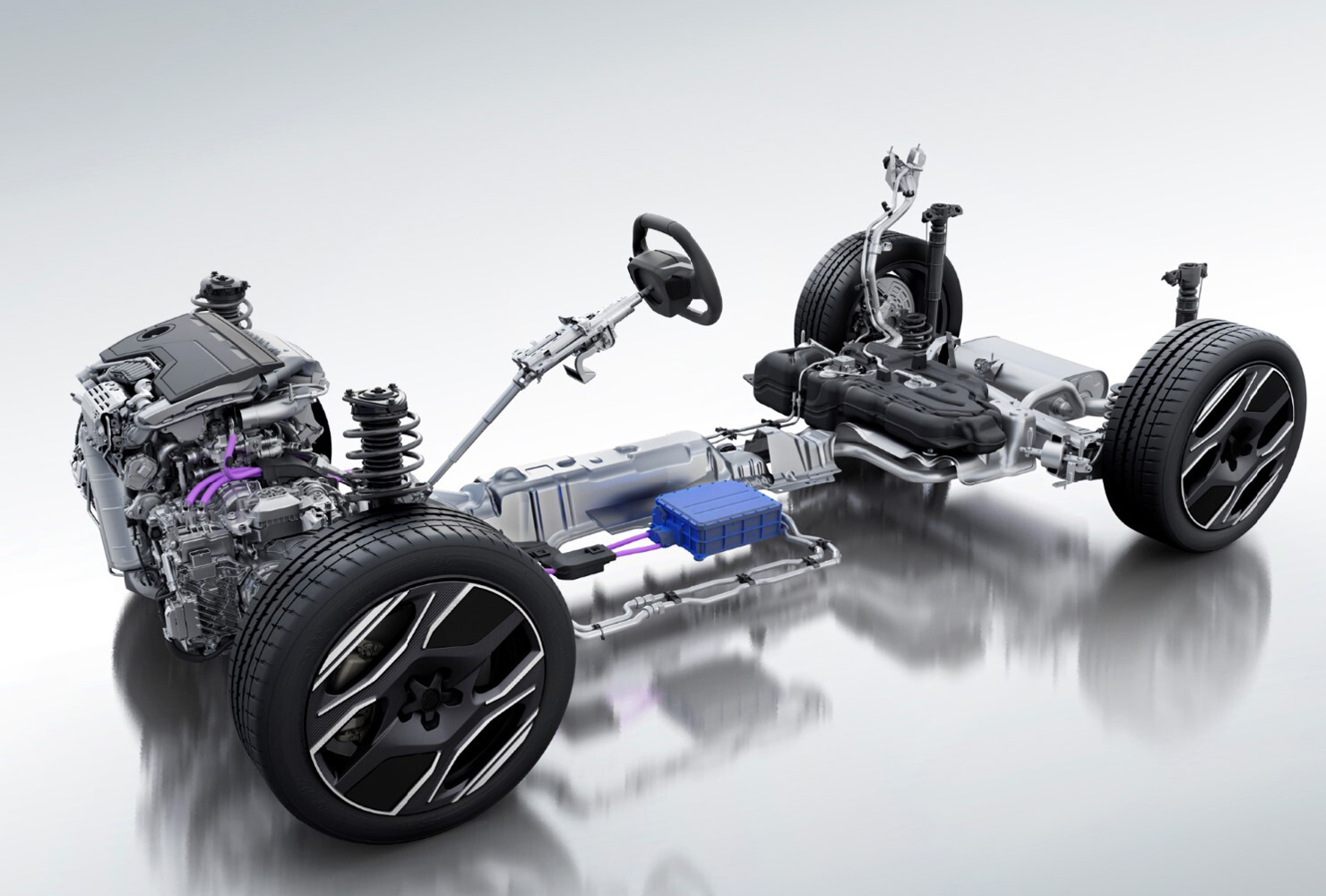
China Electronic Architecture (CEA) is a zonal design with central computing. Instead of dozens of separate control units, one central computer coordinates vehicle zones. Volkswagen says this cuts control units by about 30%. It also supports these functions:
Advanced driver-assistance systems (ADAS)
AI assistants
Cloud services
Over-the-air (OTA) updates
In August 2025, the partners extended the architecture to locally built combustion and plug-in-hybrid models from 2027, according to Volkswagen Group China. A larger user base could spread software costs across more models.
Reuters described the plans as using technology and software layouts developed with XPeng, in an "In China, for China" approach. You can read it in Reuters: China Inside.
Quarterly updates could improve performance and speed, within hardware limits
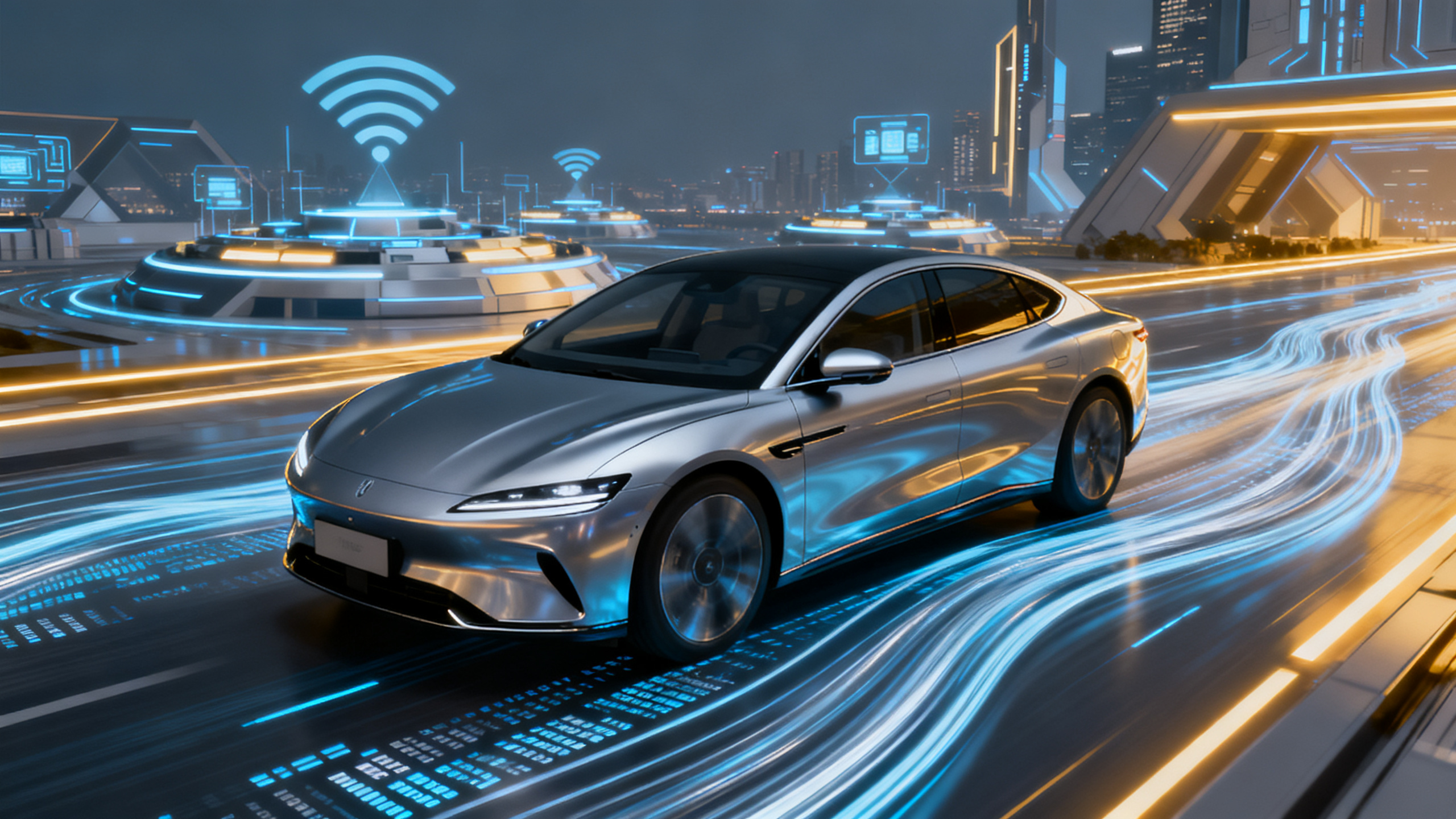
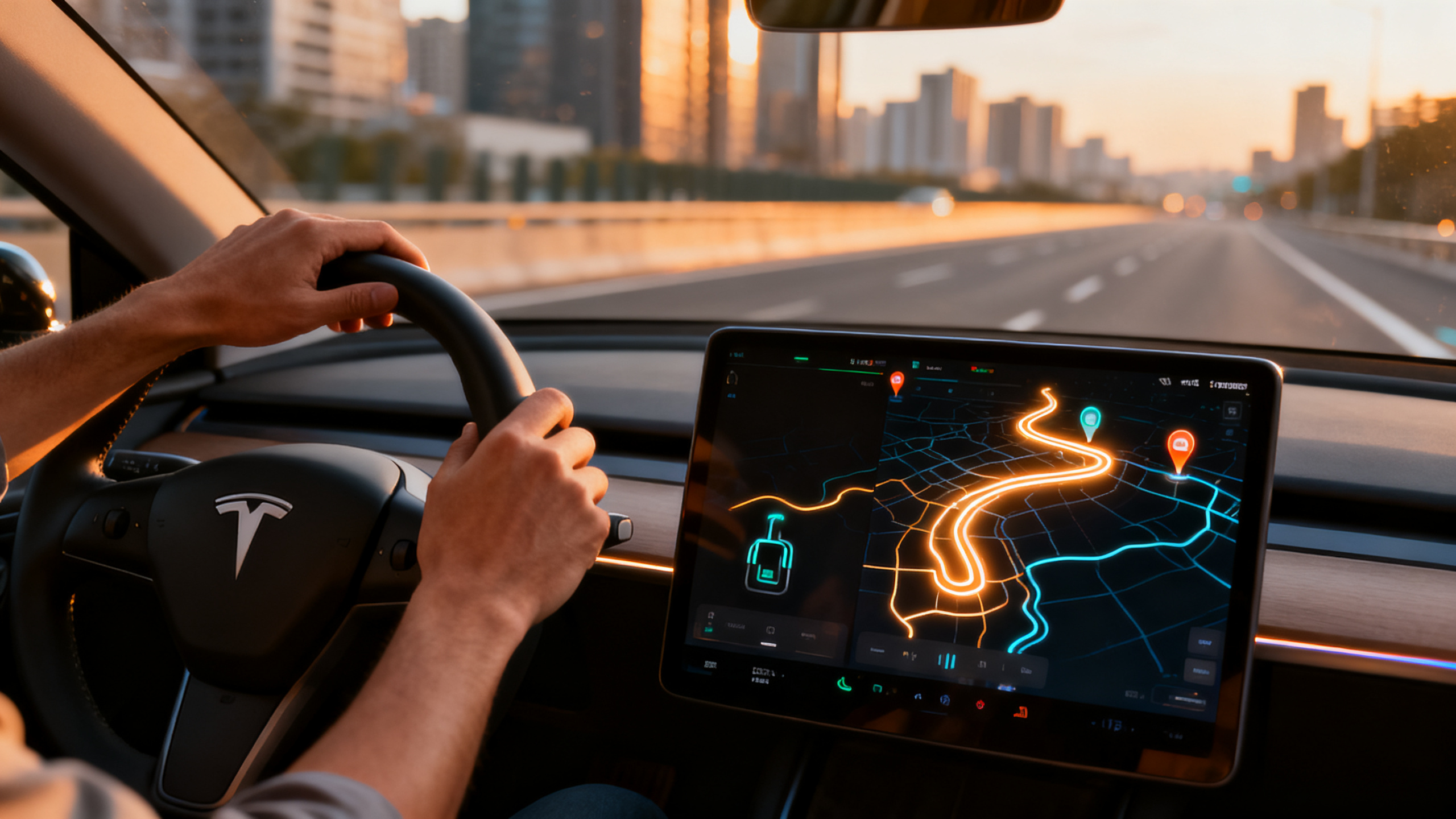
Software can touch more than acceleration. Updates could optimize energy management, charging behavior, thermal management, navigation and infotainment responsiveness. I wouldn't trust any fixed range or acceleration claim without published test data. Owner data should verify the gains.
Software also has limits. It can't turn an aging battery into a new one or add sensors the car never had. Hardware, regulation and safety validation set the ceiling.
Faster iteration still looks plausible. Volkswagen Group says the partners moved from concept to production in about 18 months under the "China speed" banner. A central computer lets engineers update several systems together instead of patching isolated modules.
Perceived performance matters too. A snappier screen, better route planning and smoother voice recognition improve ownership even if the motor output stays the same.
The risks are real, though. I'd flag these:
New bugs after an update
Altered familiar controls
Changed ADAS behavior
Safety-critical updates need stricter validation than entertainment features. That makes rollback and reliability part of performance, not an afterthought.
Loyalty will depend on update quality, not update count
A car that gains features feels supported. Conventional ownership often means limited software support after delivery, so a new voice command or better navigation can make an owner feel the purchase still has value.
A predictable cadence builds trust only under certain conditions. Updates must be useful, stable, clearly explained, easy to install and reversible. Quantity alone won't earn loyalty.
Several irritants could undo the goodwill:
Forced updates and long installs
Lost familiar functions
Privacy worries
Subscription locks on features
Support that ends before the car's service life does
I'd urge Volkswagen to publish a software-support commitment. It should state how long security, feature and compatibility updates will last. Buyers shouldn't have to guess.
Here's my practical test for a good update. Release notes arrive first. The update then installs on a schedule with no dealer visit. Finally, route planning or voice recognition measurably improves.
Can Volkswagen out-iterate China's software-first EV brands?
XPeng says it has in-house capability across ADAS, vehicle operating systems and E/E architecture, per ir.xiaopeng.com. That contrasts with the more fragmented supplier model of established automakers. It's a real advantage in a market that rewards speed.
Each partner brings something the other lacks:
Volkswagen: brand recognition, manufacturing scale, safety processes and a dealer network.
XPeng: rapid iteration, intelligent cockpits and driver-assistance experience.
The trade-off is partner dependence for key parts of the customer experience. One report said Volkswagen was considering XPeng's driver-assistance system for 2026 China vehicles. I'd treat that as unconfirmed, as CarNewsChina: Volkswagen to licence Xpeng's autonomous driving solution for its China EVs in 2026 frames it as a report.
Judge success against XPeng, BYD, Tesla, Nio and Li Auto. Track these measures:
Real-world efficiency
Installation reliability
Useful new features
Sales and owner retention
Keep company claims separate from independent results. Also remember that the collaboration is China-focused, so don't assume the same cadence applies worldwide.
The partnership gives Volkswagen a credible route into software-driven competition. Still, the decisive test comes after delivery. If owners see their cars get better every quarter, Volkswagen wins loyalty. If updates feel cosmetic or buggy, the architecture won't matter.
Sources
CarNewsChina: Volkswagen plans software updates for Xpeng-powered EVs every three months in China
S&P Global Mobility: Volkswagen China plans quarterly software updates for Xpeng-powered EVs
Volkswagen Group China: Volkswagen and XPENG expand software cooperation
WardsAuto: China's Xpeng, Volkswagen Group to co-develop EVs
CarNewsChina: Volkswagen to licence Xpeng's autonomous driving solution for its China EVs in 2026
CnEVPost: Xpeng, VW expand tech partnership to cover gasoline and plug-in hybrid platforms