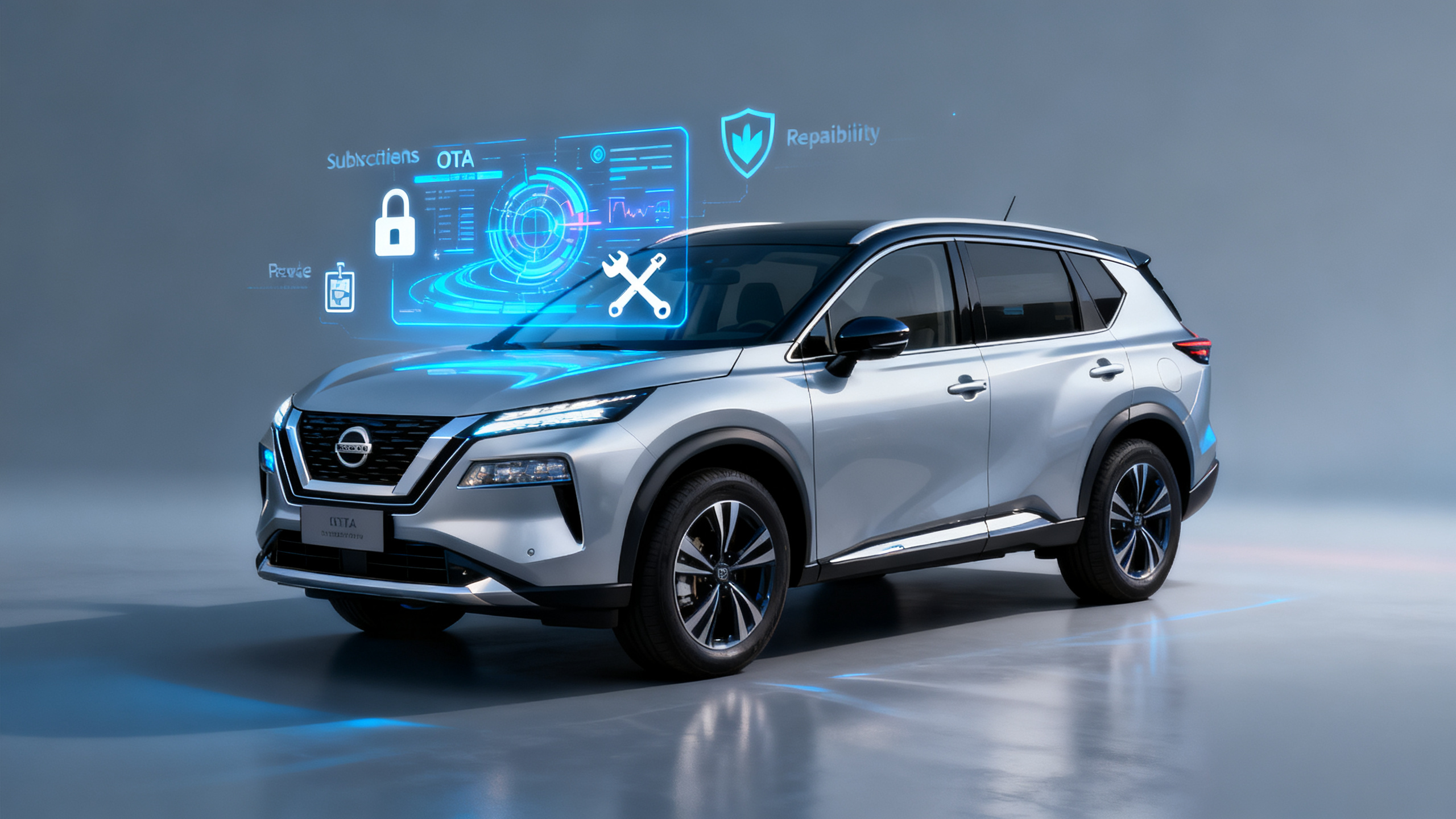
Software-defined cars like the next Nissan Rogue may improve via OTA updates, but subscriptions, security, privacy, and repairability raise real questions.

A software-defined vehicle (SDV) like the next-generation Nissan Rogue could keep improving after you drive it home, through over-the-air updates, smarter driver assistance, and personalized apps. That promise raises real questions about subscription fees, cybersecurity, data privacy, repairability, and whether drivers want a car that acts like a smartphone.
Key Takeaways
- An SDV relies on software, cloud connectivity, sensors, and electronic control units, so features can change after delivery.
- Nissan says it doesn't charge for OTA updates, but it licenses software rather than selling it, and dealer help may cost money.
- ProPILOT Assist is driver assistance, not self-driving, and updates can't fix missing hardware.
- Subscriptions shift the debate to feature ownership versus feature access, which affects cost and resale.
- Security, privacy, and repair access will decide whether a smartphone-like car is worth it.
The next Nissan Rogue tests whether a car can improve like a smartphone
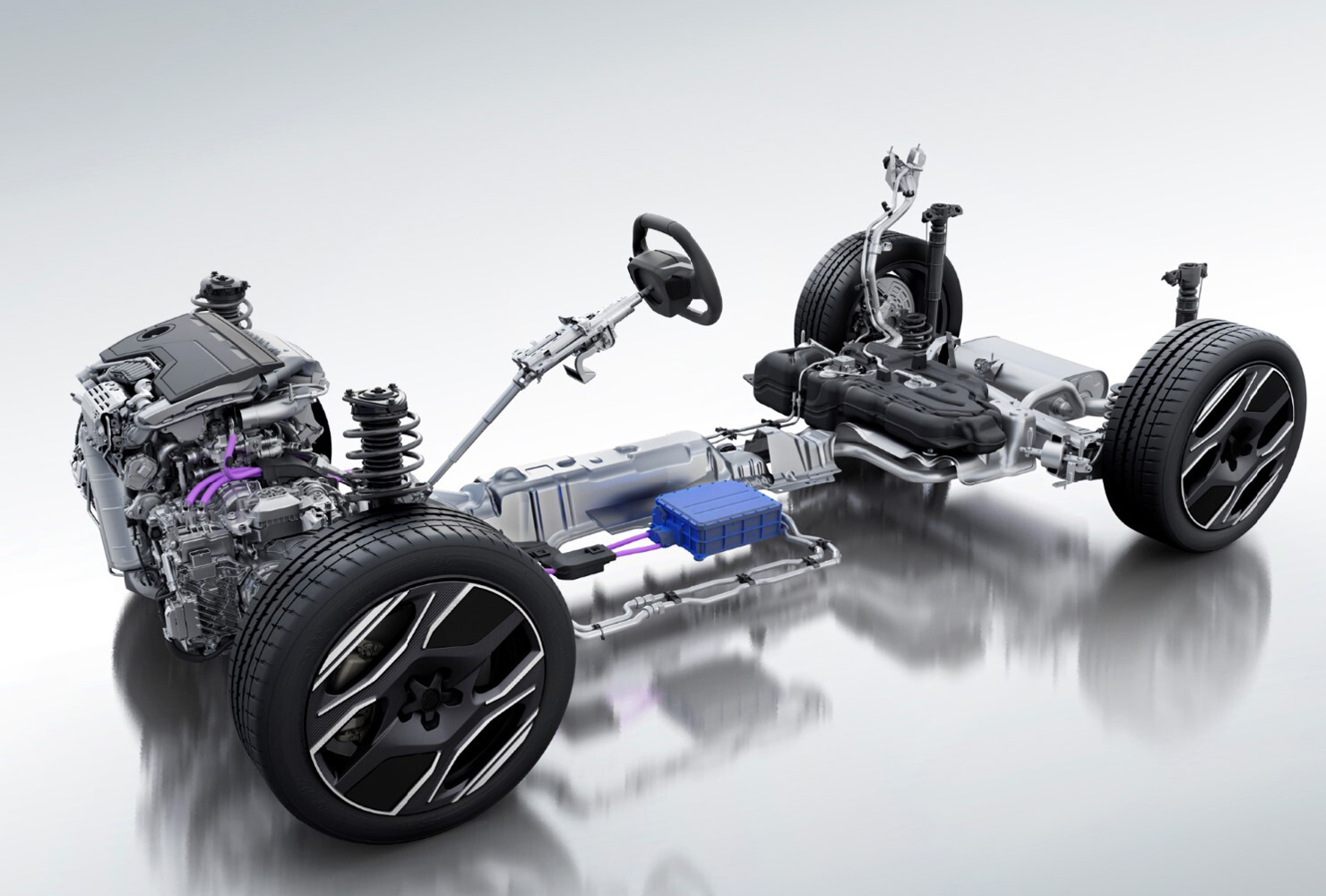
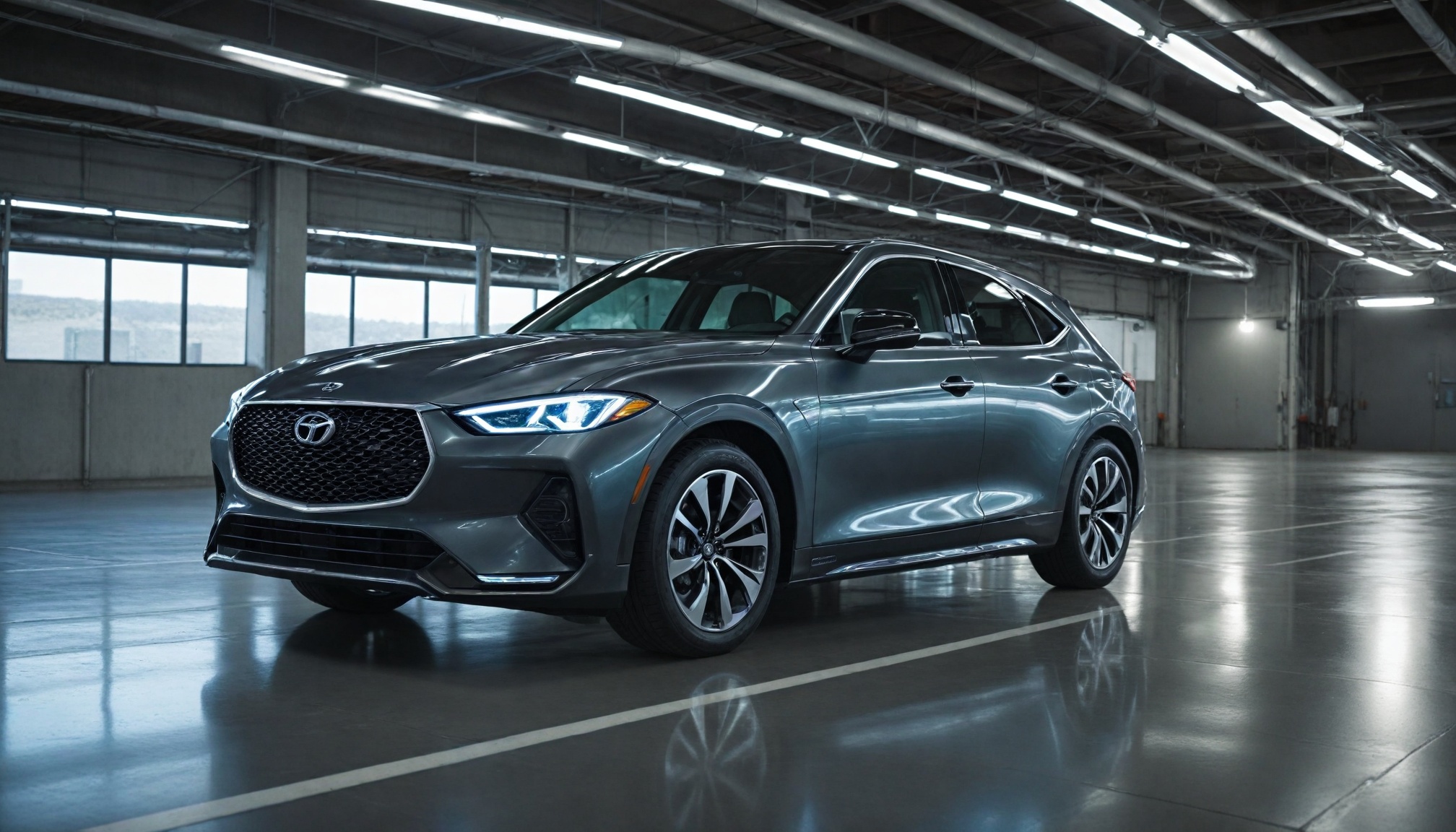
I'm treating the next-generation Rogue as a case study, not a confirmed spec sheet. An SDV leans on a vehicle operating system, cloud connectivity, sensors, and electronic control units. That setup lets automakers add, refine, or monetize features after the sale.
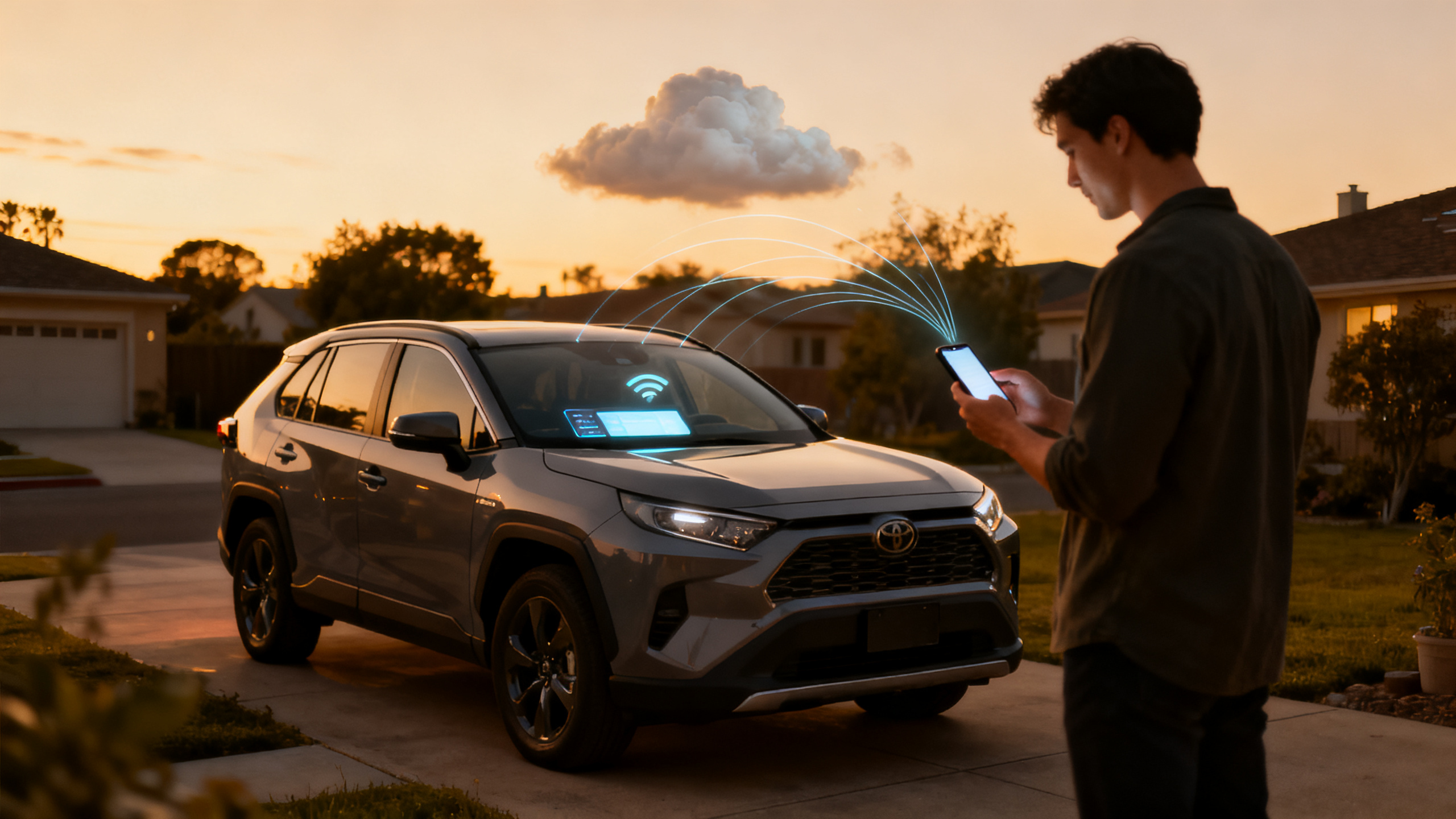
Nissan's Vehicle Software Agreement says certain vehicles can receive software and firmware over the air. They can use built-in connectivity or home Wi-Fi. The same agreement describes software as licensed, not sold. Updates may be complimentary or fee-based, at Nissan's determination. Nissan says it doesn't charge for providing OTA updates, but dealer assistance may carry service charges.
Not every feature works the same way. I'd sort them into five buckets:
- Factory hardware: cameras, radar, and processors installed at the plant.
- Already-enabled software: features that work on day one.
- Improved-by-update features: existing functions that get refined.
- Subscription-activated features: services that need an active plan.
- New-sensor features: functions that need physical parts the car doesn't have.
OTA updates can't overcome hardware limits. A sensor has to be capable before software can use it.
What the Rogue already offers, and where ProPILOT fits
The Rogue already shows the direction. According to Nissan News, the 2024 Rogue was the first Nissan with Google built-in. It also stretched the NissanConnect Services trial to three years, up from six months.
Nissan's Rogue materials list connected features through the MyNISSAN app. They include Remote Engine Start, My Car Finder, and Remote Vehicle Status. Those are modest today, but they give a future Rogue a foundation to build on.
Driver assistance is the bigger test. Nissan's ProPILOT Assist page says the system combines Intelligent Cruise Control with Steering Assist. It uses a camera, radar, and other sensors. It can stop and hold the vehicle in traffic. With Navi-link, it uses map data to adjust speed before curves and exits.
On eligible vehicles, ProPILOT Assist 2.1 adds Route Assist, Lane Change Assist, and hands-off driving on select freeways. It also adds 3D high-definition mapping, according to the same Nissan USA page.
Let's be clear, though. This is driver assistance, not self-driving. Nissan warns that the system can't prevent collisions and doesn't work in all conditions. The driver has to stay in control. Updates might refine alerts or route-based speed management. Results still depend on sensors, lane markings, weather, map data, and regulatory approval.
Subscriptions turn ownership into feature access
Here's where the smartphone comparison gets uncomfortable. The 2026 Rogue brochure lists trial access of five years of NissanConnect Select, one year of Premium, and a three-year ProPILOT Assist 2.1 package on applicable configurations.
I'd treat those as examples only. Availability and terms vary by model, trim, market, and model year. Paid service is needed once trials end.
That creates a tension I call feature ownership versus feature access. You may own the vehicle without permanently owning every digital function. Your cost of ownership should now include more than the usual items:
- Financing or lease payments
- Insurance, fuel, and maintenance
- Connected-service fees after trials
- Optional driver-assistance packages
Before you buy, ask a few pointed questions. Are subscriptions transferable? Can the next owner use a prepaid service? Does canceling disable remote or safety-related functions? What happens when networks or servers retire? Get answers in writing where you can.
Cybersecurity and data privacy are the price of connection
Every connected system adds an entry point. Think telematics, infotainment, APIs, smartphone apps, Bluetooth, Wi-Fi, and cloud accounts. Risks range from account takeover and location tracking to disrupted remote services.
Drivers already feel it. A Cubic³ Research survey of 8,000 consumers in the US, UK, Germany, and Japan found that 48% worry their car could be hacked. Automakers see the issue too. In the same research, 86% of automotive executives called digital-service cybersecurity important.
Good security practice isn't a mystery. I'd look for these basics:
- Multi-factor authentication on owner accounts
- Encrypted communications and secure updates
- Regular patches and fast vulnerability response
- Infotainment kept separate from safety-critical systems
Protection has to last the whole ownership period, not just production.
Privacy matters just as much. Connected cars can record location, driving patterns, voice commands, and driver-assistance use. In the Cubic³ survey, 44% globally opposed automakers selling driver data to third parties. That figure hit 49% in the UK and 50% in the US.
Separate data that runs the car from data used for advertising or shared with others. Then check whether you can view, delete, or opt out of collection without losing essential functions.
Repairability, resale, and long-term support decide real value
Software dependence can make repairs harder. Proprietary diagnostics, cloud authorization, parts pairing, and encrypted access can lock out independent shops. Ask whether those shops can install official updates. Ask whether they can replace sensors without dealer programming.
Digital obsolescence is the quieter risk. A working car could lose features if a subscription lapses, a license is revoked, a server shuts down, or a cellular network retires. Resale may hinge on subscription status, remaining trial periods, update support, sensor hardware, and cellular compatibility.
If you're shopping used, run this checklist:
- Confirm which connected services are active.
- Check trial expiry dates.
- Verify the car has current software.
- Confirm the prior owner's account was removed.
The comparison below shows how the trade-offs stack up.
| Ownership issue | Traditional vehicle | Software-defined vehicle |
|---|---|---|
| Features | Mostly fixed at purchase | May change through updates or subscriptions |
| Repairs | Mostly physical parts and diagnostics | Physical repairs plus software, authentication, and coding |
| Privacy | Less continuous digital data | More location, usage, and behavioral data |
| Cost | Purchase, financing, fuel, maintenance | May add recurring digital-service fees |
| Resale | Condition, mileage, equipment | Also software support and subscription status |
| Longevity | Mechanical durability | Mechanical durability plus server, network, and update support |
SDVs don't erase old ownership worries. They add a digital layer that also has to be reliable, affordable, secure, and repairable. I'd treat long-term support commitments as part of a car's real value.
Do drivers want a phone on wheels or a dependable car?
The case for is real. You get post-purchase improvements and remote bug fixes without a dealer visit. Profiles can follow the driver, and the MyNISSAN app adds convenience. That convenience still depends on coverage, active accounts, compatible hardware, and manufacturer support.
The case against is just as real. Recurring fees, features disabled after cancellation, and reduced user control all worry buyers. Add data exposure, new attack surfaces, and dealer-dependent repairs. Plenty of drivers also dread another round of menus, passwords, and notifications.
I wouldn't claim that OTA updates automatically make cars safer. Benefits depend on testing, deployment quality, and driver understanding. Accountability is still unsettled. Who's liable when an update changes system behavior? Can owners decline an update?
If I were talking to Nissan, I'd ask these questions:
- How long will updates last?
- Which updates are free?
- Are safety-critical updates always free?
- Can essential functions work without subscriptions?
- What cybersecurity support continues after warranty?
The central question is simple. Do you want a vehicle that improves like a smartphone, or a dependable car whose essential functions stay yours? SDVs will earn trust only with transparent pricing, durable support, strong privacy and security, clear safety limits, and repair access.
Sources
- Nissan USA, Vehicle Software Agreement
- Nissan News, Refreshed 2024 Rogue is First Nissan to Come with Google Built-in
- Nissan USA, 2026.5 Nissan Rogue Features
- Nissan USA, ProPILOT Assist
- Nissan USA, 2026 Nissan Rogue Brochure
- via.ritzau.dk, Cubic³ Research finds automotive OEMs view connectivity as crucial for security