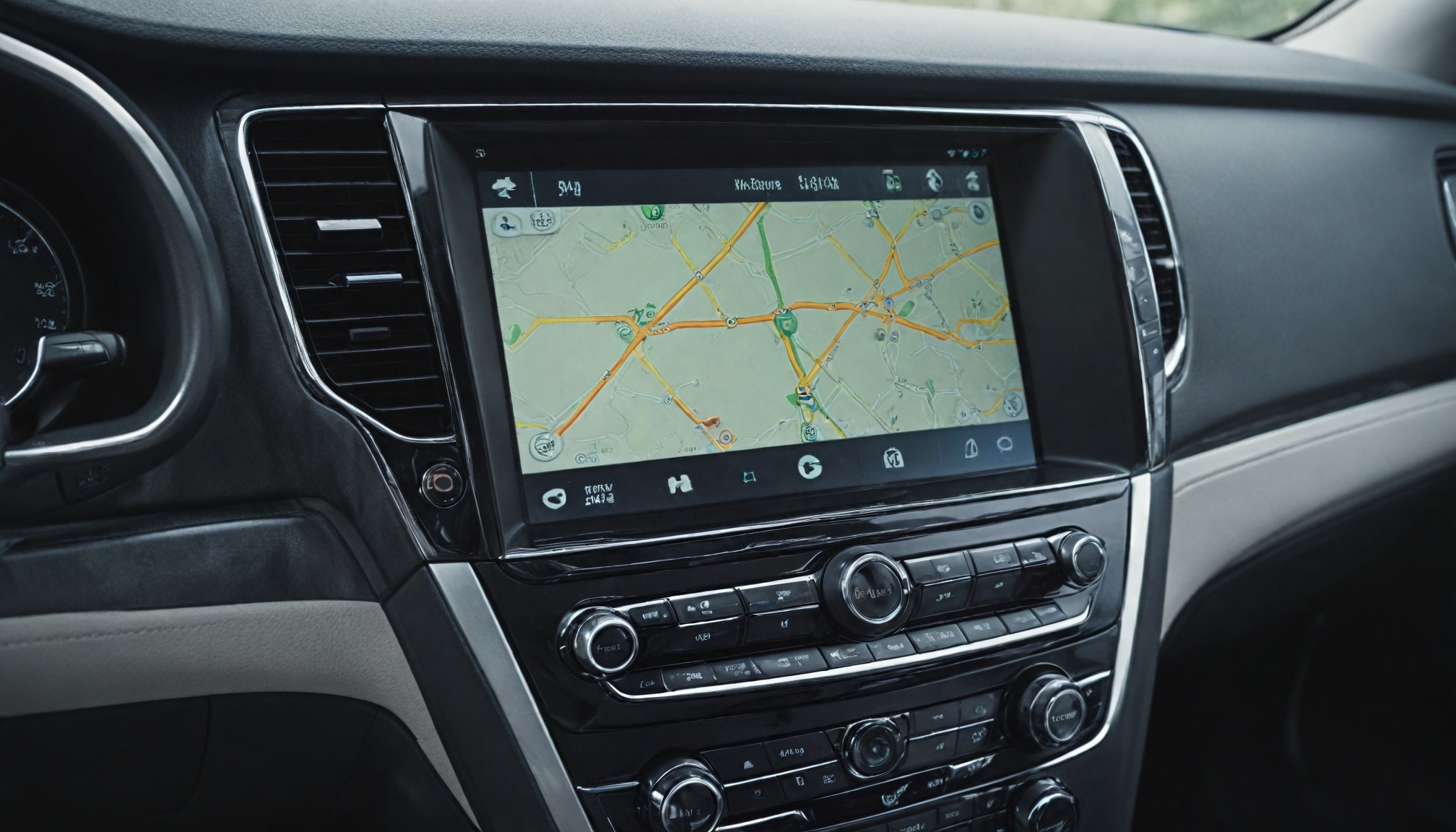
Car touchscreens cause frustration, with 42.6 complaints per 100 vehicles. Automakers now rethinking technology-heavy approach as drivers struggle with complex interfaces that demand too much attention.

Drivetech Partners
Car infotainment systems have become the leading source of frustration among new vehicle owners, with touchscreens that control essential functions like climate and audio generating an overwhelming 42.6 complaints per 100 vehicles according to J.D. Power's latest research. This growing dissatisfaction has sparked a significant rethinking among automakers about whether their technology-forward approach has gone too far, as drivers increasingly voice concerns about complex interfaces that demand too much attention while behind the wheel.
Key Takeaways
- Infotainment systems generate 42.6 complaints per 100 vehicles, making them the most problematic feature in new cars
- Touchscreen interfaces force drivers to take their eyes off the road for dangerously long periods compared to physical controls
- Several automakers including Porsche and Honda are reintroducing physical buttons after significant customer backlash
- Military and aviation sectors have avoided touchscreens for critical operations due to safety concerns
- The ideal approach likely combines touchscreens for secondary functions with physical controls for primary operations

The Touchscreen Takeover and Its Consequences
The automotive industry's rush to embrace touchscreen technology has transformed vehicle interiors over the past decade. What started as a premium feature has become nearly unavoidable, with even budget models sporting tablet-sized screens that control everything from navigation to seat heaters. This digital revolution has come at a cost—drivers are increasingly frustrated by interfaces that prioritize visual appeal over functionality.
Despite improvements in overall vehicle quality, infotainment frustrations continue to dominate customer complaints. The J.D. Power 2025 Initial Quality Study found that touchscreen-related issues represent half of the top 10 reported problems in new vehicles, including system freezes, connectivity problems, and unintuitive menu structures. The fundamental issue is clear: functions that once required a simple button press now demand multiple screen taps and menu navigation.
Safety Concerns and Distracted Driving
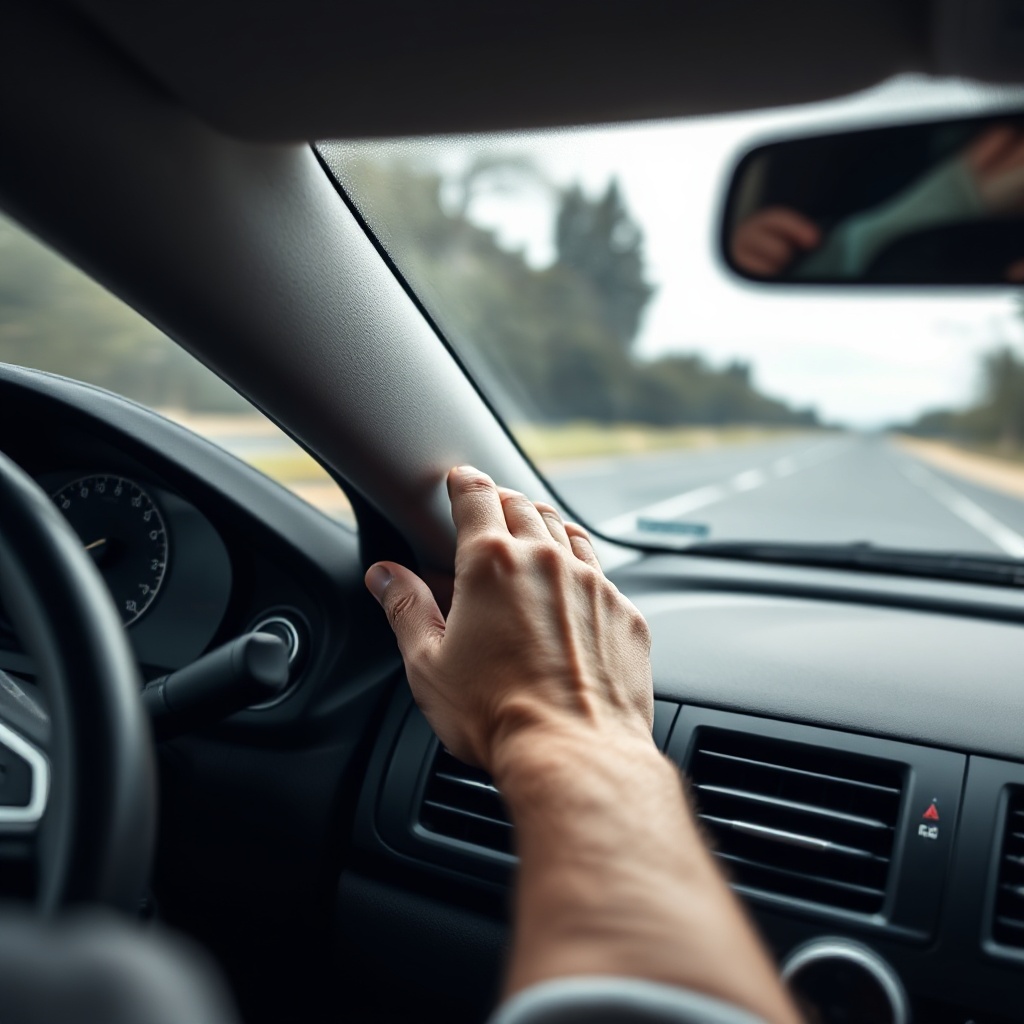
The safety implications of touchscreen-dominant interfaces are significant. Unlike physical buttons that can be located by touch, touchscreens demand visual confirmation for every interaction. This requirement forces drivers to take their eyes off the road repeatedly, sometimes for dangerously long periods. Safety experts have raised alarms about this increased visual demand, particularly for common tasks like adjusting temperature or changing radio stations.
Consider the difference in cognitive load: with physical controls, a driver can keep their eyes on the road while adjusting the volume or temperature by feel. With touchscreens, the same tasks require looking at the screen to locate virtual buttons, confirm selections, and often navigate through multiple menus. This attention splitting has been linked to increased accident risk as drivers spend precious seconds looking at screens instead of their surroundings.
The statistics paint a concerning picture:
- Touchscreen interactions typically require 4.6 seconds of driver attention—at highway speeds, that's enough time to travel the length of a football field
- Complex menu structures can double or triple interaction time for basic functions
- System freezes and slow response times compound the distraction problem
Lessons from Other Industries
While automakers have embraced touchscreens, other high-stakes industries have taken a more cautious approach. The military and aviation sectors have largely avoided touchscreens for mission-critical operations, recognizing that physical controls offer reliability and usability advantages that screens cannot match.
The British Army provides a telling example. After testing touchscreen interfaces in armored vehicles, they ultimately discontinued their use after finding they significantly decreased decision-making speed in high-pressure situations. Similarly, commercial aircraft cockpits continue to feature an abundance of physical switches, knobs, and buttons despite the availability of advanced digital systems.
These industries prioritize:
- Tactile feedback that confirms actions without visual verification
- Consistent control locations that can be memorized through muscle memory
- Redundancy and fail-safe operation that doesn't depend on software stability
- Usability under adverse conditions (turbulence, vibration, stress)
The automotive industry could learn valuable lessons from these approaches, particularly for controls that affect vehicle safety and basic operation.
Automakers Reversing Course
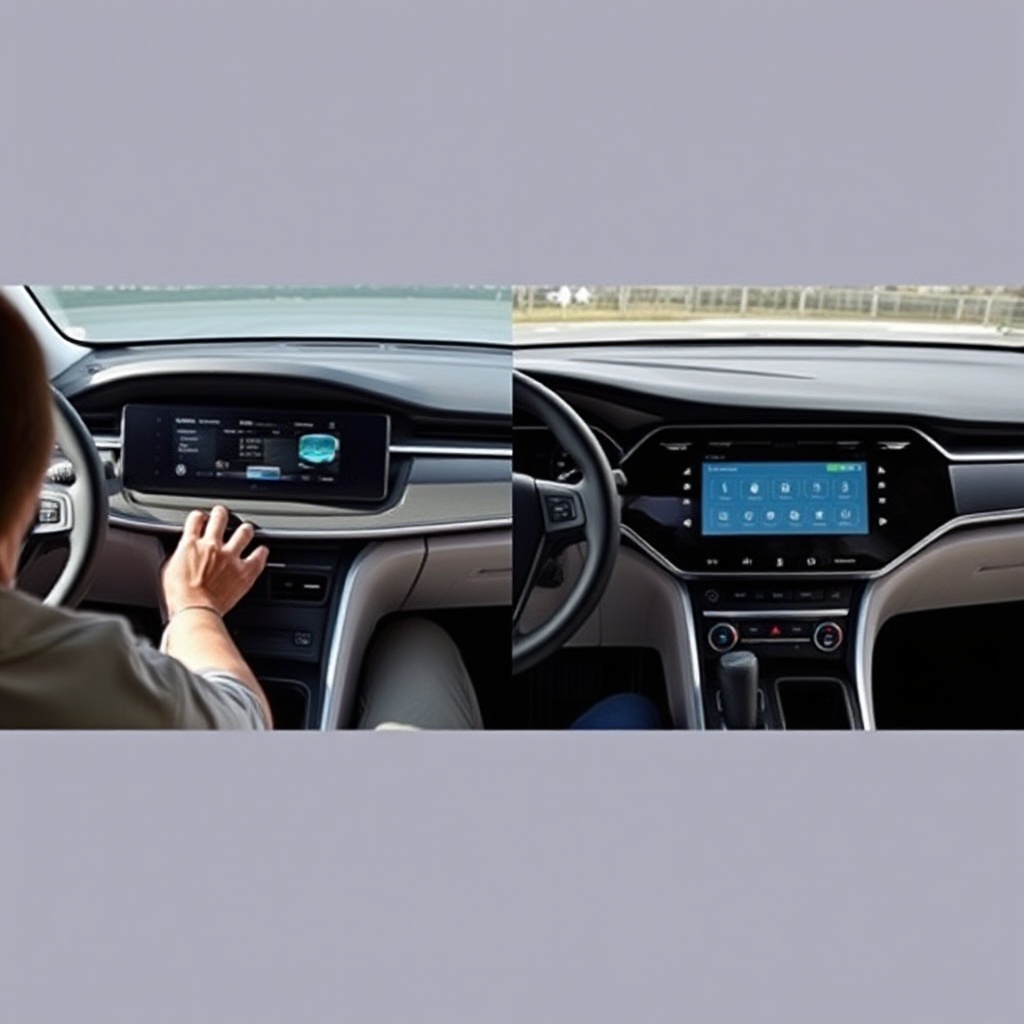
After years of touchscreen proliferation, several manufacturers are beginning to heed customer feedback and reintroduce physical controls. Porsche made headlines when it brought back physical buttons in models like the Cayenne following negative reviews of its touch-only interface. The reversal wasn't merely cosmetic—it was a direct response to customers who complained about the previous design's usability.
Honda, Volkswagen, and other brands are developing hybrid interfaces that combine touchscreens with physical controls. These balanced approaches typically reserve touchscreens for entertainment and navigation while providing tactile controls for frequently used functions like climate adjustment and volume. Customer satisfaction scores for these brands show promising improvements, suggesting they're on the right track.
This course correction signals an important shift in design philosophy—acknowledging that cutting-edge doesn't always mean better when it comes to human-machine interfaces in vehicles.
The Technology-Usability Trade-off
The core issue in modern vehicle interfaces is the fundamental disconnect between what looks impressive in a showroom and what works well on the road. Automakers have been caught in a technological arms race, with each generation of vehicles showcasing larger screens and more features, often at the expense of usability.
Complex menu structures and hidden features create substantial frustration for everyday drivers who simply want to perform basic tasks quickly. Touchscreens also typically lack the tactile feedback that allows for "eyes-free" operation—the ability to manipulate controls by feel alone. This absence of physical feedback requires more visual attention, creating a safety liability.
Software quality varies dramatically between manufacturers, affecting the overall user experience. Some systems suffer from:
- Slow response times that leave drivers unsure if their input was registered
- Confusing menu layouts that bury common functions several layers deep
- Inconsistent interface design that changes with software updates
- System crashes that can disable critical vehicle functions
These issues highlight why thoughtful design matters more than raw technological capability when it comes to interfaces that must be used while operating a moving vehicle.
Impact on Brand Loyalty and Sales
Infotainment frustrations have emerged as a significant factor affecting repeat purchase intentions and brand loyalty. According to recent studies, brands with intuitive controls see higher customer satisfaction and loyalty rates. Lexus ranked highest in overall quality while Nissan led among mass-market brands, demonstrating how interface design can influence broader quality perceptions.
Dealerships report increasing numbers of customers specifically asking about physical controls when shopping for new vehicles. This consumer preference has become pronounced enough that some manufacturers now highlight the presence of physical buttons in their marketing materials—a remarkable shift from just a few years ago when touchscreens were the selling point.
The financial implications are clear: brands that ignore user interface problems risk losing customers to competitors who offer more intuitive, less distracting control systems. This connection between interface design and customer retention makes a compelling business case for reconsidering the touchscreen-dominant approach.
The Future of Car Interfaces
While the pendulum may be swinging back toward physical controls for essential functions, technological innovation continues to shape the future of vehicle interfaces. Voice control and AI assistants are being developed to reduce reliance on visual interfaces, allowing drivers to keep their eyes on the road while accessing vehicle functions through natural speech commands.
Profilence highlights software quality as a crucial competitive advantage in the automotive industry. As vehicles become more software-defined, the stability, usability, and intuitiveness of these systems will increasingly influence consumer perception and satisfaction.
Head-up displays are becoming more sophisticated, projecting critical information directly into the driver's line of sight. This technology reduces the need to look away from the road to check speed, navigation directions, or other essential data.
Haptic feedback technology offers a potential middle ground between touchscreens and physical buttons. By providing tactile sensation when virtual buttons are pressed, haptic systems can offer some of the benefits of physical controls while maintaining the flexibility of digital interfaces.
Finding the Right Balance
The ideal approach likely combines touchscreens for secondary, less frequently used functions with physical controls for primary operations that drivers need to access quickly and safely. This balanced design acknowledges both the versatility of digital interfaces and the irreplaceable advantages of tactile controls.
Customer preferences vary by demographic, with younger buyers typically more accepting of touchscreens while older drivers often prefer familiar physical controls. This generational divide suggests that offering options or customizable interfaces might best serve a diverse customer base.
Software updates can improve existing systems but can't replace well-designed physical interfaces. The most successful manufacturers will likely be those who prioritize user testing with real drivers in realistic conditions, rather than making design decisions based solely on technological possibilities or aesthetic considerations.
As the automotive industry continues to evolve, the winning formula appears to be one that balances innovation with usability, recognizing that driving demands an interface that minimizes distraction while maximizing control. The touchscreen revolt has delivered an important message: technology should serve the driver, not the other way around.
Sources
dealershipguy.com - Infotainment Still Biggest Problem in Cars Despite Improvements
brochureshub.com - Infotainment Frustration: What New Car Buyers Hate Most in 2025
motorbiscuit.com - What Drivers Complain About Most in New Cars 2025
alvareztg.com - Frustrated with Infotainment
profilence.com - The State of Infotainment in 2025