800V EV architecture is revolutionizing electric vehicles, enabling ultra-fast charging, improved efficiency, and reduced weight—addressing key consumer pain points in EV adoption.

Drivetech Partners
The automotive industry is experiencing a significant transformation with the introduction of 800V electric vehicle architecture, which is rapidly displacing traditional 400V systems as manufacturers seek to address key consumer pain points. This technological leap enables dramatic reductions in charging times, substantial efficiency improvements, and noticeable weight savings that collectively enhance the overall electric vehicle ownership experience.
Key Takeaways
- 800V architecture enables ultra-fast charging capabilities, potentially achieving 80% battery charge in just 10-15 minutes at compatible stations
- Higher voltage systems significantly reduce energy losses and heat generation, improving overall efficiency
- Premium manufacturers like Porsche, Audi, Kia, and Hyundai are leading adoption of 800V technology
- The technology allows for thinner cables and lighter components, reducing overall vehicle weight
- Industry-wide standardization of 800V systems is expected by 2025 despite current infrastructure challenges
The Rise of 800V Systems: A New Era for Electric Vehicles
Electric vehicle technology is reaching a critical inflection point with the rapid advancement of 800V architecture. This fundamental shift represents more than an incremental improvement—it's a complete reimagining of how EVs can function. The traditional 400V systems that have dominated the market since EVs gained mainstream attention are quickly becoming outdated as manufacturers recognize the substantial benefits higher voltage systems provide.
Industry adoption is accelerating at a remarkable pace, with analysts predicting 800V technology will become standard by 2025. Premium manufacturers have taken the lead in implementing these advanced systems. The Porsche Taycan, Audi e-tron GT, Kia EV6, and Hyundai IONIQ 5 already feature 800V architecture, showcasing the technology's readiness for consumer vehicles. Some companies are pushing boundaries even further—Lucid Motors is developing 900V systems that may offer additional advantages.
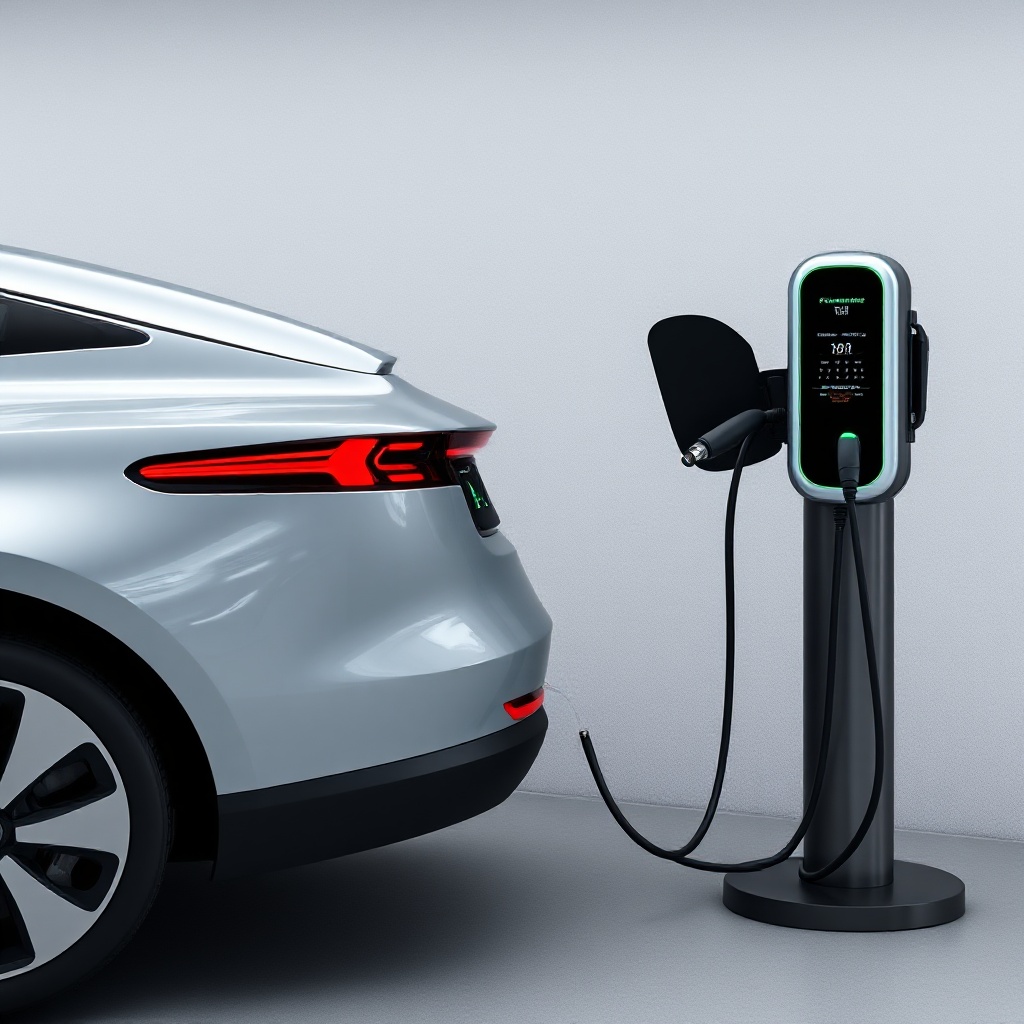
This paradigm shift directly addresses two of the most significant consumer concerns that have limited EV adoption: charging times and range anxiety. By dramatically reducing the time required to charge and improving overall efficiency, 800V systems make electric vehicles more practical for everyday use and long-distance travel.
Dramatic Charging Speed Improvements
Perhaps the most compelling benefit of 800V architecture is the revolutionary improvement in charging speeds. While 400V systems typically support fast charging up to 150kW, 800V systems can handle ultra-fast charging at rates up to 350kW. This translates to real-world advantages that EV owners will immediately notice.
At compatible charging stations, 800V vehicles can add approximately 200km of range in just 10 minutes. The physics behind this improvement is straightforward: power equals voltage multiplied by current (P = UI). By doubling the voltage, the same power can be delivered with half the current, which has profound implications for charging efficiency.
This technological advancement means drivers can achieve an 80% charge in approximately 10-15 minutes when using 350kW charging stations. The charging experience begins to approach the convenience of refueling a conventional vehicle, removing one of the most significant barriers to EV adoption. Looking further ahead, next-generation solid state and graphene batteries paired with 800V systems could potentially enable 10-80% charging in under 10 minutes, completely transforming how we think about EV refueling.
Enhanced Efficiency and Weight Reduction
The benefits of 800V systems extend far beyond faster charging times. These higher voltage architectures create substantial efficiency gains throughout the vehicle. One of the most significant improvements comes from reduced energy losses due to lower current requirements.
According to the power loss formula (P = I²R), energy lost as heat is proportional to the square of the current. By halving the current through increased voltage, 800V systems dramatically reduce heat generation and energy waste. This translates directly to improved range and performance.
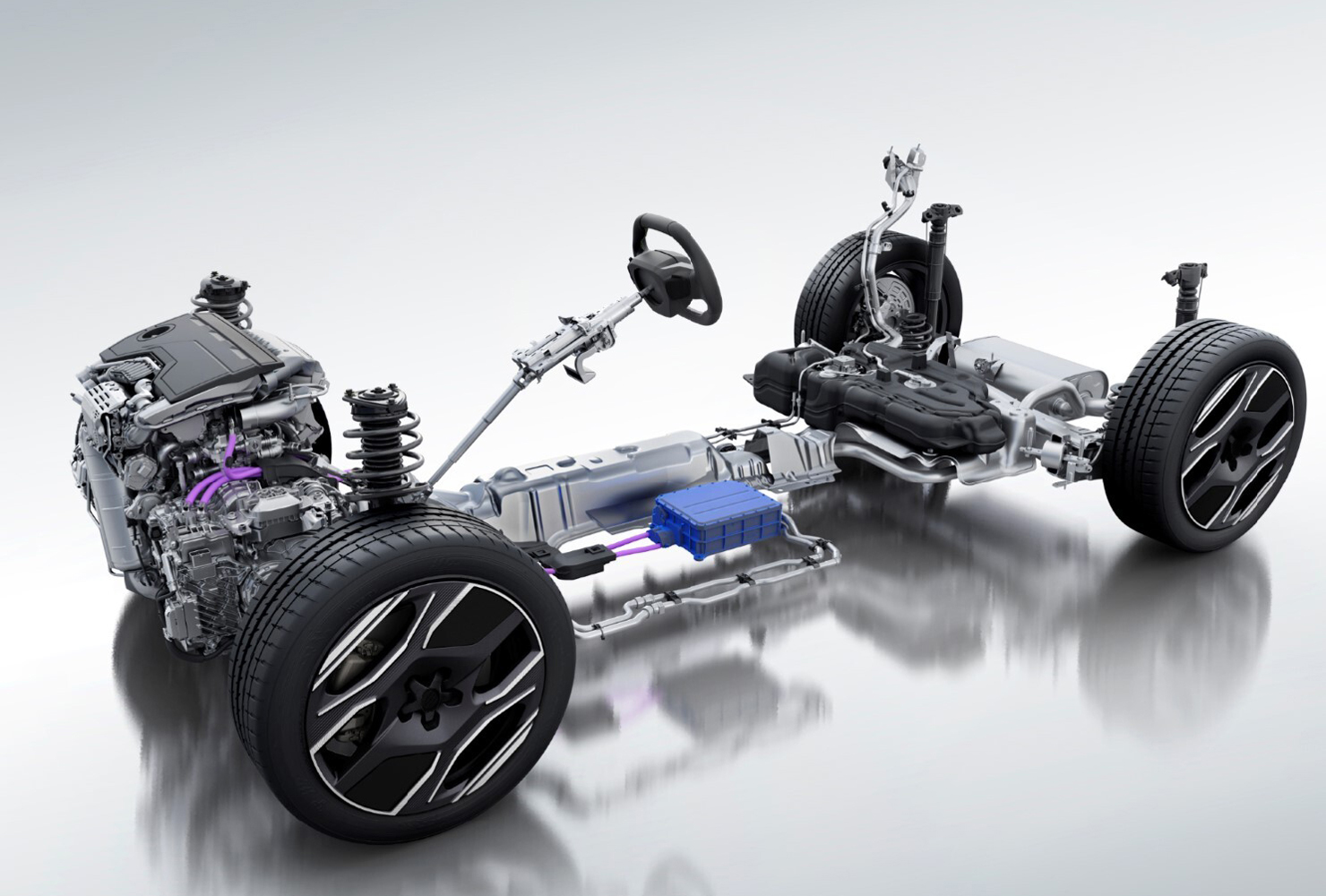
The higher voltage architecture also enables significant weight savings across the vehicle. Copper usage in main wiring harnesses can be reduced by nearly a factor of three, as smaller cross-sectional area wires (35mm² vs. 95mm²) can safely carry the required power. These thinner cables not only reduce weight but also improve packaging and routing flexibility, giving designers more freedom in vehicle layout.
The combined effect of lighter components and reduced cabling contributes to an overall decrease in vehicle weight. Additionally, improved thermal management from lower heat generation reduces cooling system requirements, further contributing to efficiency gains in a virtuous cycle of improvement.
Performance and Driving Benefits
800V architecture delivers noticeable performance advantages that enhance the driving experience. The increased voltage enables higher power density in electric motors, improving their electromagnetic performance and efficiency. This translates to better acceleration, more responsive power delivery, and superior overall driving dynamics.
Higher voltage systems also support enhanced regenerative braking capabilities. The battery's ability to accept higher voltage during braking events means more kinetic energy can be recaptured and stored, extending range and improving overall efficiency. The combination of reduced weight from smaller components and improved power delivery results in quicker acceleration and more dynamic handling characteristics.
Extended range from overall efficiency improvements means drivers can travel further on a single charge. Perhaps most importantly for performance-oriented drivers, the lower heat generation in 800V systems improves sustained performance during intensive driving sessions. Unlike 400V vehicles that may need to limit power output during extended high-speed driving to manage thermal issues, 800V vehicles can maintain peak performance for longer periods.
Infrastructure Development and Compatibility Challenges
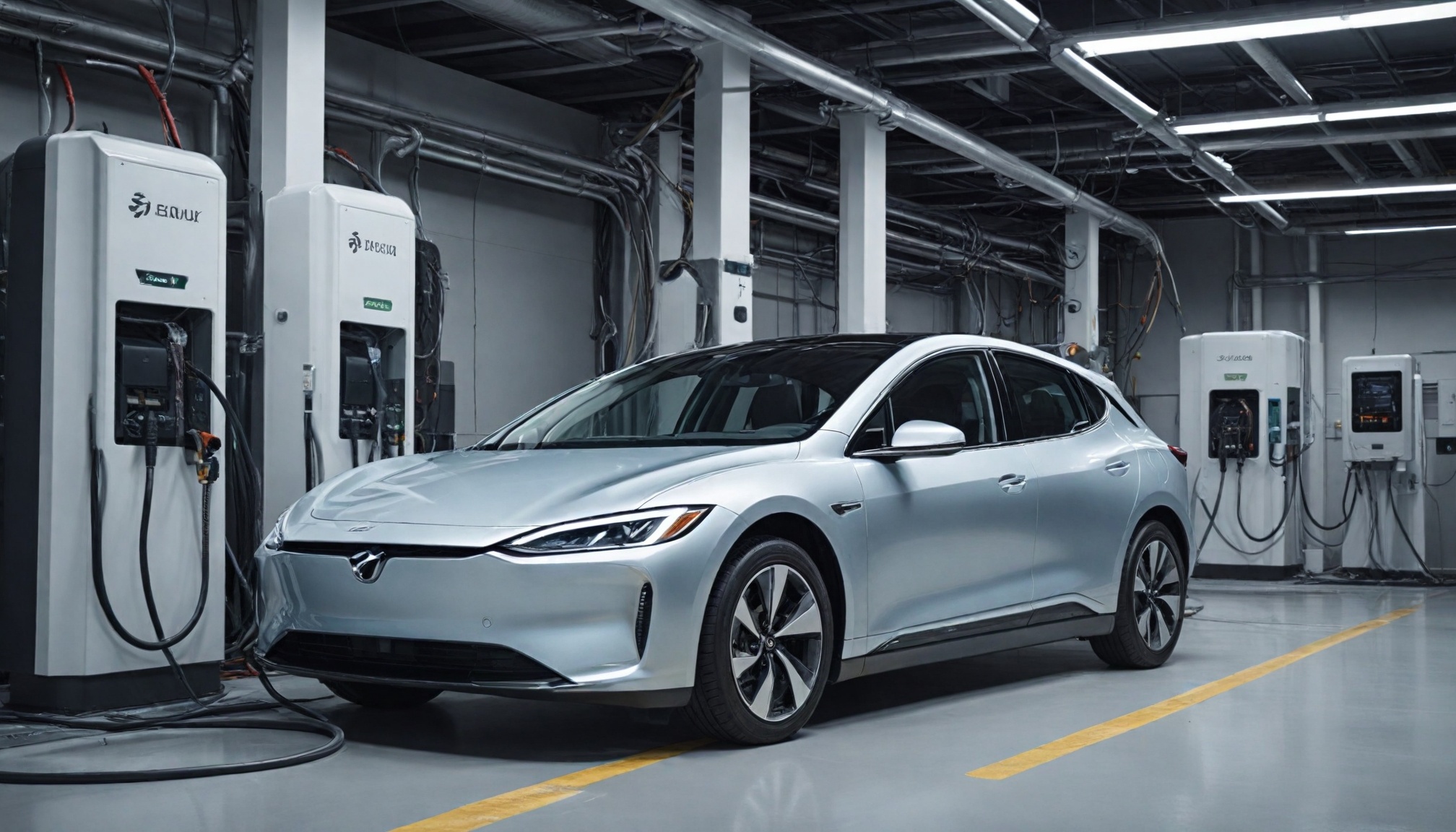
Despite the clear advantages of 800V architecture, widespread adoption faces infrastructure challenges. Most existing public DC fast chargers are designed for 400V architecture, creating potential compatibility issues for early adopters of 800V vehicles. This situation is evolving at different rates globally, with the European Union advancing 800V infrastructure more rapidly than the United States.
To address this compatibility gap, 800V EVs typically include DC/DC converters that allow them to utilize existing 400V charging networks, albeit at lower charging speeds than their systems are capable of supporting. This backward compatibility ensures owners can still access the broader charging network while purpose-built 800V infrastructure expands.
Charging operators recognize the trend toward higher voltage systems and are increasingly including 800V technology in new installations. This dual-standard approach helps bridge the transition period while the charging infrastructure catches up with vehicle technology. The expansion of compatible charging networks remains critical for realizing the full benefits of 800V architecture, particularly the dramatically reduced charging times.
Economic and Market Considerations
The transition to 800V systems involves economic trade-offs that manufacturers and consumers must consider. Currently, higher manufacturing costs are associated with 800V systems due to their newer technology status and smaller market share. Components designed for higher voltage operations, particularly specialized silicon carbide semiconductors, command premium prices compared to their 400V counterparts.
Battery management systems for 800V packs require increased complexity with more voltage sensing channels to monitor battery health and performance properly. These factors contribute to higher initial costs for 800V vehicles, though this premium is expected to shrink as production volumes increase.
Despite the current cost differential, the market shift toward 800V is accelerating through 2025. Growing popularity in premium models is creating economies of scale that will gradually reduce component costs. Increasingly, tech-savvy consumers are prioritizing charging speed in their purchasing decisions, recognizing that the convenience of rapid charging outweighs the initial cost premium for many use cases.
Technical Implementation Challenges
Implementing 800V architecture presents several technical challenges that manufacturers must overcome. Battery management becomes more complex with doubled voltage sensing channels required to monitor pack health effectively. The risk of partial discharge increases with higher voltages—up to 1,500V during switching events—potentially degrading wire insulation over time if not properly managed.
Specialized silicon carbide power components are essential for efficient 800V operation. These components offer superior performance at higher voltages but require different thermal management approaches than traditional silicon semiconductors. The development of comprehensive safety systems to manage higher voltage risks is also critical, as the potential energy in 800V systems requires careful handling to ensure user safety.
The limited availability of compatible 350kW ultra-rapid charging stations remains a practical hurdle for fully realizing the benefits of 800V technology. As charging infrastructure expands, these technical challenges will become less significant, but they represent important considerations in the current market landscape.
Comparative Analysis: Why 800V Is Winning the Voltage Race
When comparing 400V and 800V architectures directly, the advantages of higher voltage systems become clear. In charging speed, 800V delivers 2-3 times faster charging than comparable 400V systems when using appropriate high-power chargers. This dramatic improvement in refueling time represents a game-changing advantage for consumers who value convenience.
While 400V currently offers better compatibility with existing charging infrastructure, this advantage is diminishing as charging networks expand to include higher voltage capabilities. In efficiency metrics, 800V systems demonstrate measurably higher performance with reduced energy loss and heat generation, contributing to extended range and improved performance.
The weight savings from 800V components are substantial, with thinner cables and smaller components reducing overall vehicle weight and improving packaging efficiency. Perhaps most importantly, 800V technology provides a future-proofing advantage, positioning both manufacturers and consumers to benefit from the direction the industry is clearly heading.
As technology matures and costs decrease through economies of scale, 800V is positioned to become the industry standard. Early adopters of 800V technology gain immediate benefits in charging speed and efficiency while ensuring their vehicles remain compatible with the infrastructure of tomorrow.
Sources
Power-Sonic - 400V vs 800V Charging
Go Electra - Electric Vehicle 2025
Green Cars Compare - The Rise of 800V EV Architecture