Honda's $15.8B loss triggers EV cancellation & Afeela brand collapse, marking automaker's first annual loss since 1957 amid industry-wide retreat.

Drivetech Partners
Honda's stunning pullback on their "Thin, Light and Wise" Asimo OS SDV electric vehicle strategy culminates in a historic $15.8 billion loss and the cancellation of three U.S.-built Series 0 EV models, marking the automaker's first annual loss since 1957. The shockwave extends to Sony Honda Mobility's ambitious Afeela brand, which collapsed before ever reaching customers, raising serious questions about the partnership's survival and Honda's ability to compete in software-defined vehicle development against rapidly advancing Chinese competitors.
Key Takeaways
- Honda canceled three U.S.-built EVs (Honda 0 SUV, Honda 0 Saloon, Acura RSX EV) with expected losses reaching $15.8 billion for fiscal year ending March 2026
- Sony Honda Mobility's Afeela sedan and SUV were scrapped on March 25, 2026, with full refunds issued to reservation holders
- The EV retreat severely damages Honda's software-defined vehicle strategy, widening the gap with Chinese automakers who prioritize software over traditional hardware
- Honda’s connected car and IoT ecosystem development in limbo as planned platforms for next-generation over-the-air updates, services and advanced systems are reviewed
- Honda pivots to hybrid dominance with India/Asia expansion while keeping flexible long-term EV options under $30,000
Honda Cancels Three U.S.-Built EVs Amid Historic $15.8 Billion Loss
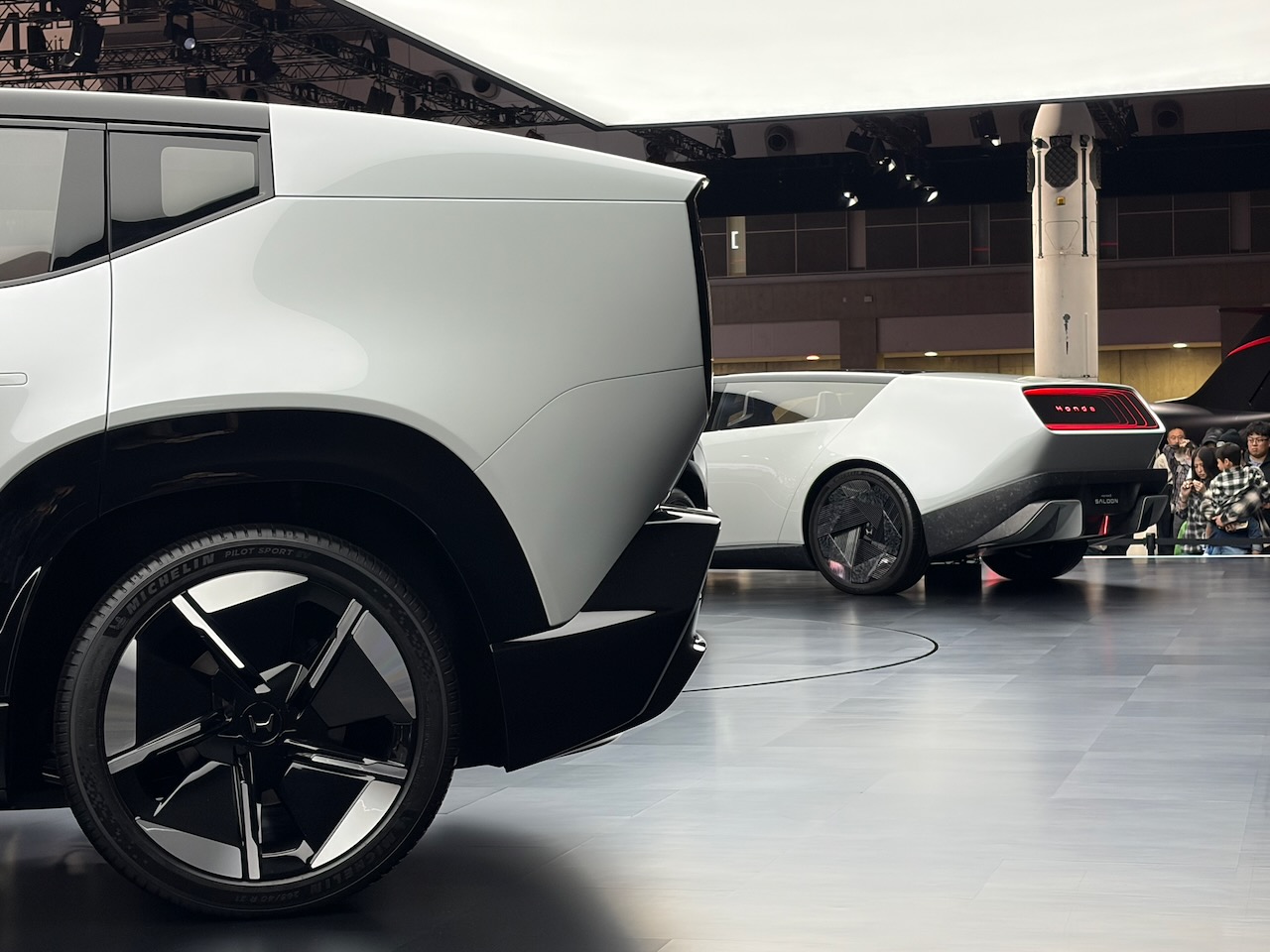
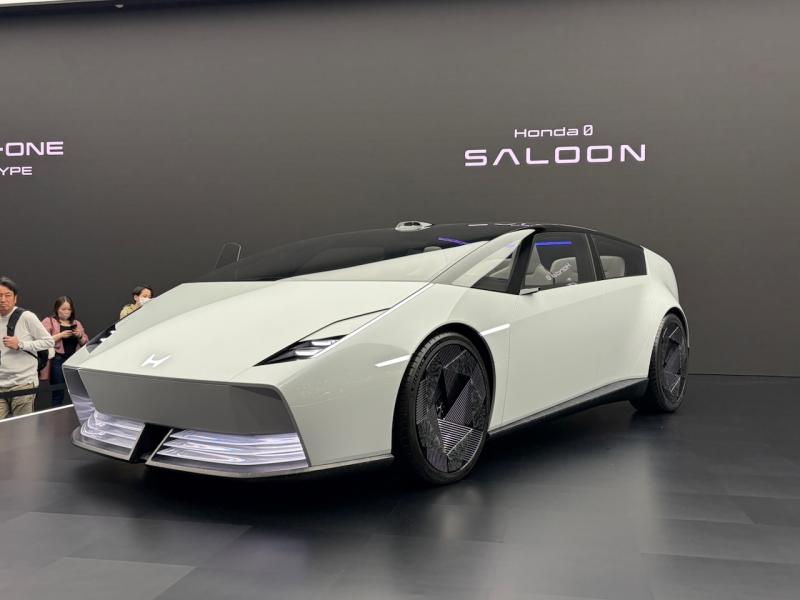
The cancellation of the Honda 0 SUV, Honda 0 Saloon, and Acura RSX EV represents one of the most dramatic reversals in automotive history. All three models were destined for Honda's Ohio EV Hub before the company pulled the plug in March 2026. The financial devastation is staggering: ¥2.5 trillion (approximately $15.8 billion) in losses for the fiscal year ending March 31, 2026.
Breaking down the financial impact reveals the depth of Honda's miscalculation. Operating expenses will hit between ¥820 billion to ¥1.12 trillion, while equity method investment losses range from ¥110 billion to ¥150 billion. Special losses add another ¥340 billion to ¥570 billion to the damage. This marks Honda's first annual loss since listing on the Tokyo Stock Exchange in 1957, forcing senior executives to take 25-30% pay cuts.
Honda's losses don't exist in isolation. The automaker joins a $67 billion industry-wide EV retreat that includes Ford's $19.5 billion writedown, GM's $7.6 billion loss, and Stellantis' €22.3 billion ($26.3 billion) pullback. The timeline from triumph to disaster was remarkably short: CES 2024 saw the unveiling of these ambitious EVs, only for them to be canceled by March 2026.
According to Honda's official statement, "continuing...would likely lead to further long-term losses." Several factors converged to doom these projects:
- Slowing U.S. EV demand as consumers hesitate on adoption
- Easing fossil fuel regulations under the Trump administration
- Revised EV incentives that reduced purchase appeal
- U.S. tariff policies favoring gasoline and hybrid sales
- Gutted emissions regulations and killed Auto Start/Stop mandates
- Ended federal tax credits for electric vehicles
The policy environment shifted dramatically against EVs just as Honda committed billions to production. Lost competitiveness in Asia and China from excessive resource allocation to EVs compounded the problem, as Chinese competitors moved faster with software-focused development cycles.
Sony Honda Mobility Scraps Afeela Brand Before Launch
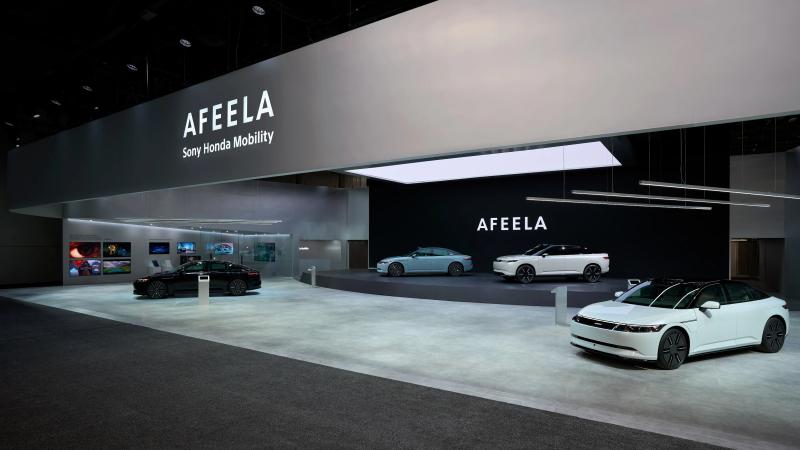
The Sony Honda Mobility joint venture, formed with such promise in 2022, collapsed spectacularly on March 25, 2026. Both the Afeela 1 sedan and planned Afeela SUV were canceled before a single customer delivery. The Afeela 1 was supposed to launch in California by end-2026, featuring PlayStation integration, Sony's premium entertainment systems, and advanced software capabilities that would rival Tesla's tech-forward approach.
The speed of both Honda and SHM's cancellation took both Sony Honda Mobility executives and the industry by surprise.
Sony Honda announced their Afeela 1 Delivery Hub in Fremont on March 5, with a private event on March 14 attended by Fremont's Mayor Raj Salwan that included Afeela 1 reservation holders.
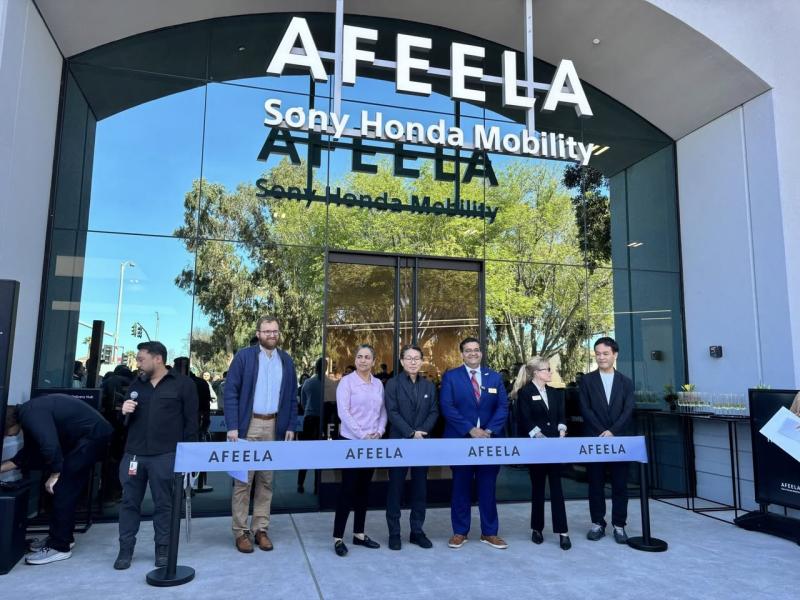
"Opening this Studio & Delivery Hub is an important step in bringing the AFEELA vision closer to our customers and the NorCal community. The Fremont location is more than a place to see a vehicle – it’s where people can experience how technology, design, and emotion come together, and where customers can begin their AFEELA 1 journey through a personalized delivery experience," said Shugo Yamaguchi, President and CEO, Sony Honda Mobility of America Inc.

Some commentators questioned the timing of the Fremont hub launch, especially because Sony Honda Mobility had only just completed trial production and was still projecting customer deliveries for later in 2026, but Honda had announced the cancellation of their EV and SDV activities on March 12. That concern was reflected in The Drive’, which noted that “the Afeela 1’s timing no doubt complicates this situation”.

Nevertheless Sony Honda then announced another delivery hub in Torrance, California on March 16, and held a similar opening party with Kosei Murota, the Consul General of Japan in Los Angeles, and Jon Chai, the Mayor of Torrance, California on March 21.
But only 4 days later on March 25, Sony Honda Mobility announced the discontinuation of development and launch of Afeela 1.
Full refunds were issued to all Afeela 1 reservation holders, a painful admission that the project had no path forward. The cancellation tied directly to Honda's halt of its underlying EV platform, technology, and production assets. Without access to Honda's Ohio production facilities and EV architecture, Sony Honda Mobility had nothing to build upon.
The trajectory from concept to cancellation tells a cautionary tale. CES 2020 showcased early concepts, leading to the 2022 joint venture formation between two Japanese giants. Production plans solidified in 2024 with California deliveries scheduled for late 2026. Then everything imploded in March 2026 as Honda's EV strategy collapsed.
Sony's track record in consumer electronics offers mixed lessons. The Walkman and CD player became global phenomena, but MiniDisc and Betamax failed despite technical superiority. Afeela's high-tech positioning couldn't overcome the brutal reality of EV market slowdown and escalating cost pressures. As Hypebeast reported, the cancellation caught reservation holders off guard, many of whom had waited years for the PlayStation-integrated driving experience.
Will Sony Honda Mobility Survive?
Sony Honda Mobility's future hangs by a thread. Official statements indicate "ongoing discussions on future business direction" and joint venture reevaluation, but the stark reality is there's no viable path forward without Honda's EV technology and production platform. The partnership was built entirely on Honda's ASIMO OS and automotive infrastructure, which no longer exists for electric vehicles.
Honda's $15.8 billion loss deepens the financial strain on any continuation plans. Both companies face a fundamental question: Can this partnership serve any purpose beyond its original EV mission? The joint statement emphasized the need to "reevaluate Sony Honda Mobility," language that suggests dissolution is a real possibility.
Examining the pros and cons reveals a difficult calculation. On the positive side, Sony's entertainment and technology strengths remain world-class, while Honda's manufacturing expertise is proven. However, the cons are overwhelming: complete EV market retreat, no underlying platform to build upon, and the broader challenge legacy automakers face against nimble Chinese EV makers who iterate faster and prioritize software.
Honda CEO Toshihiro Mibe will announce a new business plan in May 2026, which should clarify the partnership's fate. Potential pivots might include non-EV technology licensing or entertainment-focused mobility solutions that don't require vehicle production. Perhaps Sony's infotainment systems could be licensed to other automakers, or the partnership could focus on autonomous vehicle software without the burden of manufacturing.
The odds of survival in its current form appear slim. Without a radical reimagining of the partnership's purpose, Sony Honda Mobility seems destined to join the long list of ambitious automotive ventures that promised revolution but delivered disappointment.
Honda's Software-Defined Vehicle Strategy Takes a Major Hit
Honda publicly admitted its lag in software-defined vehicles (SDV) and advanced driver-assistance systems (ADAS) compared to Chinese competitors. This confession is particularly damaging because SDV represents the future of automotive development—vehicles defined by updatable, over-the-air software capabilities rather than fixed hardware configurations at manufacture.
Chinese automakers excel with dramatically faster development cycles. They prioritize software features and user experience over traditional hardware advantages like fuel efficiency and cabin space optimization. According to TechCrunch, this shift in value proposition leaves Honda struggling to compete on the metrics that increasingly matter to customers.
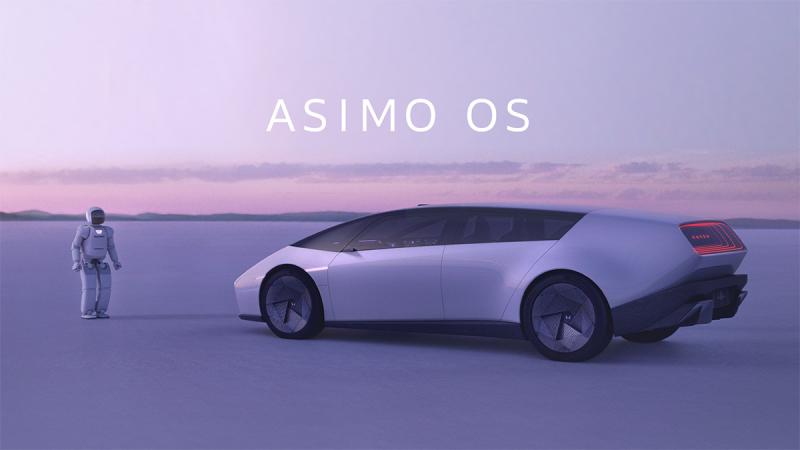
The future of Asimo OS, Honda's in-house automotive OS platform for SDVs including the Series 0 and Afeela, now looks bleak.
The resource reallocation from EVs to hybrids may further delay Honda's SDV catch-up. Money and engineering talent that could advance software capabilities will instead go to optimizing hybrid powertrains. Honda risks "falling farther behind" in the industry's shift to electric drivetrains integrated with sophisticated software systems.
Honda's profitability decline stems directly from the EV resource drain. Billions poured into electric vehicle development yielded no marketable products, while Chinese competitors shipped multiple generations of software-rich EVs. The canceled projects included advanced ADAS features, over-the-air update infrastructure, and integrated entertainment systems that would have established Honda's SDV credibility.
Some long-term considerations offer faint hope. Honda built electric sports car prototypes and considers EVs priced under $30,000 as potential future offerings. The company's 2050 carbon neutrality goal remains official policy, though the pathway is now flexible rather than fixed. Development timelines will stretch significantly compared to Chinese automakers who can iterate in months rather than years.
Connected Car and IoT Ecosystem Disruption
Honda's EV retreat potentially disrupts the entire connected car IoT infrastructure that was supposed to evolve alongside electric vehicle platforms. Modern EVs serve as rolling data centers with constant connectivity, sensor networks, and cloud integration. Canceling the vehicle platforms means canceling the ecosystem built around them.
Several of Honda's critical connected ecosystem elements may be impacted:
- Over-the-air software updates that enable continuous vehicle improvement
- ADAS sensor networks for autonomous driving features
- Sony entertainment integration including PlayStation connectivity
- Advanced telematics for vehicle health monitoring and predictive maintenance
- Vehicle-to-infrastructure communication systems
While Softbank, Honda's main IoT solution partner, wasn't directly mentioned in cancellation announcements, the broader IoT ecosystem partnership implications could be significant. Honda's competitiveness in the US and Asia depended partly on next-generation connected vehicle services, including Sony solutions, and that advantage is now in question. The hybrid pivot may reprioritize legacy systems over next-generation IoT capabilities, leaving partners wondering about their investments.
Industry context matters here. The EV and SDV shift demanded advanced IoT integration across the board. Honda's pullback echoes the $67 billion sector-wide writedowns where automakers are reconsidering connected vehicle investments. Similar retreats by GM and Ford are disrupting entire supplier and partner networks that bet on rapid EV adoption.