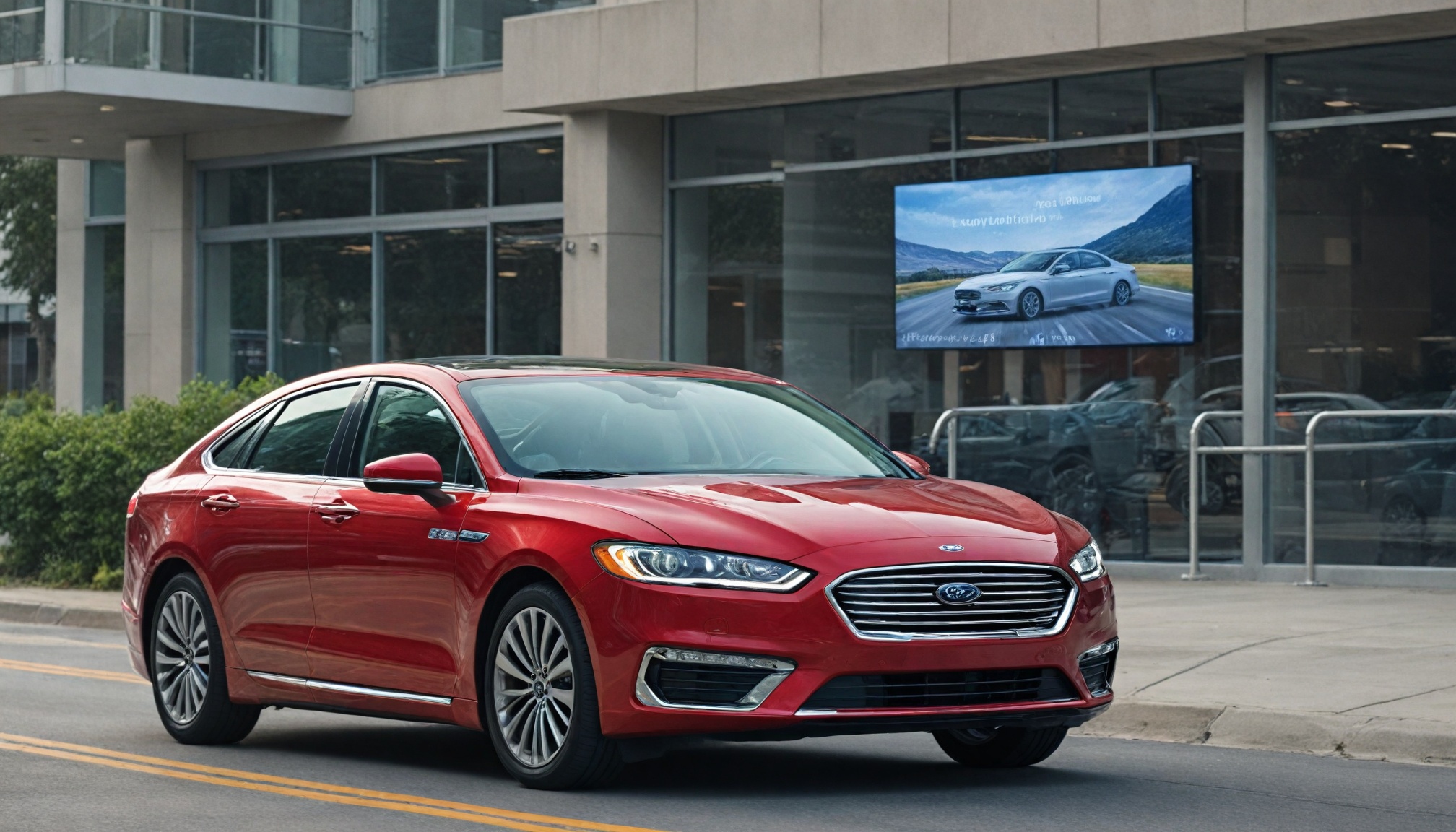
Ford recalls 1.1 million vehicles due to backup camera software glitch, highlighting growing concerns about digital safety in modern cars as software complexity increases.

Drivetech Partners
Ford's massive recall of more than one million vehicles due to software issues with rearview cameras represents a significant shift in automotive safety concerns. As modern cars increasingly rely on software for essential safety functions, this recall highlights how digital glitches can create substantial risks and brings sharp focus to quality control challenges facing automakers in an era of rapidly evolving vehicle technology.
Key Takeaways
- Nearly 1.1 million Ford and Lincoln vehicles are being recalled due to a software glitch affecting backup cameras
- The defect can cause backup camera feeds to freeze, delay, or disappear entirely when vehicles are in reverse
- Affected vehicles span popular trucks, SUVs, and electric models from 2021-2025 model years
- The issue stems from problems with the Accessory Protocol Interface Module (APIM) software
- This recall highlights the growing complexity of automotive software and the increasing importance of rigorous quality assurance
Recall Details: Scope and Timeline
The recall affects a total of 1,075,299 vehicles spanning model years 2021-2025. This comprehensive action targets a wide range of Ford and Lincoln models including popular trucks like the F-150, SUVs such as the Bronco and Expedition, and even electric vehicles like the Mach-E.
Specifically, the affected Ford models include the Bronco (2021-2024), Edge (2021-2024), Escape (2023-2024), F-150 (2021-2024), F-series trucks (F-250 through F-600, 2023-2024), Expedition (2022-2024), Transit (2022-2025), Mach-E (2021-2023), Ranger (2024), and Mustang (2024). On the Lincoln side, the recall includes the Nautilus (2021-2023), Navigator (2022-2024), and Corsair (2023-2024).
Ford's response plan includes free software updates that will be available through two channels: dealership visits or over-the-air (OTA) updates for compatible vehicles. The company has begun sending interim notification letters to owners starting June 16, 2025, with a second notification to follow when the OTA update becomes available in the third quarter of 2025. The recall is referenced under number 25S49.
Understanding the Technical Issue
The core problem lies with the Accessory Protocol Interface Module (APIM) software, which controls the vehicle's infotainment system and, crucially, the rearview camera display. When affected vehicles are shifted into reverse, the backup camera feed may freeze, experience delays, or simply not appear on the screen at all.
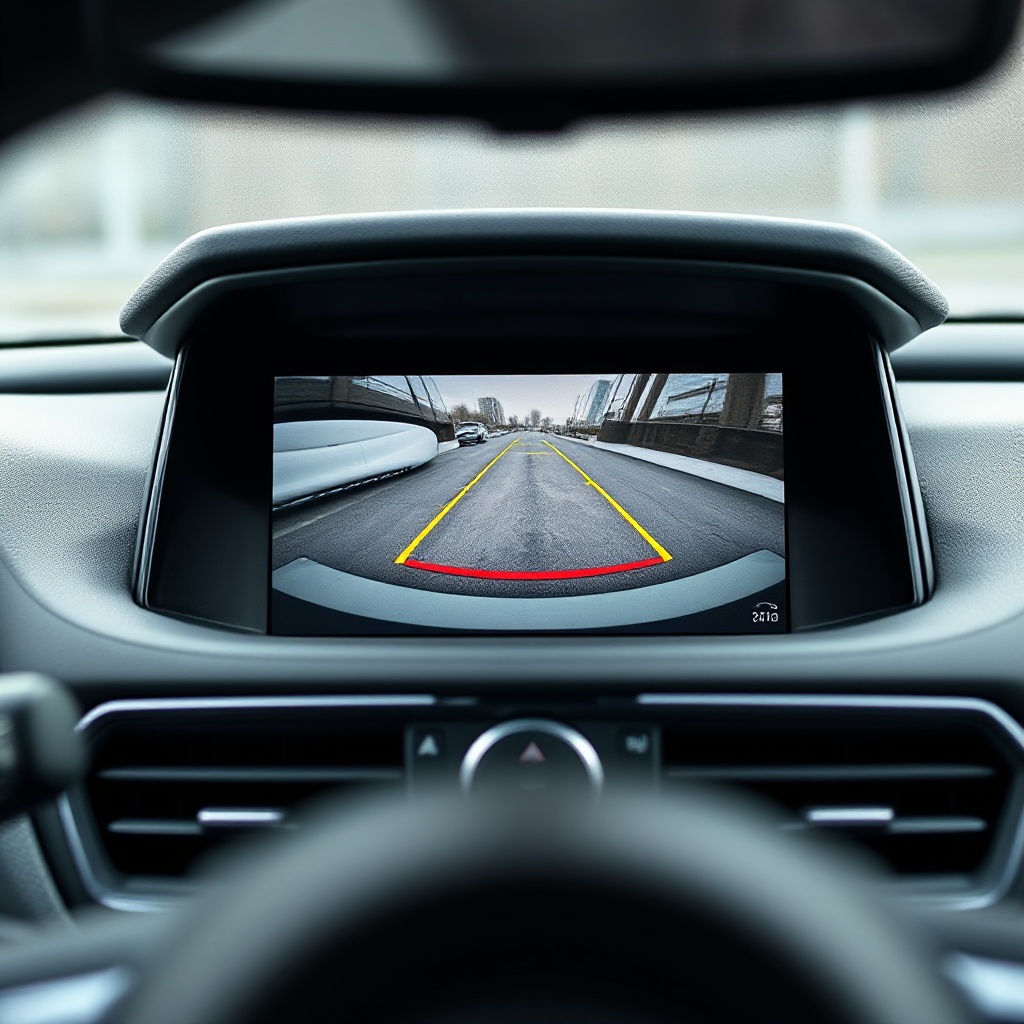
Unlike a previous recall from earlier in 2025 that affected about 161,000 vehicles due to loose camera connectors, this issue is entirely software-based. This distinction highlights an important shift in automotive recalls—from primarily mechanical or hardware problems to digital and software-related issues.
The malfunction is particularly concerning because backup cameras are no longer luxury features but federally mandated safety equipment. Since 2018, all new vehicles sold in the United States must be equipped with rearview cameras. When this critical safety feature becomes unreliable, it increases the risk of accidents, especially in situations where visibility is already limited.
The Growing Complexity of Automotive Software
Modern vehicles are increasingly defined by their software capabilities. Today's cars contain tens of millions of lines of code controlling everything from engine performance and emissions to safety systems and infotainment features. This digital transformation has fundamentally changed how vehicles function and the types of problems they can experience.
According to the 2025 State of Automotive Software Development Report, 29% of industry respondents identified software quality as their top concern—an increase from previous years. This growing anxiety reflects the reality that automotive software has become a complex ecosystem comprising in-house code, third-party applications, and open-source elements.
Several factors contribute to the challenges of maintaining software quality in vehicles:
- Rapidly increasing codebase size
- Integration of multiple software systems from different suppliers
- Accelerated development cycles to meet market demands
- Limited standardization across the industry
- Communication gaps between hardware and software teams
These challenges create an environment where software-related recalls may become increasingly common unless automakers adopt more rigorous quality assurance practices.
Quality Assurance Challenges for Automakers
For automakers, ensuring software quality presents a unique set of obstacles that differ significantly from traditional mechanical quality control. Time-to-market pressures often limit the possibility for exhaustive testing, while talent shortages in specialized software and cybersecurity roles affect the industry's ability to implement robust quality control measures.
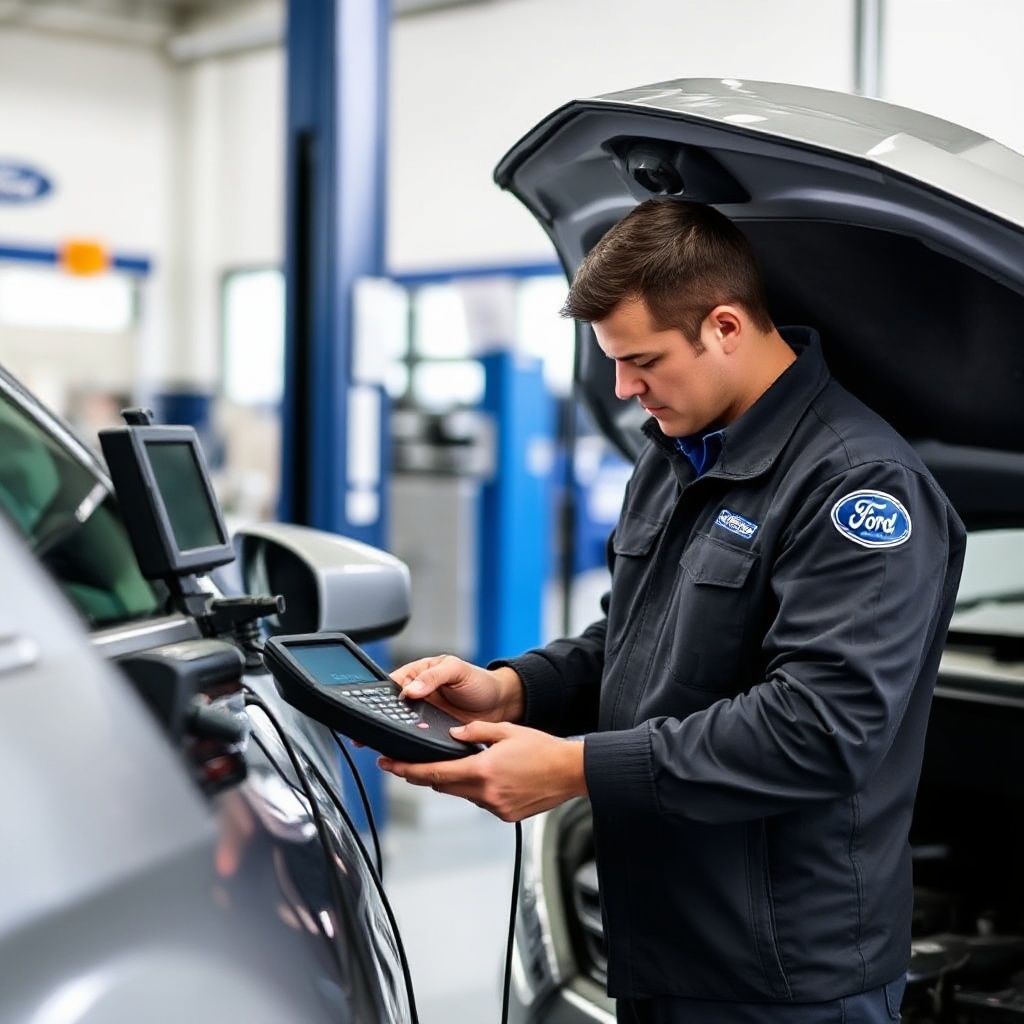
Industry reports consistently highlight inadequate resource allocation for testing as a primary concern. For safety-critical functions like backup cameras, formal verification and real-time monitoring are essential yet often underutilized practices. The complexity of the automotive supply chain further complicates matters, as vulnerabilities can be introduced at multiple points.
Testing coverage, managing codebase complexity, and enforcing best practices across different teams and suppliers remain major challenges according to industry reports. These issues are amplified by the need to test software not just in isolation but as part of an integrated system within vehicles that may have hundreds of electronic control units working together.
Regulatory Framework and Manufacturer Responsibilities
The National Highway Traffic Safety Administration (NHTSA) requires prompt reporting of safety-related defects and implementation of corrective actions. In recent years, there has been increased regulatory emphasis on the testing and validation of automotive software, especially as over-the-air updates become more common.
For affected owners, Ford has provided multiple contact options. Customers can reach Ford's customer service at 1-866-436-7332, contact the NHTSA vehicle safety hotline, or visit nhtsa.gov for additional information about the recall.
Manufacturers must carefully balance innovation with safety standards. While this recall demonstrates that the accountability system is functioning despite increasing technical complexity, it also raises questions about how prepared automakers and regulators are for a future where software plays an even more central role in vehicle operations.
Industry Response and Emerging Best Practices
In response to growing software-related challenges, automakers are adopting advanced testing methodologies including mutation testing and model checking for critical functions. These approaches help identify potential failures that might be missed by conventional testing methods.
Cross-departmental collaboration is becoming essential to improve communication between hardware and software teams, while continuous improvement in change management helps maintain quality throughout the development process. Many manufacturers are also enhancing developer training and implementing standardized best practices across their organizations.
Other key improvements being implemented across the industry include:
- More robust OTA update delivery systems with thorough pre-release testing
- Stronger supply chain cybersecurity, including more rigorous supplier vetting
- Greater transparency through software bill of materials documentation
- Enhanced simulation and virtual testing environments
These measures aim to reduce the likelihood of software-related recalls while also creating more efficient paths to resolution when issues do arise.

The Road Ahead: Balancing Innovation with Safety
As vehicles become increasingly software-defined, both proactive and reactive safety measures must evolve to keep pace. The future of automotive safety will depend on collaboration between automakers, regulators, and cybersecurity firms to address emerging risks before they lead to recalls or, worse, accidents.
Consumer safety in this new era relies on the parallel advancement of technology, software quality practices, and security measures. Future recalls will likely increasingly rely on OTA updates for faster resolution, potentially reducing the inconvenience to consumers while still addressing critical safety issues.
This Ford recall serves as both a warning and a case study in how the industry is adapting to a software-dominant automotive landscape. It demonstrates the challenges inherent in managing complex software systems in vehicles, while also showcasing the response mechanisms that can be deployed when problems are detected.
For consumers, this situation underscores the importance of responding promptly to recall notices and keeping vehicle software updated—practices that will only become more critical as vehicles continue their digital evolution.
Sources
Car and Driver - Ford Recalls More Than 1 Million Vehicles with Backup Camera Issue
CBS News - Ford recalls more than 1 million vehicles over rearview camera glitch
CNET - Ford Issues Major Recall of 1.1 Million Vehicles Due to Rearview Camera Glitch
Perforce Software - 2025 State of Automotive Software Development Report