Modern vehicles shift from investments to disposable products with sealed components, proprietary software, and repair barriers designed to force replacement after warranties expire.

Drivetech Partners
Modern vehicles have rapidly shifted from long-term investments to disposable consumer products, with manufacturers deliberately designing cars that become obsolete shortly after warranty periods expire. This transformation is fueled by a strategic industry-wide move toward non-serviceable components, proprietary software systems, and complex electronics that are increasingly difficult or impossible to repair affordably.
Key Takeaways
- Vehicle ownership costs have ballooned to $12,182 annually, with approximately 3,000 parts per car model becoming obsolete each year
- Modern cars feature sealed non-serviceable components with replacement costs reaching up to $3,000 for basic infotainment screens
- Manufacturers increasingly prioritize new vehicle production over parts availability for existing cars, leaving damaged vehicles idle for months
- Proprietary software and integrated systems create "bricking" vulnerability when minor faults occur or manufacturer support ends
- This planned obsolescence trend undermines the second-hand market while increasing environmental waste despite 95% of vehicle components being potentially recyclable

The Modern Vehicle Life Cycle: From Investment to Disposable Commodity
The automobile has undergone a dramatic transformation over the past few decades. What was once considered a durable long-term investment has increasingly become a disposable product with a deliberately shortened lifespan. This shift didn't happen by accident – it's the result of calculated business strategies employed by automakers focused on maximizing profits through frequent vehicle replacements rather than building cars that last.
The impact on consumers has been substantial. Vehicle owners now face higher costs, fewer repair options, and the frustration of watching relatively new cars become prematurely obsolete. The culprits behind this transformation are clear: non-serviceable parts that can't be repaired individually, proprietary software that locks out independent mechanics, and increasingly complex electronics that fail just after warranties expire.
The Economics of Automotive Obsolescence
The financial burden of automotive ownership has reached alarming levels. Vehicle ownership costs now average $12,182 annually, encompassing maintenance, insurance, depreciation and repairs. This figure represents a significant portion of the average household budget and continues to climb as vehicles become more technologically complex.
Adding to this financial strain, approximately 3,000 parts per car model become obsolete each year. This rapid turnover makes maintaining older vehicles increasingly difficult and expensive. Hybrid vehicles compound this problem, with repair costs running about 20% higher than conventional gasoline vehicles despite their supposedly advanced technology.
When examining lifetime costs, drivers spend roughly $0.09 per mile on maintenance. Over a vehicle's lifespan, this translates to approximately $9,200 for traditional vehicles compared to $4,600 for EVs over 200,000 miles. While EVs show promise for lower maintenance expenses, they face their own obsolescence challenges as battery technology and software systems evolve rapidly.
Engineered to Fail: Non-Serviceable Components
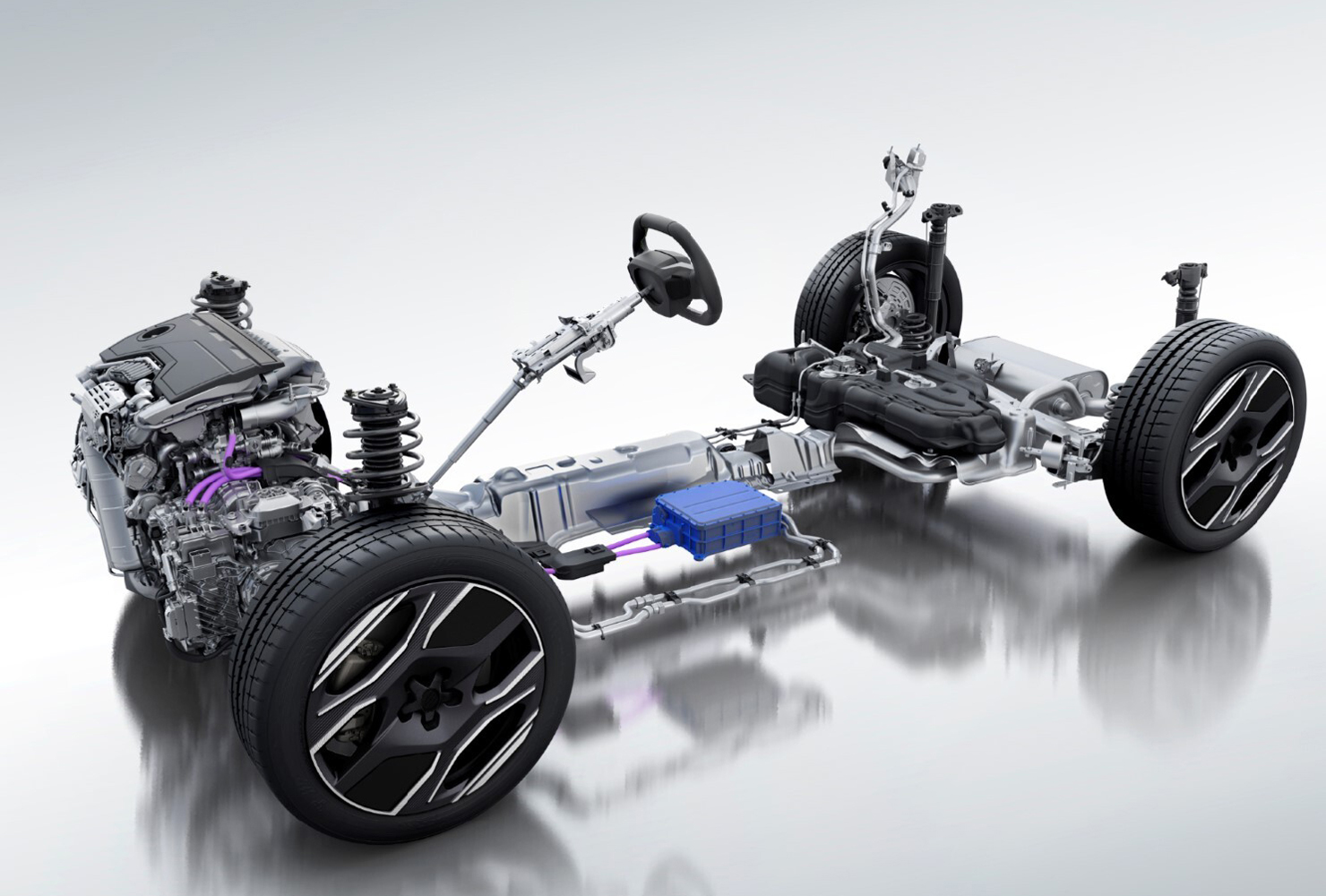
Modern vehicles now incorporate an unprecedented number of sealed, non-serviceable parts designed to be replaced rather than repaired. This shift represents a fundamental departure from earlier automotive design philosophies that prioritized serviceability and repairability.
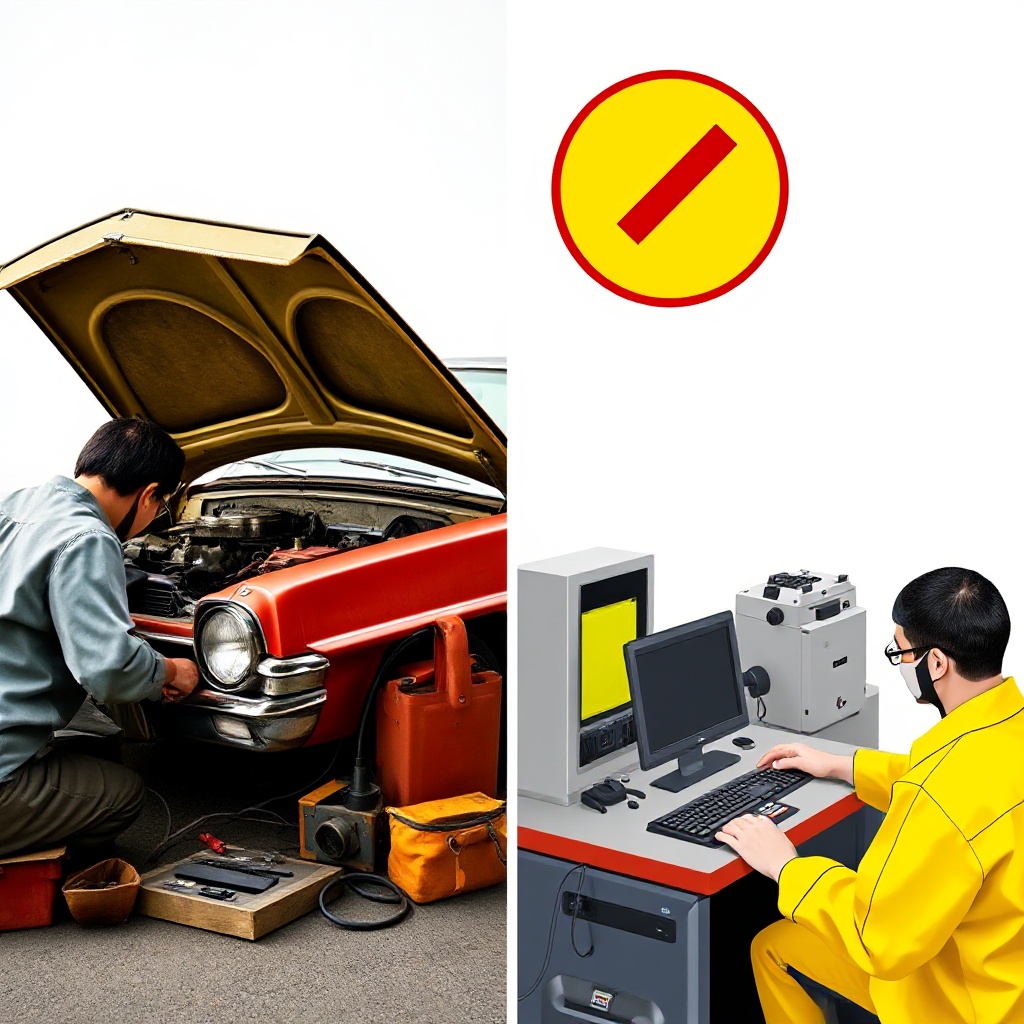
The financial consequences of this approach are substantial. Infotainment screens, now standard in most vehicles, can cost up to $3,000 to replace in even modestly equipped models. Batteries, control modules, and numerous electronic components are increasingly designed as sealed proprietary units that cannot be serviced individually.
This trend doesn't just affect DIY mechanics. Independent repair shops often find themselves locked out of servicing newer vehicles due to manufacturer restrictions on access to vehicle data and specialized repair tools. These barriers artificially drive repair traffic to dealerships, where service costs are typically much higher, creating a captive market for manufacturer-authorized repairs.
Software Dependency and Digital Obsolescence
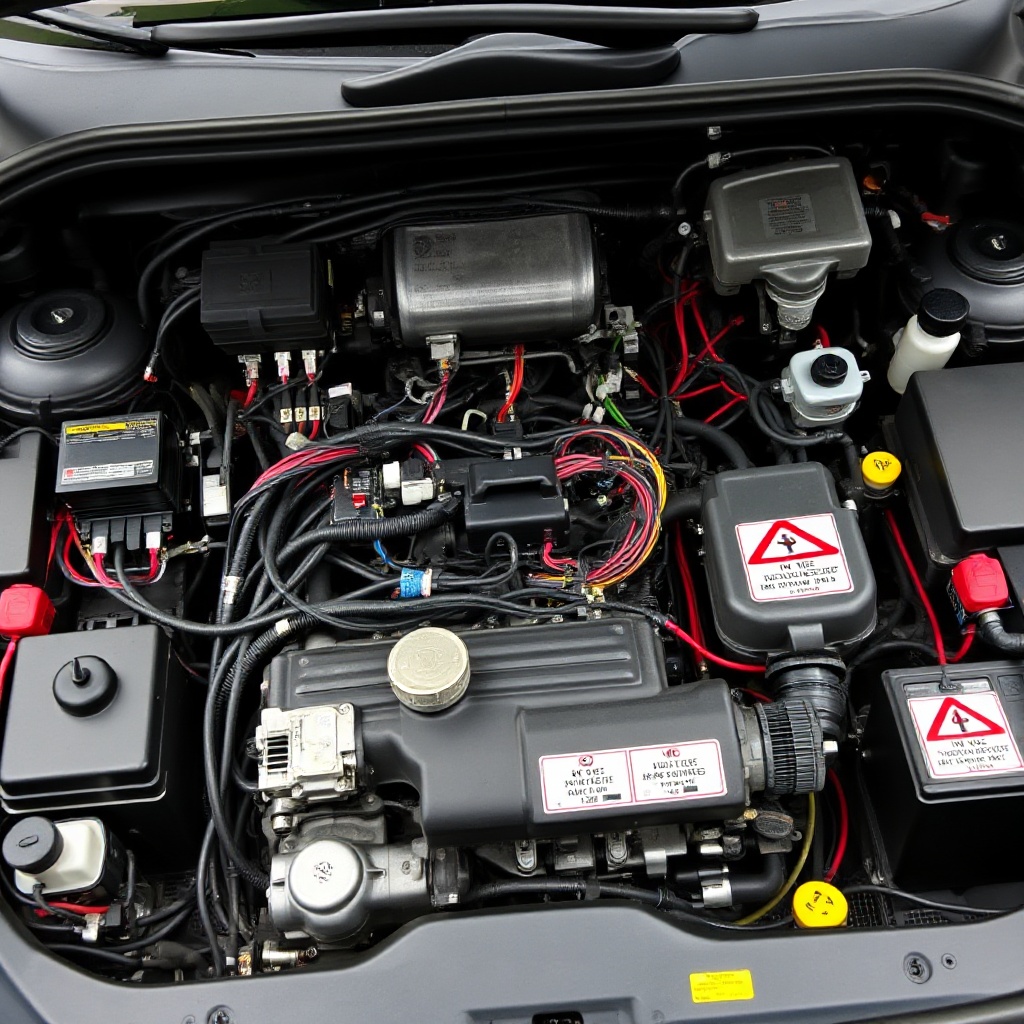
Perhaps the most concerning development in modern vehicles is their extreme dependence on proprietary software. These integrated technology systems can render entire cars useless when relatively minor faults occur. What might have been a simple fix in older vehicles now requires specialized diagnostic equipment and software access that many independent shops don't have.
Even basic maintenance tasks like oil changes increasingly require interaction with vehicle software systems. This technological complexity serves as an engineered barrier deliberately designed to prevent DIY repairs and force consumers into authorized service centers.
The risk of "bricking" – where a vehicle becomes completely inoperable due to software issues – presents a particularly troubling vulnerability. As manufacturers regularly update software and eventually end support for older systems, cars can become functionally obsolete despite being mechanically sound. This issue is especially acute with new electric vehicles being released with rapidly evolving technology and little long-term support planning.
Supply Chain Priorities: New Cars Over Repairs
A particularly frustrating aspect of modern vehicle ownership emerges when cars need repairs: damaged vehicles frequently sit idle for months waiting for replacement parts. This isn't simply a supply chain issue but a matter of deliberate prioritization – manufacturers allocate available parts to new car production while repair parts take a distant second priority.

The consequences of this practice are severe. A growing backlog of vehicles sits in repair shops or driveways, unusable while awaiting parts. For owners, this translates into extended periods without transportation, additional costs for rental vehicles, and significant financial strain – all while continuing to make payments on cars they cannot use.
This growing trend undermines the second-hand car market and overall vehicle longevity. When parts availability becomes uncertain, the value proposition of used vehicles deteriorates, pushing consumers toward new purchases rather than maintaining existing vehicles – exactly the outcome manufacturers desire.
The Environmental Cost of Disposable Vehicles
While the industry often touts advancements in emissions technology, the environmental impact of shortened vehicle lifespans receives far less attention. Premature vehicle replacement creates substantial waste, even though up to 95% of a car's materials are potentially recyclable.
Planned obsolescence fundamentally undermines circular economy principles by designing products with intentionally limited usefulness. Each new vehicle requires significant resource extraction, manufacturing energy, and creates pollution – burdens that could be mitigated through longer vehicle lifespans and better repair options.
The environmental costs accumulate quickly as production and disposal rates increase. Higher manufacturing volumes contribute to larger carbon footprints across the industry, despite marketing claims about sustainability. As more vehicles get scrapped before reaching their potential functional lifespan, the disconnect between automakers' environmental messaging and actual practice becomes increasingly apparent.
Consumer Concerns: Trapped in the Replacement Cycle
Car owners increasingly find themselves caught in an uncomfortable position between paying for costly repairs or replacing vehicles more frequently than their budgets allow. This dilemma intensifies as software restrictions and anticompetitive practices systematically limit consumer options for maintaining their vehicles.
The increasing complexity of modern vehicles makes informed purchasing decisions more difficult. Consumers struggle to evaluate not just initial purchase prices but long-term costs, repair accessibility, and expected lifespan – factors that manufacturers rarely highlight in marketing materials.
Even relatively new vehicles quickly become unsupported as newer models emerge with updated technology. This rapid obsolescence cycle accelerates with regulatory changes like Low Emission Zones that can render functional older vehicles unusable in certain areas, forcing additional replacements regardless of mechanical condition.
The Future of Vehicle Ownership
The traditional model of vehicle ownership faces significant challenges as planned obsolescence strategies intensify. The industry appears to be driving toward a subscription-based future where consumers lease or subscribe to vehicles rather than owning them outright – effectively masking the diminishing longevity of cars while ensuring steady revenue streams for manufacturers.
Right-to-repair legislation offers potential relief from some restrictive practices, though manufacturers consistently lobby against such consumer protections. These regulatory battles will likely intensify as the gap between vehicle costs and usable lifespan continues to widen.
The market may eventually bifurcate between high-end, regularly replaced vehicles with cutting-edge technology and simpler, more repairable options designed for longer-term ownership. Though currently underserved, growing demand for serviceable, long-lasting vehicles could create significant market opportunities for manufacturers willing to prioritize durability over planned replacement cycles.
As consumers become more aware of these issues, their purchasing decisions and advocacy may help shape more sustainable approaches to vehicle design and lifecycle management. Until then, potential buyers should carefully consider the true cost of ownership, including repairability and expected lifespan, before committing to vehicles designed with obsolescence as a core feature rather than a bug.
Sources:
torquenews.com - Disposable Cars Designed to Fail by 60000 Miles in 2025 Says Expert
carbuzz.com - Modern Cars Are On A Path Of Rapid Obsolescence
halteobsolescence.org - Vehicles Obsolescence: Disposable Cars?
carrepairchoice.org - Automakers' Planned Obsolescence Raises Costs for Consumers, Increases Waste, and Reduces Competition
greencarreports.com - Plug-in hybrids and EVs cost less to maintain and repair, finds Consumer Reports