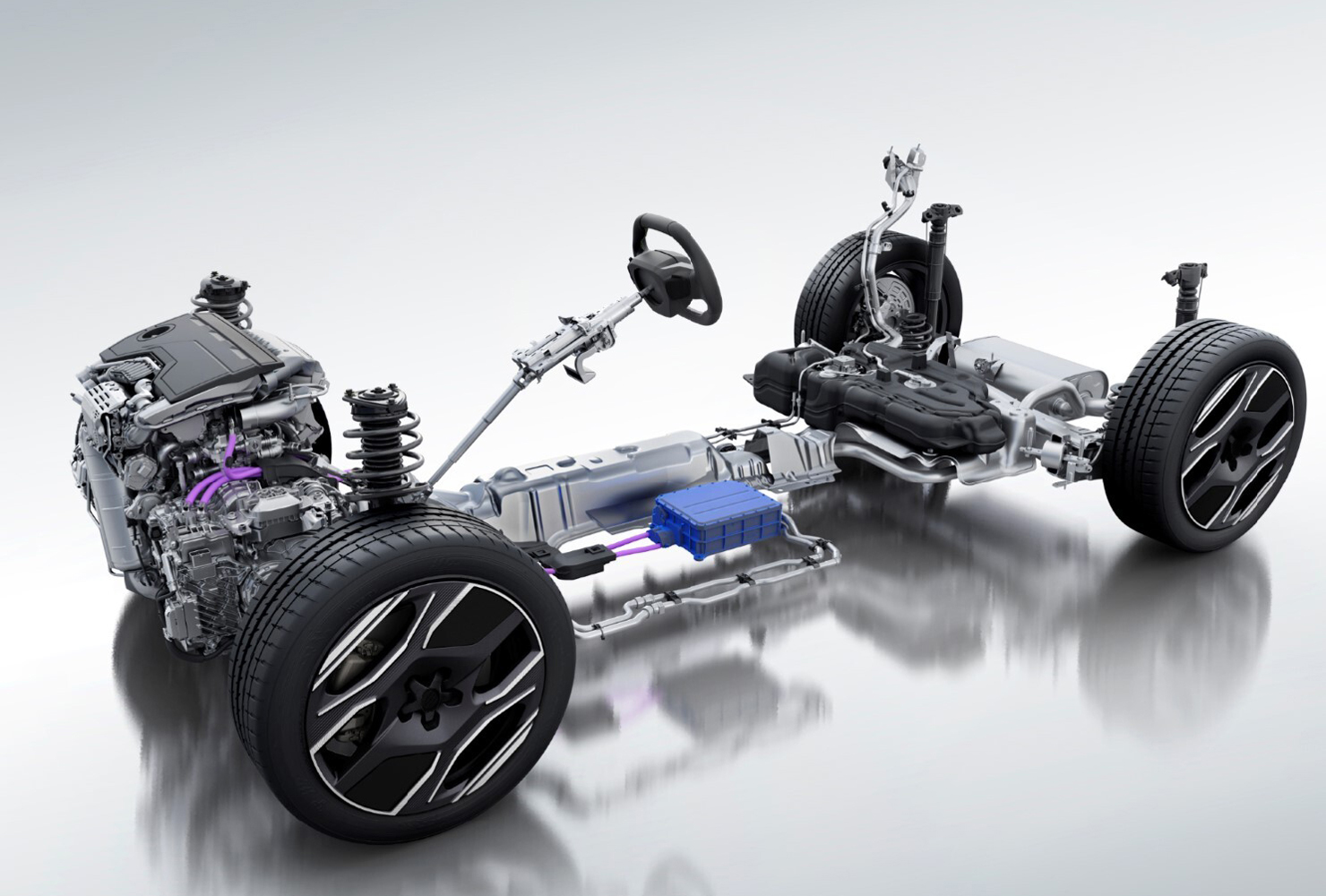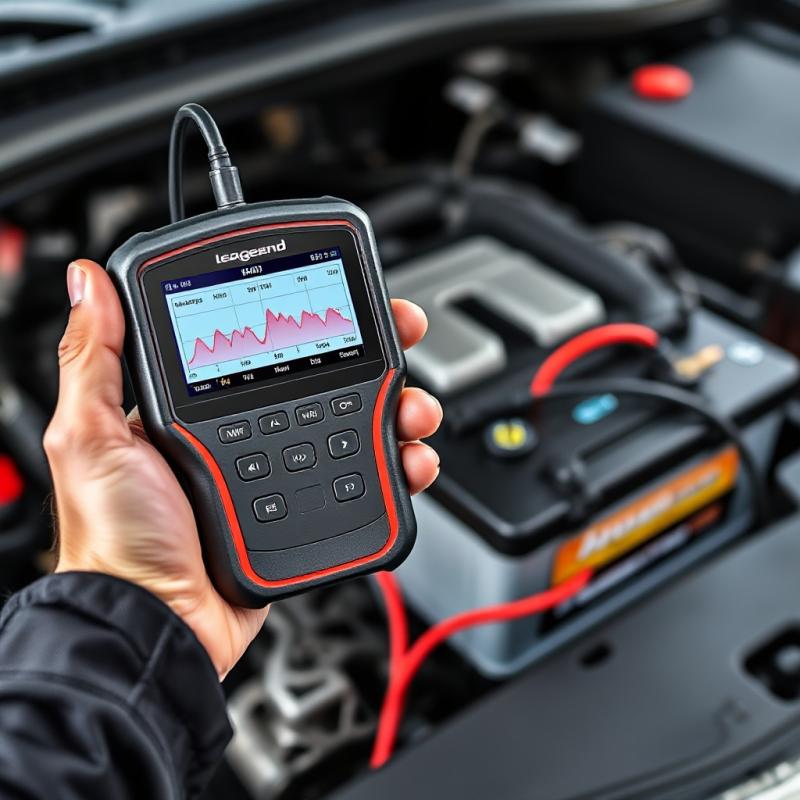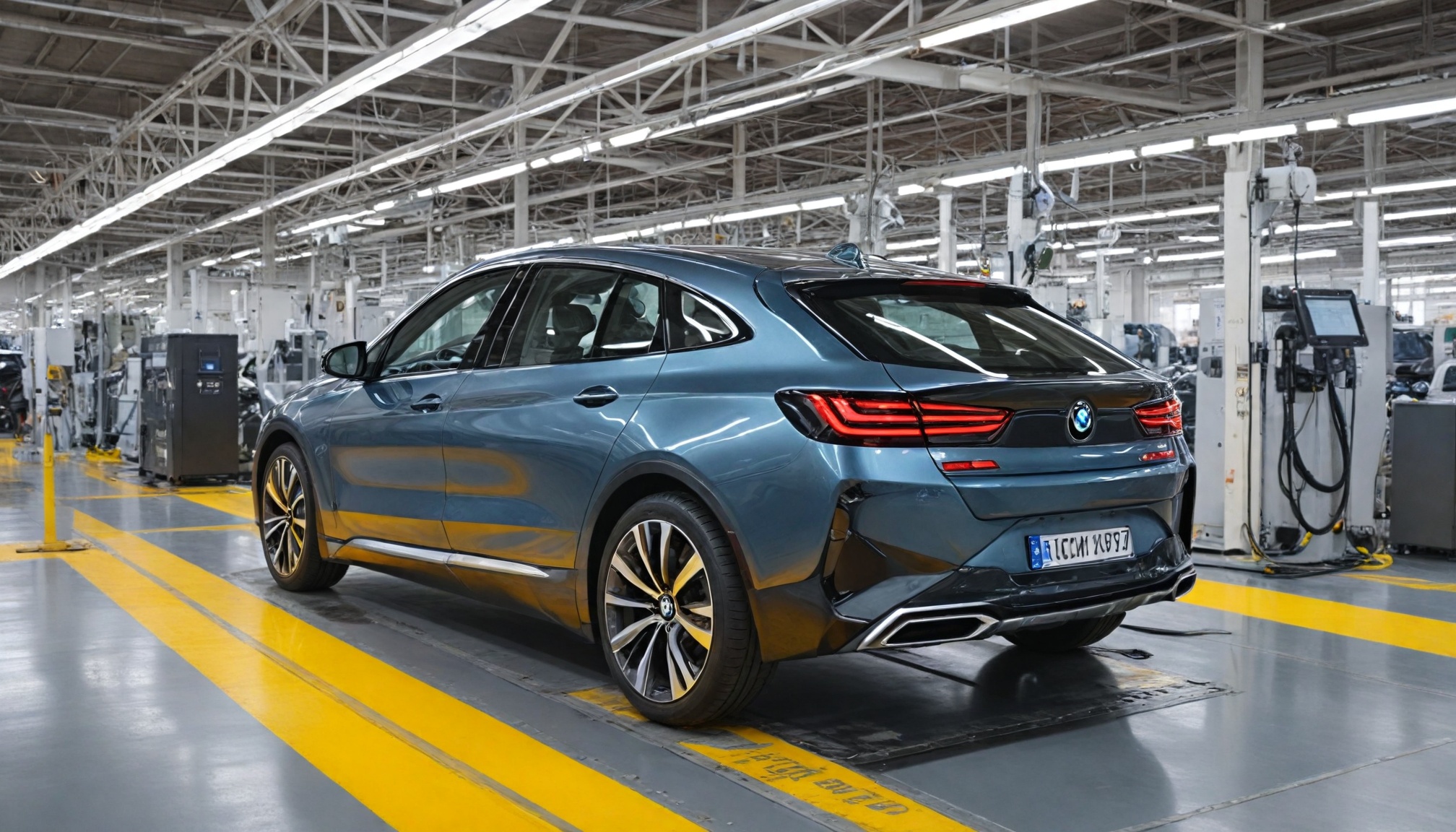
BMW's dual EV recalls highlight critical challenges: hardware precision and software reliability both causing sudden power loss, underscoring unique risks in complex electric vehicles.

Drivetech Partners
BMW's recent dual recalls have exposed critical vulnerabilities in their electric vehicle lineup, revealing how seemingly separate engineering domains - hardware assembly precision and software reliability - can lead to identical dangerous failures. The simultaneous recalls of select i4, i7, and iX models spotlight an industry-wide challenge: as EVs become increasingly complex and software-dependent, automakers must master both precise physical manufacturing and flawless code validation to ensure vehicle safety.
Key Takeaways
- BMW's software recall affected over 70,000 electric vehicles that could suddenly lose power while driving due to a code flaw
- A separate hardware recall addressed battery module assembly errors in 136 vehicles where excessive manufacturing force created potential failure points
- Both defects result in the same dangerous outcome: sudden loss of drive power with minimal warning to drivers
- Modern EVs face unprecedented challenges where physical components and software are deeply interconnected, multiplying potential failure points
- The automotive industry must develop new quality control standards that address both hardware precision and software validation with equal rigor

BMW's Software Recall Affects Over 70,000 Electric Vehicles
BMW recently discovered a major software defect in its electric drive motor system affecting 70,852 vehicles spanning multiple models from 2022-2025. The recall includes 35,414 i4 sedans, 25,280 iX SUVs, 5,484 i7 luxury sedans, and 4,674 i5 models - representing a significant portion of BMW's EV fleet in North America.
The software bug triggers an erroneous "double-isolation condition" causing the system to falsely detect a critical fault in the high-voltage electrical system. When this occurs, affected vehicles can experience a complete shutdown of electric motors while driving, with drivers receiving just 15-20 seconds of warning before power loss.
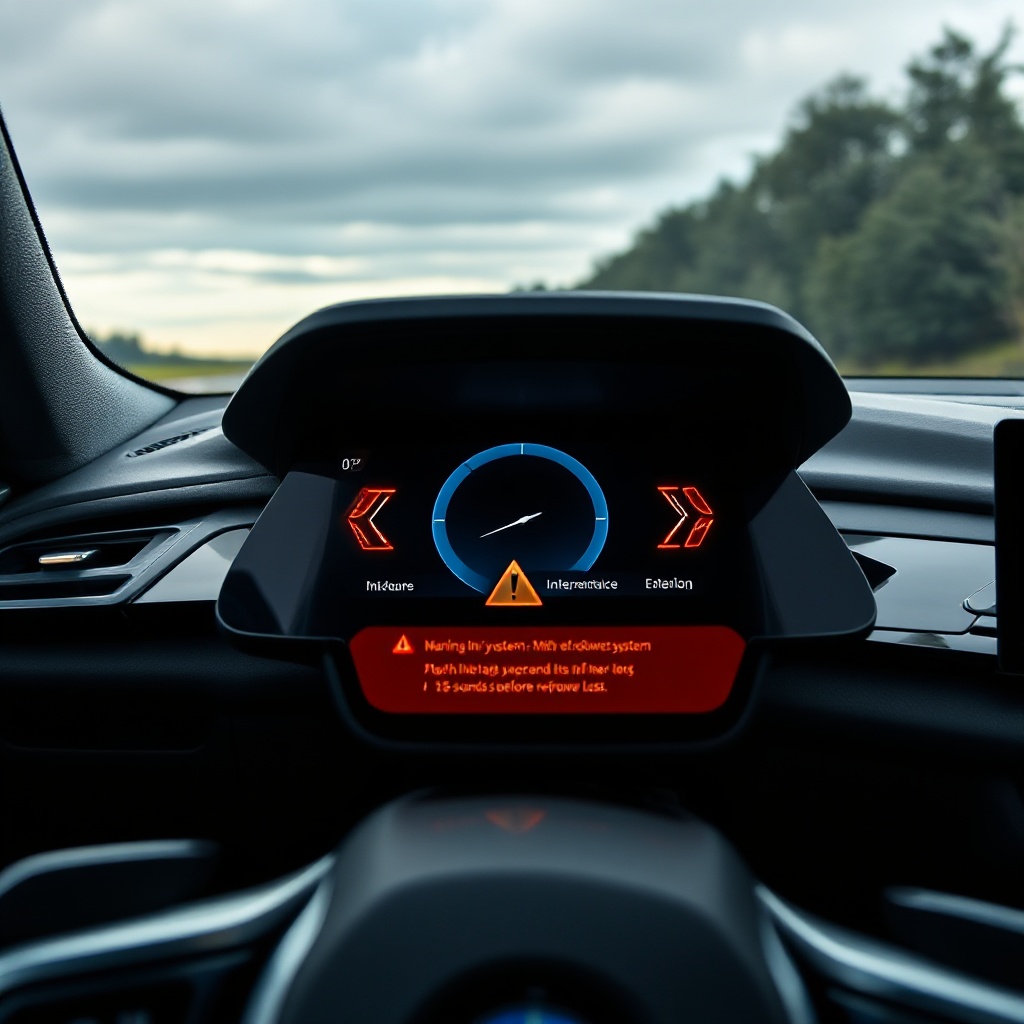
BMW has recorded 43 warranty claims related to this issue but reports no accidents or injuries to date. The company is addressing the problem through free over-the-air updates or dealership service for affected vehicles. This approach highlights both the advantage and potential risks of software-defined vehicles - while fixes can be deployed remotely, complex code can introduce unpredictable failure modes.
The Hardware Problem: High-Voltage Battery Manufacturing Defects
In a separate but equally concerning recall, BMW identified battery module assembly errors affecting 136 electric vehicles across its 2022-2025 i4, 2023-2024 i7, and 2022-2025 iX models. The majority of affected vehicles are iX SUVs produced between November 2021 and February 2024.
The root cause involves excessive force applied during manufacturing, creating mechanical stress on battery cell module frames. This stress can potentially lead to frame failure, causing the high-voltage system to shut down and resulting in sudden power loss while driving. In rare instances, these defects could even increase the risk of thermal events - automotive terminology for battery fires.
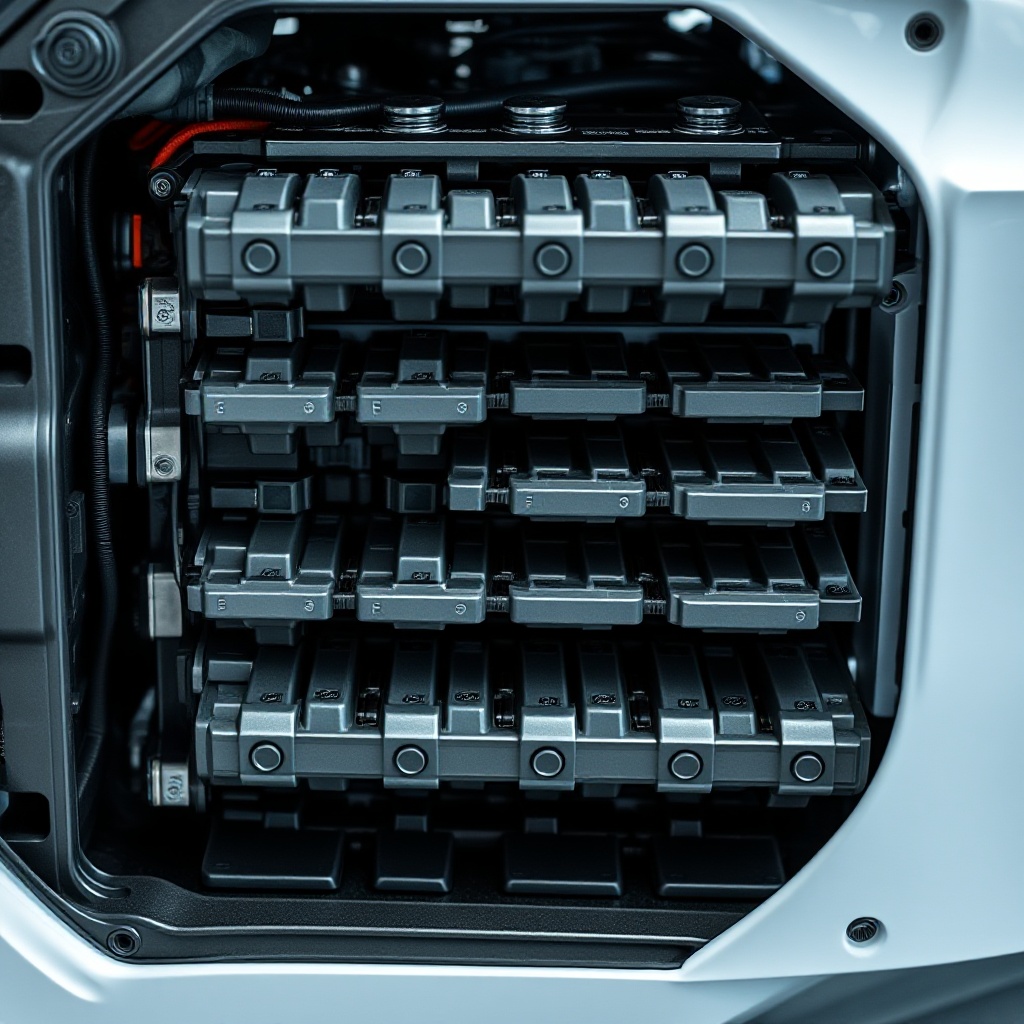
Unlike software issues that can be resolved remotely, these hardware defects require physical replacement of battery modules at dealerships. This distinction highlights the fundamental difference in remedy approaches between digital and physical defects, even when they produce identical dangerous outcomes. As of July 2025, BMW reports no injuries or incidents related to this specific defect.
The Convergence of Hardware and Software Risks in Modern EVs
What makes these dual recalls particularly noteworthy is how they demonstrate how distinct failure modes - physical assembly errors and code defects - can produce identical dangerous outcomes. Modern electric vehicles feature tightly integrated power electronics and software requiring multi-layered quality assurance across both domains.
The rapid scaling of EV production and shortened innovation cycles put additional stress on quality systems. Manufacturing precision requirements for high-voltage components far exceed traditional automotive tolerances, while software complexity grows exponentially with each new model year.
The interconnected nature of EV systems means failures in either hardware or software domains can have cascading consequences throughout the vehicle. A minor battery module defect or a few lines of faulty code can each render a sophisticated electric vehicle inoperable with little warning. Manufacturers must therefore balance rapid innovation with rigorous validation processes across both physical components and code.
Engineering Challenges of EV Battery Manufacturing
Battery module assembly requires unprecedented precision compared to traditional automotive components. The tolerances involved are measured in fractions of a millimeter, with even minor manufacturing errors potentially creating systemic safety impacts throughout the high-voltage system.
As automakers rapidly increase manufacturing volume, maintaining consistent quality becomes increasingly difficult. These production scaling challenges are particularly acute for battery systems, where failures represent particularly high-consequence defects due to fire risk potential.
BMW's proactive battery module replacement represents significant per-vehicle cost compared to software fixes - potentially thousands of dollars per unit when parts, labor, and logistics are considered. The company's upcoming Neue Klasse platform aims to address these challenges with a redesigned 800-volt architecture and cylindrical cells that should offer improved manufacturing consistency and safety margins.
Software Complexity: The Invisible Vulnerability
Modern EVs contain millions of lines of code controlling critical propulsion and safety systems. This software complexity creates vulnerabilities that can be difficult to detect through traditional testing methods. Software validation processes are struggling to keep pace with rapidly evolving EV architectures.
Code verification must account for countless potential operating scenarios and failure modes. False-positive errors like BMW's "double-isolation condition" demonstrate the complexity of fault detection systems designed to protect vehicles and occupants. When these safety systems themselves contain bugs, the results can be paradoxical - safety features becoming safety hazards.
While over-the-air update capabilities create efficiency advantages, they also introduce new risks if validation is insufficient. Automotive software development now requires aerospace-grade reliability combined with consumer electronics-speed innovation - a challenging balance for even the most sophisticated manufacturers.
Regulatory Oversight and Industry Response
The National Highway Traffic Safety Administration (NHTSA) oversees recall processes, reflecting increasing regulatory scrutiny of EV safety. These recalls serve a dual purpose: addressing immediate safety concerns while driving industry-wide quality improvements that benefit all manufacturers and consumers.
BMW's approach includes comprehensive customer notifications, dealership alerts, and multiple remedy paths depending on defect type. This reflects a maturing recall process specifically designed for software-defined vehicles, where the line between physical and digital defects continues to blur.
The broader industry is shifting toward preventive analytics, with manufacturers enhancing remote diagnostic capabilities to catch potential issues before they manifest as safety concerns. This increased transparency about potential defects represents significant evolution in automotive safety communications compared to previous generations of vehicles.
Lessons for the Future of Electric Vehicle Safety
Quality control protocols must span hardware assembly precision and software validation with equal rigor. Manufacturers are implementing more robust pre-release testing to simulate complex failure scenarios across both physical and digital domains.
BMW's Neue Klasse architecture (launching soon) incorporates lessons from these recalls with an 800-volt system and redesigned battery cells. While over-the-air update capabilities offer rapid response to software issues, they require stringent validation procedures to prevent introducing new problems while fixing existing ones.
Cross-industry collaboration on battery safety standards is accelerating, with automakers sharing best practices in ways that would have been unthinkable a decade ago. Consumer education about potential failure modes and appropriate responses is becoming increasingly important as EV adoption grows and more drivers transition from conventional vehicles.
The Industry-Wide Implications of BMW's Dual Recalls
BMW's challenges highlight universal concerns facing all EV manufacturers as they scale production. These recalls demonstrate the significant cost implications of quality control failures in complex EV systems - both in financial terms and potential brand damage.
Battery engineering and software development represent the two most critical competencies for future automotive success. Vehicle architecture design must accommodate both physical resilience and code reliability, with failure modes in either domain addressed through comprehensive safety systems.
Quality control systems require fundamental redesign to address the unique challenges of electric propulsion. BMW's experience serves as a case study for the entire industry on balancing innovation with reliability - a lesson that all manufacturers would be wise to study as the transition to electric vehicles accelerates globally.
Sources:
Car and Driver - BMW Recalls Four EV Models for Potential Loss of Drive Power
Cars.com - BMW iX Recalls
BMW Blog - BMW iX, i4, and i7 Recalled in U.S. Over Risk of Battery Module Failure
EVXL - BMW Recalls 70,852 Electric Vehicles For Software Glitch
Electrive - BMW forced to recall some 70000 EVs in the US