OTA updates transform cars into evolving software platforms that gain capabilities over time, enabling remote enhancements to EVs and driver-assistance systems without dealership visits.

Drivetech Partners
Next-generation over-the-air (OTA) software updates are revolutionizing the automotive industry by transforming traditional vehicles into flexible software platforms that can be continuously upgraded throughout their lifecycle. These advanced systems enable automakers to remotely enhance electric vehicles and advanced driver-assistance systems without requiring dealership visits, creating a paradigm shift where vehicles become more capable, personalized, and efficient over time rather than degrading with age.
Key Takeaways
- Software-defined vehicles rely on updateable architectures rather than fixed hardware, enabling continuous evolution after purchase
- OTA updates enable new revenue streams for automakers through subscription models and feature-as-a-service offerings
- AI-powered predictive maintenance reduces diagnostic time by 70% while preventing breakdowns before they occur
- Remote updates minimize physical recalls and reduce unplanned downtime by up to 25%
- Manufacturers in Asia-Pacific and Europe are racing to deliver increasingly adaptive vehicles that evolve throughout their lifecycles
The Evolution of OTA Software in Software-Defined Vehicles
The automotive industry is moving rapidly from hardware-centric models toward software-defined vehicles (SDVs) that rely on updateable code rather than fixed components. This shift fundamentally changes how cars function and improve over time. Unlike traditional vehicles that gradually lose value and capabilities, SDVs can gain features, enhanced performance, and new functionalities years after leaving the factory.
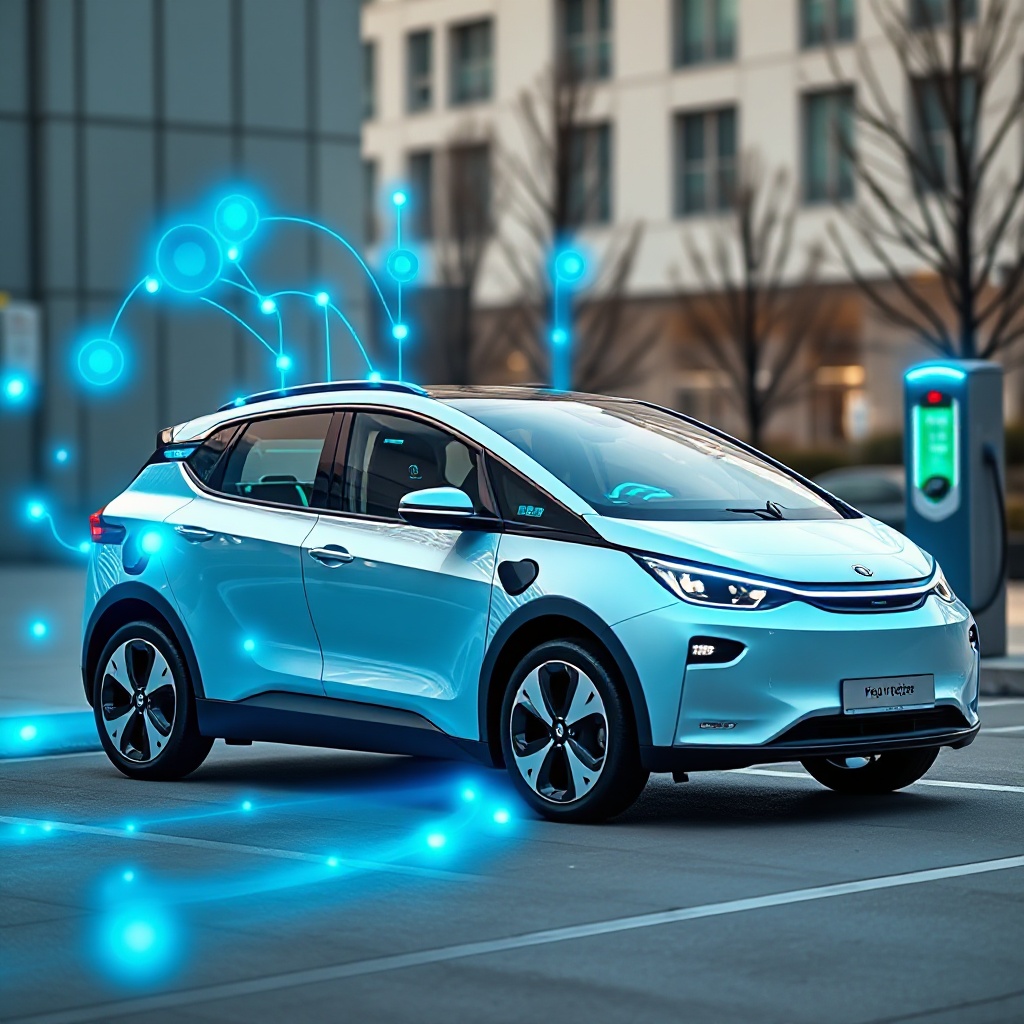
OTA technology serves as the backbone of this transformation, enabling manufacturers to push software updates directly to vehicles without requiring physical service visits. These updates can range from minor bug fixes to significant feature additions, security patches, and performance improvements that keep vehicles current with evolving technology standards.
Business Model Transformation for Automakers
Beyond technical advancements, OTA systems are creating entirely new business models for automakers. Instead of relying solely on the initial purchase price, manufacturers can now generate ongoing revenue through digital services, subscription features, and on-demand upgrades throughout the vehicle's lifecycle.
Several manufacturers have already embraced these models:
- Tesla offers software-enabled performance upgrades that can be purchased and unlocked remotely
- BMW has tested subscription-based heated seats in select markets
- Mercedes provides premium digital features that can be added after purchase
This shift to post-purchase monetization increases the lifetime value of each customer while creating opportunities for digital upselling that were impossible with traditional automotive business models. For consumers, it means the option to add features when needed rather than paying upfront for capabilities they might rarely use.
Enhancing ADAS and EV Performance Through Continuous Updates
Electric vehicles and advanced driver-assistance systems benefit tremendously from OTA capabilities. These technologies rely heavily on complex software algorithms that can be continuously refined based on real-world performance data collected from vehicles already on the road.
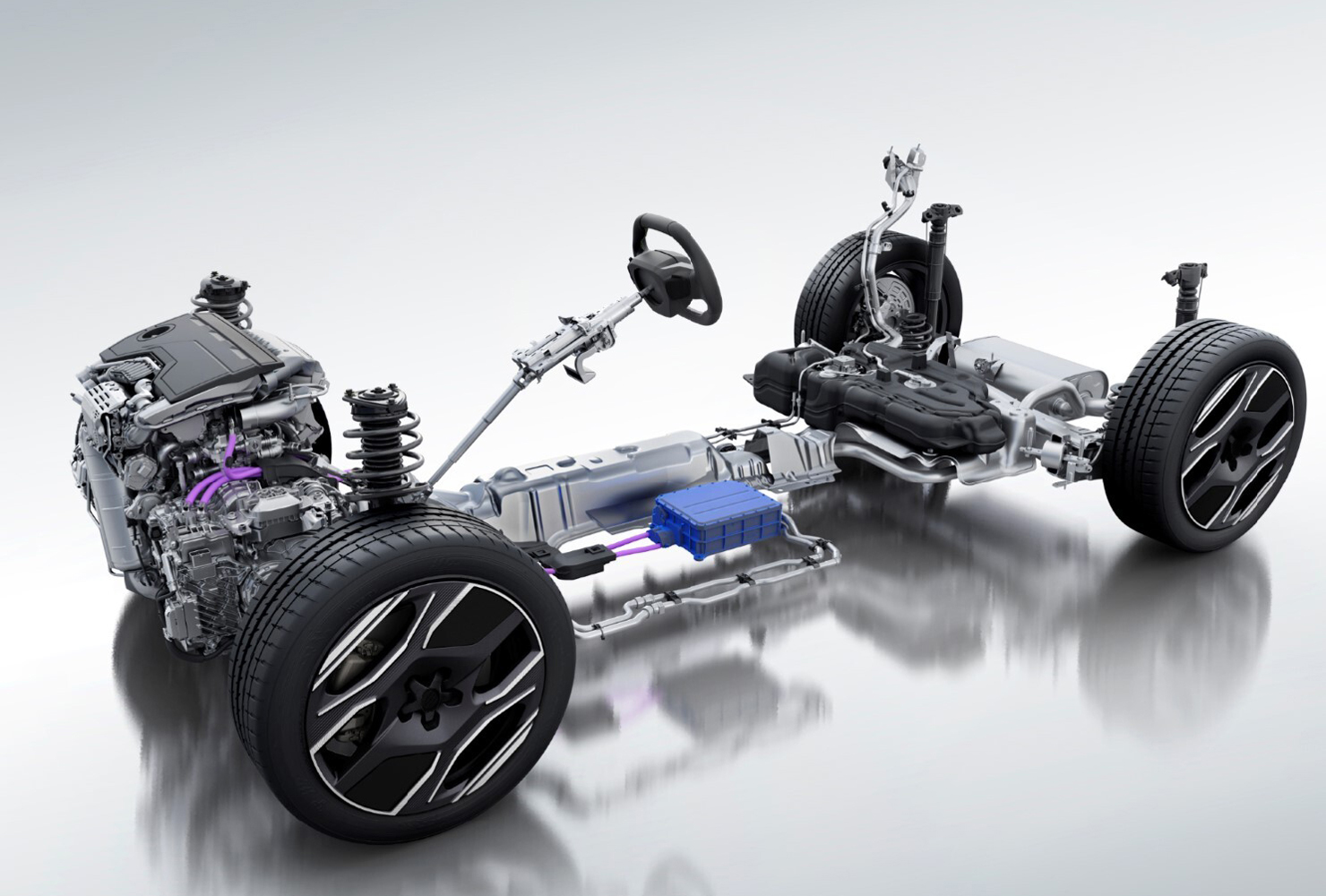
For EVs, OTA updates can optimize battery management systems to improve range, charging efficiency, and overall battery health. This is particularly valuable as battery technology and understanding of optimal usage patterns continue to evolve. Remote updates allow manufacturers to implement the latest battery management strategies without requiring owners to visit service centers.
ADAS features like lane-keeping assistance, automatic emergency braking, and adaptive cruise control can be recalibrated remotely to improve accuracy, response times, and overall safety. These systems can also be updated to comply with new regulations or incorporate improved AI-powered algorithms that enhance their effectiveness in diverse driving situations.
AI-Powered Predictive Maintenance: Preventing Problems Before They Occur
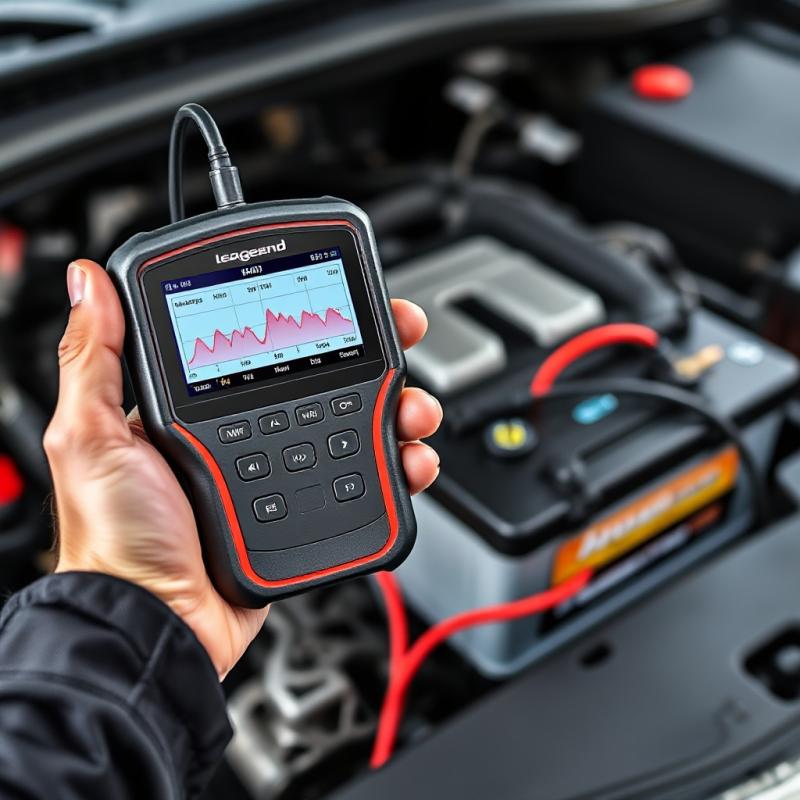
One of the most transformative applications of OTA technology is enabling AI-driven predictive maintenance. By continuously monitoring vehicle sensor data and applying machine learning algorithms, manufacturers can identify potential issues before they cause breakdowns.
The benefits of predictive maintenance are substantial:
- Reduction in diagnostic time by up to 70%
- Decrease in breakdowns by up to 70% in commercial fleets
- 25% reduction in energy consumption
- 30% reduction in emissions
- 20% reduction in waste for electric vehicles
These impressive results come from the ability to detect subtle patterns in sensor data that indicate developing problems. For example, AI systems can identify minor battery cell imbalances in EVs long before they cause noticeable performance issues, allowing for early intervention that extends battery life and maintains optimal range.
Personalization and User Experience Enhancement
Beyond maintenance and performance upgrades, OTA systems enable unprecedented levels of vehicle personalization. AI systems can analyze individual driving habits, routes, and preferences to customize the driving experience for maximum comfort, efficiency, and enjoyment.
This personalization extends to virtually every aspect of the vehicle:
- Entertainment systems that learn preferred music, podcasts, and content
- Navigation that adapts to driving style and frequent destinations
- Climate control that anticipates comfort preferences
- Safety systems that adjust sensitivity based on driving patterns
- Performance settings that match the driver's style
These tailored experiences create stronger connections between drivers and their vehicles, increasing satisfaction and building brand loyalty in an increasingly competitive market. The ability to continuously refine these personalization systems through OTA updates means the user experience can improve throughout ownership rather than becoming dated.
Minimizing Recalls and Downtime Through Remote Diagnostics
Traditional vehicle recalls are expensive, inconvenient, and often see low compliance rates. OTA systems fundamentally change this model by enabling manufacturers to resolve software-related issues remotely, without requiring owners to visit service centers.
When combined with predictive analytics, these capabilities dramatically reduce vehicle downtime. Studies show remote diagnostics can speed up issue resolution by 25%, while predictive maintenance systems have demonstrated up to 25% reduction in unplanned downtime for urban charging networks.
The financial implications are significant as well. Traditional maintenance outages cost approximately $125,000 per hour in industrial settings. By minimizing these disruptions, OTA and predictive systems deliver substantial cost savings while improving brand reputation and reliability.
The Global Race for Software-Defined Vehicle Leadership
Manufacturers worldwide are competing to establish leadership in software-defined vehicle technology, with particularly intense activity in Asia-Pacific and Europe. These regions have embraced aggressive development timelines for next-generation vehicle platforms with advanced OTA capabilities.
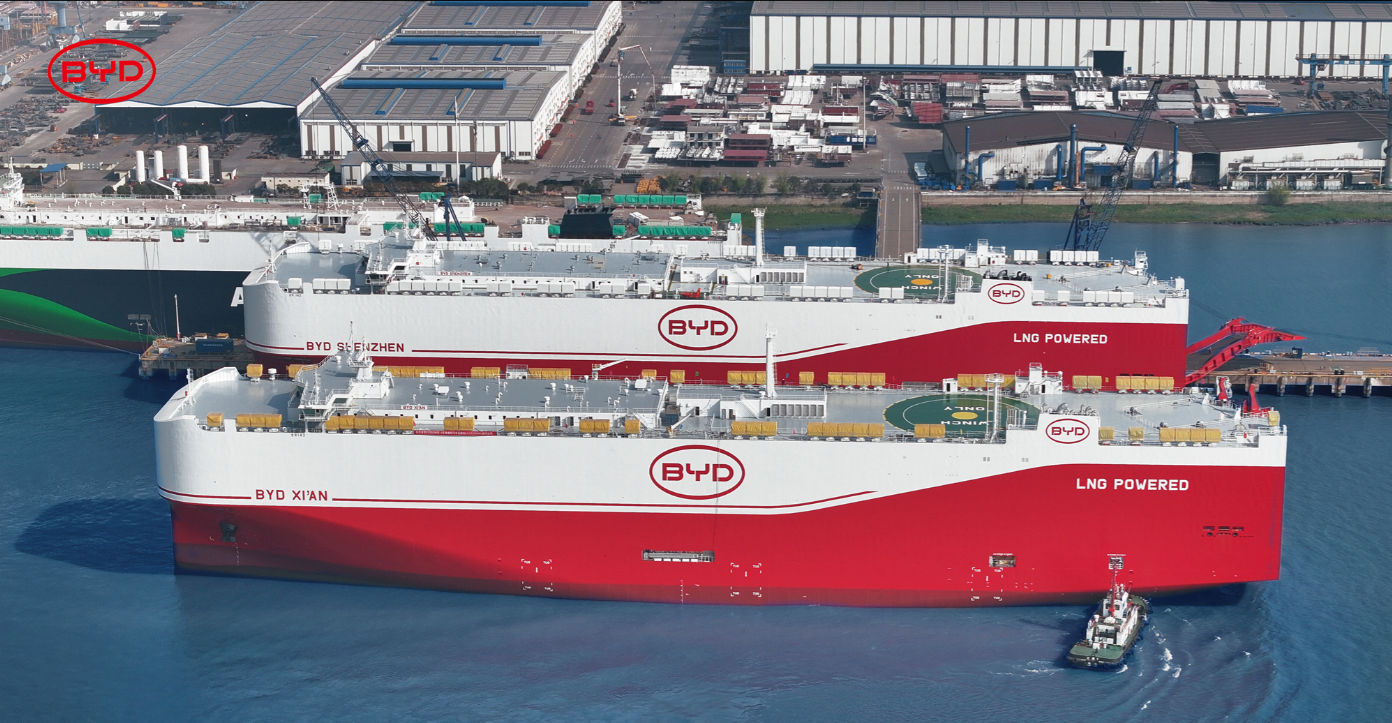
In Asia-Pacific, companies like BYD, Nio, and Hyundai are making significant investments in software architecture and OTA platforms. European manufacturers including Volkswagen, BMW, and Stellantis have similarly prioritized software-defined vehicles as central to their future strategy.
This global race is accelerating innovation while creating a competitive marketplace that benefits consumers through rapid advancement of vehicle capabilities. The predictive maintenance market alone is projected to reach $16.75 billion by 2030, indicating the significant economic value these technologies represent.
Economic and Environmental Benefits of Next-Generation Update Systems
Beyond the direct benefits to manufacturers and vehicle owners, OTA systems deliver broader economic and environmental advantages. By reducing the need for physical service visits, these systems cut emissions associated with transportation to dealerships and service centers.
AI-powered maintenance systems optimize component usage and energy management, reducing waste through more precise servicing intervals and extended part lifespans. These systems have demonstrated impressive results:
- AI-based maintenance strategies have cut repair time by 25% in trials at Volvo and Mack Trucks
- 70% reduction in diagnostic time reported for AI-enhanced vehicle fleets
- Two-thirds reduction in unplanned outages that typically cost $125,000 per hour
These figures illustrate how next-generation OTA systems deliver a rare combination of improved performance, enhanced user experience, reduced environmental impact, and lower operational costs - making them a win for manufacturers, consumers, and the planet alike.
Sources
FPT Software - Revolutionizing Automotive Industry with AI-Powered Predictive Maintenance
YourStory - AI predictive analytics revolutionising EV maintenance
Xenonstack - AI Predictive Maintenance Vehicles
HERE - How AI optimizes electric vehicles
Promwad - AI-Powered Predictive Maintenance in EV Charging Infrastructure