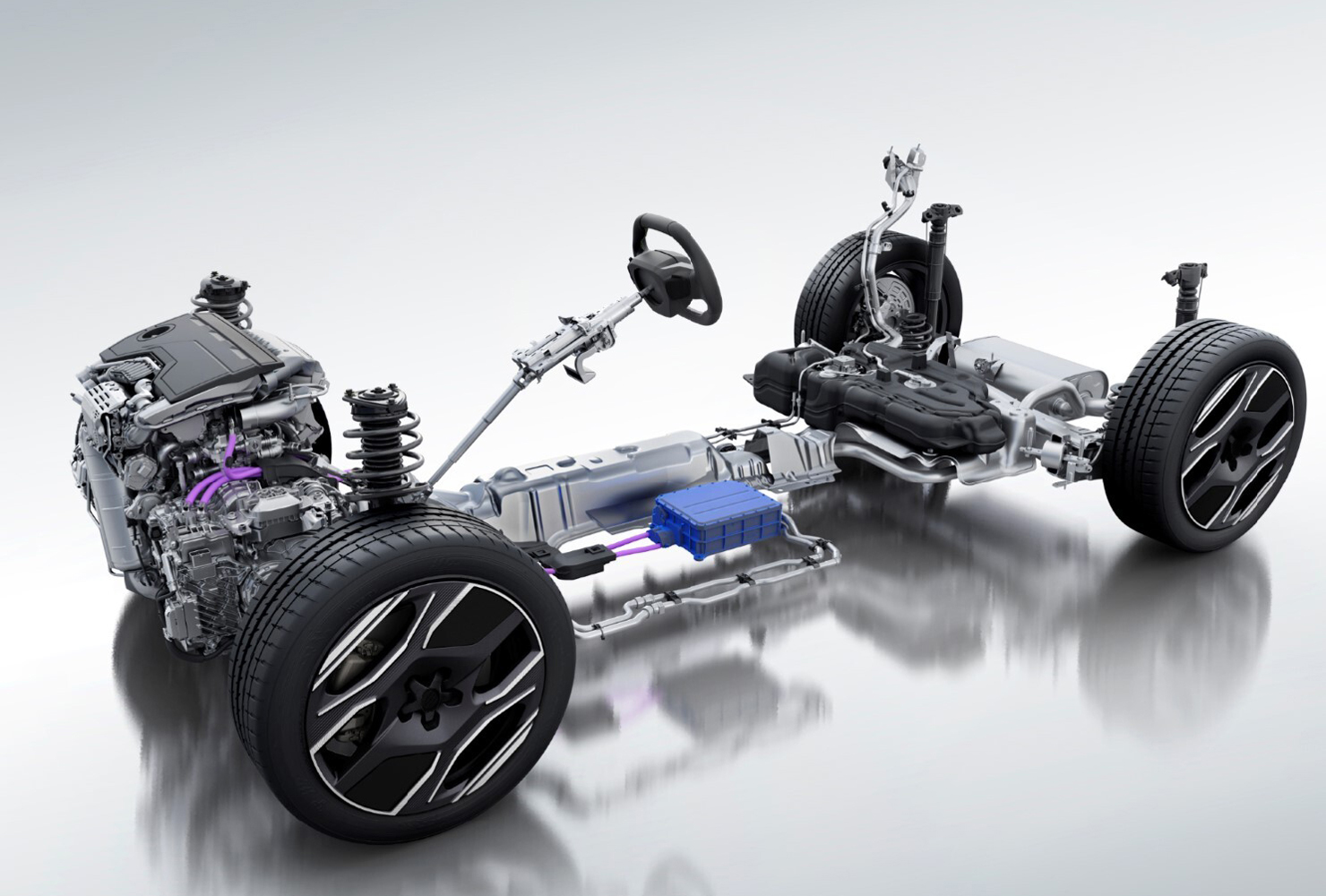
Discover how AI-powered predictive maintenance is revolutionizing vehicles through centralized software architectures, enhancing safety and transforming ownership experiences.

Drivetech Partners
The automotive industry is experiencing a radical transformation as manufacturers shift from distributed electronic control units to centralized software-defined architectures that enable AI-powered predictive maintenance. This fundamental change allows vehicles to leverage real-time data analytics, machine learning algorithms, and over-the-air updates to predict failures before they occur, dramatically improving safety, reliability, and the overall ownership experience.
Key Takeaways
- The AI-driven predictive maintenance market in automotive is projected to grow from $774.3 million in 2024 to $2.04 billion by 2032
- Traditional vehicles with up to 150 ECUs are transitioning to centralized architectures with zonal gateways, with premium segments reaching near-complete SDV adoption by 2027
- Software-defined vehicles enable seamless over-the-air updates for patches, security fixes, and new features without requiring physical service visits
- AI-powered predictive systems can detect safety-critical issues before they escalate, directly contributing to accident prevention
- The centralization of vehicle systems creates new cybersecurity challenges requiring robust protection strategies and strict data privacy controls
The Rise of Centralized Software-Defined Vehicle Architectures
The automotive industry is quickly moving away from traditional distributed electronic control unit (ECU) designs toward centralized software-defined architectures. Today's conventional vehicles can contain up to 150 separate ECUs, creating a complex web of electronics and wiring that's difficult to update and maintain. This fragmented approach is rapidly becoming obsolete as automakers adopt high-performance computing platforms and zonal gateways.
Market projections show that by 2030, approximately 18% of vehicles will feature zonal architectures, with premium vehicle segments reaching near-complete SDV adoption as early as 2027. North America currently leads this transition with 34% of the SDV market share, followed by Europe (31%) and Asia Pacific (29%).
Major automakers are making substantial investments in this technology shift. Volkswagen Group has committed €5.6 billion to its E 2.0 architecture, while Mercedes-Benz has invested €1.3 billion in its MB.OS zonal platform, which has already reduced wiring complexity by 30%. These centralized systems significantly decrease hardware complexity, vehicle weight, and manufacturing costs while enabling the advanced real-time analytics capabilities needed for predictive maintenance.

Predictive Maintenance Market Growth and AI Capabilities
The automotive AI-driven predictive maintenance market is experiencing remarkable growth, projected to expand from $774.3 million in 2024 to $2.04 billion by 2032, representing a compound annual growth rate of 12.9%. This surge reflects the increasing value automakers and consumers place on proactive maintenance technologies.
These sophisticated systems leverage a combination of real-time vehicle data, IoT sensors, and machine learning algorithms to detect anomalies and predict component failures before they occur. The technology continuously monitors vehicle systems, comparing current performance against expected parameters and historical failure data to identify potential issues days or even weeks before they would cause noticeable problems.
North America and Europe are leading this technological adoption due to strong investments and early AI integration across automotive, manufacturing, energy, and aerospace industries. The practical benefits are substantial: predictive maintenance systems minimize unexpected breakdowns by enabling proactive maintenance scheduling, directly translating to reduced vehicle downtime, enhanced safety, and significant cost savings for both manufacturers and vehicle owners.
Real-Time Evolution Through Over-the-Air Updates
One of the most transformative aspects of software-defined vehicles is their ability to receive over-the-air (OTA) updates. This capability enables seamless delivery of software patches, security fixes, and entirely new features without requiring physical service visits. General Motors has invested $2.3 billion in its Ultifi software platform specifically to enable rapid OTA updates and new digital service delivery.
Service-oriented architectures (SOA) and the critical decoupling of software from hardware enable faster feature rollouts and greater flexibility in vehicle functionality. With these technologies, manufacturers can continuously improve their vehicles throughout their lifespans, addressing bugs immediately, enhancing safety features, and deploying AI-powered diagnostic tools as they're developed.
These updates can enhance existing vehicle capabilities throughout ownership, extending useful lifespan and maintaining customer satisfaction. Unlike traditional vehicles that gradually become outdated, software-defined vehicles can actually gain new capabilities over time, similar to how smartphones receive regular updates with new features and improvements.
Enhanced Vehicle Safety Through Predictive Intelligence
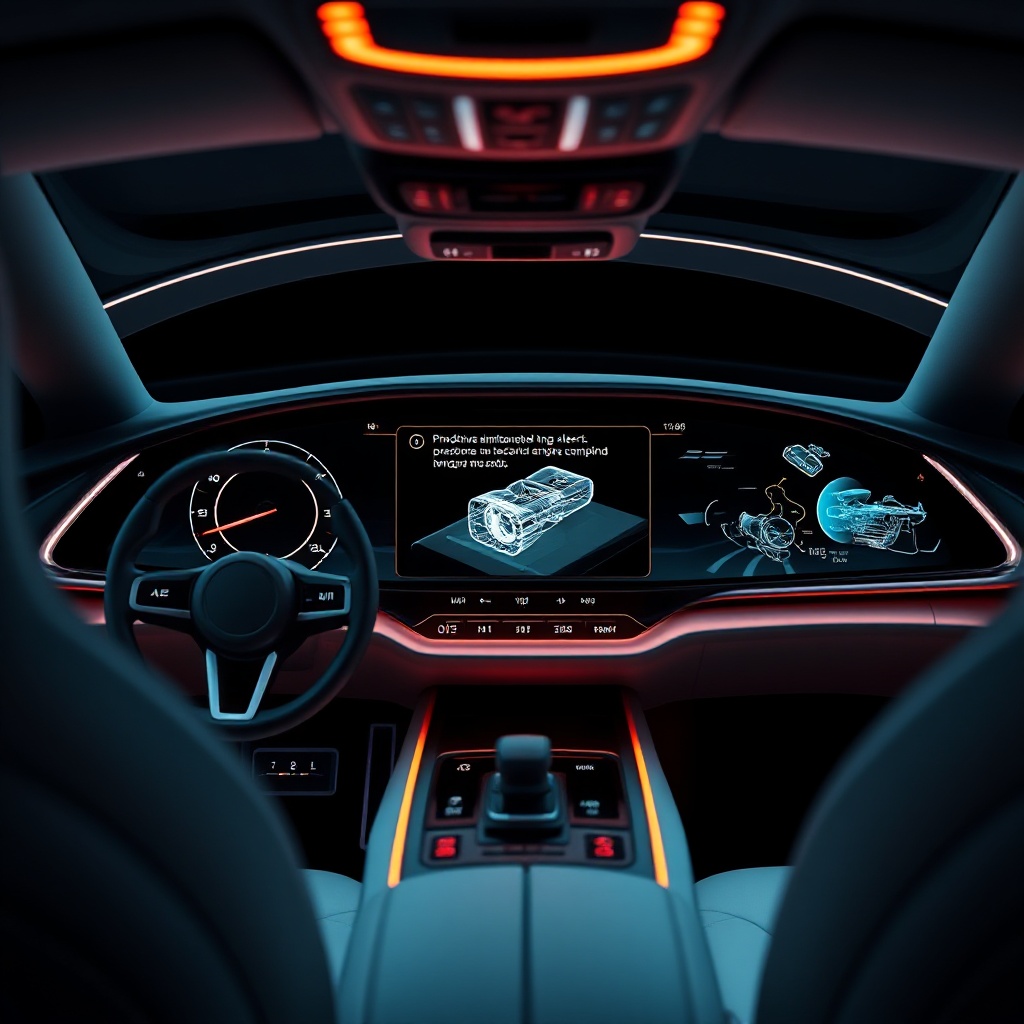
AI-driven predictive analytics enable early detection of safety-critical issues like sensor malfunctions and brake wear before they escalate to dangerous failures. This proactive approach fundamentally changes how we think about vehicle safety, moving from reactive responses to potential problems to preventing them entirely.
Centralized architectures simplify validation and integration of safety-critical software, ensuring consistent and rapid updates across all vehicle subsystems. Real-time data monitoring allows manufacturers to quickly identify emerging safety patterns across their fleet and deploy immediate fixes, potentially preventing accidents before they happen.
Predictive maintenance directly contributes to accident prevention by ensuring critical systems remain in optimal working condition. For example, the system might detect that brake pads are wearing faster than expected or that a steering component is showing early signs of failure, prompting a service alert before these issues affect vehicle handling or stopping ability. The technology also enables faster and more comprehensive compliance with evolving safety standards and recall procedures, as manufacturers can identify and address problems across their entire fleet much more quickly than traditional methods allow.
Transforming the Vehicle Ownership Experience
Software-defined vehicles unlock highly personalized user experiences, including custom drive profiles, infotainment preferences, and adaptive AI services that learn from driver habits. This level of customization was simply not possible with traditional vehicle architectures, where most features were fixed at the time of manufacture.
Continuous software improvement through OTA updates keeps vehicles current with new capabilities and interface refinements throughout ownership. Reduced unplanned maintenance visits and immediate feature enhancements significantly elevate customer satisfaction and brand loyalty, as owners experience fewer disruptions and more frequent improvements to their vehicles.
Real-time data allows vehicles to adapt to individual driving patterns and preferences, creating increasingly personalized experiences over time. This shift transforms cars from depreciating assets to platforms that can actually gain capabilities and improve with age, fundamentally changing the ownership paradigm and potentially extending the useful life of vehicles well beyond traditional expectations.
Addressing Cybersecurity in Centralized Vehicle Architectures
The centralization and increased connectivity of SDVs create elevated cybersecurity risks that require robust protection strategies. As vehicles become more software-defined and connected, they also become potential targets for cyberattacks, making security a critical consideration in their design.
Manufacturers are implementing layered security approaches including encryption, secure boot processes, intrusion detection systems, and regular penetration testing. These measures help protect vehicles from unauthorized access and potential tampering, whether through direct physical connections or wireless vulnerabilities.
Containerization and virtualization technologies provide isolation between critical vehicle systems and potentially vulnerable connected services, ensuring that even if one system is compromised, others remain protected. Advanced authentication protocols and secure update verification processes ensure only authorized software changes can be implemented, preventing malicious code from being installed during updates.
Compliance with regulations like GDPR in Europe and CCPA in California requires strict data anonymization protocols and access controls for personal and vehicle data. This regulatory environment is helping shape security practices across the industry, driving more consistent and comprehensive approaches to vehicle cybersecurity.
Enabling Technologies and Architectural Foundations
Service-Oriented Architectures (SOA) and specialized middleware enable the critical decoupling of software from hardware that powers SDV flexibility. These architectural approaches allow vehicle functions to be defined and updated through software rather than being permanently hardwired into specific components.
Model-Based Systems Engineering (MBSE) approaches streamline software deployment, system optimization, and compliance with strict safety requirements. This methodology helps manage the increasing complexity of vehicle software systems while ensuring they meet rigorous safety and performance standards.
Changan SDA's middleware platform demonstrates the power of these approaches, with 3,000 vehicle-defined service buses and over 1,000 standardized interfaces, it has improved new function development efficiency by 30%. This level of standardization and integration makes it possible to develop and deploy new features much more quickly than traditional methods allow.
High-speed vehicle networks and edge computing capabilities process critical data locally while cloud connectivity enables deeper analysis and learning. The architecture transition requires standardized APIs and communication protocols to ensure interoperability between various vehicle systems, creating a consistent platform for innovation across the vehicle.
Data Privacy Challenges and Regulatory Compliance
Software-defined vehicles generate massive amounts of data requiring careful management to protect user privacy while enabling beneficial services. This data includes everything from driving patterns and location information to personal preferences and potentially sensitive information from connected devices.
Regulatory frameworks including GDPR in Europe and CCPA in California establish strict requirements for data collection, storage, and processing. These regulations affect how automakers can use vehicle data and require transparent communication with consumers about what data is being collected and how it's being used.
Manufacturers must implement data minimization practices, collecting only necessary information and anonymizing personal data wherever possible. Clear consent mechanisms and transparent data practices are becoming competitive advantages for privacy-conscious consumers, as awareness of data privacy issues continues to grow.
The industry is developing standards for secure data sharing between ecosystem partners while maintaining user privacy and control. These standards help ensure that while data can be used to improve vehicle performance and provide valuable services, it remains protected and under the consumer's control, balancing the benefits of connected vehicles with the important right to privacy.
Sources
Globe Newswire - Software-Defined Vehicle (SDV) Architecture Market Report 2025-2035
Globe Newswire - Software-Defined Vehicles in 2025: SOA and Middleware Industry Research Report