Adapters revolutionize EV charging by enabling non-Tesla vehicles to access 15,000+ Supercharger ports, transforming North America's charging landscape while manufacturers transition to NACS.

Drivetech Partners
Third-party NACS-to-CCS adapters are transforming the EV charging landscape by allowing non-Tesla vehicles to access Tesla's extensive Supercharger network across North America. Products like the Lectron Vortex Plug and A2Z EV adapters are bridging the gap between charging standards, enabling thousands of non-Tesla owners to utilize what was previously a closed ecosystem.
Key Takeaways
- NACS-to-CCS adapters give non-Tesla drivers access to over 15,000 Supercharger ports across North America
- Compatible vehicles include models from Ford, GM, Rivian, Volvo, and Polestar, with more manufacturers joining through 2025
- The Lectron Vortex adapter can deliver up to 150 miles of range in just 15 minutes on compatible vehicles
- Using third-party adapters may pose warranty and software integration challenges for some vehicle owners
- These adapters serve as a bridge technology until automakers fully transition to native NACS ports by 2025-2026
The Rise of NACS-to-CCS Adapters
The electric vehicle charging landscape is experiencing a significant transformation thanks to third-party adapters that connect non-Tesla vehicles to Tesla's Supercharger network. The Lectron Vortex Plug and A2Z EV NACS to CCS1 Adapter have emerged as game-changers, converting the North American Charging Standard (NACS) used by Tesla to the Combined Charging System (CCS1) standard used by most other EVs in North America.
The demand for these adapters has skyrocketed, with Lectron currently producing approximately 12,000 units weekly. This surge isn't surprising given that 17% of EV owners already use Lectron products as of spring 2025. These adapters effectively open up Tesla's superior charging infrastructure to a broader audience, addressing one of the most significant barriers to EV adoption: charging accessibility.
Expanding Road Trip Options with Tesla's Superior Charging Network
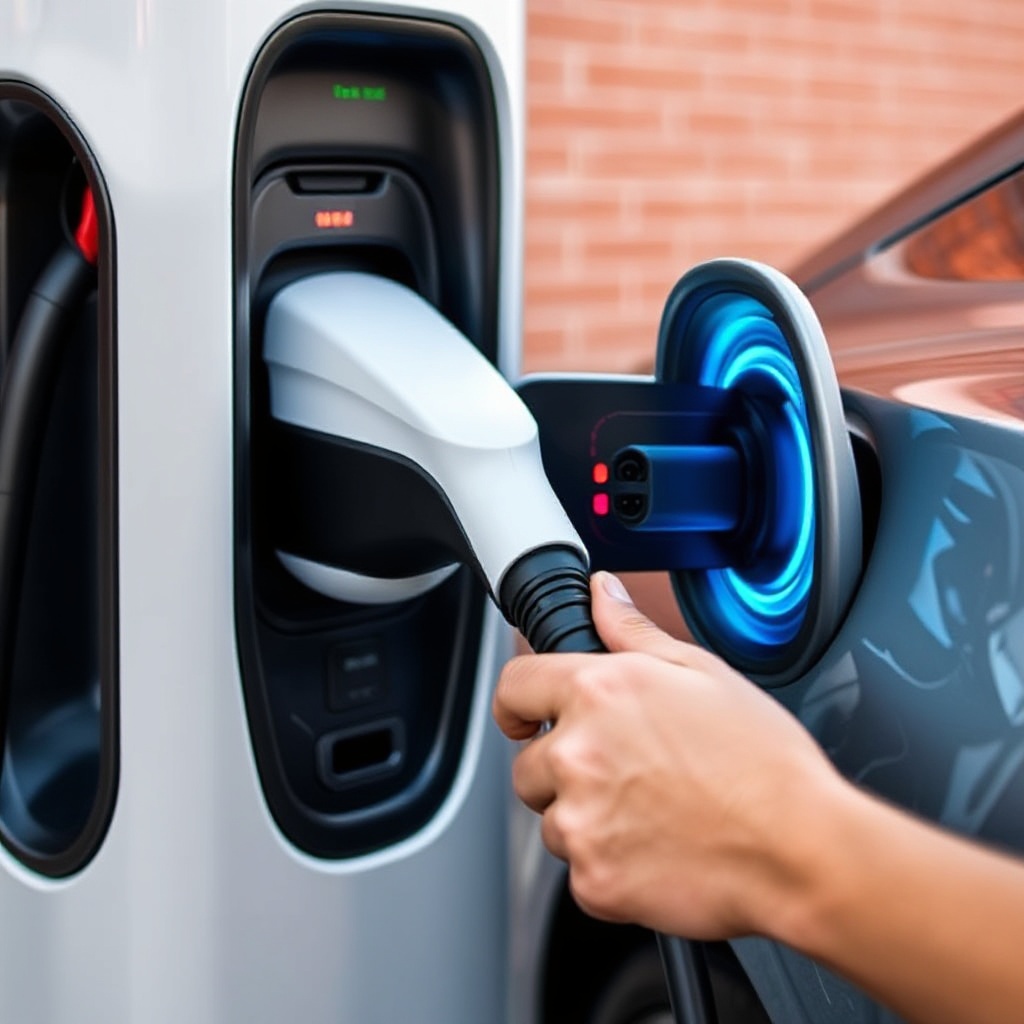
For years, Tesla's Supercharger network has been the gold standard for EV charging in North America. With over 2,400 Supercharger stations and 28,400 charging ports in the U.S. alone, Tesla has built a reliable fast-charging ecosystem that has given its vehicles a significant advantage for long-distance travel.
Third-party adapters now allow non-Tesla drivers to access approximately 15,000 of Tesla's 17,000+ Supercharger ports (V3 and V4 models). This dramatically expands reliable fast-charging options, especially for long-distance travel and in regions with limited CCS infrastructure. The adapters serve as a critical infrastructure bridge while automakers transition to native NACS ports in 2025-2026.
Impressive Charging Performance for Compatible Vehicles
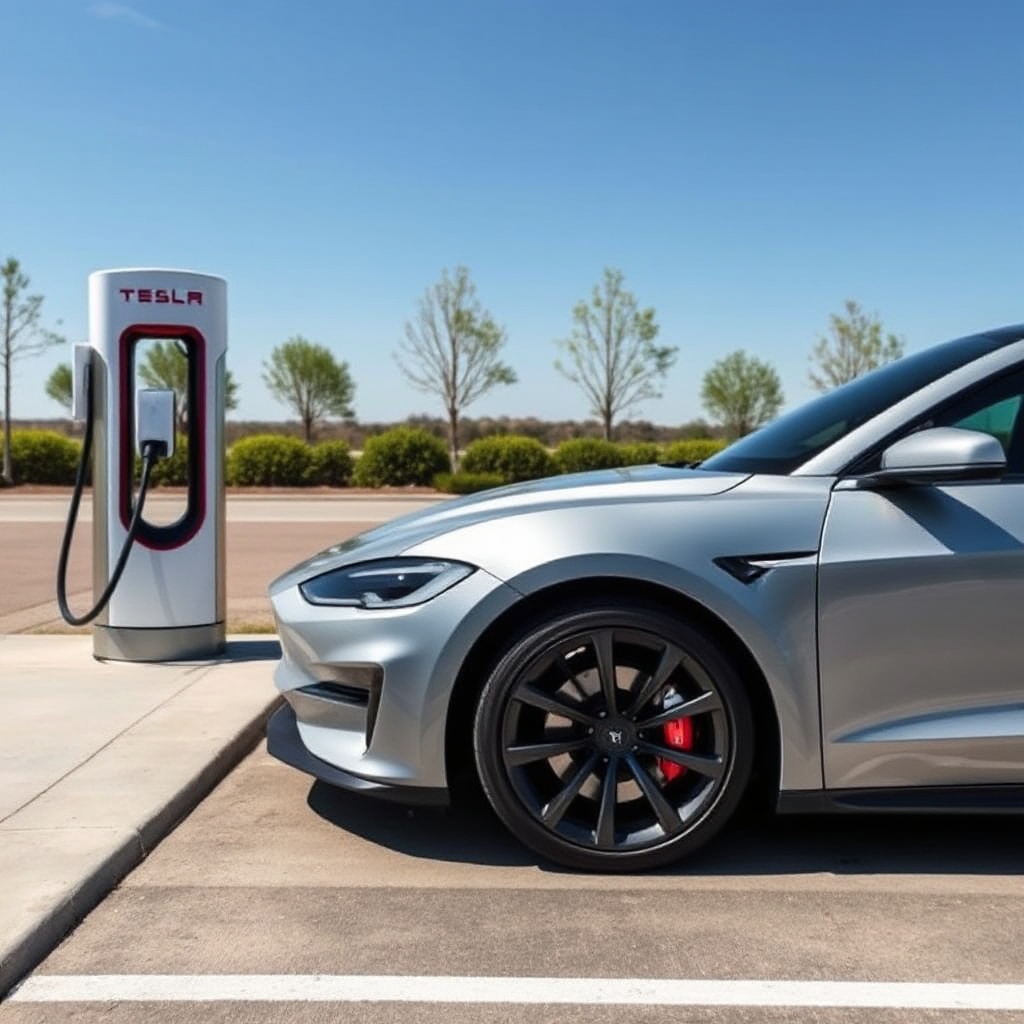
The technical capabilities of these adapters are impressive. The Lectron Vortex Plug delivers up to 500 amps and 1,000 volts, allowing drivers to add up to 150 miles of range in just 15 minutes, depending on the vehicle and charger. Similarly, the A2Z EV Typhoon Pro offers a 500A/1,000V rating with built-in temperature sensors for reliable operation.
These adapters are designed to work with Tesla's V3 and V4 Superchargers and some third-party NACS fast chargers. It's important to note that older V2 and V1 Superchargers are not compatible with most non-Tesla vehicles using these adapters. For supported vehicles, the charging experience rivals Tesla's native experience in terms of power delivery.
Current Vehicle Compatibility Landscape
Not all electric vehicles can use these adapters effectively. The Lectron Vortex is officially compatible with Ford, GM, Volvo, Polestar, and Rivian vehicles. However, it's not yet compatible with several major brands including Audi, BMW, Kia, Lucid, Mazda, Mercedes, Mini, Nissan, Porsche, Stellantis, Toyota, or Volkswagen.
Compatible vehicles typically come from manufacturers partnering with Tesla for Supercharger access, including:
- Ford
- Rivian
- General Motors
- Volvo and Polestar
- Nissan
- Lucid
- Mercedes-Benz
- Hyundai, Genesis, and Kia
Looking ahead, Lexus, Lucid, Mazda, and Mercedes-Benz plan to integrate NACS ports directly starting in 2025, with additional automakers expected to roll out official adapters and software updates through late 2025.
Potential Challenges and Limitations
While these adapters offer exciting possibilities, they aren't without potential drawbacks. Most third-party adapters aren't officially authorized by Tesla or some automakers, so owners should verify their vehicle's eligibility before purchase.
Use of aftermarket adapters may impact warranty coverage if they cause charging issues or damage. Several automakers explicitly warn that warranties won't cover incidents arising from aftermarket adapter use. Software integration challenges may require drivers to use both their vehicle's app and the Tesla app for charging sessions.
For the most seamless "plug & charge" experience, official automaker adapters and software updates are recommended. This is especially important for those concerned about maintaining their vehicle warranty or ensuring consistent charging experiences.
The Future of EV Charging Interoperability
The emergence of robust third-party adapters accelerates the transition toward a universal charging ecosystem. These adapters are reducing range anxiety and supporting mass EV adoption by expanding charging options for drivers.
As automakers transition to built-in NACS ports by 2025-2026, reliance on adapters will diminish. However, they serve a crucial role during this transition period. Widespread access to Superchargers via adapters or integrated NACS is transforming North America's EV infrastructure.
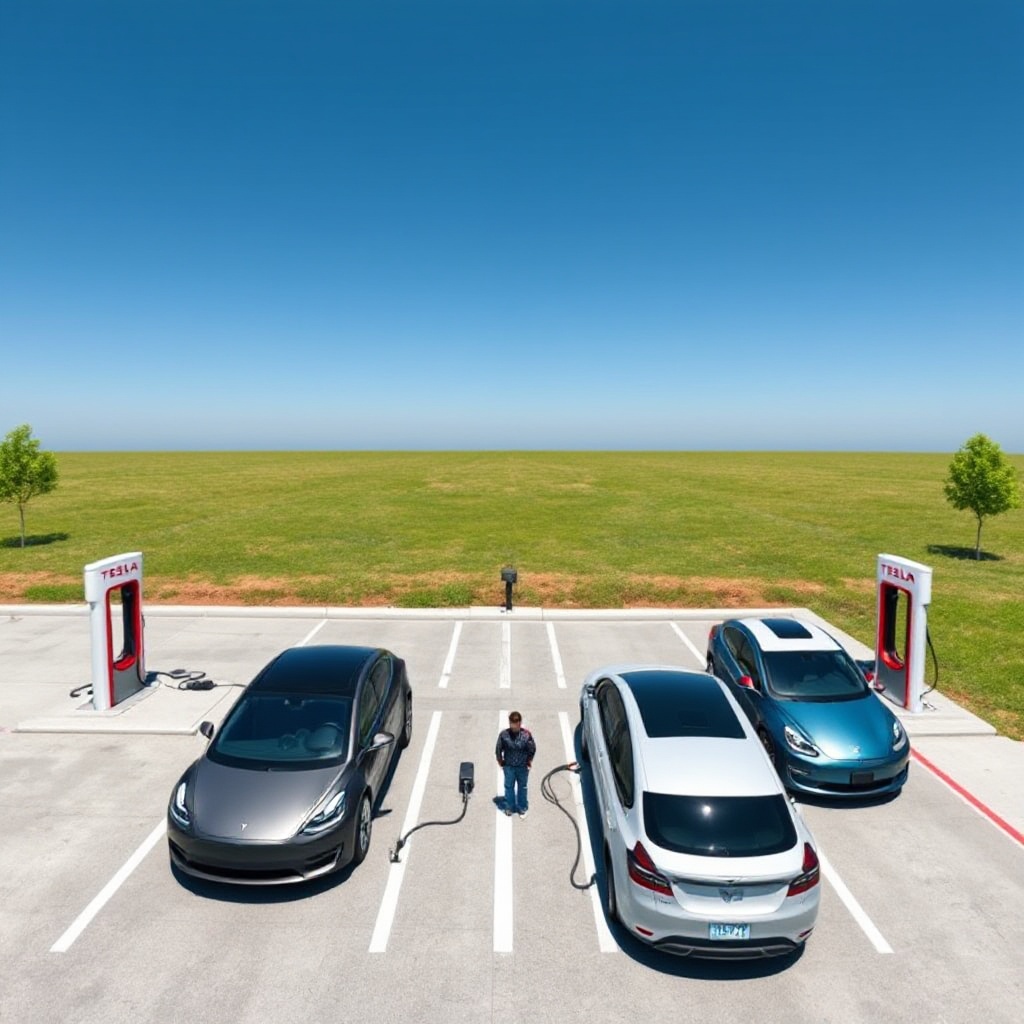
This interoperability revolution promises more reliable, consistent charging for all EV drivers. The shift from CCS to NACS as the new North American standard is accelerating due to adapter adoption, creating a more unified charging experience across brands.
User Experience and Practical Considerations
Non-Tesla owners must download and set up the Tesla app to access and pay for Supercharger sessions. Payment and charging activation processes differ from other networks, requiring additional steps for first-time users.
Some vehicles may require software updates from manufacturers to optimize compatibility with NACS adapters. Real-world speeds may vary based on the vehicle's charging architecture, battery temperature, and state of charge.
User experiences range from seamless charging to occasional disconnections based on vehicle model and adapter. Charging costs for non-Tesla vehicles using Superchargers may differ from Tesla owners' rates in some locations, so it's worth checking pricing before committing to this charging solution.
The Market Impact of NACS-to-CCS Adapters
Increased competition in the adapter market is driving innovation and quality improvements. Lectron's production of 12,000 adapters weekly indicates massive consumer demand for charging flexibility. The 17% market penetration of Lectron products among EV owners shows growing confidence in adapter technology.
The success of third-party adapters has prompted automakers to accelerate plans for NACS integration. The adapters serve as a critical bridge technology during the transition period to native NACS ports. Reduced charging anxiety may accelerate EV adoption rates among consumers previously concerned about infrastructure limitations.
As the charging landscape continues to evolve, these adapters represent more than just a technical solution—they're helping to create a more unified, accessible charging experience for all electric vehicle drivers in North America.
Sources
caranddriver.com - Tesla Charging Network: All the Upcoming Compatible EVs
tesla.com - NACS
ev-lectron.com - NACS to CCS Adapter - Vortex Plug
hondanews.com - Honda and Acura EV Owners To Gain Access To Tesla Supercharger Network
a2zevshop.com - A2Z EV NACS to CCS1 Adapter
consumerreports.org - Tesla Superchargers Open to Other EVs: What to Know
electrifynews.com - Lectron's NACS to CCS Vortex Plug Lets You Access Tesla's Superchargers Network
electrifying.com - How to charge a non-Tesla at a Tesla Supercharger