TMS extensions merge smart hardware with AI analytics, delivering 40% productivity gains, 20% faster deliveries, and autonomous freight corridors.

Drivetech Partners
FreightTech innovators gathered at the TCA conference on March 10, 2026, to demonstrate how Transportation Management System extensions are merging hardware like smart tail lights with predictive analytics, creating intelligent data feeds that revolutionize routing and visibility across trucking operations. These cutting-edge integrations, paired with agentic AI and IoT sensor networks, deliver measurable results—40% productivity gains, 20% improved delivery times, and substantial fuel reductions—while enabling autonomous corridors and sustainability tracking that position early adopters at the forefront of a rapidly shifting competitive landscape.
Key Takeaways
- AI-powered dispatch automation achieves up to 40% productivity boosts through predictive routing, demand forecasting, and real-time rerouting based on traffic and weather data.
- Smart tail lights equipped with IoT sensors transform everyday hardware into intelligent data feeds, delivering 20% improved delivery times in cities like Los Angeles through V2I communication.
- Autonomous corridor operations eliminate human intervention via adaptive signal systems and platooning, reducing delivery times by 17% in dedicated freight zones like Phoenix.
- Automated load matching and dynamic pricing optimize fuel efficiency while lowering cost per shipment through LTL consolidation and real-time carrier selection.
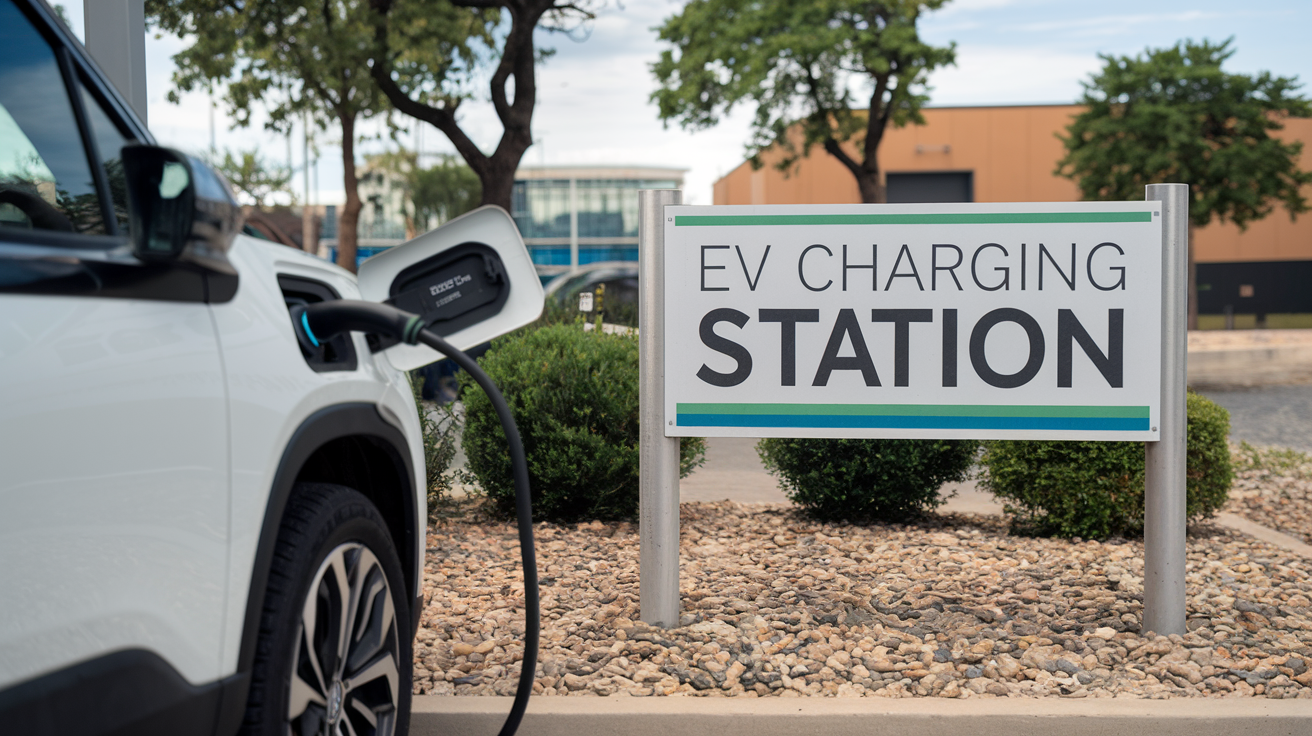
- Carbon tracking integration enables comprehensive emissions monitoring and electric vehicle support, meeting sustainability demands while reducing fuel consumption and tailpipe emissions.
TCA Conference Unveils FreightTech's Hardware-Software Revolution
The March 10, 2026 TCA conference brought together FreightTech's brightest minds to showcase extensions that fundamentally reshape how carriers manage operations. John Kingston captured the moment perfectly, noting the "sweep of products being launched shows innovations in all phases of trucking." These aren't incremental improvements—they're complete reimaginings of how traditional tools like tail lights, sensors, and dispatch systems work together.
Before these TMS extensions arrived, carriers struggled with fragmented data streams and manual coordination across fleets. A typical pre-TMS scenario involved dispatchers making routing decisions based on outdated information, trucks sitting idle while waiting for load confirmations, and zero visibility once vehicles left the yard. The demonstrations at TCA showed a stark contrast: tail lights transmitting real-time location and performance data, AI engines processing thousands of variables to suggest optimal routes, and FreightWaves coverage highlighting never-ending product launches spanning every operational phase.
What makes these extensions revolutionary is their ability to transform passive hardware into active intelligence sources. A tail light isn't just a safety device anymore—it's feeding data about braking patterns, location accuracy, and vehicle health directly into predictive routing algorithms. Freight operations previously required hours of manual verification; now they happen in seconds with greater precision.
AI-Powered Dispatch Automation Delivers 40% Productivity Gains
Agentic AI represents a quantum leap in dispatch efficiency, automating decisions that once demanded experienced human judgment. These systems analyze traffic patterns, weather forecasts, and historical delivery data to predict travel times with confidence intervals, then continuously adjust routes as conditions change. According to Tntra's analysis of AI in logistics, this predictive capability transforms how carriers handle unexpected disruptions.
The Rotterdam marathon provides a perfect case study. Traditional static routing would have sent trucks directly into massive delays as streets closed for the event. AI-powered systems detected the closure patterns days in advance, rerouted vehicles through alternate corridors, and minimized delays by hours. Drivers received updated instructions automatically, fuel consumption dropped compared to stop-and-go traffic scenarios, and on-time delivery percentages remained intact.
Productivity gains reach 40% because AI eliminates the back-and-forth communication bottlenecks. Dispatchers no longer spend hours phone-tagging with drivers or manually checking route feasibility. The system handles demand forecasting, identifies optimal load sequences, and triggers real-time rerouting without human intervention. Fuel efficiency improves simultaneously—dynamic routing selects paths that balance distance, traffic density, and elevation changes to reduce consumption.
Comparison data tells the story clearly. Static routing averages 12-15% higher fuel consumption due to congestion encounters and suboptimal path selection. AI dynamic rerouting cuts that waste while reducing average travel time by 8-12% across regional hauls. The 2025-2026 TMS trend reports from Logistics Management confirm these figures align with industry-wide adoption patterns.
Smart Tail Lights and IoT Networks Create Unified Real-Time Visibility

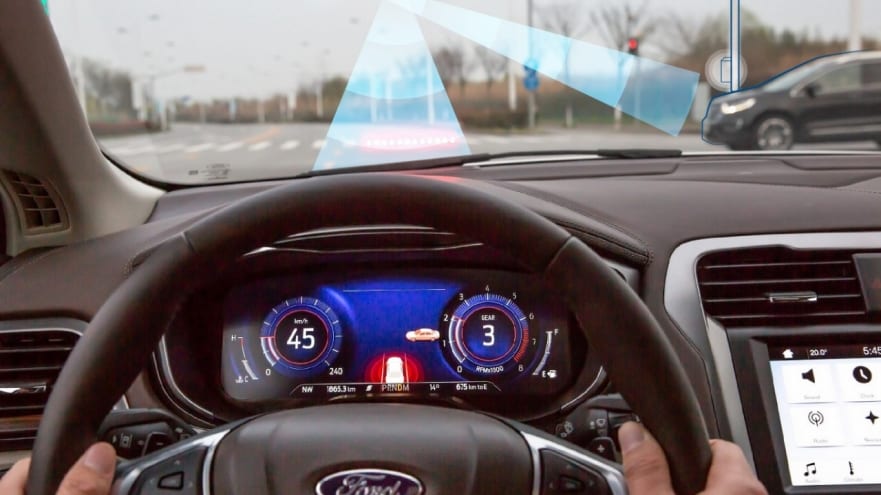
Smart tail lights equipped with IoT sensors represent the physical manifestation of TMS intelligence. These devices feed continuous data streams—location, speed, braking frequency, ambient conditions—directly into centralized platforms for real-time visibility and V2I communication. Logichainge's research on smart traffic lights documents how this hardware-software integration revolutionizes delivery efficiency.
Hamburg's port operations demonstrate the congestion-reduction potential. IoT networks connecting trucks to terminal infrastructure reduced backup times near loading zones through predictive slot allocation. Los Angeles achieved even more impressive results—20% improved delivery times by synchronizing truck arrivals with traffic signal phasing. Traditional preset timers couldn't adapt to real-world freight volumes; AI-driven systems adjust signal duration based on actual truck presence detected through V2I communication.
Multi-modal tracking becomes seamless with unified IoT networks. Consider a Riyadh-to-Cairo journey involving truck transport to port, container ship crossing, rail transfer, and final courier delivery. Legacy systems required manual check-ins at each handoff point, creating visibility gaps and coordination delays. Modern TMS platforms synchronize ETAs across all modes, trigger automated handoffs, and provide customers with continuous location updates regardless of transport method.
Key features that enable this unified visibility include:
- Geofencing alerts that notify stakeholders when shipments enter or exit designated zones
- Live ETA calculations updated every few minutes based on actual progress
- SLA monitoring across carriers, modes, and regions with automated exception flagging
- Digital documentation that follows freight through each transition point
The comparison between manual and automated approaches is striking. Without TMS integration, a multi-modal shipment averages 3-5 delays due to handoff miscommunication, with customer satisfaction scores hovering around 72%. With automated systems, delays drop to under 1 per shipment, and satisfaction climbs above 88%. Autonomous trucks benefit particularly from this infrastructure—adaptive signals prioritize freight corridors, and platooning coordination relies on precise V2I data to maintain safe following distances.
24/7 Autonomous Corridor Operations Eliminate Human Intervention

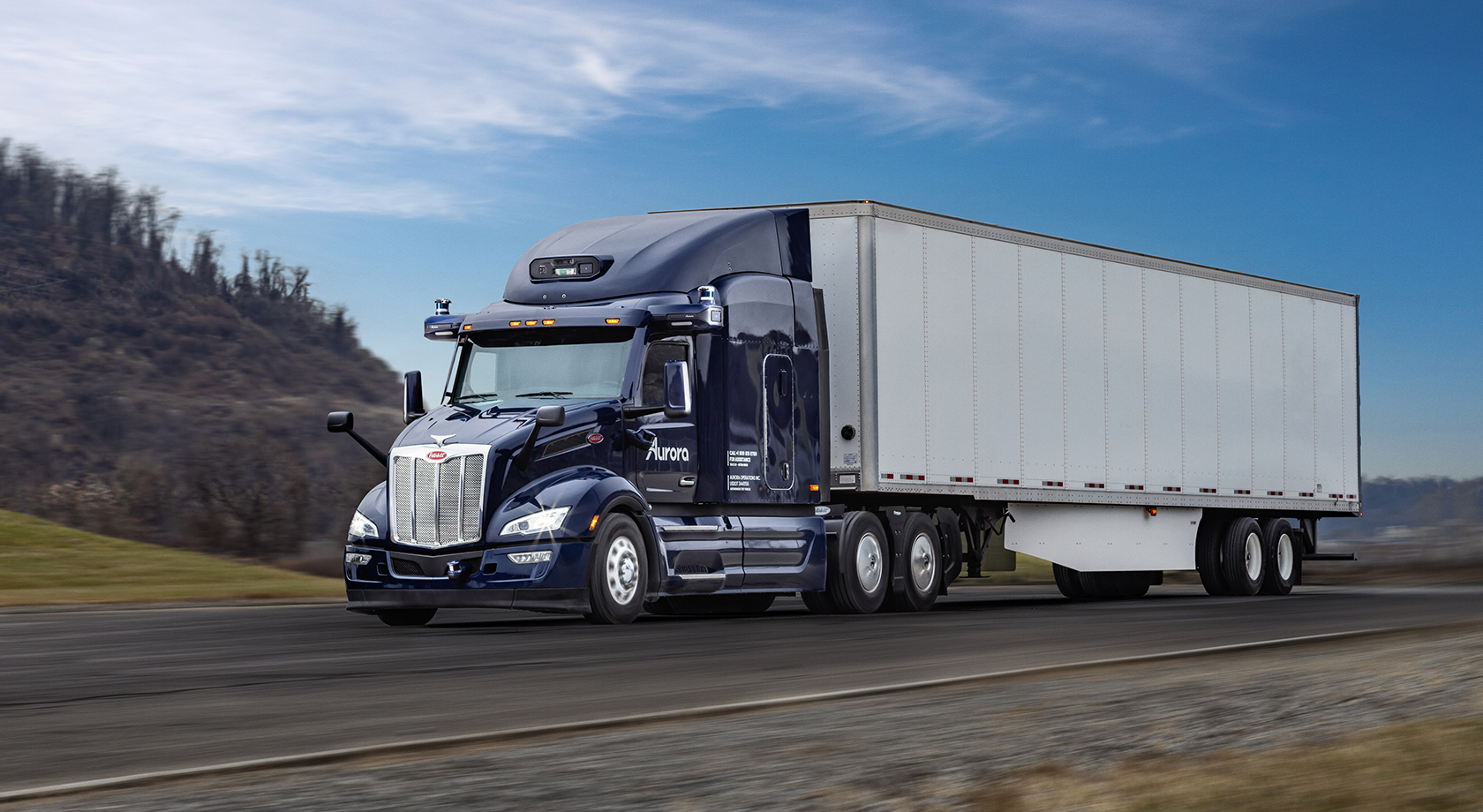
Dedicated freight corridors eliminate human drivers entirely through a combination of V2I communication, adaptive signal systems, AI-coordinated platooning, and continuous corridor management. Phoenix's implementation achieved 17% reduced delivery times by creating lanes where autonomous trucks operate without stop-and-go traffic interference. These systems run continuously—midnight shipments move as efficiently as midday runs.
Edge computing makes instantaneous decision-making possible for autonomous fleet coordination. Rather than sending data to distant cloud servers and waiting for responses, edge nodes positioned along corridors process sensor inputs locally and broadcast adjustments in milliseconds. A truck detecting unexpected road debris can alert following vehicles and trigger adaptive signals to create merge space before human reaction time would even register the hazard.
Challenges remain, particularly around protocol alignment between different manufacturers' systems. A Volvo autonomous truck must communicate flawlessly with Freightliner platooning algorithms and municipal traffic infrastructure—all running different software versions and data formats. Industry consortiums are establishing standardized communication protocols, but implementation lags behind the technology's potential in many regions.
Comparing human-driven operations to autonomous corridors reveals substantial efficiency gaps. Human drivers average 11-14 stops per 500-mile route for rest breaks, inspections, and navigation checks. Error rates in manual coordination hover around 3-4% for convoy formations. Autonomous operations maintain continuous movement except for mandatory inspection points, with error rates below 0.5% thanks to real-time data synchronization. Fuel consumption drops 8-10% through optimized platooning distances and consistent speed maintenance.
Automated Load Matching and Dynamic Pricing Optimize Fuel Efficiency
Modern TMS platforms automate the entire load lifecycle—from initial tendering through LTL consolidation to spot-rate bidding. This automation optimizes fuel consumption through AI routing algorithms that consider vehicle capacity, destination clustering, and real-time carrier availability. Omniful's analysis of freight broker integration details how these systems reduce emissions while cutting costs.
A Riyadh fashion retailer's LTL scenario illustrates the financial impact. Previously, they shipped small batches via dedicated trucks, underutilizing capacity and paying premium rates. Automated load matching identified complementary shipments heading to similar destinations, consolidated them into shared vehicles, and reduced cost per shipment by 32%. Capacity utilization jumped from 64% to 91%, eliminating wasted fuel on half-empty trucks.
Key functionalities driving these improvements include:
- Trip clustering that groups deliveries by geographic proximity and time windows
- Real-time carrier selection based on current location, available capacity, and rate competitiveness
- Spot-rate bidding that matches urgent shipments with carriers seeking backhaul opportunities
- Dynamic pricing that adjusts rates based on fuel costs, demand fluctuations, and route difficulty
FTL underutilization typically wastes 20-30% of available cubic capacity. LTL consolidation through automated matching recovers that waste, translating to quantifiable savings—a mid-size carrier moving 500 loads monthly can reduce fuel costs by $18,000-$24,000 while lowering environmental impact. AI route optimization adds another layer of efficiency by minimizing total distance traveled and boosting on-time delivery rates from industry average 89% to best-in-class 96%.