Data-driven innovations are transforming EV charging with 5M+ global stations, faster charging times, and predictive maintenance reducing downtime by 40% since 2021.

Drivetech Partners
The electric vehicle charging landscape has been transformed by data-driven innovations that address historical pain points while building a more reliable network. Public charging infrastructure has expanded dramatically since 2022, with over 5 million charging points globally now supporting the accelerating transition to electric mobility through smarter software, predictive maintenance, and hardware upgrades that collectively enhance the EV ownership experience.
Key Takeaways
- Public charging points have more than doubled since 2022, reaching 5 million globally in 2025, with market projections showing nearly 600% growth by 2030
- Advanced predictive maintenance algorithms and real-time monitoring have reduced charger downtime by 25-40% since 2021
- Ultra-fast DC chargers now deliver 80% charge in just 20 minutes, significantly improving the convenience factor for EV owners
- "Charger deserts" remain a challenge despite $7.5 billion in federal funding through programs like NEVI aimed at rural and underserved areas
- The integration of renewable energy sources and vehicle-to-grid technology is creating more sustainable and resilient charging infrastructure
The Booming EV Charging Landscape
The global EV charging infrastructure has hit a remarkable milestone, with public charging points exceeding 5 million in 2025 – more than double the number available in 2022. This expansion directly supports the widespread adoption of electric vehicles happening worldwide. Market projections paint an even more dramatic picture of growth, with the global EV charging infrastructure market expected to surge from $65.3 billion in 2023 to an estimated $452.2 billion by 2030.
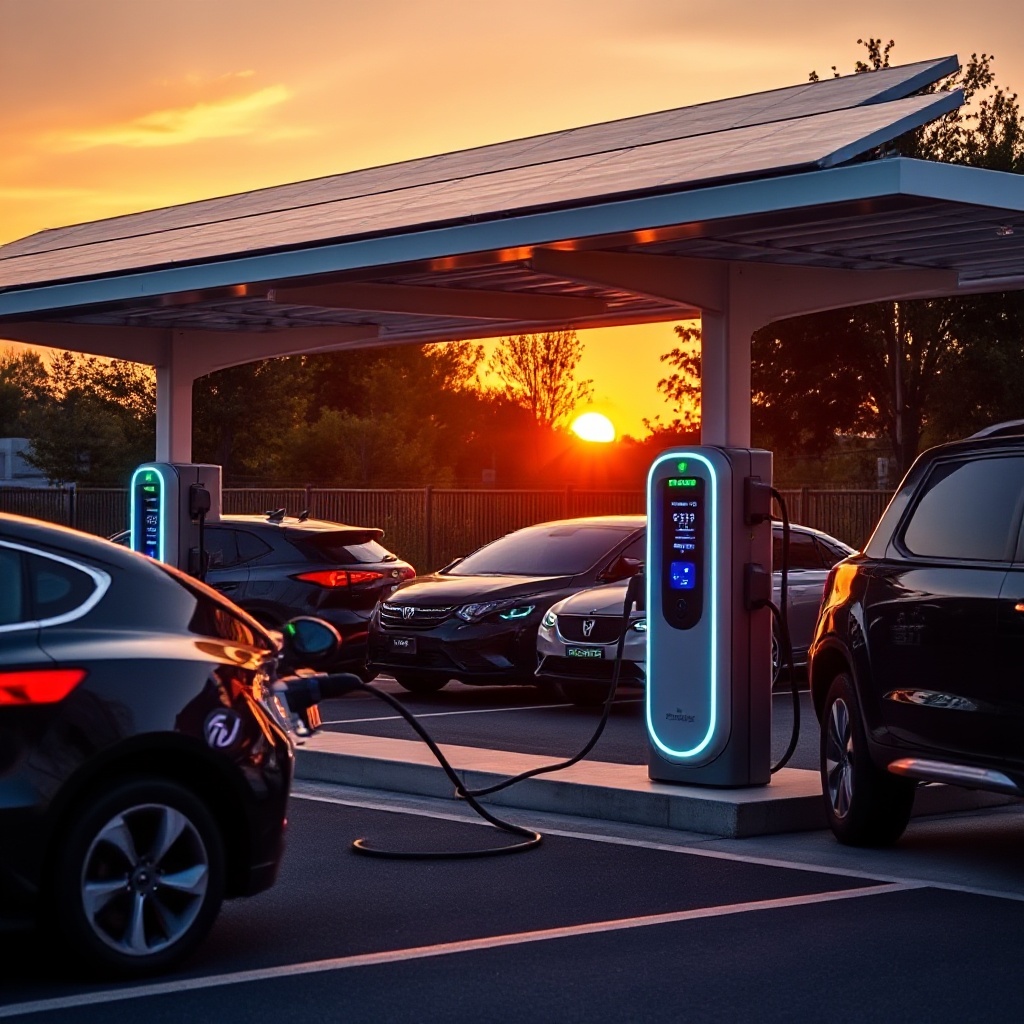
California leads the U.S. charging revolution with over 150,000 public and shared private chargers now operational, while federal initiatives aim to deploy 500,000 chargers nationwide. Perhaps most importantly for everyday EV drivers, charging speeds have dramatically improved. Today's ultra-fast DC chargers (up to 350 kW) can recharge EVs to 80% capacity in just 20 minutes, closely matching consumer expectations for quick, convenient refueling comparable to traditional gas stations.
Smart Software and Digital Transformation
The charging experience has been revolutionized through digital innovation and user-centered design. Modern charging stations now offer real-time availability updates, streamlined app-based payments, and dynamic pricing that significantly improve the user experience. This digital transformation extends beyond mere convenience features.
Today's charging networks actively collect and respond to user feedback through integrated mechanisms in apps and network platforms. This feedback loop allows operators to prioritize fixes and develop features based on direct customer input. Smart charging software further enhances the experience by optimizing energy management, scheduling charging during low-cost hours, and protecting EV battery health through intelligent power distribution.
Automakers have jumped into the fray with bundled offerings such as complimentary charging packages that measurably boost user engagement and satisfaction. These integrations create a more seamless experience for EV owners, removing friction points that previously discouraged potential adopters.
The Reliability Revolution: Data and Predictive Maintenance
One of the most significant advancements in EV charging has been the implementation of sophisticated real-time monitoring systems and predictive maintenance algorithms. These technologies have sharply reduced charger downtime, addressing what was previously a major pain point for EV owners.
Charging networks now employ automated alerts for equipment failures, remote diagnostics, and rapid-response maintenance teams that have measurably lowered out-of-service rates since 2021. AI-driven fault detection and cloud-based analytics flag potential charger malfunctions before users encounter them, dramatically improving reliability across networks.
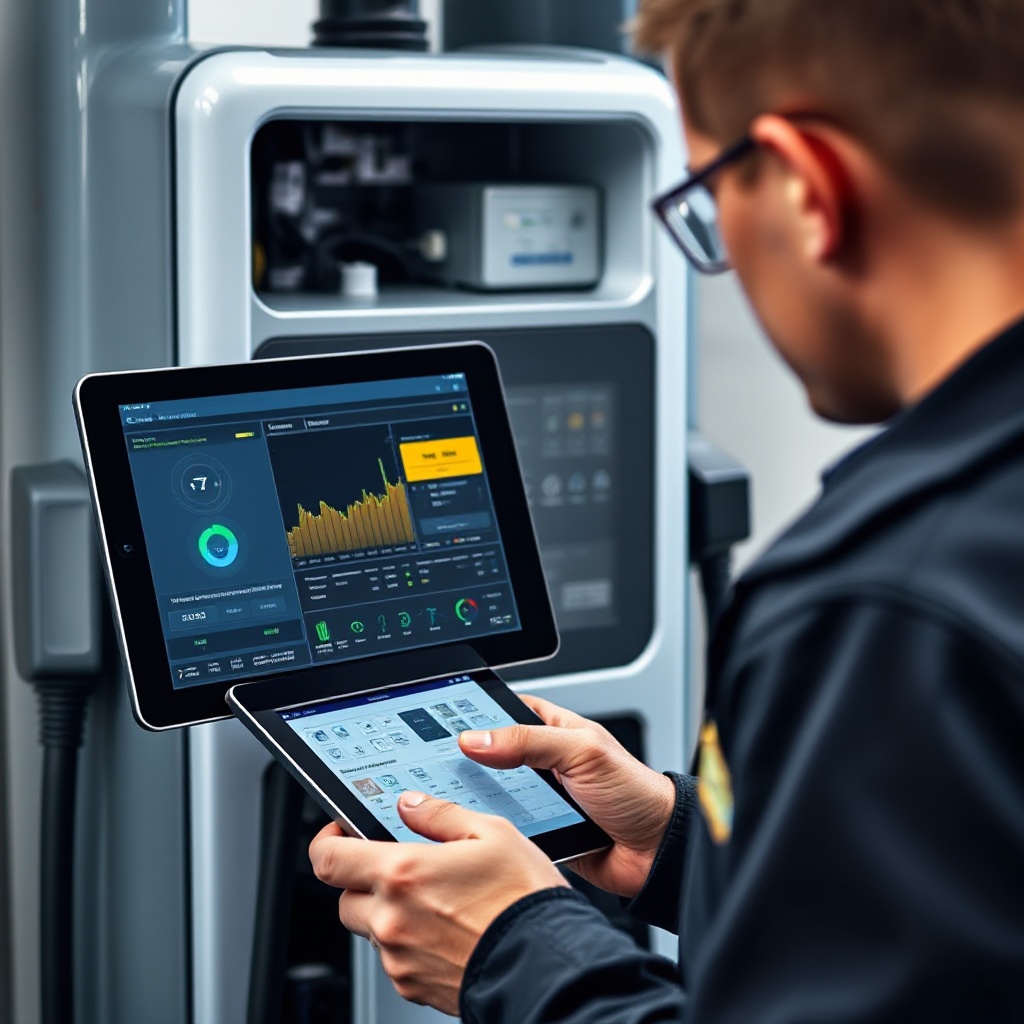
The results speak for themselves – these technological advances have led to significant drops in average downtime, with leading networks reporting 25-40% improvements in uptime statistics. This directly translates to fewer frustrated EV drivers and greater confidence in the reliability of public charging infrastructure.
Hardware Innovations Transforming the Charging Experience
Hardware upgrades represent another crucial dimension of the EV charging revolution. Ultra-fast DC chargers are increasingly installed at strategic locations like highway corridors, workplaces, and public spaces, effectively reducing range anxiety for long-distance travelers.
These hardware improvements include enhanced connector durability, higher charging throughput, and integration with renewable energy sources. The latter is particularly important for sustainability and grid resilience, with solar and wind power increasingly incorporated into charging stations alongside second-life EV batteries for energy storage.
Today's hardware solutions frequently feature modular designs that facilitate easier maintenance and future upgrades. This forward-thinking approach ensures charging infrastructure can evolve alongside rapidly advancing EV technology, preventing premature obsolescence and maximizing return on investment for operators.
Persistent Challenges in the Charging Ecosystem
Despite significant progress, several challenges persist in the EV charging landscape. Reliability remains higher for new DC fast chargers compared to many Level 2 chargers, with the latter suffering higher downtime rates and maintenance issues. This creates an uneven experience depending on charger type and location.
Customer frustrations continue with inconsistent payment systems, compatibility issues between vehicles and chargers, and gaps in real-time status reporting. Some regions face persistent permitting delays and utility upgrade hurdles, significantly slowing new station rollouts.
Standardization issues between charging networks and vehicle manufacturers create occasional compatibility problems that can confuse or frustrate users. These challenges highlight the need for continued industry coordination and standardization efforts to create a truly seamless charging experience for all EV owners.
Addressing "Charger Deserts" and Geographic Disparities
"Charger deserts" – areas with minimal or no public charging options – persist as a significant barrier to EV adoption, especially in rural regions and underserved urban neighborhoods. This geographic disparity threatens to create a two-tier system of EV accessibility based on location.
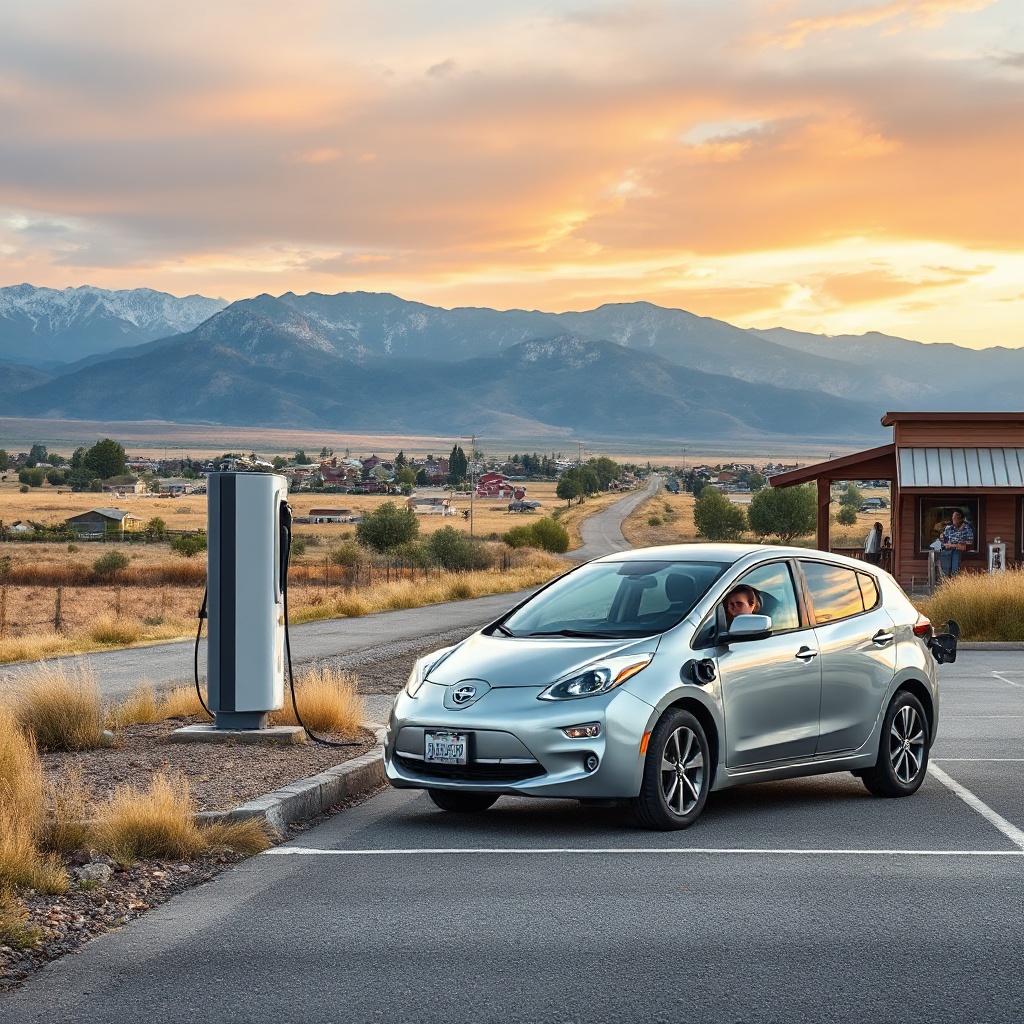
The U.S. Bipartisan Infrastructure Law provides $7.5 billion for EV charging, including $5 billion via the NEVI program specifically designed to fill infrastructure gaps. Additionally, competitive grants worth $2.5 billion aim to boost access in underserved and disadvantaged communities.
Despite this substantial funding, deployment remains slower than anticipated due to permitting complexities, supply chain constraints, and grid integration challenges. Many rural areas still lack adequate charging options, highlighting the need for continued focus on equitable infrastructure deployment that serves all communities.
Government Initiatives Accelerating Deployment
Federal programs are strategically targeting key corridors and underserved areas, with the NEVI program requiring stations every 50 miles along designated corridors. This approach ensures coverage along major travel routes while gradually filling in the charging network.
Permitting reforms and streamlined approval processes are being implemented in several states to accelerate deployment. These regulatory improvements remove bureaucratic obstacles that previously delayed or prevented charging station installations.
International models like Norway demonstrate that aggressive infrastructure investment and tight policy integration can successfully overcome charging network challenges. Local governments are increasingly mandating EV-ready building codes and charger installations at new developments, creating forward-looking infrastructure that anticipates future needs.
The Road Ahead: Partnerships and Future Technologies
Automaker investments and industry partnerships are accelerating, exemplified by Ford and SK Innovation's $11.4 billion investment in EV and charging technology. These collaborations bring together complementary expertise and resources to address charging challenges comprehensively.
The U.S. is projected to see a nearly tenfold increase in public charging stations by 2030, driven by policy support, private investment, and technological innovation. This dramatic expansion will fundamentally transform the charging landscape for current and future EV owners.
Vehicle-to-grid (V2G) technology is emerging as a potential game-changer, allowing EVs to support grid stability and create new revenue streams for owners. This bidirectional charging capability turns EVs from mere power consumers into active participants in the energy ecosystem.
Cross-industry collaborations between utilities, automakers, and charging networks are creating more seamless customer experiences. These partnerships break down traditional industry silos to deliver integrated solutions that address the full spectrum of EV charging needs, paving the way for mainstream electric mobility.
Sources
IEA - Global EV Outlook 2025: Electric Vehicle Charging
Auto EV Times - Public EV Charging Sees Notable Improvements in 2025
Universal EV Charging - Top 5 Trends Shaping EV Charging in 2025
Driivz - Top EV Charging Trends for 2025: Predictions
MDPI - Comprehensive Review of Electric Vehicle Technology and Its Impacts