Digital reliability now impacts car brands as much as mechanical performance. Poor apps and connectivity problems can damage reputations, with Mini and BMW leading in app satisfaction.

Drivetech Partners
In-car connectivity and smartphone apps have evolved from convenient extras to critical aspects of a vehicle's overall value proposition, directly impacting how customers perceive brand quality regardless of mechanical excellence. J.D. Power's latest U.S. OEM ICE App Report reveals a growing digital reliability crisis where buggy apps and connectivity issues can overshadow even the most mechanically sound vehicles, reshaping automotive brand reputations in ways traditional carmakers weren't prepared for.
Key Takeaways
Digital reliability issues now impact brand perception as significantly as mechanical problems, with J.D. Power warning of "profound negative consequences" for underperforming apps
Mini and BMW lead app satisfaction rankings by prioritizing fast access to core functions like lock/unlock and garage control—features that 69% and 66% of owners respectively want front and center
Historically respected brands like Mazda and GM are suffering reputation damage from poorly designed apps despite decent mechanical reliability
Software problems are becoming so critical that they're delaying product launches, as seen with reports of the next-generation Alfa Romeo Stelvio
Car shoppers should now treat OEM apps as part of the product rather than accessories, testing them before purchase and factoring app ratings into buying decisions
What the J.D. Power ICE App Report Measures and Why It Matters
The U.S. OEM ICE App Report is a comprehensive benchmarking study that evaluates smartphone applications for approximately 30 automotive manufacturers. This standardized assessment examines product performance, feature sets, usability, software quality, and the overall customer journey when using these companion apps for internal combustion engine vehicles.
Using a rankable index model, J.D. Power compares strengths and weaknesses across different manufacturers' apps, evaluating everything from basic functionality to how well they align with customer expectations. The report separates brands into mass-market and premium segments, issuing rankings that can significantly impact public perception.
What makes this report particularly influential is that J.D. Power issues a national press release with key findings, and high-performing brands can license the award for marketing purposes. This amplifies the impact of app performance on brand reputation far beyond just current owners, potentially influencing future purchase decisions.

What Owners Actually Want: Essential App Features vs. Marketing Fluff
J.D. Power's 2025 survey reveals a clear disconnect between what automakers prioritize in their apps and what customers actually want. According to the data, 69% of owners want lock/unlock functionality front and center in the app interface, while 66% prioritize garage access control as a primary function.
These findings challenge the common approach many automakers take with their apps, where marketing messages, upsell opportunities, and flashy 3D vehicle visualizations often take precedence over basic utility. Owners consistently express a preference for fast, single-tap access to core functions rather than navigating through complex menu structures.
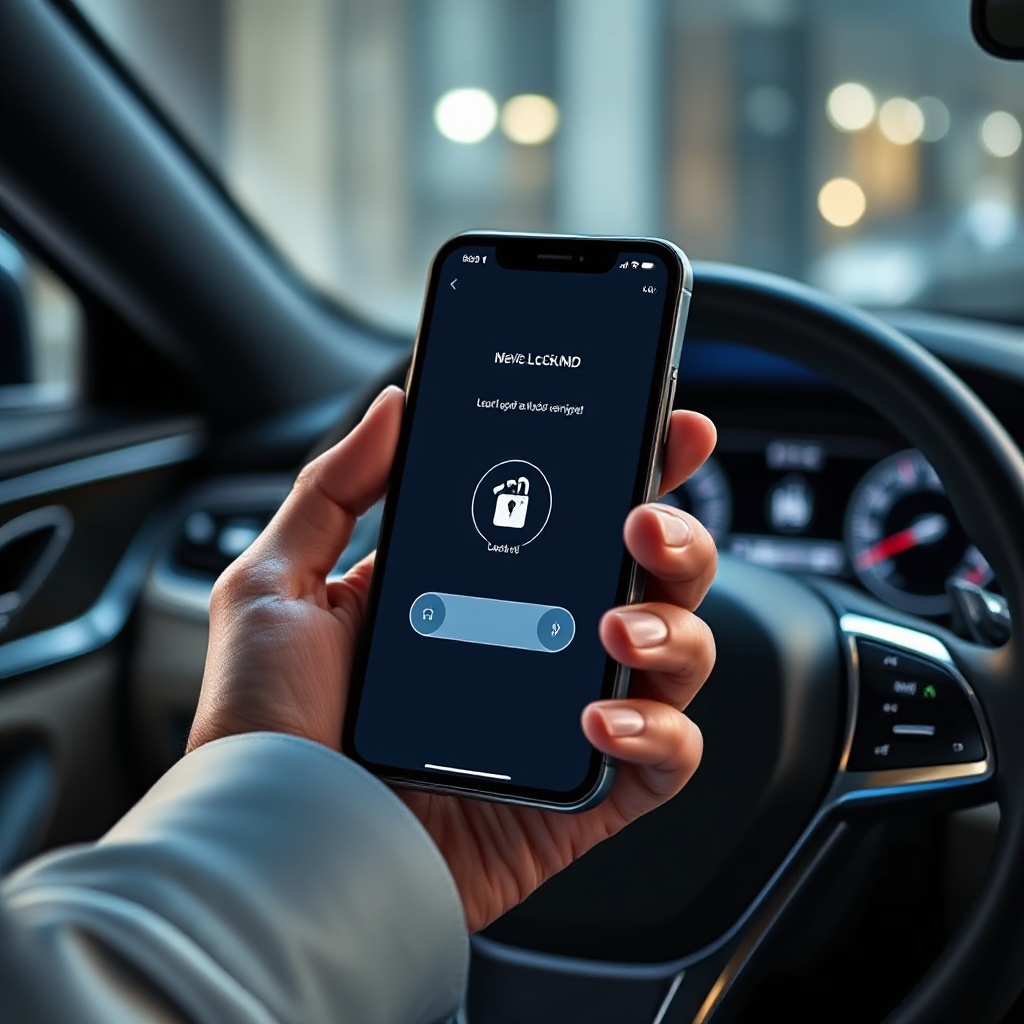
What's clear from the data is that information architecture, home-screen layout, and response times matter more to users than sheer feature count. Owners prefer apps that make high-frequency tasks immediately accessible rather than apps that boast extensive capabilities buried within confusing interfaces.
Mini and BMW: What Top Performers Are Getting Right
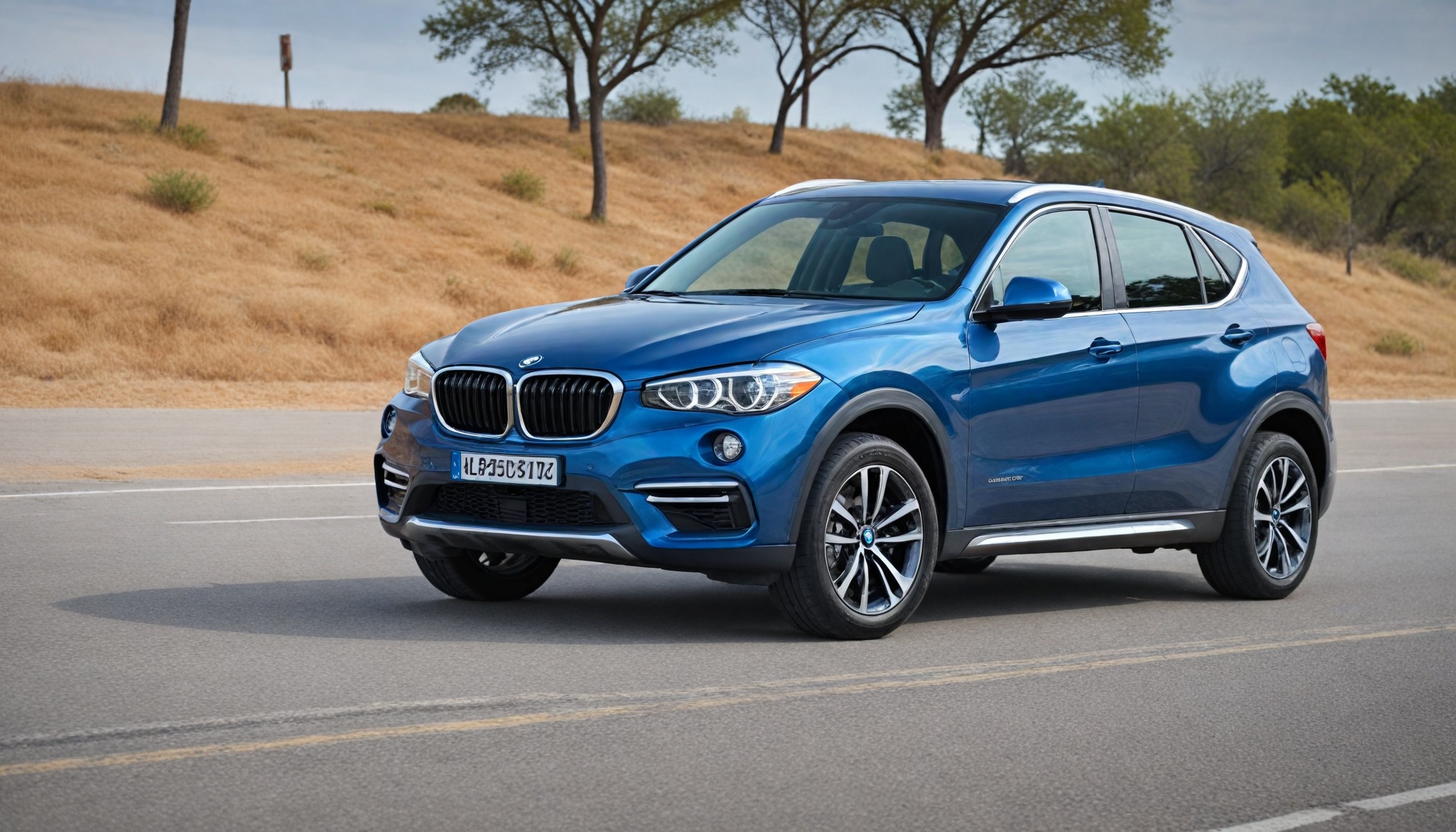
Mini and BMW have established themselves as leaders in app satisfaction, ranking at or near the top of J.D. Power's ICE App survey in their respective mass-market and premium segments. Their success isn't accidental but stems from thoughtful design principles aligned with user preferences.
Both brands' apps share key characteristics that drive high satisfaction:
Quick access to core functions like lock/unlock and vehicle status from the home screen
Fast, responsive interfaces with modern design conventions
Early adoption and reliable implementation of digital key features
Cross-device consistency between iOS and Android platforms
Regular updates that address bugs and add refinements
Unlike many competitors, BMW and Mini apps feel more like mature consumer software rather than afterthought utilities. Their design demonstrates that investment in user experience can become a meaningful brand differentiator, similar to how driving dynamics or interior quality might distinguish a vehicle in the showroom.
Mazda: When Software Drags Down a Historically Strong Brand
Mazda has built a strong reputation for driving dynamics, appealing design, and above-average mechanical reliability. However, the MyMazda app has become a significant weak point for the brand, with widespread owner criticism focusing on bugs, connectivity failures, and sluggish performance.
A simple search reveals an abundance of troubleshooting content around "My Mazda app not working," spanning multiple years and platforms. These guides typically focus on clearing cache, reinstalling, and other basic fixes—indicating persistent issues rather than isolated incidents. Owners frequently report problems connecting to their vehicles, inaccurate status updates, and having to repeatedly log in.
This digital friction creates a jarring contrast with Mazda's otherwise positive ownership experience. A customer might adore their CX-5's handling and build quality but still feel frustrated every time they attempt to remotely start their vehicle on a cold morning. These digital pain points risk eroding the goodwill built by Mazda's mechanical excellence.
GM Brands and Other Underperformers: When Poor Apps Damage Brand Perception
According to GM Authority's coverage of the 2025 J.D. Power OEM ICE App Report, every major GM U.S. brand—Buick, Chevrolet, Cadillac, and GMC—ranked below the industry average. This widespread underperformance is particularly noteworthy given GM's heavy marketing emphasis on connectivity features like OnStar and integrated infotainment systems.
This clustered poor performance reinforces a perception that the entire corporate group "doesn't get software," even if individual models excel in mechanical aspects. For a company investing heavily in future technologies like Ultium and Super Cruise, this digital disconnect undermines broader tech-forward messaging.
Similarly, Alfa Romeo faces software challenges that extend beyond just app performance. Reports from Italian media relayed by RonsRides suggest that software problems may delay the new Alfa Romeo Stelvio's launch until 2026, with software managing energy and power output not meeting expectations. This illustrates how digital competence has become central to product development timelines, not just a post-launch consideration.
How Connectivity Issues Became the New Reliability Problem
Connectivity reliability has emerged as equally important as mechanical dependability for many modern car owners. J.D. Power warns that as drivers increasingly rely on apps to enable vehicle features, "the negative consequences of not delivering what's expected are profound," including lower satisfaction scores, weaker loyalty, and negative word-of-mouth.
Historically, automotive reliability centered on powertrain durability, electronics, and physical components. Today's owners experience a new category of perceived unreliability through daily app failures, server downtime, and problematic over-the-air updates.
This shift in perception creates interesting contradictions in how owners evaluate their vehicles:
A mechanically flawless car with a buggy remote start function may be perceived as "unreliable"
Owners locked out because their digital key fails will blame the brand, not the technology concept
Perfectly functioning hardware can't overcome the frustration of connectivity issues
Consumer expectations are now calibrated by experiences with smartphone apps, banking services, and smart home systems. When car apps lag behind in responsiveness or stability, the contrast is immediately apparent and damaging.
The Road Forward: What Shoppers Should Know and What Automakers Must Do
For car shoppers, the growing importance of digital experiences means adjusting how you evaluate potential purchases:
Treat the OEM app as part of the product, not an accessory
Download and test demo versions of manufacturer apps before purchase when possible
Read recent app store reviews to identify recurring problems
Ask dealers about subscription requirements for connected features
Consider J.D. Power ICE App rankings alongside traditional quality metrics
Automakers facing this new reality need to fundamentally rethink their approach to software development:
Adopt continuous delivery practices with frequent, incremental updates
Invest in backend infrastructure to minimize outages and reduce latency
Use user research and testing to prioritize high-frequency tasks
Standardize platforms across brand portfolios while maintaining distinct brand identities
The ICE App Report helps brands identify problematic aspects of their apps, compare competitive strengths and weaknesses, and detect misalignments with customer requirements. Manufacturers that treat this feedback as an actionable development roadmap rather than just a scoreboard will gain advantage as digital experiences continue to shape brand perception.
Whether mass-market or premium, all automotive brands now face similar expectations for digital performance. The era when luxury brands could command higher standards for connectivity while mainstream brands got a pass is over—creating both challenges and opportunities for differentiation in an increasingly software-defined industry.
Sources
GM Authority - GM Brands Rank Poorly In J.D. Power 2025 OEM ICE App Report