AI revolutionizes EV charging by balancing speed with battery longevity through intelligent thermal management and adaptive protocols that respond to real-time conditions.

Drivetech Partners
Advanced battery management systems (BMS) employing artificial intelligence are revolutionizing the EV charging landscape, creating sophisticated solutions to counter the degradation effects of ultra-fast charging. These innovations aim to break the longstanding compromise between charging speed and battery longevity, allowing EV owners to enjoy rapid charging without sacrificing their vehicle's most expensive component.
Key Takeaways
- Data from 10,000 vehicles reveals significantly faster degradation in batteries frequently using DC fast charging, especially in hot climates
- AI-powered thermal management systems can predict potential battery issues before they occur, preventing dangerous thermal runaway events
- Smart charging protocols dynamically adjust current based on real-time battery conditions, protecting cells while maximizing charging speed
- Network-level charging intelligence could transform EVs into grid stabilization assets while optimizing battery health across entire fleets
- Consumer interfaces are evolving to help drivers make informed charging decisions that balance convenience with long-term battery health

The Hidden Cost of Fast Charging: Battery Degradation Revealed
While ultra-fast charging delivers undeniable convenience, it comes with hidden battery health costs. Comprehensive studies analyzing data from 10,000 vehicles have uncovered troubling patterns: EVs using DC fast charging three or more times monthly experience significantly accelerated battery degradation, particularly in hot climate regions.
Interestingly, researchers found no statistically significant difference in battery health between vehicles using Level 1 (standard household outlet) and Level 2 (240V home charger) charging. The real battery killers are extreme charge levels - keeping batteries near 100% full or allowing them to drop close to 0% empty.
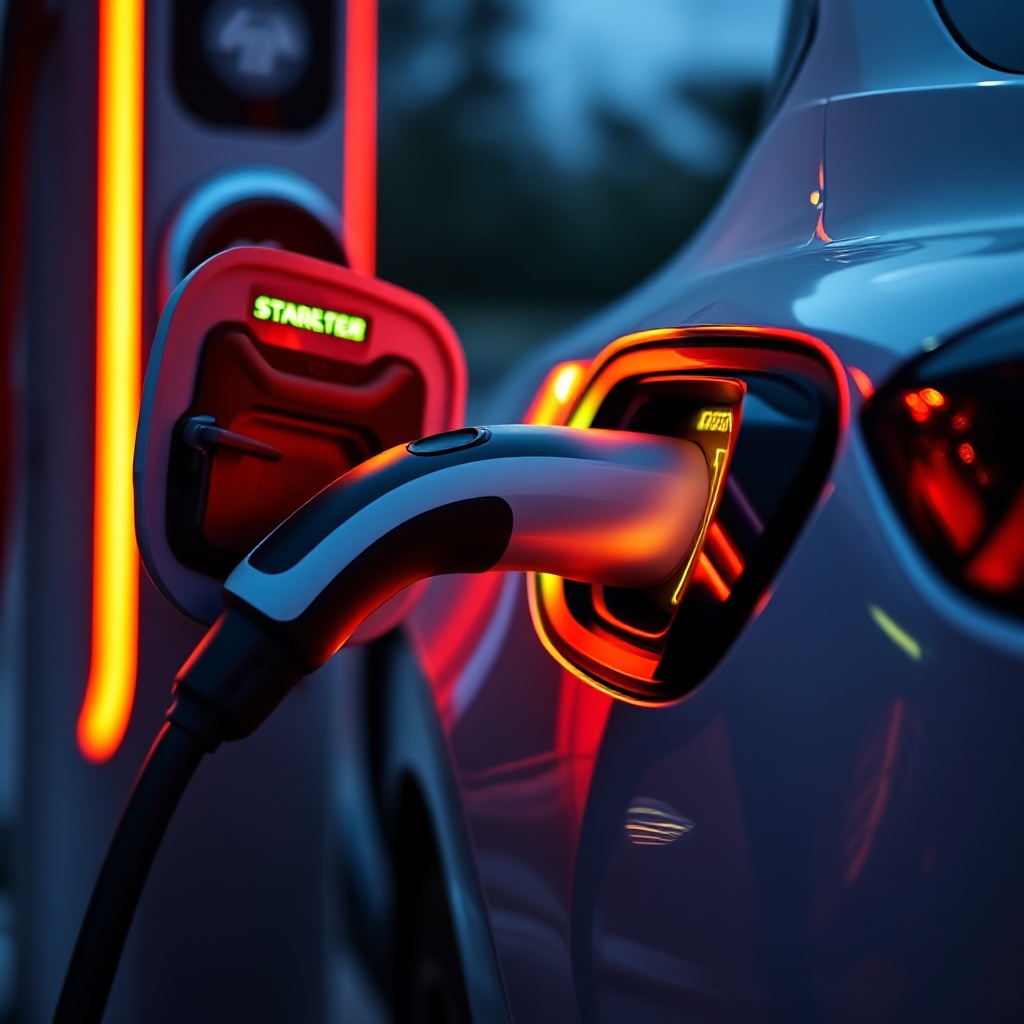
Modern EVs include protective charging buffer systems that prevent batteries from reaching true 0% or 100% states, even when displays show these values. These hidden buffers vary by manufacturer and model, with larger buffers generally resulting in slower degradation rates at the cost of some usable range.
AI-Powered Thermal Management: Preventing the Heat Problem
The primary mechanism behind fast-charging damage is heat. The massive power flow during DC fast charging generates substantial heat that, if not properly managed, accelerates chemical reactions that degrade battery components.
Next-generation battery management systems are tackling this challenge with sophisticated AI approaches. Hybrid physical-data models combine traditional battery modeling with Long Short-Term Memory (LSTM) neural networks to predict thermal runaway events before they can occur.
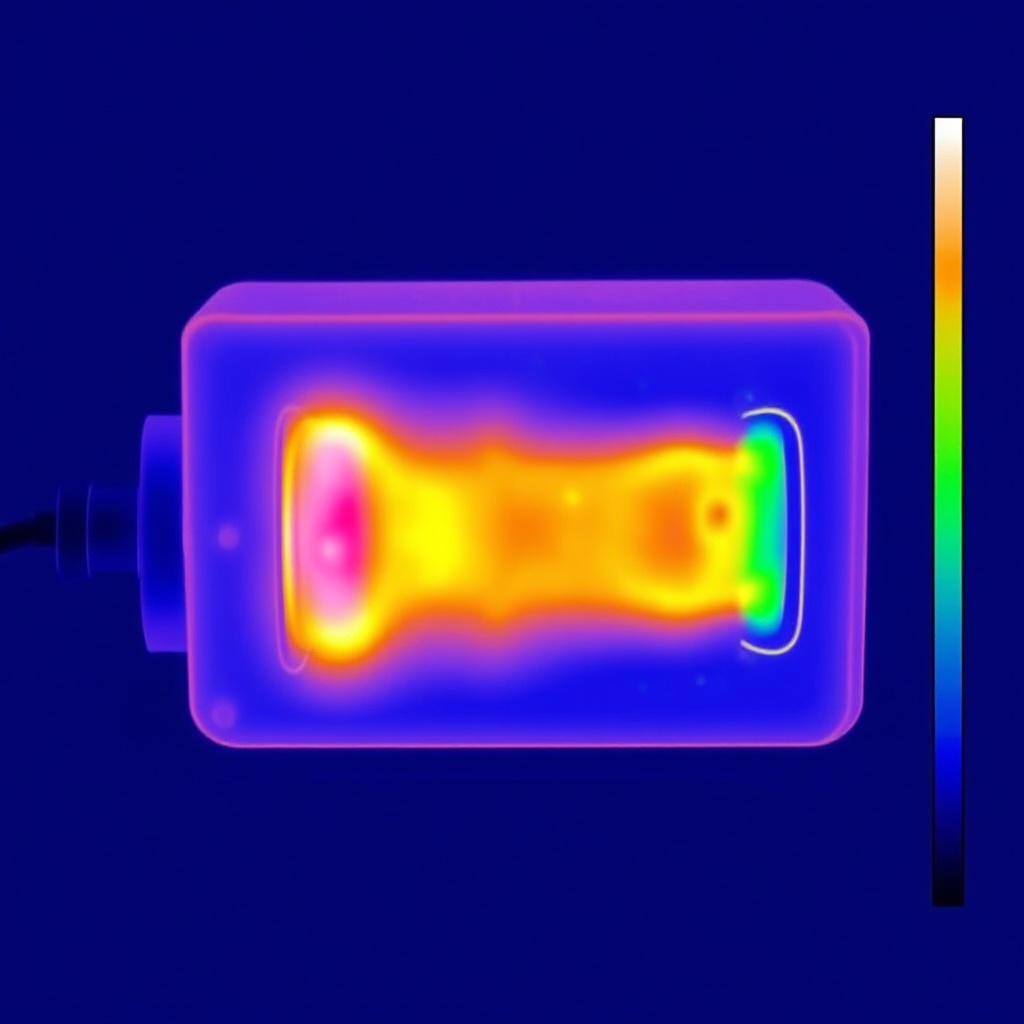
The University of Arizona has developed a machine learning model inspired by weather forecasting algorithms that can predict temperature spikes in lithium-ion batteries. Meanwhile, researchers at University of Technology, Baghdad have combined finite element analysis with neural networks to predict heat flux distribution with remarkable 0.87% RMSE accuracy.
The most advanced systems use immersed liquid cooling powered by AI that combines supervised learning with reinforcement learning for thermal optimization. These systems can adapt to changing conditions and prevent dangerous thermal events while maximizing charging speeds.
Smart Adaptive Charging: Real-Time Response Systems
Going beyond predictive capabilities, modern charging systems actively adapt to real-time conditions. Dynamic current adjustment systems determine optimal charging rates based on continuous monitoring of temperature, voltage, impedance, and other critical battery parameters.
LG Electronics has developed a sophisticated charging system that analyzes battery condition during the charging process to determine degradation level and adjusts charging parameters accordingly. These adaptive protocols modify current, duty cycle, and frequency to balance speed with battery protection.
Other innovative approaches include:
- DENSO's charge control device that monitors power differences between charger supply and actual battery input
- Pre-adjusted temperature matching systems that prepare battery temperature before vehicle arrival at charging stations
- Multilayer Perceptron algorithms that enable more accurate modeling of thermal behavior
These intelligent systems represent a fundamental shift from fixed charging profiles to dynamic charging experiences that adapt to each unique battery's condition, age, and environment.
Beyond Individual Vehicles: Network-Level Charging Intelligence
The future of battery management extends beyond single vehicles to encompass entire charging networks. Smart charging approaches now include V1G (unidirectional controlled charging), V2H/B (vehicle-to-home/building), and V2G (vehicle-to-grid) capabilities that transform EVs from simple power consumers to grid stabilization assets.
Ford has developed innovative charge port modifications allowing higher AC charging power without changing physical connectors, by using DC fast charging pins to receive additional AC current. This kind of creative engineering will become increasingly important as we build infrastructure to support growing EV adoption.
As electric vehicles become mainstream, we'll need sophisticated systems to track, manage, and optimize battery performance across millions of vehicles. This network approach will integrate charging systems with broader energy grid management, potentially creating new economic opportunities for vehicle owners who allow their batteries to participate in grid services.
Accelerating Battery Innovation Through Data
The increasing availability of battery testing data is enabling a revolution in how we develop and validate new battery technologies. AI-enabled methods can predict cycle life and identify promising cells much faster than traditional approaches.
Deep reinforcement learning enables adaptive capabilities that improve energy efficiency and extend battery life even in dynamic environments. These self-learning systems continuously improve their performance based on real-world data.
Building the infrastructure needed for this data-driven innovation presents challenges, including:
- Creating standardized data formats for battery performance metrics
- Ensuring data security while enabling research access
- Developing systems that can process massive datasets from millions of vehicles
- Maintaining privacy while extracting valuable usage patterns
Companies that solve these challenges will gain significant competitive advantages in battery development, potentially reducing product development time from years to months.
The Consumer Experience: Balancing Convenience and Cost
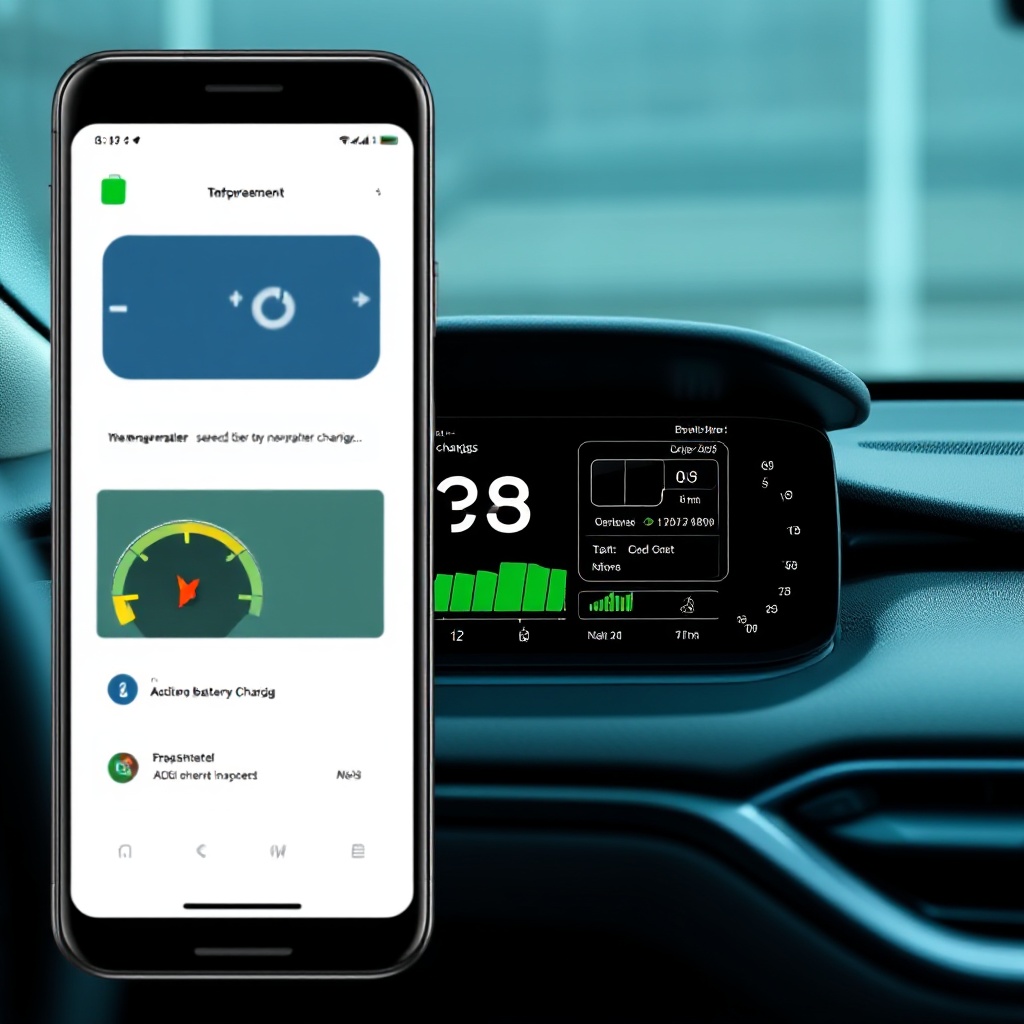
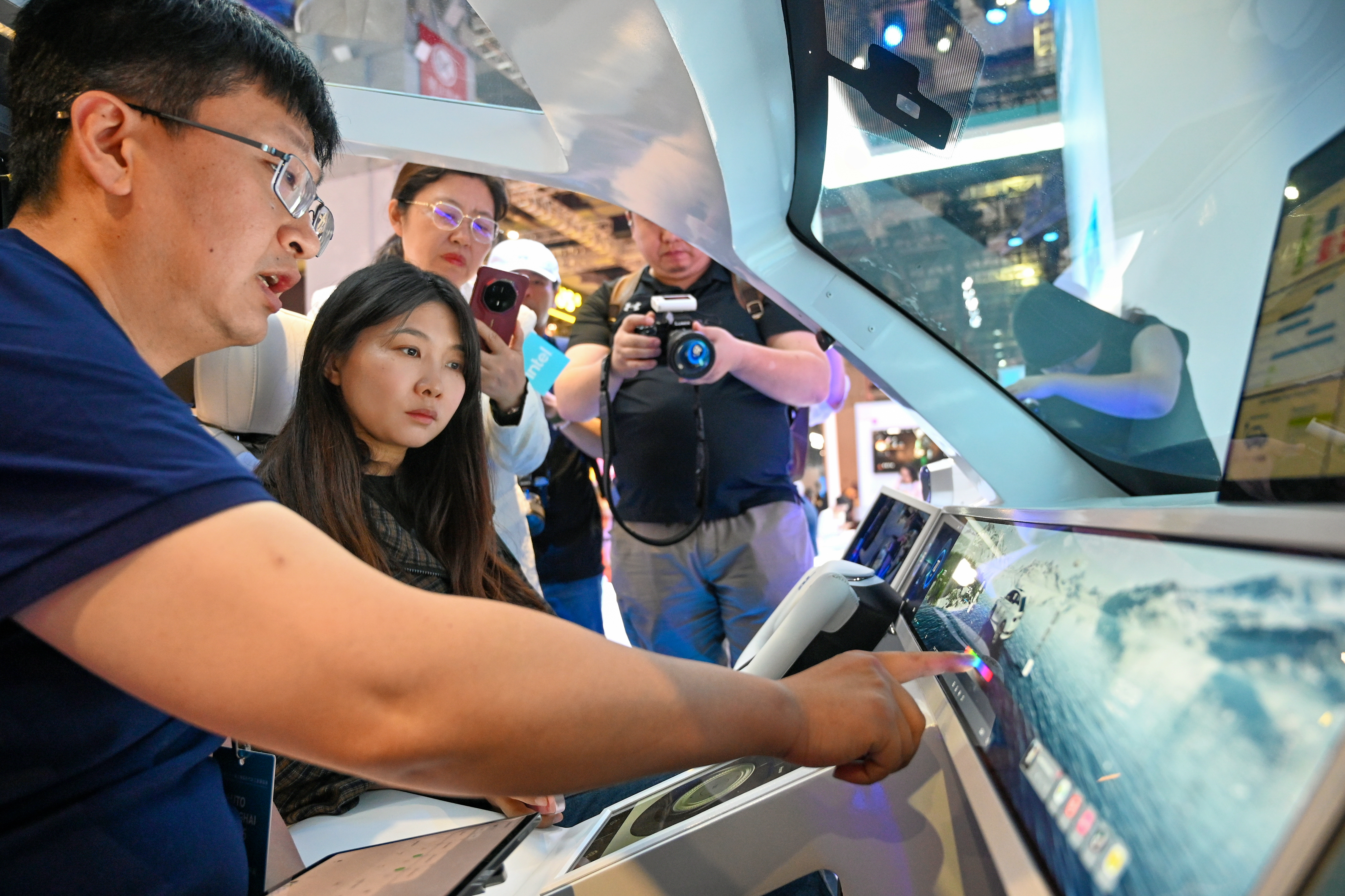
For everyday EV drivers, these advanced BMS technologies will transform the charging experience. User interfaces are evolving to help drivers make informed charging decisions that balance convenience with long-term battery health.
Modern EV dashboards and smartphone apps now display real-time battery management data during charging, including charging speed, temperature readings, and estimated battery health impact. This transparency helps drivers understand the economic tradeoffs between fast charging convenience and potential battery replacement costs.
We're likely to see the emergence of subscription or tiered charging services based on speed vs. battery preservation needs. Some drivers might opt for battery-preserving modes most of the time, reserving ultra-fast charging for occasional road trips, while others might prioritize speed and accept more frequent battery replacements.
Predictive maintenance features will also become standard, with systems alerting drivers to potential issues before they affect performance and recommending optimal charging patterns based on individual usage habits.
Regulatory and Standards Implications
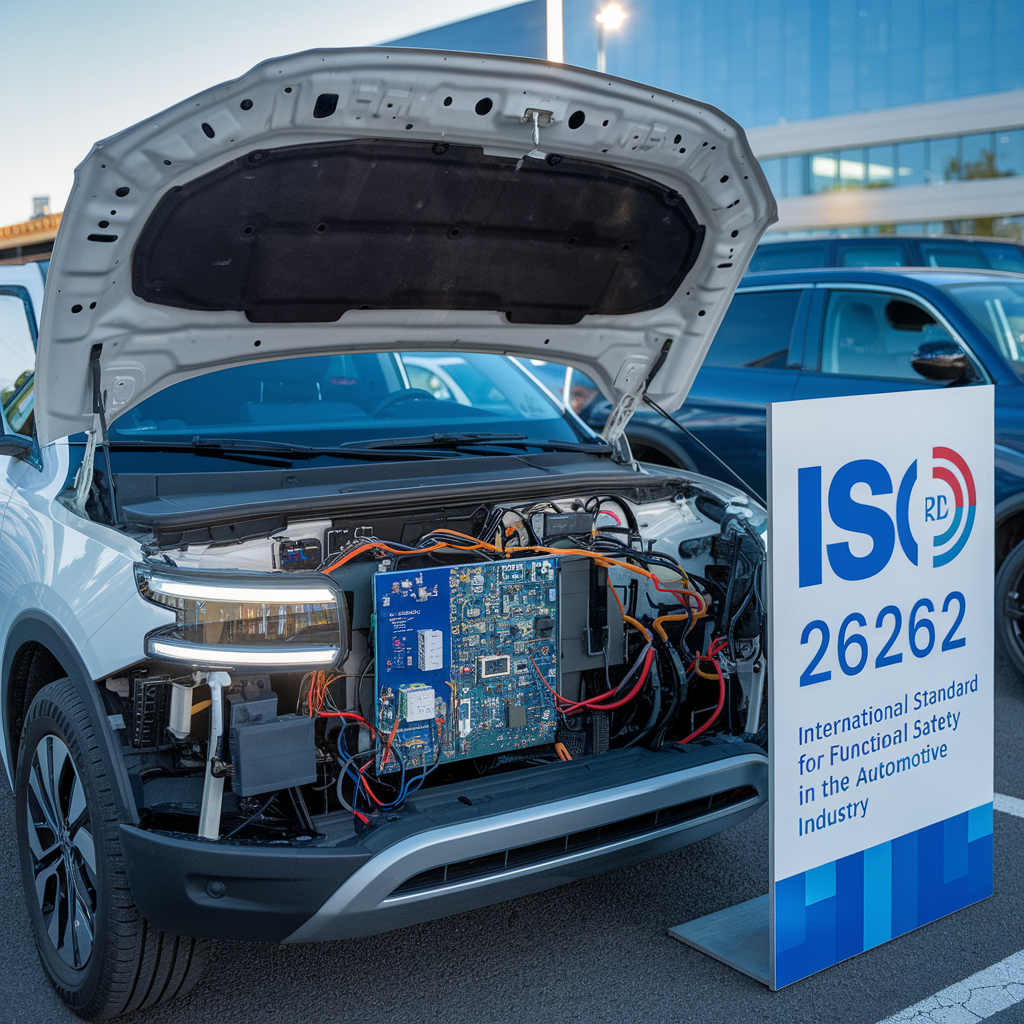
The rapid evolution of battery management technologies is forcing regulatory frameworks to adapt. Safety certification for AI-controlled charging systems presents unique challenges since these systems constantly evolve based on new data.
Vehicle warranties are also being reconsidered as manufacturers gain more visibility into how charging behaviors affect battery life. Some companies are exploring dynamic warranty terms that reflect actual usage patterns rather than simple time/mileage limits.
International differences in charging regulation impact global EV markets, with some regions prioritizing safety while others focus on interoperability or grid impacts. Harmonizing these approaches will be crucial for global EV adoption.
As standards bodies develop frameworks for evaluating and certifying AI-enhanced charging systems, they'll need to balance innovation with consumer protection, ensuring that new technologies deliver both convenience and reliability.
Sources
xray.greyb.com: AI Thermal Management
eurekalert.org: News Releases 1078737
ibm.com: AI EV Batteries
electronicdesign.com: The Role of AI in Automotive Battery Management Systems
geotab.com: EV Battery Health
irena.org: Innovation Outlook EV Smart Charging 2019