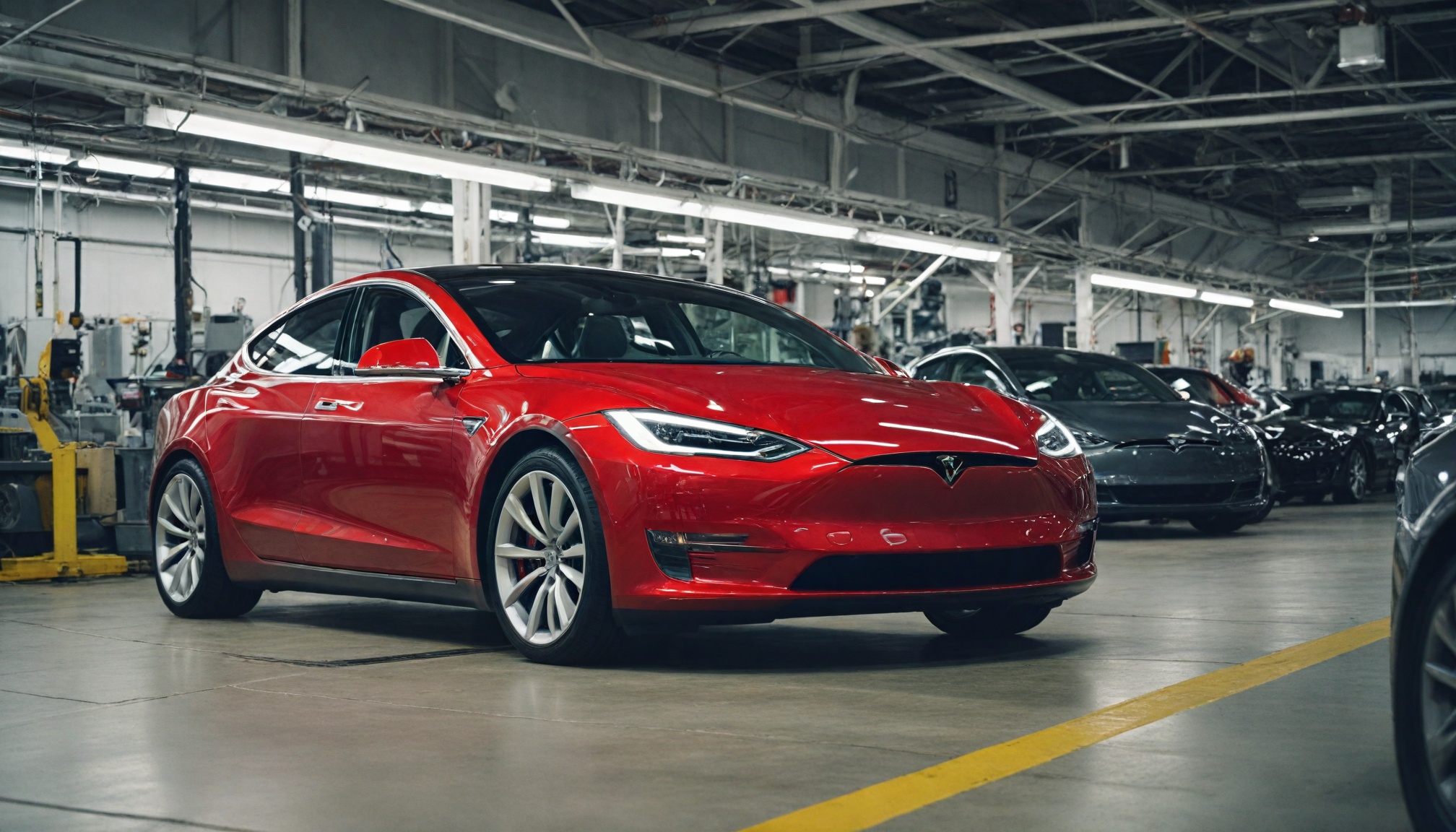
Tesla revolutionizes auto manufacturing with industry-leading domestic content, establishing a vast North American network that outpaces competitors and reshapes what "American-made" means in the EV era.

Drivetech Partners
Tesla is revolutionizing American auto manufacturing with an ambitious push to localize its supply chains across North America, achieving industry-leading domestic content percentages in its vehicles. While traditional automakers often rely heavily on international components, Tesla has established a vast manufacturing network throughout the United States and Mexico that's reshaping what it means to be "American-made" in the electric vehicle era.
Key Takeaways
- Tesla's 2025 Model 3 leads the industry with 75% North American parts content, dramatically outpacing competitors like the Ford F-150 Lightning (29%)
- The company operates four major U.S. facilities with a new Gigafactory planned in Mexico, creating thousands of manufacturing jobs
- Tesla's expansion is shifting automotive geography outside traditional "auto alley" regions, particularly boosting Austin's economic growth
- Vertical integration strategies, including a new Texas lithium refinery, are reducing dependency on international suppliers
- Legacy automakers are being forced to reconsider their supply chain strategies in response to Tesla's domestic sourcing achievements
Tesla's North American Manufacturing Empire
Tesla has built a massive manufacturing footprint across North America, operating four major U.S. facilities: Fremont (California), Gigafactory Texas (Austin), Gigafactory Nevada, and Gigafactory New York. The Fremont Factory alone produced over 560,000 vehicles in 2023 and surpassed a historic milestone of 3 million EVs by May 2024. The company's total production reached over 1.77 million vehicles in 2023, with 1.79 million sold.
The company's employment impact is equally impressive, with over 20,000 workers at the Fremont Factory alone. Tesla isn't stopping there – a new Gigafactory planned in Monterrey, Mexico, is scheduled to open in 2026, further expanding the company's North American presence.
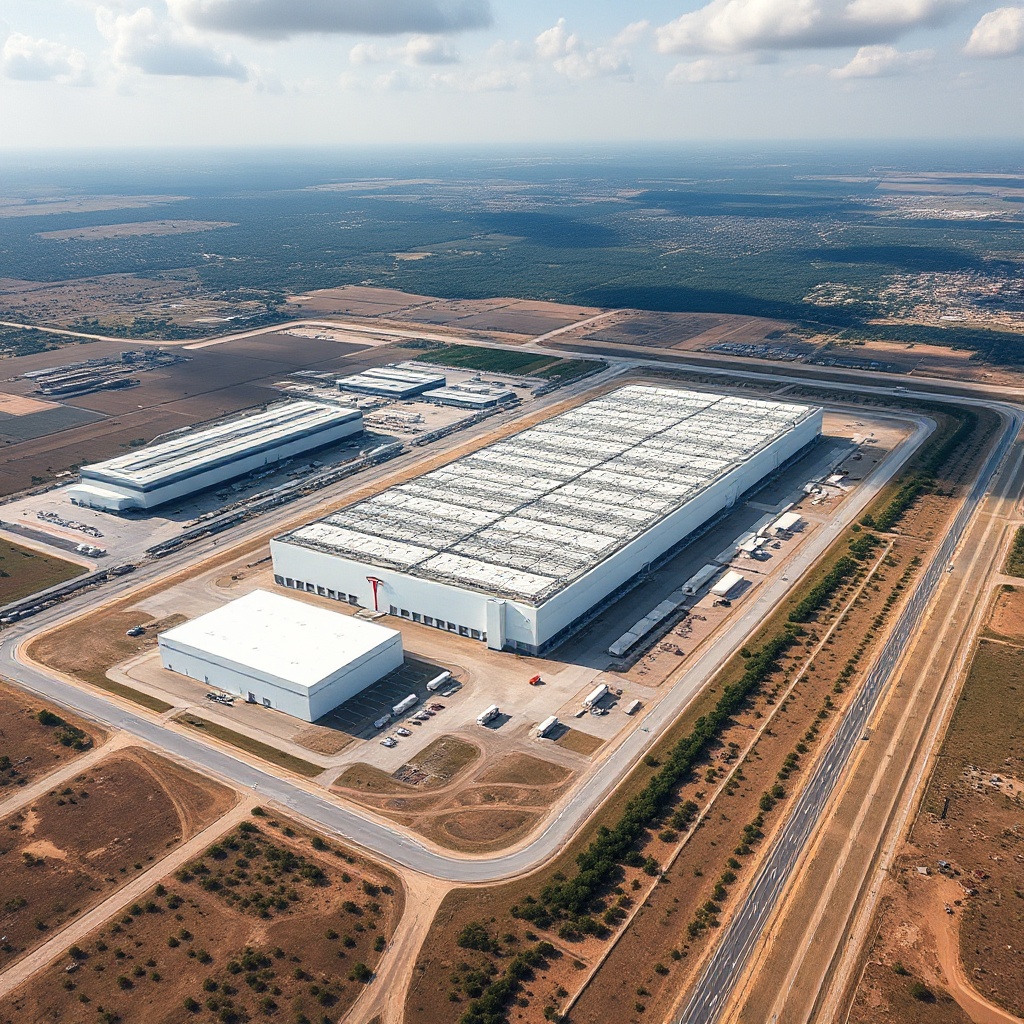
This manufacturing network represents a strategic commitment to producing electric vehicles within North America, bucking the industry trend of heavy reliance on overseas factories and suppliers. By focusing on regional production, Tesla can better control quality, reduce logistics costs, and minimize supply chain vulnerabilities.
Industry-Leading North American Parts Content
According to NHTSA data, Tesla's 2025 models have the highest percentage of North American parts content in the automotive industry. The Model 3 Long Range AWD/RWD leads with an impressive 75% North American parts content, while the Model 3 Performance and all Model Y variants contain 70% North American parts.
Even Tesla's newest vehicle, the Cybertruck, contains 65% North American parts, making it the second highest among electric trucks and putting it ahead of all American competitors. The Model S (65%) and Model X (60%) also feature high domestic content percentages.
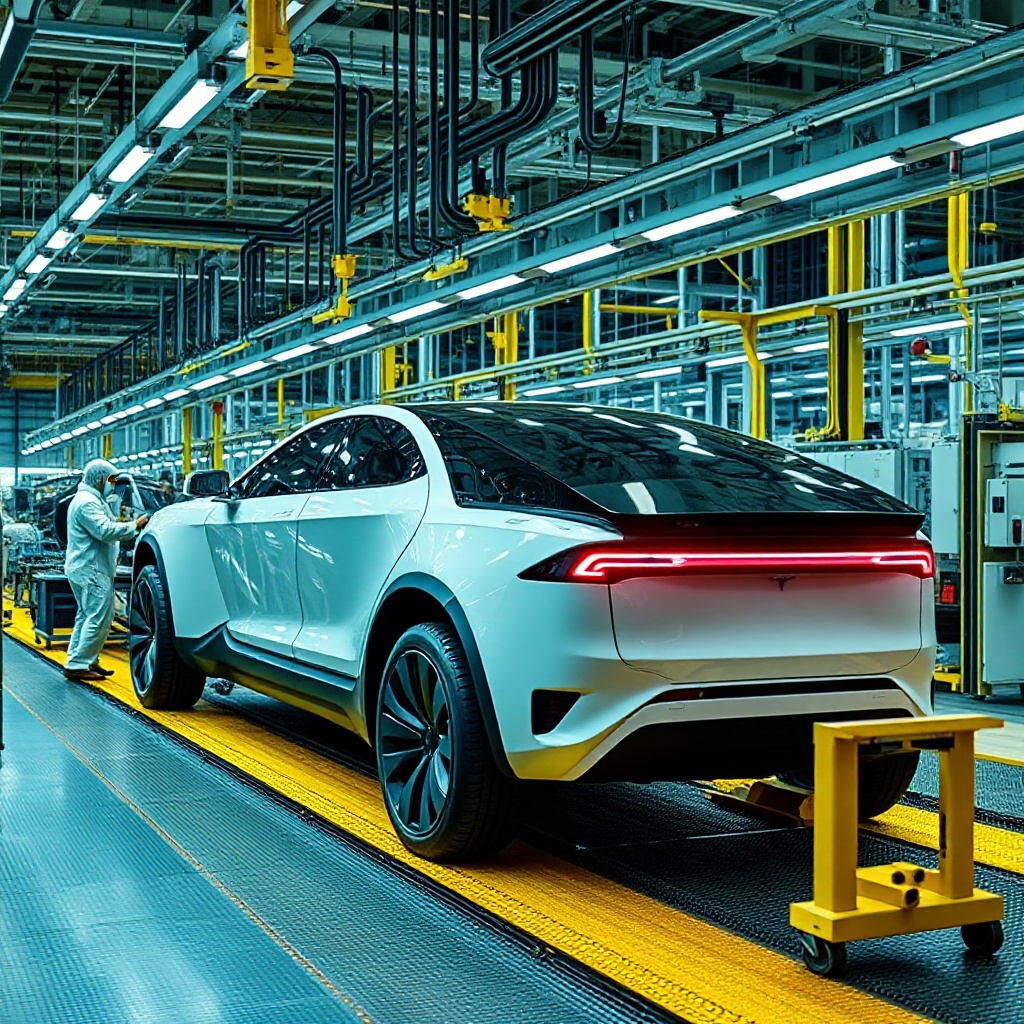
These figures stand in stark contrast to competitors. For comparison, the GMC Sierra EV contains only 36% North American parts, while the Ford F-150 Lightning has just 29%. Many "Big Three" Detroit automakers source as little as 1% domestic content for some models, despite their American branding.
Redefining "American-Made" in the Electric Era
Tesla is challenging traditional notions of what constitutes an "American-made" vehicle with its industry-leading domestic content. The company outpaces both legacy Detroit automakers and new EV entrants in North American content percentage, creating a new standard for domestic manufacturing in the electric era.
Current policy incentives, including U.S. EV tax credits, favor higher local content, giving Tesla a competitive advantage. Most competitors significantly trail Tesla in domestic sourcing, particularly for critical components like batteries and power electronics.
This approach may establish new benchmarks for what consumers and policymakers consider truly "American-made" vehicles. As electric vehicles continue to gain market share, Tesla's focus on domestic content could reshape consumer expectations about where their vehicles and components should be manufactured.
Economic Transformation of Auto Manufacturing Regions
U.S. light vehicle production is projected to rise 8.6% from 2023 to 2029, with disproportionate growth attributed to Tesla's Texas facility. The company's expansion is geographically shifting North American automotive production outside the traditional "auto alley" that has dominated American car manufacturing for decades.
Austin, Texas is projected for significant manufacturing growth due directly to Tesla's presence. The Gigafactory Texas facility is not just creating direct jobs but also attracting suppliers and service providers to the region, creating a multiplier effect on the local economy.
Tesla's localization strategy creates robust regional supply networks, embedding EV production throughout the U.S. and Mexico. This manufacturing approach is reshaping regional economic development patterns, potentially creating new automotive hubs outside of traditional manufacturing centers.
Battery and Component Localization Strategy
Tesla is building a lithium refinery in Texas to further localize battery material processing, a critical step in reducing dependence on international suppliers. This move aligns with the company's strategic focus on vertical integration of critical components, particularly battery production.
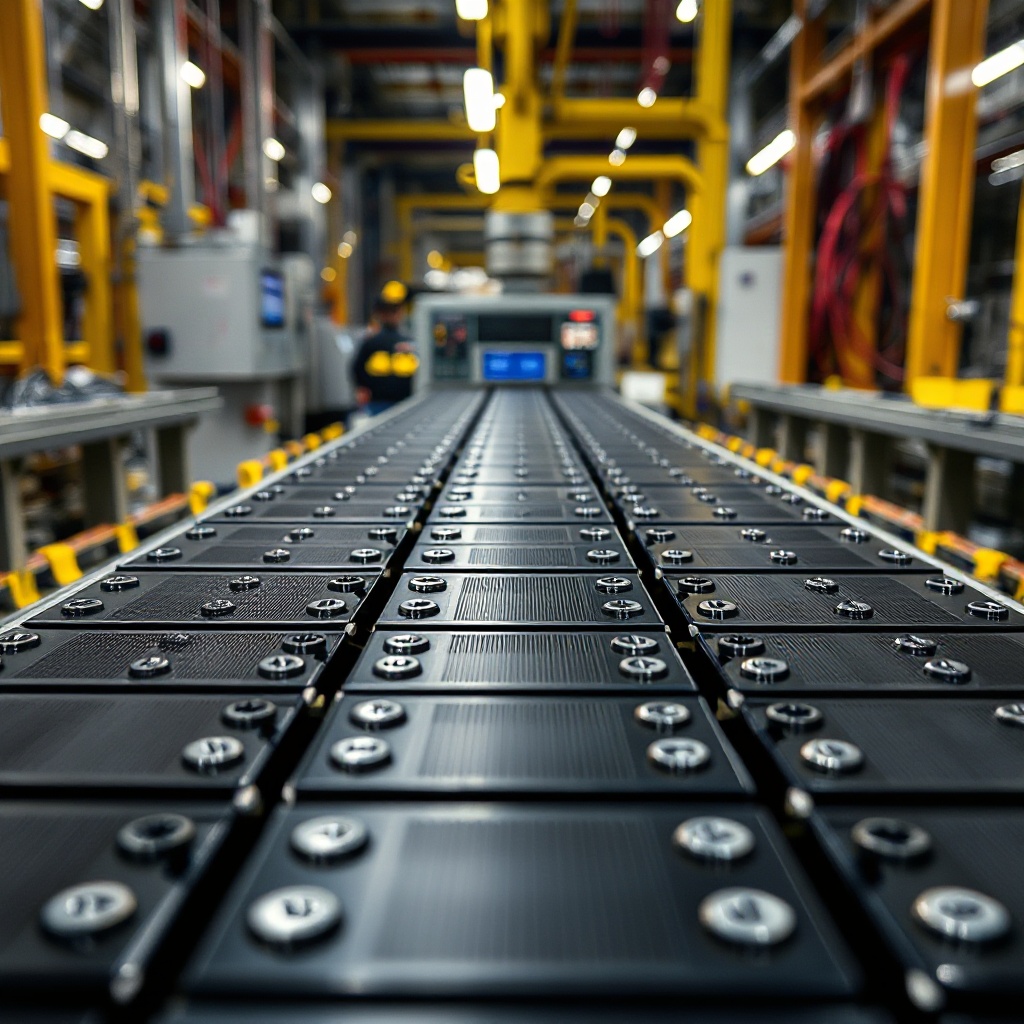
The development of a North American battery supply chain reduces dependency on international suppliers and provides resilience against global supply chain disruptions. Local component sourcing gives Tesla competitive advantages in securing critical materials, particularly important as demand for battery minerals continues to rise globally.
This vertical integration strategy extends beyond batteries to other key components, allowing Tesla to maintain tighter control over quality, costs, and production timelines while reducing exposure to international shipping delays and tariffs.
Production Challenges and Evolving Manufacturing Approaches
Tesla's journey hasn't been without obstacles. The infamous "production hell" during the Model 3 ramp-up revealed risks of over-automation and reliance on single-source suppliers. This challenging period forced Tesla to evolve from excessive automation to a more balanced approach combining high-tech production with human oversight.
The company's current manufacturing strategy blends automation with strategic manual processes, recognizing that some tasks are still better performed by skilled workers. Supply chain bottlenecks persist, particularly for battery raw materials, and scaling up domestic component suppliers remains an ongoing challenge.
Tesla's manufacturing evolution demonstrates the importance of flexibility and adaptation in building a domestic supply chain. The company continues to refine its approach, finding the right balance between automation, manual labor, and supplier development to support its ambitious production goals.
Competitive Landscape and Industry Response
Tesla's domestic sourcing achievements are forcing competitors to reconsider their strategies. Legacy automakers struggle to match Tesla's North American content percentages, with many still heavily dependent on international suppliers, particularly for EV-specific components.
There's a gradual industry trend toward higher domestic content, though progress remains uneven. Competitive pressure from Tesla drives industry-wide localization initiatives as other manufacturers realize the benefits of shortened supply chains and reduced logistics complexity.
Consumer awareness of domestic content percentages creates a market advantage for Tesla, especially among buyers who prioritize American-made products. As this information becomes more widely available through NHTSA data and marketing, it may further influence purchasing decisions and push the entire industry toward higher North American content.
Future Outlook for North American EV Manufacturing
U.S. EV production capacity is expanding significantly, with Tesla leading the charge. The planned Monterrey, Mexico Gigafactory will further strengthen Tesla's North American manufacturing network, creating a cross-border production ecosystem that leverages the advantages of both countries.
Tesla continues to push for higher domestic content across its product lineup, setting an example for the rest of the industry. While there's an industry-wide shift toward North American production, Tesla maintains a substantial lead in both manufacturing capacity and local content percentage.
This gives Tesla a long-term strategic advantage through established local supply chains and manufacturing expertise. As the EV market continues to grow, Tesla's early investments in North American manufacturing position it to benefit from policy incentives, consumer preferences, and the operational efficiencies of localized production.
Sources: Tridens Technology: Tesla Sales Statistics, Automotive Manufacturing Solutions: Tesla's EV battery production, Not a Tesla App: Tesla Reveals Percentage of Parts Made in North America, Arcoche: Tesla's Dominance in North American Parts Manufacturing, Chicago Fed: The Emerging Geography of Electric Vehicle Production