Discover how AI, IoT, and satellite tech revolutionize road safety with predictive analytics, creating intelligent networks that prevent accidents before they happen.

Drivetech Partners
Digital technologies are transforming road safety from a reactive to a predictive discipline, with artificial intelligence, IoT devices, and satellite systems working in concert to create intelligent transportation networks. These interconnected technologies are revolutionizing how we detect hazards, manage traffic, and prevent accidents—ultimately creating roads that actively participate in keeping their users safe rather than serving as passive surfaces for travel.
Key Takeaways
- The integration of AI, IoT, and satellite technologies is transforming traditional road infrastructure into intelligent networks capable of anticipating dangers before accidents happen
- Real-time data from multiple sources enables predictive analytics that can identify high-risk situations and trigger automated safety responses
- The road safety technology market is projected to grow from $24.34 billion in 2025 to $61.97 billion by 2034 at a 10.94% CAGR
- These technologies are extending safety benefits to rural and remote areas that previously lacked adequate monitoring and emergency response capabilities
- Smart infrastructure creates the necessary foundation for autonomous vehicle adoption by providing the data-rich environment self-driving cars need to operate safely

The Convergence of Digital Technologies Creating Proactive Road Safety Systems
The traditional approach to road safety has been largely reactive—analyzing crash data after accidents occur and making slow, incremental changes to infrastructure. Now, the combination of artificial intelligence, IoT, and satellites is creating a paradigm shift toward proactive safety systems that can predict and prevent accidents before they happen.
This digital convergence enables real-time hazard detection, automated responses, and dynamic traffic management across both urban centers and rural roadways. Vision Zero initiatives—which aim to eliminate all traffic fatalities—are gaining momentum as these technologies provide the tools needed to shift from reactive to predictive safety approaches.
The market recognizes this potential, with projections showing the road safety technology sector growing from $24.34 billion in 2025 to $61.97 billion by 2034, representing a compound annual growth rate of 10.94%. This rapid expansion reflects both the effectiveness of these technologies and the growing commitment to improving road safety worldwide.

AI-Powered Analytics: Predicting and Preventing Accidents Before They Happen
AI systems now analyze real-time traffic patterns to predict congestion and hazards before they result in crashes. This marks a significant advancement from traditional safety measures that could only react after accidents occurred.
Advanced computer vision technology detects "near-miss" incidents involving various road users—vehicles, cyclists, e-scooters, and pedestrians. These near-misses, previously invisible to transportation planners, provide crucial data about accident precursors without waiting for actual crashes to occur.
Cities like Austin have implemented these systems to identify specific risk patterns and enable immediate, data-driven interventions. The impact has been substantial: AI analytics reduce the time needed to measure intervention effectiveness from years to months, allowing for much faster safety improvements.
Dynamic traffic signal control systems powered by AI optimize traffic flow and reduce collision potential in real-time. These systems can:
- Extend green lights when congestion is detected
- Create "green waves" for emergency vehicles
- Adjust signal timing based on pedestrian presence
- Respond to unusual traffic patterns during events or emergencies
IoT Infrastructure: Creating Responsive and Connected Road Networks
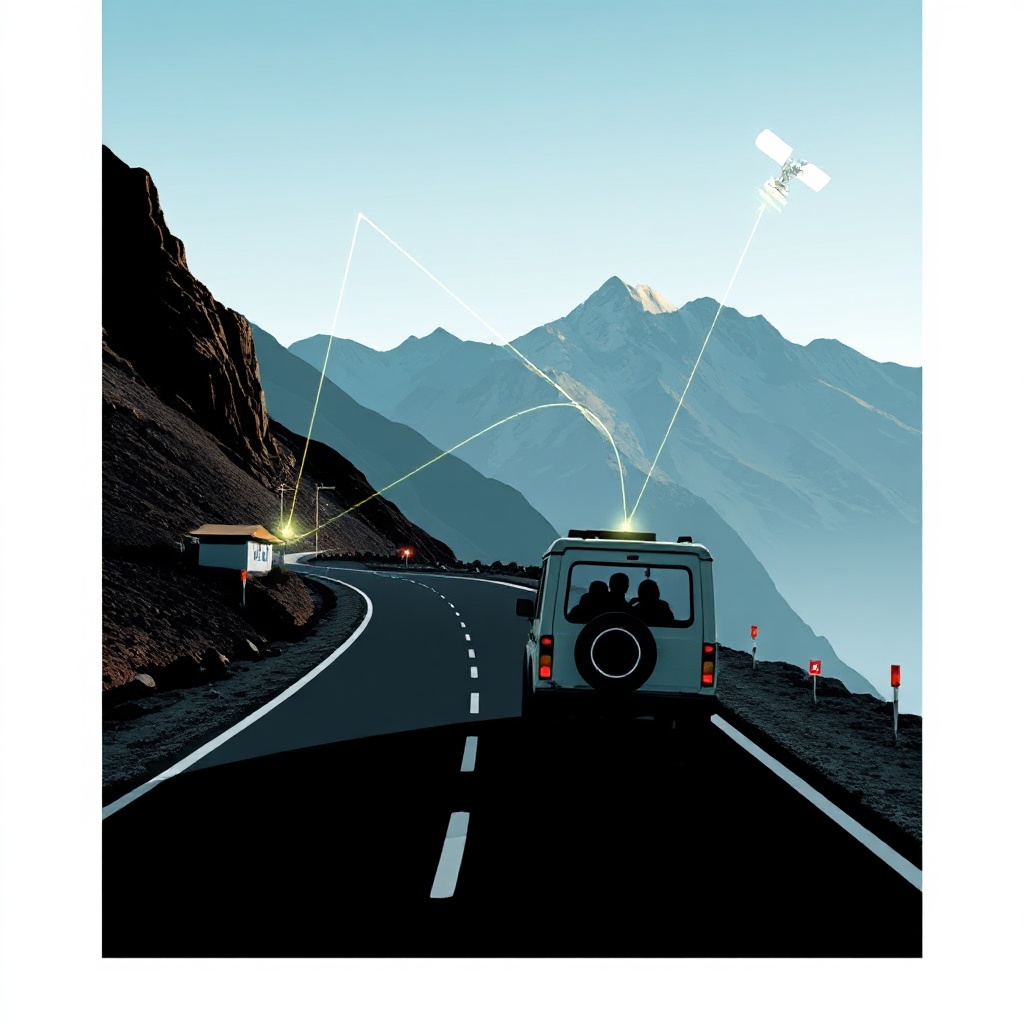
Networks of smart cameras, sensors, and connected traffic lights now enable automated monitoring of vehicle speeds and pedestrian activity across entire cities. This continuous data collection creates a comprehensive picture of traffic patterns and potential hazards.
Vehicle-to-Everything (V2X) communication represents a significant leap forward, allowing vehicles to interact with traffic signals, pedestrian devices, and other vehicles. This constant exchange of information helps drivers—both human and automated—to make better decisions based on real-time conditions.
IoT sensors facilitate seamless data collection and support automated license plate recognition for detailed road use analysis. The data gathered helps identify trouble spots before accidents occur and measure the effectiveness of safety interventions.
Unlike traditional ground-based technologies with limited coverage, modern IoT systems enable citywide or even nationwide incident detection and management. This expanded monitoring capability results in faster, data-driven decisions and more precise targeting of safety interventions.
Satellite Technology: Expanding Coverage and Enhancing Precision
High-resolution satellite imagery combined with AI analytics detects congestion, monitors accident-prone areas, and identifies infrastructure hazards such as landslides or road damage. This aerial perspective provides insights that ground-based systems alone cannot deliver.
Satellite-based positioning systems (GNSS) provide precise vehicle location data supporting advanced driver assistance technologies. These include lane guidance, real-time navigational updates, and dynamic hazard alerts that significantly improve driver safety.
The 24/7 monitoring capabilities of satellite systems extend to remote and underconnected regions beyond the reach of ground-based infrastructure. This helps bridge the safety gap between urban and rural areas, where accident fatality rates are often higher.
Improved satellite connectivity enables real-time driver alerts and route adjustments to reduce human error, which the World Economic Forum notes is responsible for 94% of road crashes. Emergency response services like Apple's satellite SOS and AAA's satellite-based roadside assistance provide connectivity in areas lacking cell coverage, potentially saving lives in remote accidents.
Big Data: The Foundation for Intelligent Traffic Management
Big data analytics from AI, IoT, and satellite sources create predictive models for congestion and crash forecasting. These models process massive amounts of information to identify patterns invisible to human analysts.
This data-driven approach improves infrastructure planning, resource allocation, and emergency response. Transportation agencies can now make decisions based on comprehensive, real-time information rather than limited historical data.
The deployment of 5G and next-generation connectivity enables faster and more reliable transmission of safety data between vehicles, infrastructure, and emergency responders. This reduced latency is crucial for time-sensitive safety applications.
Historical and real-time traffic data inform actionable recommendations for road layouts and signage adjustments. These targeted improvements address specific safety issues rather than applying one-size-fits-all solutions.
Professional services, including consulting and system integration, play an essential role in implementing complex safety solutions across diverse regions. These experts help bridge the gap between advanced technology and practical implementation.
Autonomous Vehicles: The Ultimate Beneficiaries of Intelligent Infrastructure
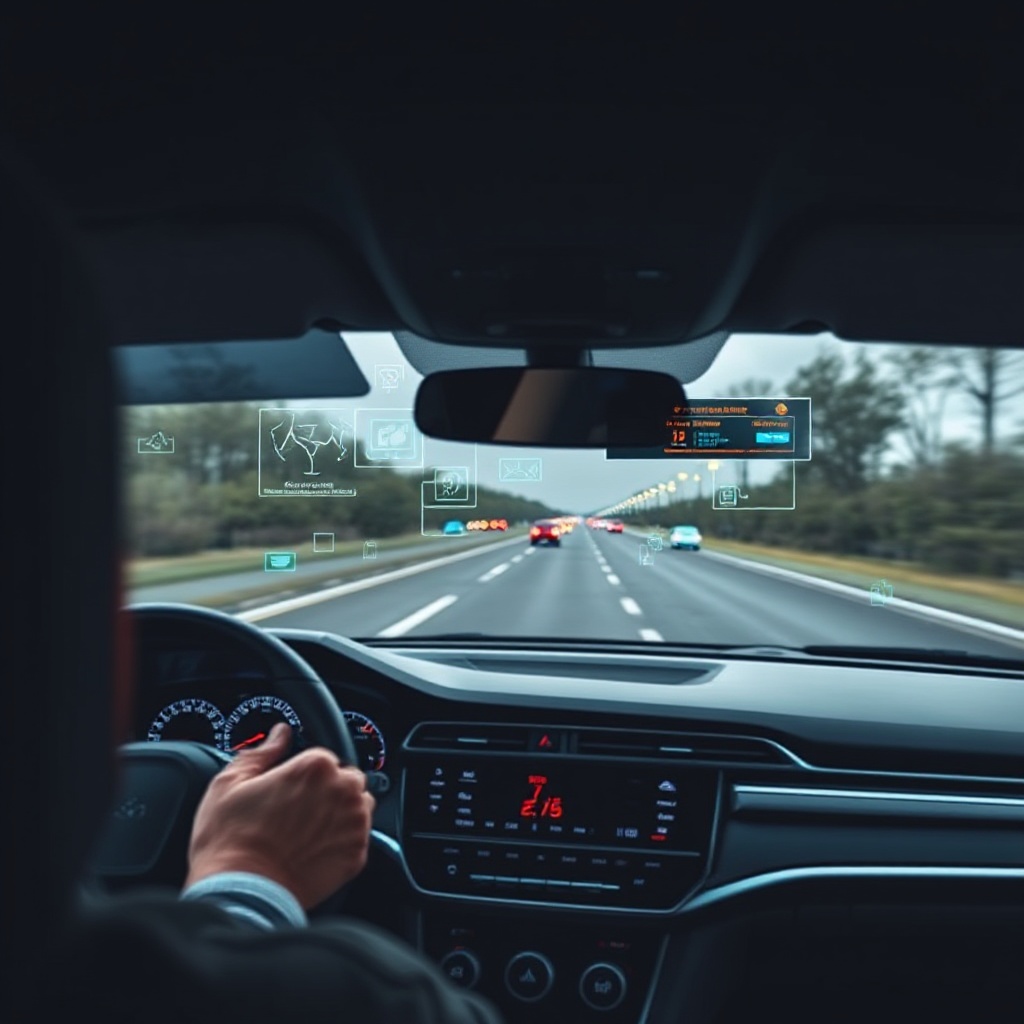
Self-driving technology depends on the integration of AI, IoT, and satellite positioning for safe navigation and obstacle avoidance. While autonomous vehicles have sophisticated onboard systems, they become even more effective when working with intelligent infrastructure.
Satellite-aided systems provide the precise positioning that forms the foundation for autonomous vehicle adoption. This centimeter-level accuracy is essential for vehicles to maintain proper lane position and navigate complex intersections.
Integrated digital systems significantly reduce accident rates by eliminating human error. Autonomous vehicles linked to smart infrastructure can respond to hazards faster than human drivers and avoid the fatigue, distraction, and impairment issues that cause many crashes.
AI and IoT infrastructure enables vehicles to adapt to real-time hazards and changing road conditions. This includes weather events, construction zones, and emergency situations that might not be in pre-loaded maps.
Connected infrastructure creates a supportive ecosystem for autonomous vehicle deployment, addressing many of the challenges that have slowed widespread adoption. With robust digital systems in place, self-driving cars can operate more safely and efficiently.
Rural and Remote Applications: Extending Safety Beyond Urban Centers
Satellite technology enables safety monitoring in rural areas that lack traditional communications infrastructure. These regions, which often have higher fatality rates than urban areas, can now benefit from advanced safety systems.
IoT and satellite integration expands emergency response capabilities to underserved regions. When accidents occur in remote locations, these technologies can automatically alert first responders and provide precise location data.
Precise hazard detection and alerts function in areas with limited cell coverage. Drivers can receive warnings about dangerous conditions ahead, such as wildlife crossings, severe weather, or accidents, even in cellular dead zones.
Satellite-based emergency services reduce fatality risks in remote accidents by speeding response times. When minutes count, these technologies ensure help arrives as quickly as possible, potentially saving lives that might otherwise be lost due to delayed medical attention.
These technologies help bridge the safety gap between urban and rural roadways, ensuring that safety innovations benefit all road users regardless of location. This addresses a long-standing disparity in transportation safety.
Challenges and Future Outlook: Navigating the Path to Implementation
High implementation costs present barriers, particularly in developing regions. The initial investment required for comprehensive safety systems can be substantial, though the long-term benefits often outweigh these costs.
Data privacy, security concerns, and public acceptance remain significant challenges. As more data is collected about vehicles and their occupants, protecting this information becomes increasingly important to maintain public trust.
Professional skill shortages in managing advanced infrastructure must be addressed. The complex systems required for intelligent road networks demand specialized expertise that is currently in short supply.
Public-private partnerships offer potential solutions for funding and implementation. By combining government oversight with private sector innovation and investment, these partnerships can accelerate the deployment of safety technologies.
Enhanced data governance frameworks are needed to address privacy concerns while still enabling the data sharing necessary for effective safety systems. Finding this balance will be crucial for widespread adoption.
Despite these challenges, the future of road safety looks increasingly bright. As AI, IoT, and satellite technologies continue to evolve and integrate, our roads will become smarter, more responsive, and ultimately, much safer for all users.
Sources
World Economic Forum - Satellite technology is transforming the future of road safety
Urban SDK - Road Safety Technologies Adopted by U.S. Cities in 2025