AI and digital twin tech revolutionize fleet management with 95% accurate failure prediction, reducing breakdowns by 75% and enabling data-driven maintenance decisions.

Drivetech Partners
AI-driven predictive analytics and digital twin technology are transforming commercial fleet management from a reactive maintenance model to a proactive intelligence system. The partnership between StanRTA and Intangles exemplifies how integrated vehicle health monitoring, real-time diagnostics, and data-driven maintenance decisions can deliver unprecedented operational efficiency and cost savings in the transportation sector.
Key Takeaways
- Advanced fleet intelligence systems deliver up to 75% reduction in breakdowns and 5-10% lower maintenance costs
- Digital twin technology creates virtual vehicle replicas with 95% accuracy in predicting component failures
- Real-time monitoring transitions fleets from scheduled to condition-based maintenance, optimizing resource allocation
- AI-driven route optimization and driver behavior analysis generate 2-10% fuel cost savings and reduced emissions
- Next-generation fleet management systems provide 10-30% increase in asset availability, delivering significant ROI

Creating Digital Twins: The Virtual Backbone of Modern Fleet Management
Digital twin technology has emerged as the cornerstone of intelligent fleet management, creating virtual replicas of physical vehicles that mirror their real-world counterparts in extraordinary detail. These digital replicas serve as comprehensive virtual models that continuously receive real-time data from the physical vehicle, enabling unprecedented monitoring capabilities.
The technical foundation of this system relies on an intricate network of IoT sensors and telemetry systems integrated throughout each vehicle. These sensors capture and transmit data on everything from engine performance and fuel consumption to tire pressure and brake wear. The collected information feeds into advanced AI analytics platforms that transform raw data into actionable insights.
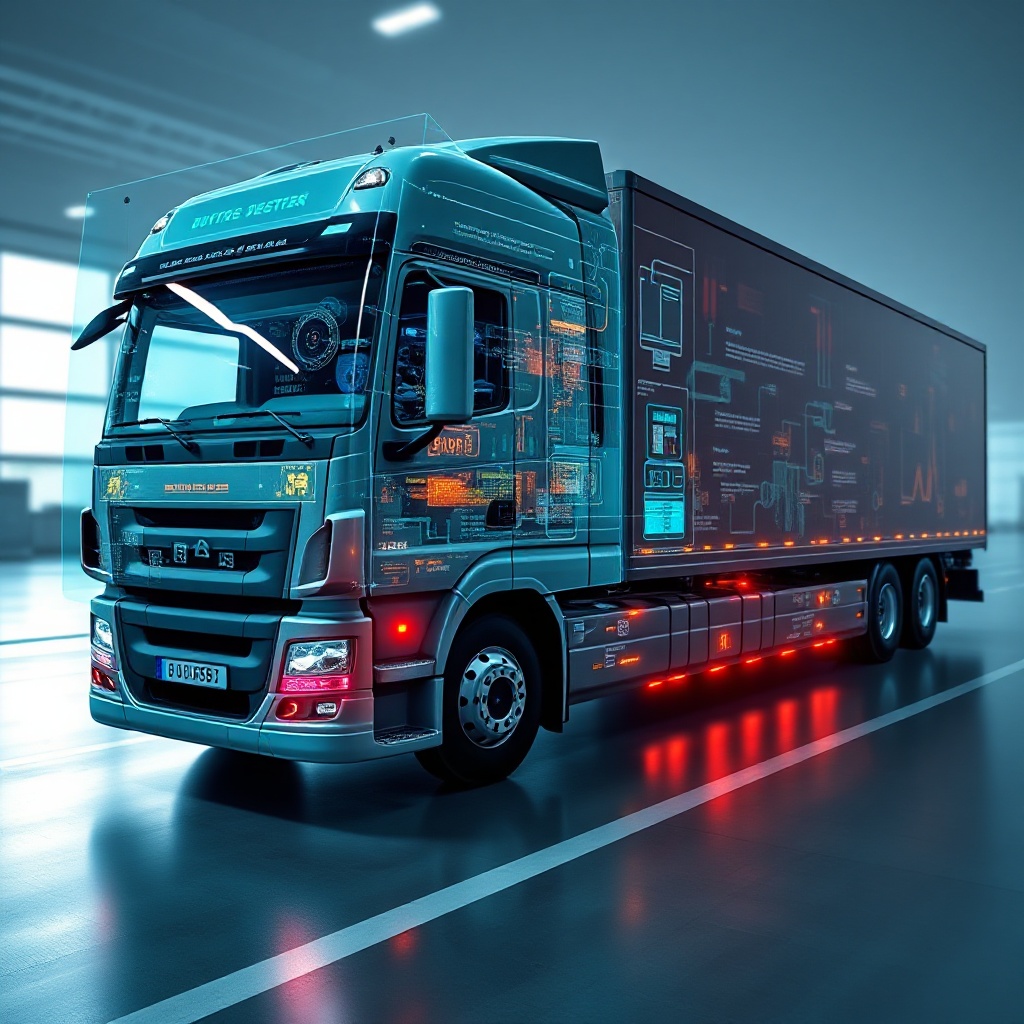
What makes this technology truly revolutionary is its predictive capability. The digital twin simulations achieve a remarkable 95% accuracy rate in forecasting component-level failures before they occur. This level of precision allows fleet managers to address potential issues at the optimal time – not too early (wasting useful component life) and not too late (risking breakdown).
Predictive Maintenance: From Reactive Repairs to Proactive Prevention
The shift from reactive to proactive maintenance represents one of the most significant paradigm shifts in modern fleet management. Traditional maintenance approaches relied on fixed schedules or responding to breakdowns – both inefficient strategies that either replace components too early or risk operational disruptions.
AI-powered predictive analytics now enables maintenance teams to identify potential failures days or even weeks before they occur. By analyzing patterns in performance data, these systems can detect subtle anomalies that indicate developing issues long before they cause noticeable problems or vehicle failure.
This predictive capability allows fleet operators to transition from scheduled maintenance to condition-based maintenance strategies. The results speak for themselves:
- 75% reduction in vehicle breakdown events
- 5-10% reduction in overall maintenance costs
- Optimization of maintenance cycles based on actual component condition
- Dramatic reduction in unscheduled downtime
By addressing issues before they cause failures, maintenance becomes less disruptive, more cost-effective, and significantly more efficient. Parts are replaced only when needed, labor is scheduled optimally, and vehicles remain in service longer without unexpected interruptions.
Real-Time Fleet Health Monitoring: The Command Center Approach
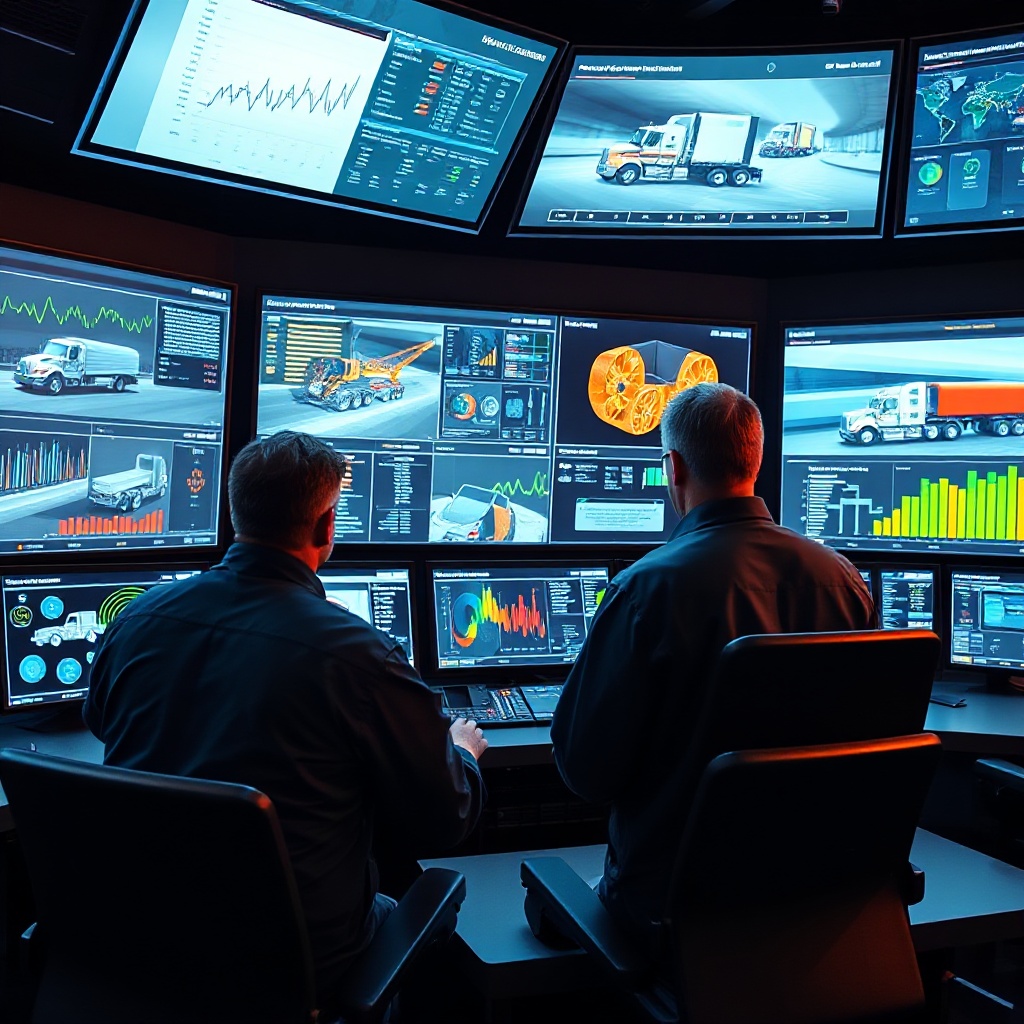
Modern fleet management has evolved into a sophisticated command-center operation where entire fleets can be monitored simultaneously through centralized systems. These control centers serve as the nerve center for fleet operations, providing comprehensive visibility into vehicle health and performance across the entire fleet.
Real-time diagnostics continuously track multiple vehicle systems, including:
- Engine performance and thermal management
- Transmission and drivetrain health
- Brake system condition and wear patterns
- Electrical system function and battery health
- Fuel system efficiency and emissions compliance
When developing issues are detected, the system generates automated alerts and notifications that reach maintenance personnel through multiple channels. These alerts are prioritized based on severity, allowing maintenance teams to address the most critical issues first and schedule less urgent repairs during planned maintenance windows.
The command center approach transforms fleet management from a distributed, reactive process to a centralized, proactive system that maximizes efficiency and minimizes downtime across the entire operation.
Fuel Efficiency and Environmental Impact: The Green Dividend
Beyond maintenance improvements, AI-driven fleet intelligence delivers substantial benefits in fuel efficiency and environmental sustainability. By analyzing routes, driving patterns, and vehicle performance, these systems identify opportunities to reduce fuel consumption and emissions.
Route optimization algorithms consider factors like traffic patterns, road conditions, topography, and vehicle characteristics to identify the most efficient paths between destinations. Meanwhile, driving behavior analysis helps identify and correct inefficient driving habits that waste fuel.
The tangible benefits of these approaches include:
- 2-10% reduction in fuel costs across the fleet
- Improved DEF (Diesel Exhaust Fluid) usage monitoring for emissions compliance
- Reduced carbon footprint through optimized operations
- Lower maintenance costs for emissions control systems
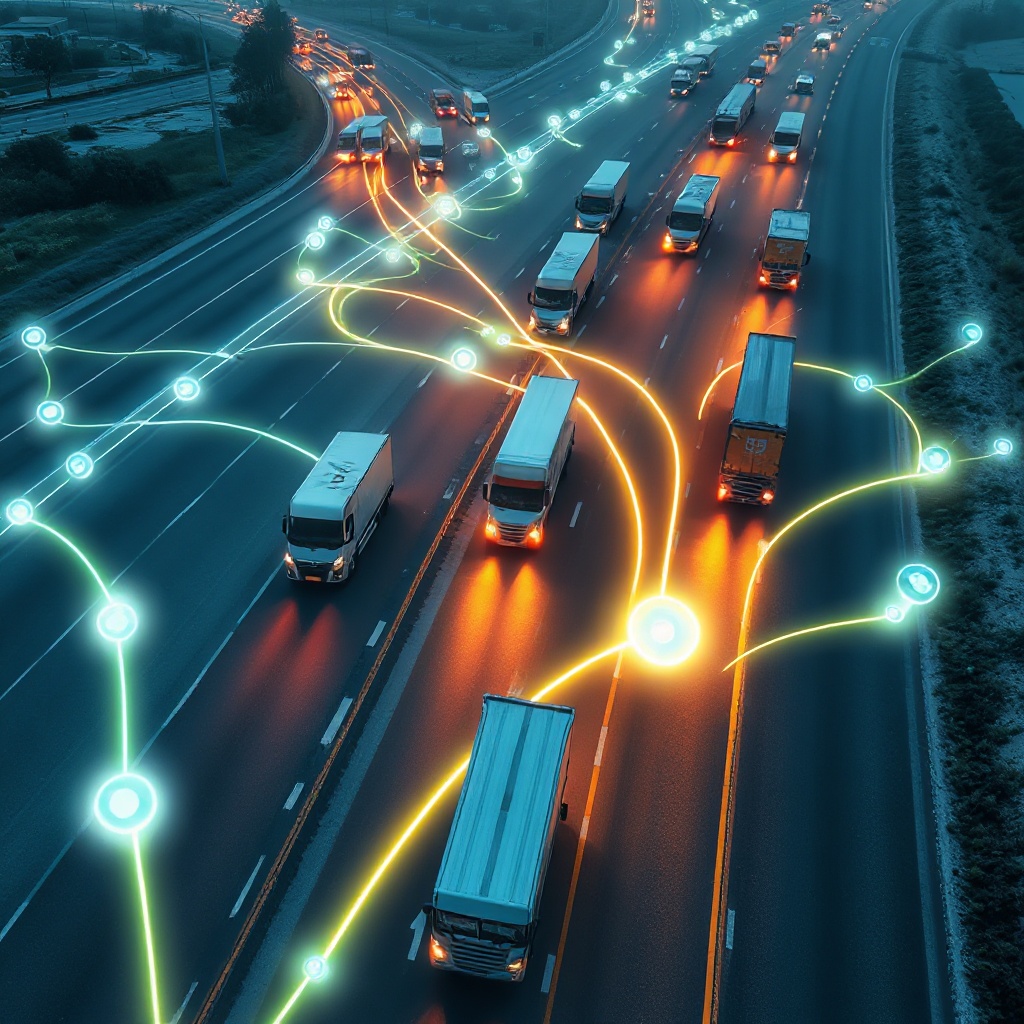
As regulatory pressure for emissions reduction intensifies, these fuel-saving and emissions-monitoring capabilities become increasingly valuable, helping fleet operators stay compliant while reducing operating costs.
Driver Safety and Performance Enhancement Through Telematics
Advanced telematics systems do more than monitor vehicles – they also provide valuable insights into driver behavior and safety patterns. By tracking metrics like acceleration, braking, cornering, and speed, AI systems can identify risky driving patterns and provide targeted feedback and training.
These driver-focused insights contribute to safety improvements in several ways:
- Identification of high-risk driving behaviors before they lead to accidents
- Personalized training programs based on individual driving patterns
- Real-time feedback to drivers about unsafe practices
- Correlation of driving patterns with vehicle wear and maintenance needs
The relationship between predictive maintenance and safety is also significant. Many accidents result from mechanical failures that could have been prevented through proactive maintenance. By keeping vehicles in optimal condition, predictive maintenance directly contributes to safer operations.
This combination of driver monitoring and vehicle health prediction creates a comprehensive safety system that protects both human and mechanical assets.
Economic Impact: The ROI of Next-Generation Fleet Intelligence
The business case for implementing AI-driven fleet management systems is compelling, with multiple streams of financial benefits that quickly offset implementation costs.
Quantifiable returns include:
- 10-30% increase in asset availability, maximizing the productivity of each vehicle
- 5-10% reduction in maintenance costs through optimized repair timing
- 2-10% reduction in fuel expenses through route optimization and driving behavior improvements
- Reduced insurance premiums resulting from improved safety records
- Lower warranty costs through better vehicle care and documentation
Beyond these direct savings, fleet operators gain competitive advantages through improved reliability and service consistency. When vehicles break down less frequently and operate more efficiently, service levels improve, customer satisfaction increases, and the business gains a reputation for reliability that translates into market share.
The data-driven nature of these systems also provides unprecedented visibility into fleet performance, enabling continuous improvement and optimization based on actual operational data rather than assumptions or industry averages.
Future Horizons: The Evolving Landscape of Fleet Management Technology
The integration of AI and digital twin technology in fleet management represents just the beginning of a technological revolution in transportation. As these systems mature and new technologies emerge, we can expect to see even more sophisticated capabilities.
Emerging trends include:
- Integration with autonomous and semi-autonomous vehicle technologies
- Expanded predictive capabilities that extend to broader operational factors
- Enhanced machine learning algorithms that improve accuracy over time
- Deeper integration with supply chain and logistics systems
- Blockchain-based maintenance and parts tracking for enhanced transparency
The StanRTA-Intangles partnership serves as a model for future industry collaborations that combine specialized expertise in transportation operations with cutting-edge technology capabilities. Similar partnerships will likely accelerate innovation and adoption across the industry.
As these technologies become more accessible and demonstrate clear ROI, adoption will extend beyond large fleets to medium and smaller operators, democratizing access to advanced fleet intelligence and creating a more efficient, sustainable transportation ecosystem.
Sources
Castrol - Refuse Fleet Management Case Study
Intangles.ai - AI-Powered Fleet Management Platform