Trump's 25% tariff on imported luxury vehicles drives $10,000-$15,000 price hikes as European brands limit US exports, disrupting supply chains and potentially reducing annual auto sales by 1-1.5 million.

Drivetech Partners
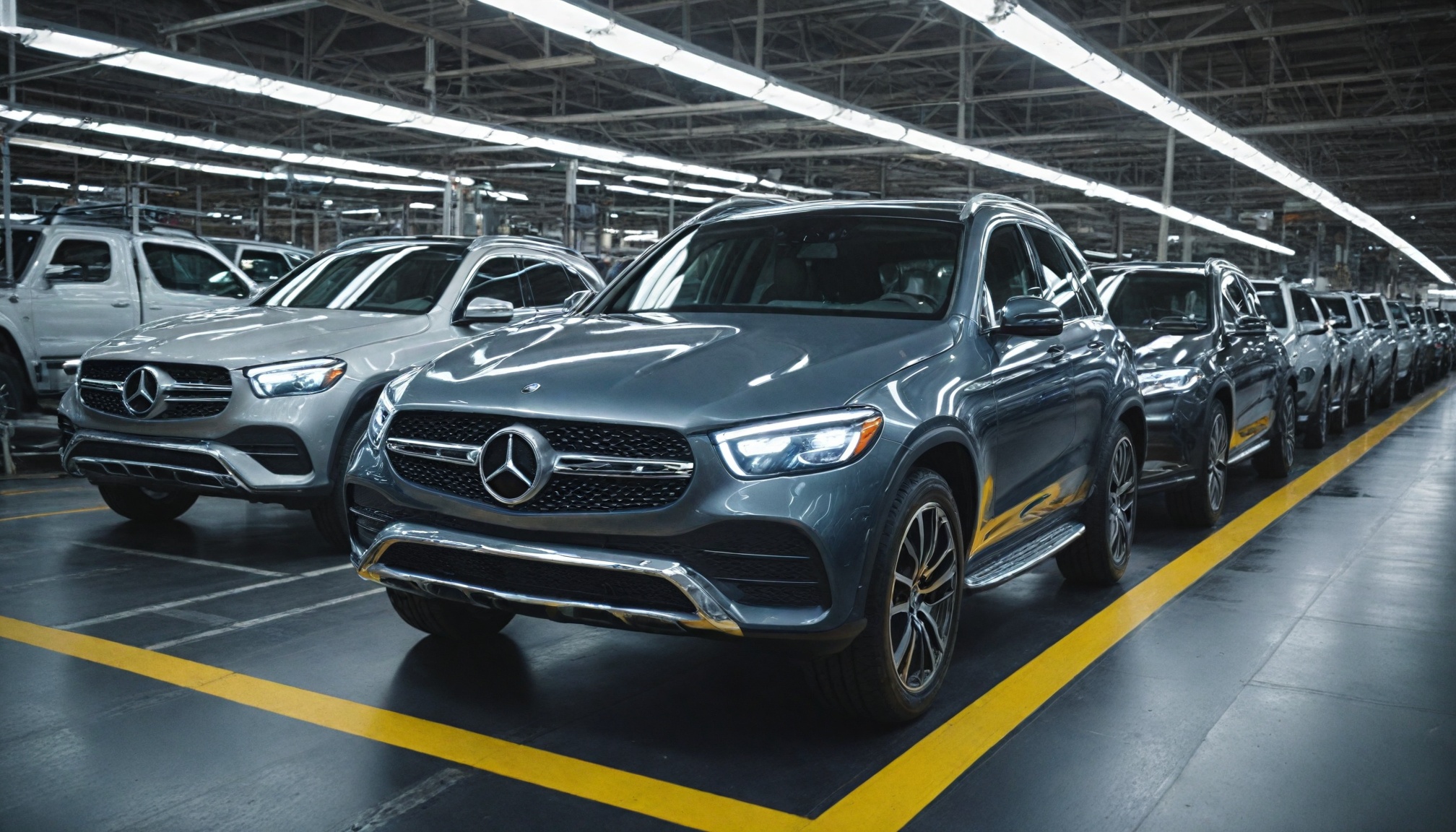
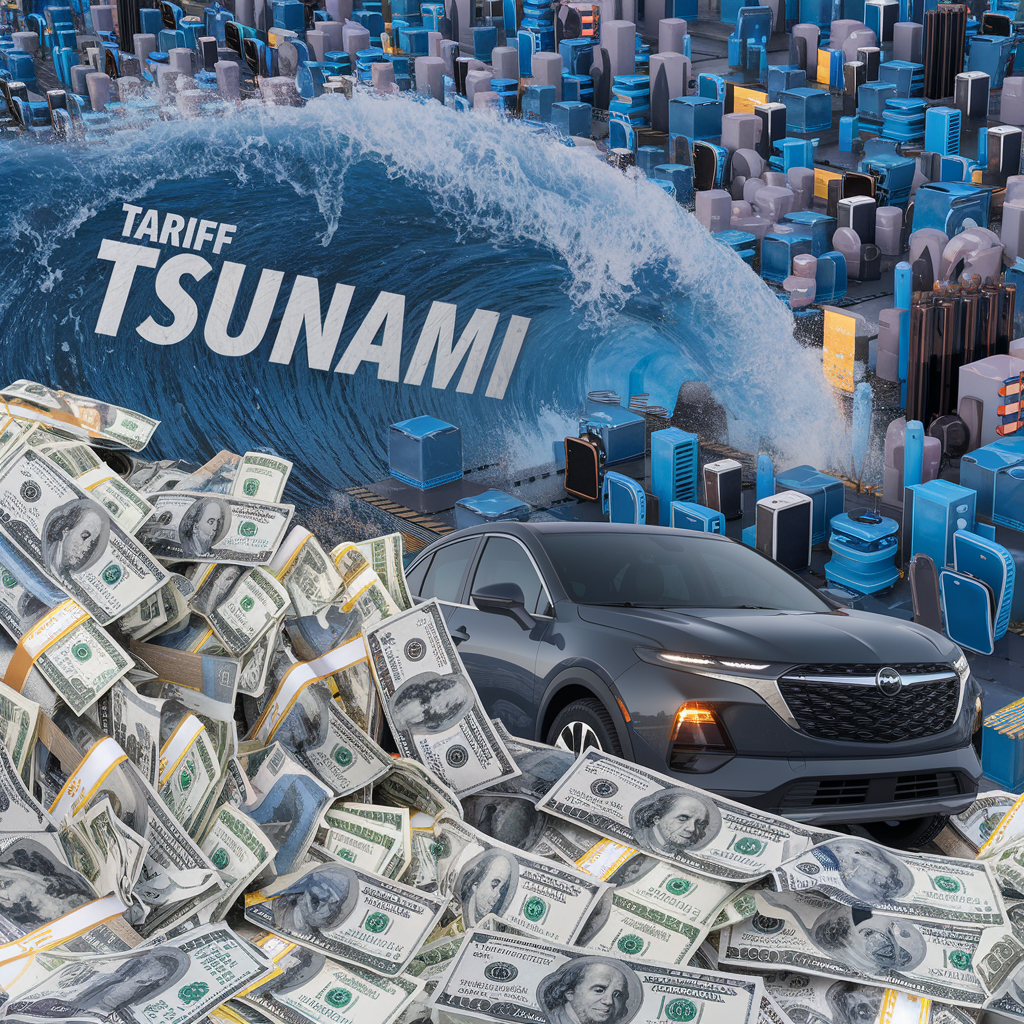
President Donald Trump's recent imposition of a 25% tariff on all imported vehicles has sent shockwaves through the U.S. luxury automotive market, with premium brands like Aston Martin, Ferrari, and Jaguar Land Rover immediately feeling the pinch. The sudden trade measure, effective April 3, 2025, has triggered price increases of $10,000-$15,000 per vehicle and forced European manufacturers to limit exports while depleting dealer inventory, fundamentally altering the landscape for both luxury automakers and their affluent American customers.
Key Takeaways
- The 25% tariff is forcing price increases of $10,000-$15,000 on imported luxury vehicles, with brands passing portions of costs to consumers
- European luxury brands including Aston Martin are limiting U.S. exports and focusing on selling existing dealer inventory to mitigate tariff impacts
- Transatlantic supply chains face severe disruption as Jaguar Land Rover paused all vehicle exports to the United States
- S&P Global Mobility projects U.S. auto sales could drop from 16 million to 14.5-15 million annually due to higher prices and reduced options
- Luxury automakers are reevaluating manufacturing locations with some considering shifting production closer to the U.S. market
The Price of Luxury Just Soared
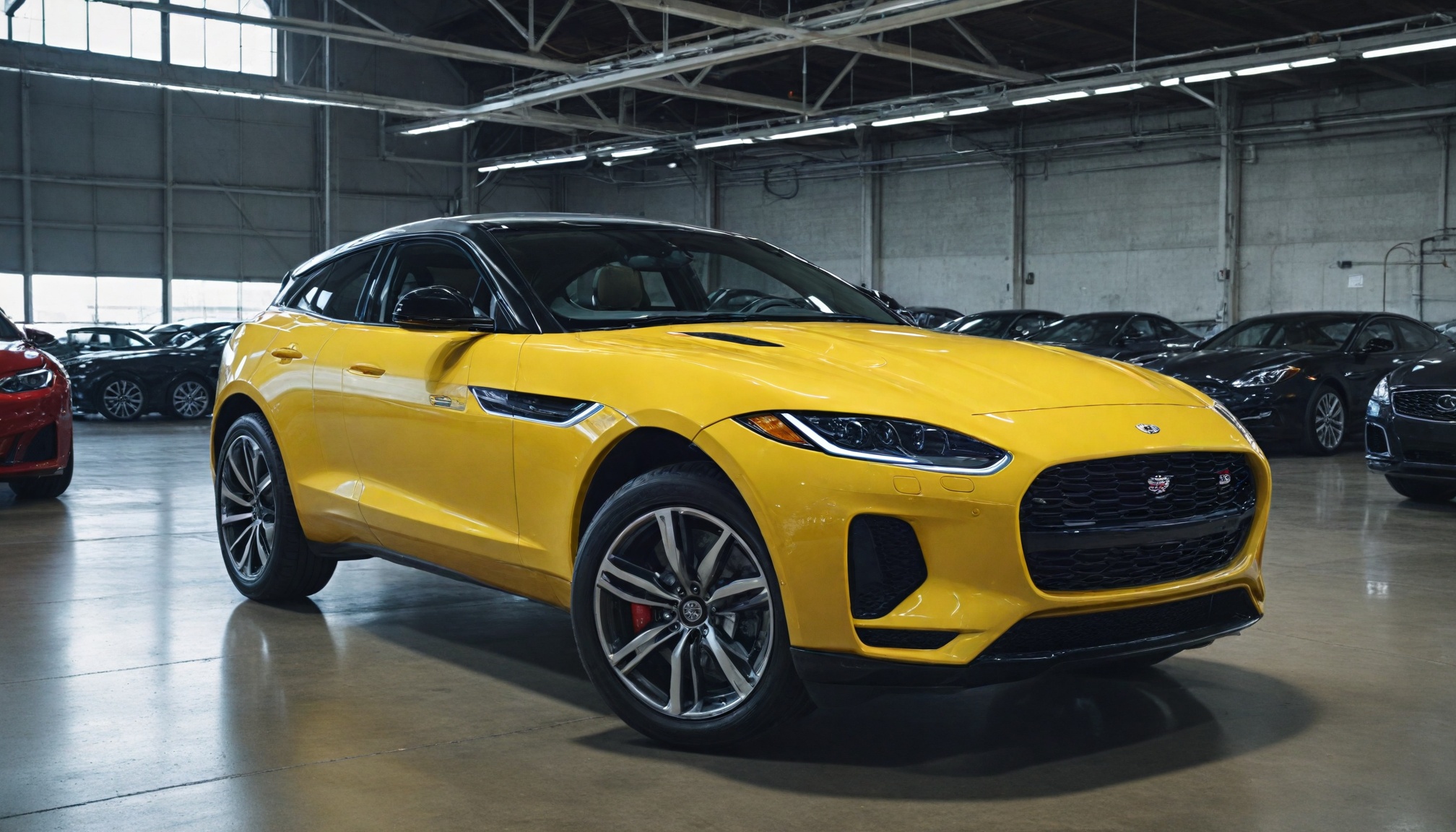
The implementation of the 25% import tariff has dramatically altered pricing equations for luxury vehicles. Cars that were already expensive have become substantially more so, with costs rising by $10,000-$15,000 per vehicle on average. High-end models from Ferrari, Lamborghini, and Rolls-Royce face even steeper increases, potentially adding $50,000 or more to their already premium price tags.
Luxury manufacturers now face difficult choices: raise prices, reduce features, or absorb financial losses. Most are opting for a combination of strategies. Ferrari has directly communicated price increases to maintain profit margins, while Aston Martin is implementing a dual approach—raising average selling prices while simultaneously limiting the number of vehicles shipped to the U.S.
"We're implementing a strategy to increase our average selling price while carefully managing our U.S. export volumes," stated an Aston Martin representative in a recent financial disclosure. This approach aims to protect both brand exclusivity and financial stability during this period of trade uncertainty.
European Exodus: Brands Halt U.S. Shipments
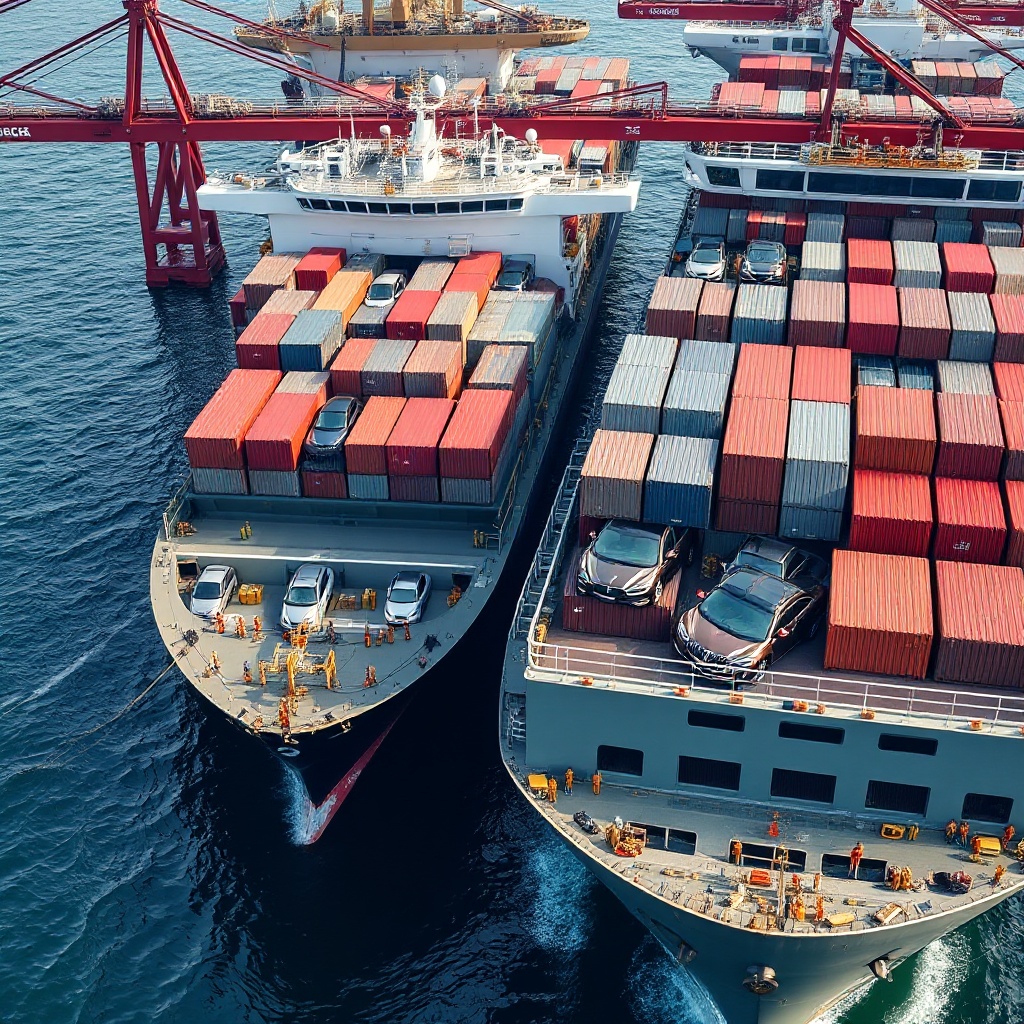
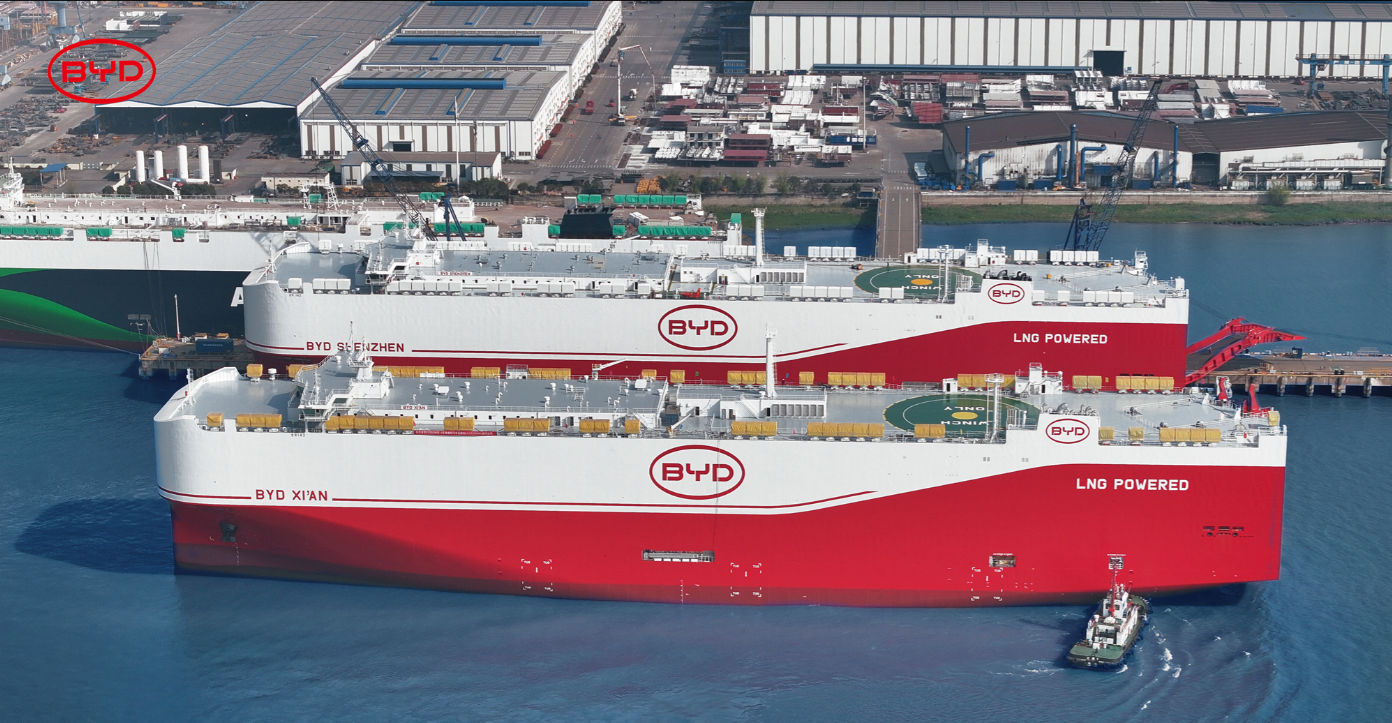
Beyond just raising prices, several European luxury manufacturers have taken more drastic supply chain measures. Aston Martin has implemented explicit limits on U.S. exports to mitigate tariff impacts. More dramatically, Jaguar Land Rover temporarily paused all vehicle shipments to the United States, highlighting the severity of the situation.
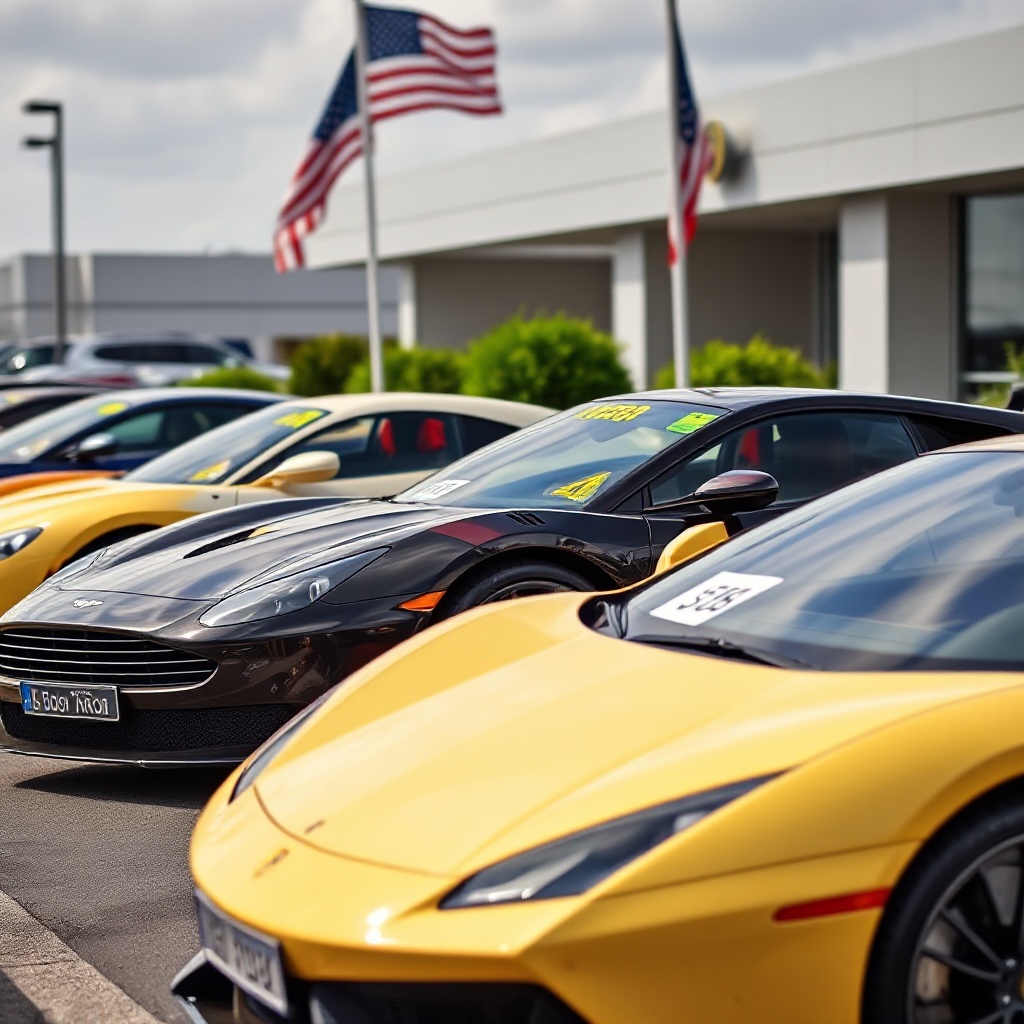
Dealers report that multiple luxury automakers are delaying or reducing planned shipments while encouraging sales from existing inventory. This strategy allows dealers to sell vehicles that arrived before the tariff implementation, giving customers access to pre-tariff pricing in the short term.
A luxury dealer in Connecticut explained: "We're focusing on selling what we have on the ground right now. The replacement costs are significantly higher, so we're not eager to deplete our inventory without clarity on future pricing and demand."
Transatlantic Trade Disruption
The tariffs have severely disrupted established transatlantic automotive supply chains that European luxury brands have relied on for decades. UK and EU-built vehicles now face significantly higher landed costs in the U.S. market, challenging their competitiveness against domestically produced alternatives.
The European Commission has warned about potential retaliatory measures, raising concerns about escalating trade tensions that could further complicate the international automotive business. Meanwhile, several automakers have paused or are reevaluating their planned U.S. investments and market strategies in response to the changing trade environment.
These disruptions extend beyond just the finished vehicles themselves. The complex component supply chain that feeds luxury vehicle production is also affected, with parts suppliers facing uncertainty about future production volumes and investment plans.
Affluent Buyers Face a New Reality
American luxury car enthusiasts are confronting a transformed marketplace with fewer choices and higher prices. S&P Global Mobility projects that total U.S. auto sales could fall from 16 million in 2024 to between 14.5 and 15 million annually as a result of these tariffs and their market effects.
Affluent buyers now face difficult decisions: absorb substantial price increases, downgrade to less prestigious brands, or settle for less-equipped versions of their preferred vehicles. The situation is particularly challenging for enthusiasts of specialty and low-volume models, which may be discontinued entirely if manufacturers determine they're no longer profitable in the U.S. market.
The customization options and premium features that luxury buyers expect are also becoming more restricted or expensive. Manufacturers are streamlining option packages to maintain efficiency in this more challenging market environment.
Financial Pain Shared Between Brands and Consumers
The financial impact of these tariffs reaches beyond consumer prices. Aston Martin reported that its Q1 2025 pretax loss narrowed to £79.8 million ($106.8 million), partly due to higher prices implemented to offset tariff costs. However, luxury automaker shares tumbled following the tariff announcements as investors worried about diminished U.S. sales volumes and profitability.
Industry estimates suggest these tariffs could cost U.S. automakers like Ford, GM, and Stellantis up to $42 billion in additional costs, despite being primarily targeted at imported vehicles. This is because many "American" brands still import components or complete vehicles from overseas manufacturing facilities.
Companies are attempting to distribute the financial burden between corporate margins and consumer prices. As one industry analyst noted, "No single entity—not the manufacturers, dealers, or consumers—can absorb the full impact of these tariffs. Everyone involved in the luxury auto ecosystem will feel some pain."
Reshaping Strategies for an Uncertain Future
British, German, and Italian luxury brands are all rethinking their U.S. market approaches. Aston Martin, Jaguar Land Rover, Bentley, Rolls-Royce, Ferrari, Lamborghini, and Maserati are each developing new market strategies to navigate this challenging environment.
Some manufacturers are considering shifting production closer to the United States to avoid future tariffs. BMW and Mercedes-Benz, with their existing U.S. manufacturing facilities, have some insulation from these tariffs but still face exposure for imported models in their lineups.
Luxury brands are also evaluating their long-term investment and manufacturing location plans. A senior executive at a European luxury brand confided, "We're reviewing our entire global production footprint. The stability of trade policy has become a critical factor in our manufacturing investment decisions."
What's Next for Luxury Auto Consumers?
In the immediate term, dealers are working to leverage their pre-tariff inventory to offer customers tariff-free options. However, this is a temporary solution as these inventories will eventually be depleted.
Reduced model availability is already creating scarcity in certain high-end segments, which paradoxically may enhance exclusivity for some ultra-luxury brands. Industry analysts predict long-term structural changes to the luxury auto market if these tariffs remain in place, potentially including increased domestic luxury production as manufacturers adjust to the new trade reality.
For affluent auto enthusiasts, the golden era of abundant imported luxury options at relatively predictable prices may be ending. The new landscape features higher costs, fewer choices, and greater uncertainty—a significant shift in a market segment that has historically prioritized stability, exclusivity, and customer experience.
Sources: economictimes.com - Aston Martin limits US exports to counter Trump's tariffs, quarterly loss narrows, jalopnik.com - Tariff potential cost increase 15000 dollars new vehicles, economictimes.com - US car buyers face higher prices, less choice under Trump's tariffs