US electric vehicle market shows resilient but slowing growth amid policy changes, with mass-market models gaining momentum as EV adoption transitions from luxury to mainstream transportation.

Drivetech Partners
The U.S. electric vehicle market finds itself at a critical turning point as growth continues but at a slower pace than anticipated amid significant policy changes and economic pressures. With total EV sales increasing by 11.4% year-over-year in Q1 2025 and market share reaching 7.5%, up from 7.0% in Q1 2024, the market shows resilience despite challenges from shifting federal incentives, impending tariffs, and widespread uncertainty about future regulatory frameworks.
Key Takeaways
- EV market share reached 7.5% in Q1 2025 with sales totaling 294,250 units, showing continued but slowing growth
- Mass-market models are gaining momentum as franchise EV sales rose 58% in 2024, signaling a shift from luxury-dominated adoption
- Federal incentives remain crucial but face tightening eligibility requirements starting in 2025, particularly for battery components
- Trade tensions with China and tariff policies create significant uncertainty for supply chains and manufacturing strategies
- Regional adoption varies widely with California leading but fastest growth occurring in states like New York, Florida, and Colorado

The Democratization of Electric Vehicles: Mass Market Models Gain Momentum
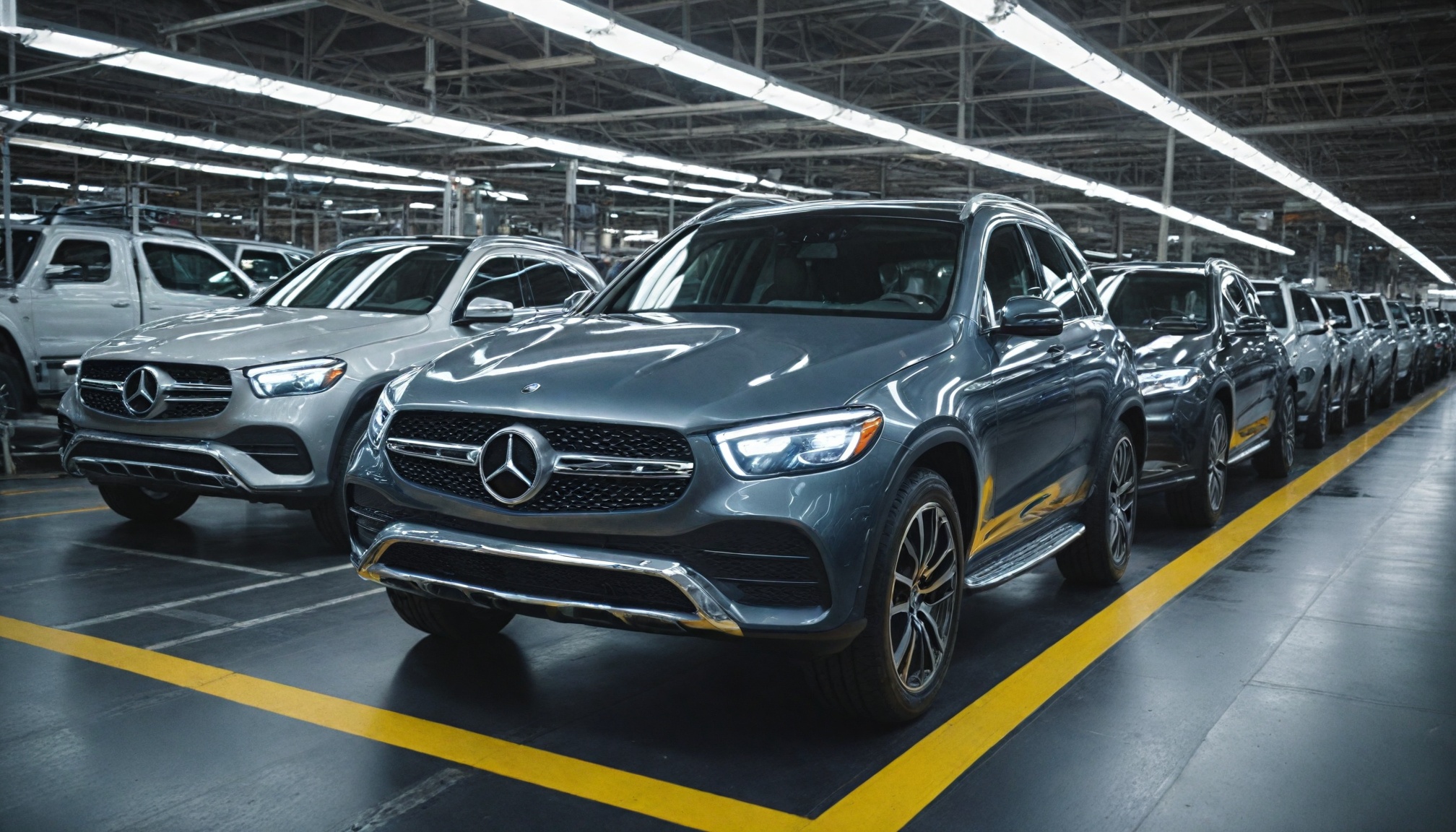
The U.S. electric vehicle landscape is undergoing a fundamental shift as EVs transition from luxury status symbols to mainstream transportation options. Franchise dealer EV sales rose dramatically by 58% in 2024, reaching 376,000 units as affordable models from traditional automakers gained traction. This marks a significant evolution in the market that has been historically dominated by Tesla.
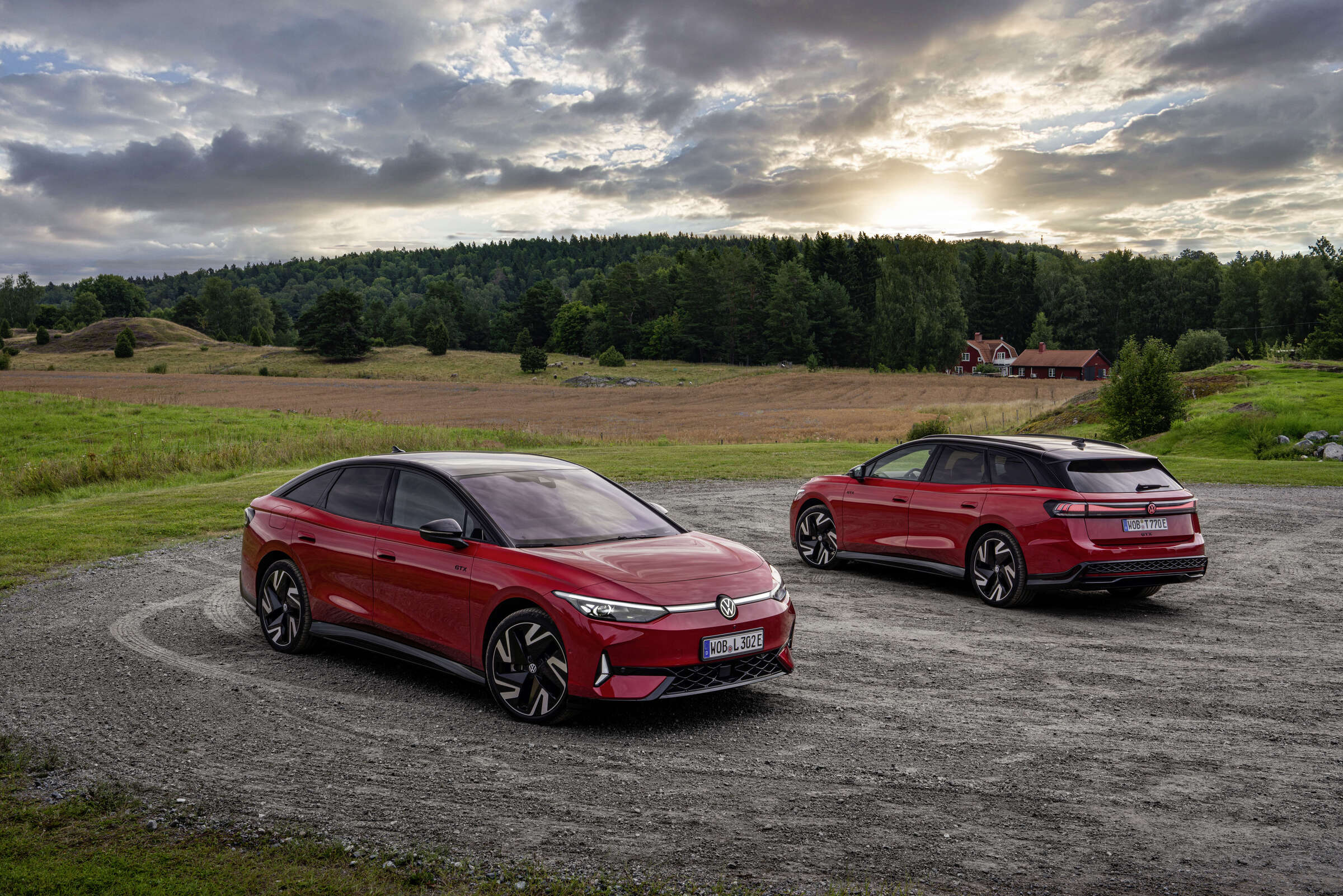
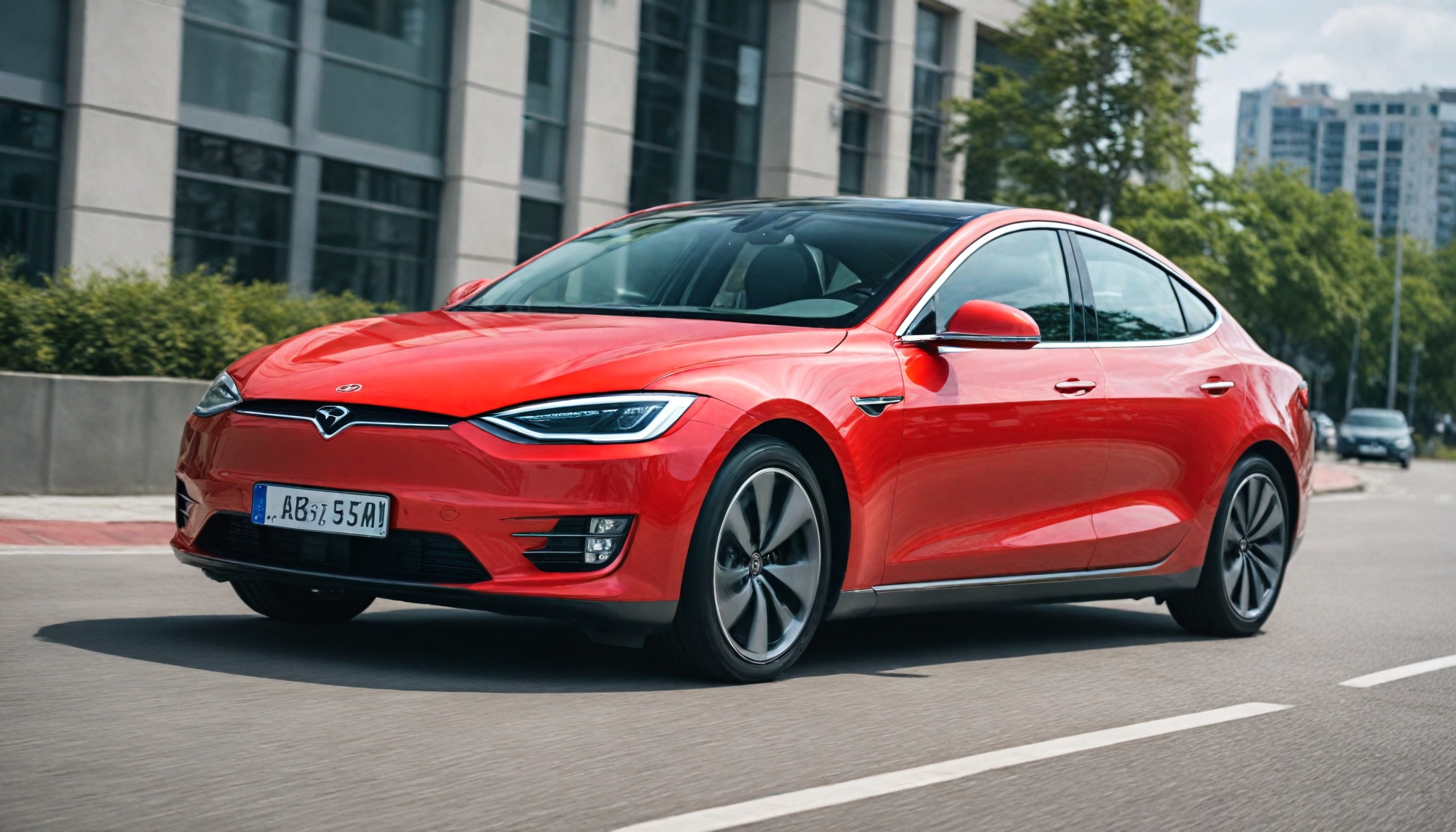
Despite this broader market shift, Tesla maintains a substantial 43.4% market share in Q1 2025, though the company experienced a 9% year-over-year sales decline. Meanwhile, General Motors has doubled its EV sales since Q1 2024, while Ford has seen modest increases. Newer entrants including Stellantis, Honda, and Volkswagen Group have gained market share as their new models began selling in volume.
Hybrid vehicles have emerged as a popular transition technology for consumers not yet ready to go fully electric. Market analysts expect hybrid market share to grow 20-25% year-over-year from 2024 to 2025, serving as a bridge technology that helps consumers become comfortable with electrification.
Evolving Federal Incentives: Policy Changes Reshaping Buyer Decisions
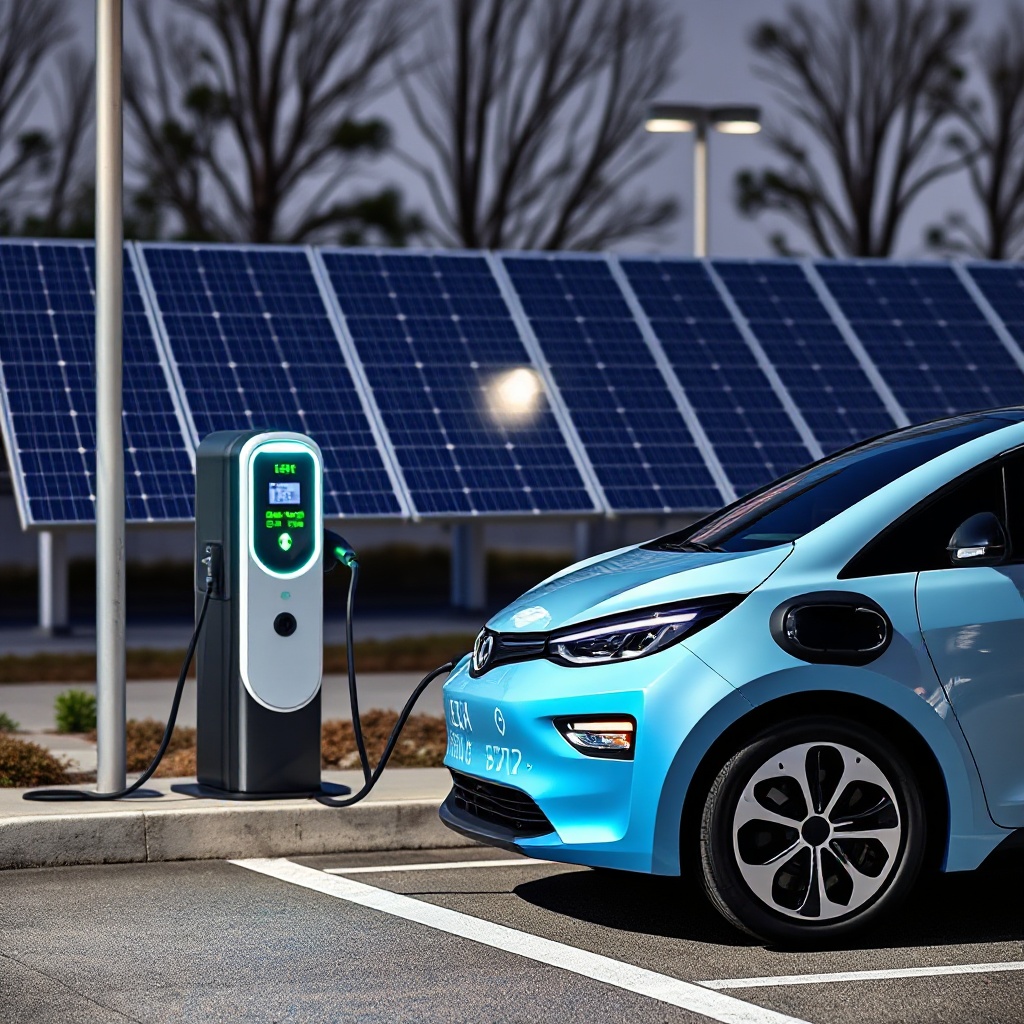
The $7,500 federal tax credit remains a crucial driver for EV adoption, continuing through December 2032, but with increasingly strict eligibility requirements. Starting in 2025, qualifying for the full credit will depend on meeting tighter criteria related to domestic battery manufacturing and vehicle assembly locations.
One significant change involves the critical minerals requirement, which increases from 50% to 60% in 2025, then to 70% in 2026, and finally to 80% from 2027 onward. Additionally, beginning in 2025, vehicles containing battery minerals or components from a "foreign entity of concern" will lose tax credit eligibility entirely, creating substantial challenges for global supply chains.
For budget-conscious consumers, used EVs now offer an attractive alternative with a tax credit equal to 30% of the sale price (up to $4,000). This incentive has made electric vehicles more accessible to a broader segment of the population, though used EV sales declined by 4.7% in February 2025, reaching 24,875 units.
Trade Tensions Threatening Supply Chains and Pricing
International trade conflicts have created significant headwinds for the EV market. The Biden administration's decision to impose a 100% tariff on Chinese electric vehicles and a 25% tariff on lithium-ion batteries in 2024 has disrupted supply chains and raised costs. A temporary one-month tariff reprieve issued in March 2025 for major automakers including Ford, General Motors, and Stellantis provided some relief but highlighted the ongoing uncertainty.
This policy volatility has led to several postponed or canceled battery investments, including LG's planned Queen Creek plant in Arizona. The ripple effects extend beyond manufacturing to include potential relaxation of fuel economy and CO₂ reduction targets, which could reduce pressure on automakers to aggressively pursue electrification strategies.

With ongoing trade discussions and evolving tariff policies, automakers face difficult decisions about where to invest in manufacturing capabilities. The uncertainty has forced many companies to recalibrate their electrification strategies and timelines, potentially slowing the overall transition to electric vehicles.
Geographic Adoption: The Uneven Landscape of EV Growth
EV adoption continues to vary dramatically across the United States. California maintains its position as the state with the highest concentration of EV ownership, though sales in the state declined slightly by 250 units in 2024. This contrasts sharply with rapid growth in other regions.
The fastest-growing states for EV adoption include New York (+23,000 sales in 2024), Florida (+22,400), Colorado (+14,600), Michigan (+10,700), and Texas (+8,400). These growth patterns reflect a combination of state-level incentives, charging infrastructure availability, and changing consumer preferences.
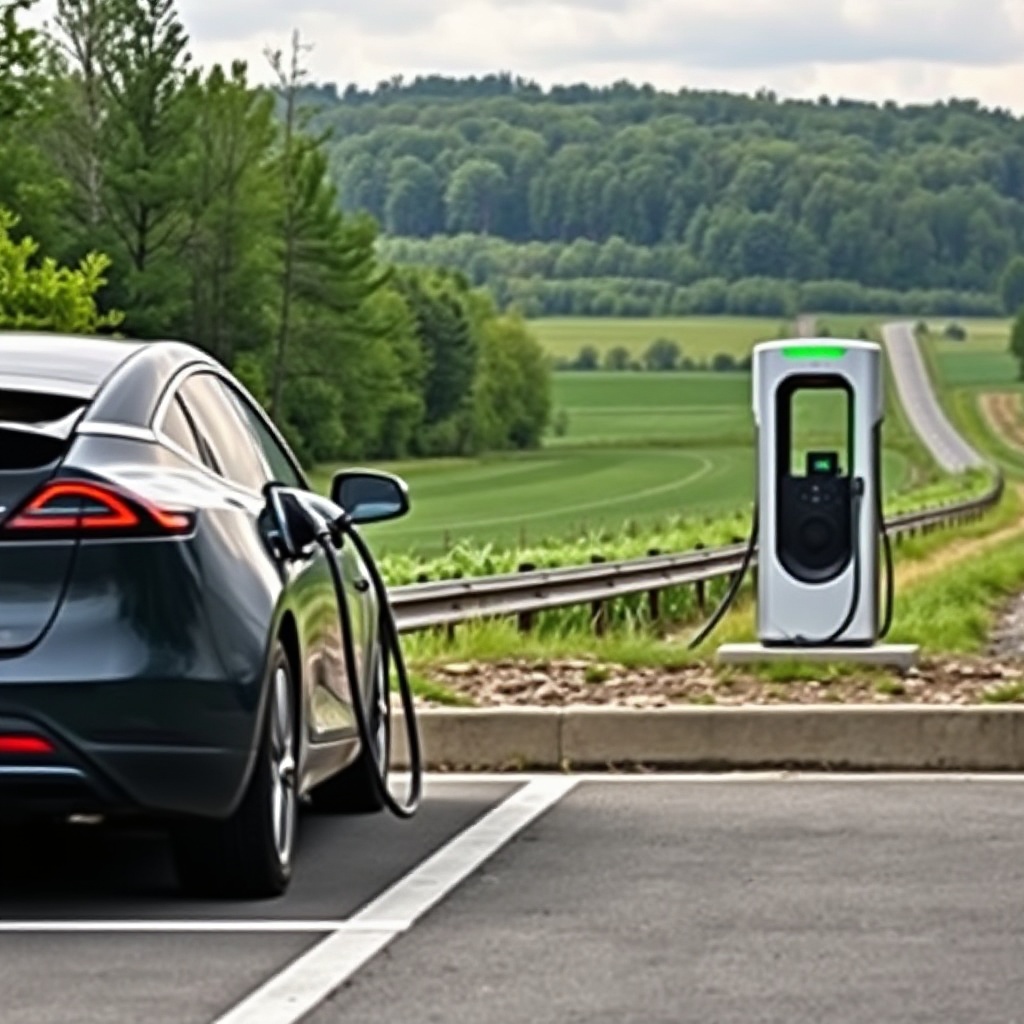
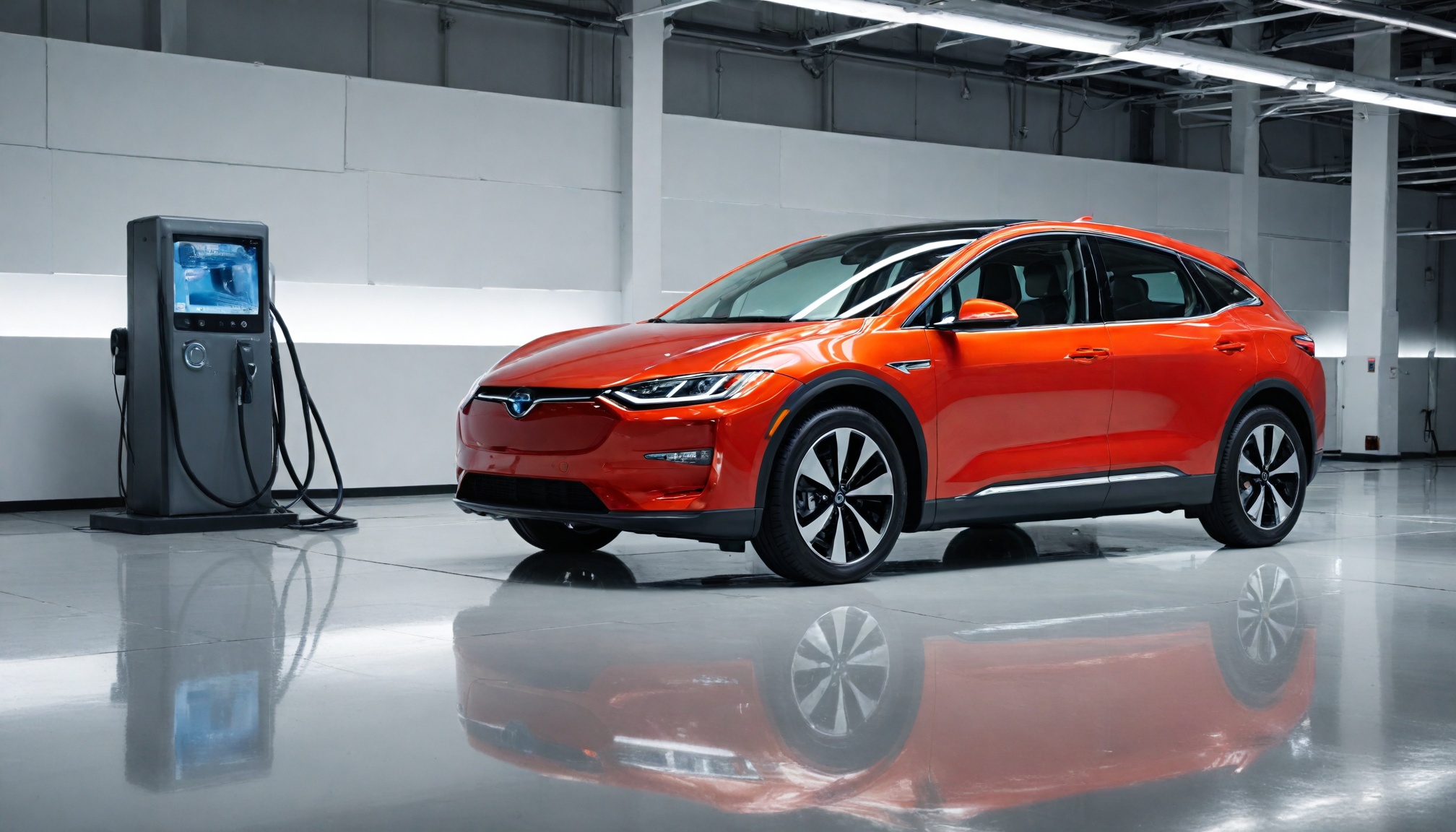
Charging infrastructure remains a critical factor in regional adoption rates. The Biden administration has committed $5 billion through the National Electric Vehicle Infrastructure Program to create a nationwide network of 500,000 high-speed charging stations by 2030. However, the current uneven distribution of charging stations continues to influence consumer purchasing decisions, particularly in rural areas.
Global Context: How U.S. EV Growth Compares Internationally
The U.S. EV market exists within a rapidly evolving global landscape. Global EV sales reached 1.7 million in March 2025, with 4.1 million sold in Q1 2025. The global market grew by 29% in March 2025 compared to the same month in 2024, and increased by 40% compared to February 2025.
Regional growth patterns reveal interesting disparities: China leads with 2.4 million sales in Q1 2025 (+36% year-over-year), followed by Europe with 0.9 million (+22%), North America with 0.5 million (+16%), and the Rest of World with 0.3 million (+27%). The overall vehicle electrification market was valued at $91.6 billion in 2024 and is predicted to grow at a CAGR of 8.4% to reach $205 billion by 2034.
International policy changes offer potential previews of what might happen in the U.S. market. France, for example, saw an 18% decrease in EV sales following the removal of subsidies, highlighting the continued importance of government incentives in maintaining market momentum.
Market Forecasts: Navigating an Uncertain Future
Looking ahead, J.D. Power projects total EV retail share to hold steady at 9.1% in 2025, matching the growth rate from 2024. While this represents continued progress, it reflects a more measured pace than previously anticipated by industry analysts. In 2024, 1.3 million EVs were sold in the United States, setting a new record with sales rising 7.3% from 2023.
Automakers are actively recalibrating their EV strategies based on shifting policy landscapes and consumer adoption rates. Price sensitivity has become increasingly important as the market transitions from early adopters to mainstream consumers who are more focused on total cost of ownership.
Long-term growth appears dependent on the successful development of domestic battery and component manufacturing capabilities. The U.S. Electric Vehicles market is projected to reach revenue of $95.9 billion in 2025, indicating substantial economic potential despite the current challenges.
Strategies for Sustainable Growth: Manufacturing Innovation vs. Policy Support
As the EV market confronts these challenges, two primary paths to sustained growth have emerged. The first centers on domestic manufacturing innovation to reduce costs and comply with tightening content requirements. The second focuses on policy stability and support to provide the market certainty needed for long-term investments.
Automakers face difficult choices between accelerating EV investments and managing transition costs. Battery technology advances and scaled production remain key to achieving price parity with conventional vehicles. Those companies that can successfully reduce battery costs while increasing energy density will likely gain significant competitive advantages.
Success appears increasingly dependent on finding the right balance between policy incentives and manufacturing innovation. Neither path alone seems sufficient to maintain growth momentum. Additionally, customer education and charging infrastructure expansion remain critical enablers for broader adoption, particularly as the market moves beyond early adopters to mainstream consumers.
The coming years will determine whether the U.S. EV market can overcome its current challenges to achieve sustained growth or if the current slowdown signals a more fundamental reassessment of electrification timelines. The answer will likely depend on how effectively industry and government can collaborate to address the complex interplay of manufacturing capabilities, consumer preferences, and policy frameworks.
Sources
Cox Automotive - EV Market Monitor February 2025
EV Design and Manufacturing - State of Electric Vehicle Industry 2025 & Beyond
CarEdge - Electric Vehicle Market Share and Sales
JD Power - E-Vision Intelligence Report January 2025
Rhomotion - Global EV Sales Up 29% in 2025 From Previous Year