AI-powered airbags evolve from simple devices to predictive systems that adapt to passengers and crash dynamics, with the market reaching $42.4B by 2025.

Drivetech Partners
Automotive airbag technology has rapidly evolved from simple safety devices to sophisticated AI-powered protection systems that can predict and respond to crashes before they happen. Today's advanced airbags leverage artificial intelligence, smart sensors, and adaptive deployment mechanisms to create personalized protection that responds to each passenger's specific characteristics and the unique dynamics of every collision scenario.
Key Takeaways
- Artificial intelligence is transforming airbags from passive to predictive safety devices, enabling millisecond-faster deployment and crash-type classification
- Multi-stage airbags adapt deployment force based on occupant characteristics and collision severity, providing personalized protection
- The global airbag market is projected to reach $42.4 billion by 2025, driven by stringent safety regulations and technological advancements
- Next-generation vehicles require specialized airbag designs to accommodate non-traditional seating arrangements in autonomous and electric vehicles
- External airbag systems are emerging to protect pedestrians and cyclists, potentially reducing fatalities by up to 40%

AI and Machine Learning: The New Frontier of Airbag Intelligence
Artificial intelligence and machine learning have fundamentally changed how airbag systems operate, shifting them from reactive safety devices to predictive protection systems. Modern AI-powered airbags can make complex decisions in milliseconds, analyzing vast amounts of sensor data to determine the optimal deployment strategy.
Machine learning models now classify crash types (frontal, side, rear, or rollover), estimate probable injuries, and optimize inflation force accordingly. Delphi Technologies' AI-Based Safety Suite exemplifies this trend, using convolutional neural networks (CNNs) to continuously monitor occupants, detecting their posture, whether seats are occupied, and even passenger states like sleeping or being improperly belted.
Perhaps most impressive is the ability of these systems to deploy airbags preemptively, activating milliseconds before an anticipated impact. This fraction-of-a-second advantage can significantly reduce injury risk and demonstrates how AI is reshaping vehicle safety beyond conventional reactive systems.
Smart Sensors and IoT: Creating Connected Safety Systems
The integration of advanced sensors and Internet of Things (IoT) technology has created a new generation of connected safety systems. Unlike traditional airbags that relied on simple accelerometers, today's smart sensors detect precise collision parameters including impact angle, force, and vehicle dynamics.
IoT connectivity enables these systems to perform remote diagnostics and condition-based maintenance, continually monitoring system health and alerting owners to potential issues before they become dangerous. Market projections indicate that by 2030, approximately 95% of new vehicles will feature interconnected systems with real-time sensor data capabilities.
Over-the-air (OTA) firmware updates allow manufacturers to improve airbag algorithms without requiring dealership visits, while instant fault reporting minimizes the risk of unexpected system failures. This continuous data collection also feeds back into research and development, supporting ongoing refinement of deployment strategies and safety algorithms.
Adaptive Deployment: Personalized Protection Systems

Modern airbag systems now feature multi-stage deployment capabilities, dynamically altering their inflation parameters based on both real-time and historical data. Unlike one-size-fits-all airbags of the past, these adaptive systems consider passenger size, weight, posture, seating position, and crash severity when determining optimal deployment force and timing.
Industry leaders like ZF LIFETEC and Autoliv have pioneered adaptive inflation technology that can modulate the force and speed of deployment to match the specific needs of each occupant. This personalization significantly reduces the risk of airbag-induced injuries that sometimes occurred with older, more aggressive deployment systems.
Multiple-impact airbags provide staged deployment in complex crash scenarios, addressing the reality that many serious accidents involve secondary collisions. Three-layer airbag designs allow for three-dimensional deployment patterns optimized for various seating positions, providing more effective protection regardless of how a passenger is positioned at the moment of impact.
Specialized Protection for Next-Generation Vehicles

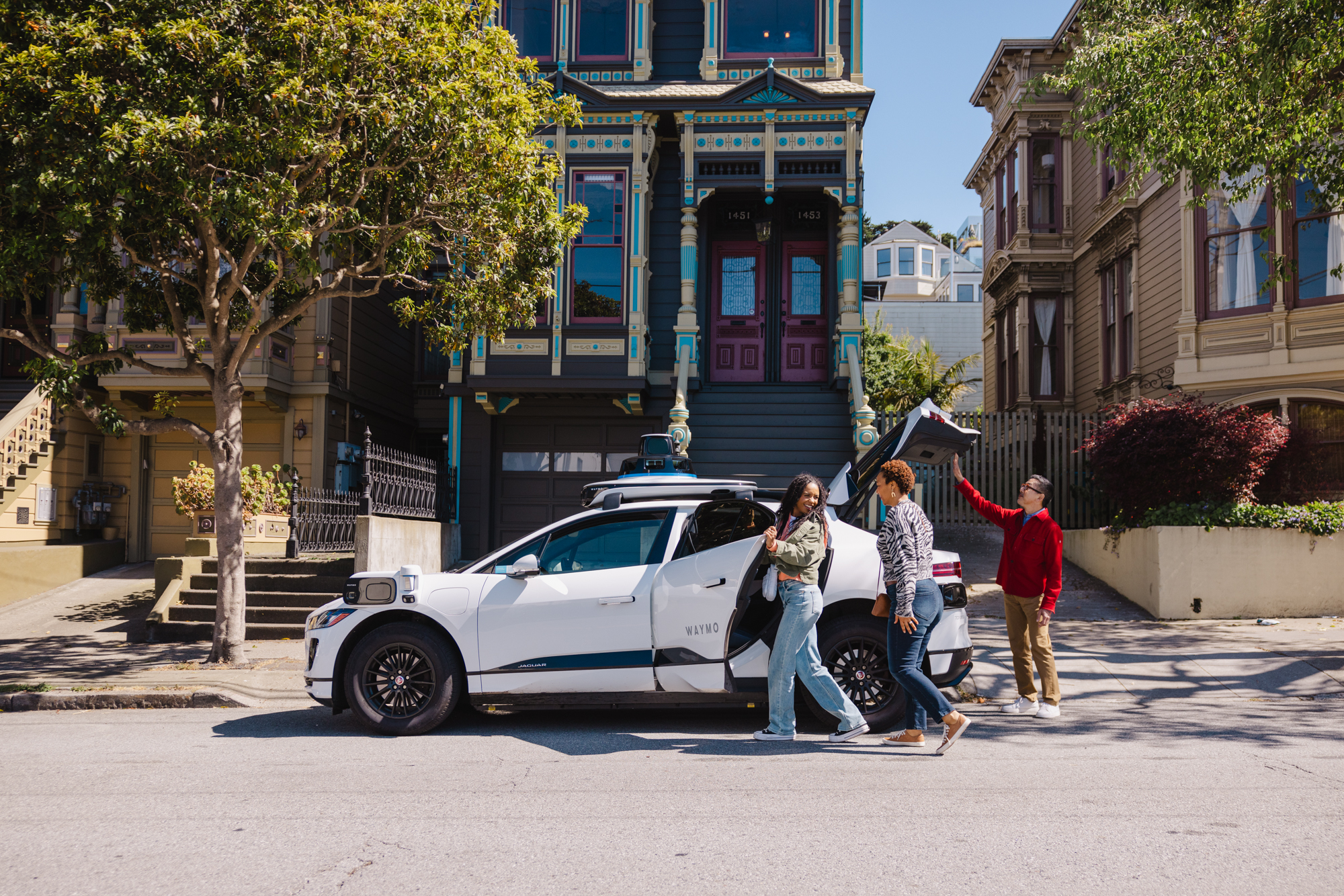
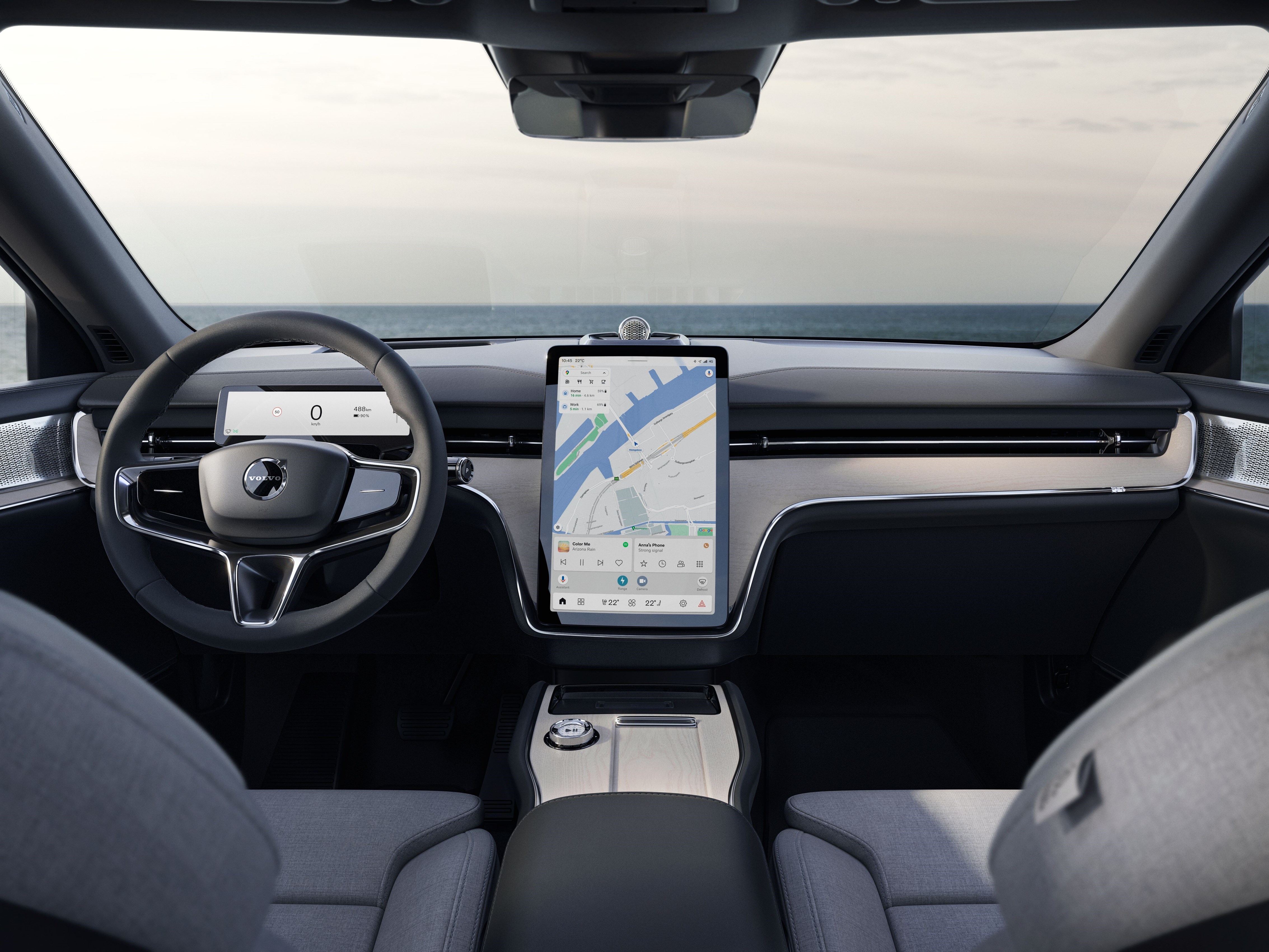
Autonomous and electric vehicles present unique challenges for airbag design due to their non-traditional seating arrangements. As these vehicles often feature lounge-like interiors where passengers may face each other or recline significantly, conventional dashboard-mounted airbags become insufficient.
Manufacturers have responded with innovative solutions including curtain airbags, far-side airbags for 360-degree coverage, and self-supporting airbag systems. Seat belt-integrated airbags are replacing traditional dashboard-mounted systems, providing protection that moves with the occupant regardless of seating configuration.
Modular airbag systems accommodate the unique needs of shared mobility platforms, autonomous vehicles, and provide enhanced protection for rear-seat passengers. These developments are accelerated by stringent Euro NCAP and other regulatory standards that now evaluate safety performance across all seating positions.
Market Growth and Regulatory Drivers
The global automotive airbag market is experiencing substantial growth, projected to reach $42.4 billion by 2025 with an 8.1% compound annual growth rate (CAGR) through 2032. Alternative projections suggest the market may reach $37.3 billion by 2035 with a 6.6% CAGR, reflecting the expanding role of airbags in vehicle safety systems.
This growth is driven by several factors including rising safety awareness among consumers, the proliferation of active detection technologies, and increasingly strict safety mandates worldwide. Regulations such as Euro NCAP's far-side impact standards are directly accelerating innovation in airbag design and deployment strategies.
Industry forecasts indicate that by 2030, nearly all new vehicles will feature interconnected safety technologies, further expanding the market for advanced airbag systems that integrate with broader vehicle safety ecosystems.
The Reliability Challenge: Learning from Past Failures
High-profile recalls, most notably the Takata airbag crisis, have heightened industry focus on system reliability and quality assurance. As airbag systems become more complex, incorporating sophisticated hardware and software components, the standards for testing and integration have necessarily increased.
The industry is addressing these challenges through greater transparency in diagnostics and the implementation of predictive maintenance capabilities via IoT connectivity. These approaches are gradually rebuilding consumer confidence that was damaged by previous recall incidents.
Post-crash system feedback provides valuable data for continuous improvement, allowing manufacturers to identify and address potential weaknesses before they result in failures. More rigorous quality assurance processes are being implemented across the supply chain to avoid future recalls and ensure consistent performance throughout a vehicle's lifetime.
The Future: Pedestrian Protection and External Airbags
One of the most promising developments in airbag technology is the emergence of external airbag systems designed to protect pedestrians and cyclists in unavoidable collisions. Hood-mounted and bumper-based airbags can significantly reduce the impact force experienced by vulnerable road users.
Leading manufacturers including ZF, Mercedes-Benz, and others are developing full vehicle exterior airbags that deploy milliseconds before impact. These systems are integrated with pedestrian detection cameras and pre-crash sensors to enable rapid deployment when a collision cannot be avoided.
According to safety researchers, these innovations could reduce pedestrian fatalities by up to 40%, representing a major advancement in protecting vulnerable road users. As urban mobility continues to evolve with more mixed-use roadways, these external protection systems will likely become increasingly important safety features.
Integrating Airbags with Holistic Vehicle Safety Systems
Modern airbags no longer function as standalone devices but as integral components of comprehensive safety ecosystems. Today's systems coordinate airbag deployment with seat belt pre-tensioners, collision avoidance systems, and structural safety features to provide layered protection.
V2X (Vehicle-to-Everything) communication enhances pre-crash awareness and airbag readiness by allowing vehicles to share safety-critical information. This integration has produced measurable results, with new integrated systems reducing injury severity by up to 30% compared to previous generations.
The future direction of vehicle safety points toward system unification through central safety controllers that manage all protection features. This approach enables more sophisticated response strategies that consider the complete crash scenario rather than triggering independent safety systems in isolation.
Sources
Copperpod IP - Advancements in Airbag Technology: The Future of Intelligent Vehicle Safety Systems
Relevantz - IoT for Commercial Vehicle Diagnostics and Maintenance
Market Research Intellect - Safety First: Airbag Inflator Market Rises with the Push for Autonomous Vehicle Safety
MetaStatInsight - Automotive Airbag Market
Future Market Insights - Automotive Airbag Market