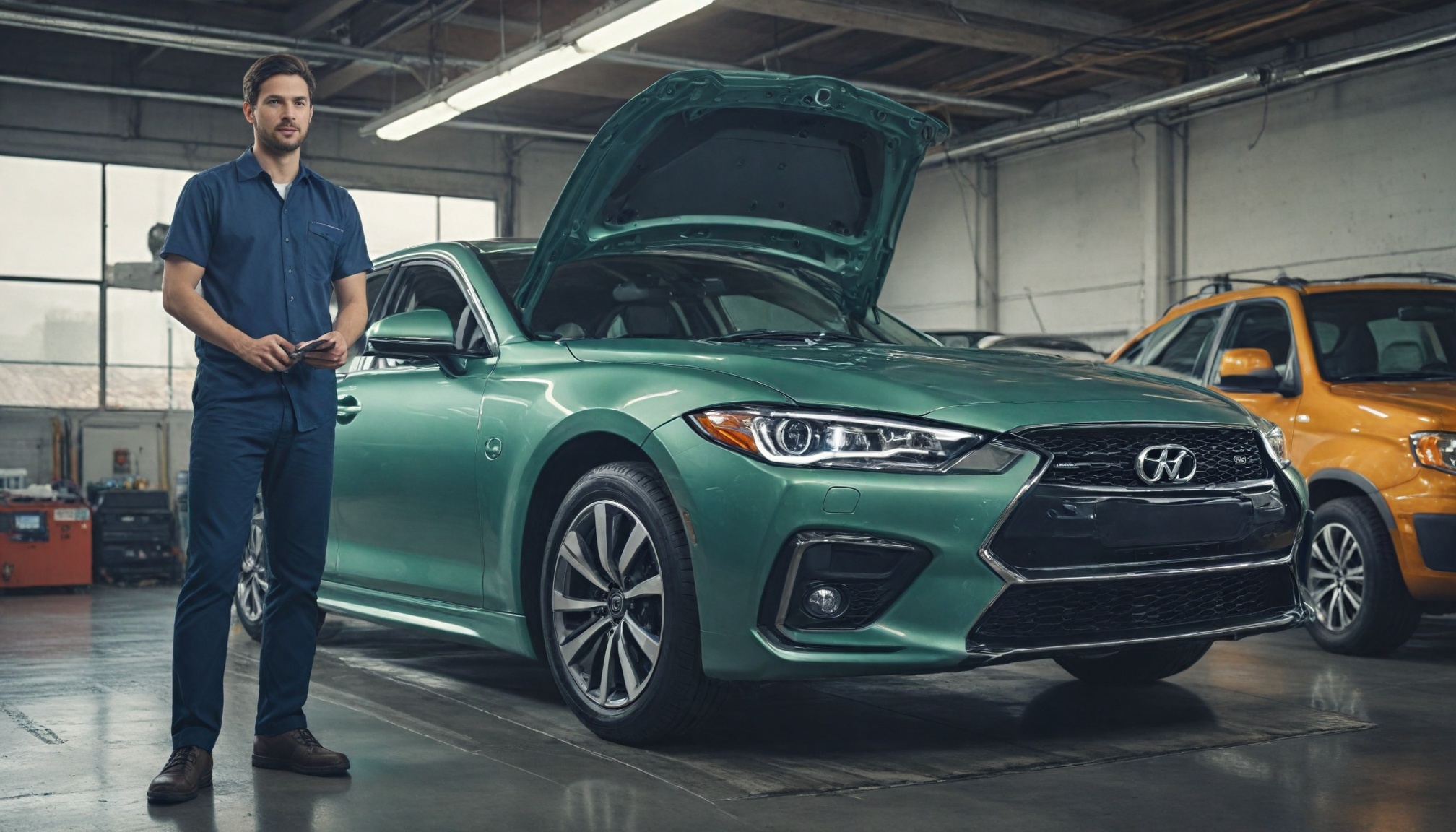
AI-powered diagnostics revolutionize auto repairs with data-driven precision, reducing errors by 25% while helping technicians and owners make informed decisions through transparent reports.

Drivetech Partners
AI-powered diagnostic technologies are reshaping the automotive repair landscape by turning complex vehicle issues into clear, understandable information that both technicians and vehicle owners can use. These advanced systems analyze thousands of data points in seconds to deliver precise, evidence-based repair recommendations that eliminate guesswork and build trust through transparency—fundamentally changing how we approach and experience car repairs.
Key Takeaways
- AI diagnostics have improved repair accuracy by 35% while reducing diagnostic errors by 25%
- Predictive maintenance using AI reduces overall operational costs by 30-40% compared to reactive repair approaches
- Visual, data-backed reports allow car owners to make informed decisions about necessary repairs
- AI chatbots are expected to handle 40% of service inquiries by 2025, streamlining customer communication
- The automotive AI market is projected to grow from $4.4 billion to $18.4 billion between 2022-2028
AI-Powered Vehicle Diagnostics: The New Frontier in Transparent Auto Repairs
The days of mysterious car troubles and cryptic repair explanations are fading into the rearview mirror. AI diagnostic systems now translate complex vehicle data into clear, actionable information within seconds. These intelligent tools can scan thousands of sensor readings, examine maintenance records, and cross-reference manufacturer data to pinpoint issues with remarkable precision.
The impact is substantial—72% of shop owners report that AI reduces diagnostic time by at least 20%. More impressive is the 35% improvement in repair accuracy and 25% reduction in diagnostic errors. These aren't just numbers; they represent real time and money saved for both repair shops and customers.
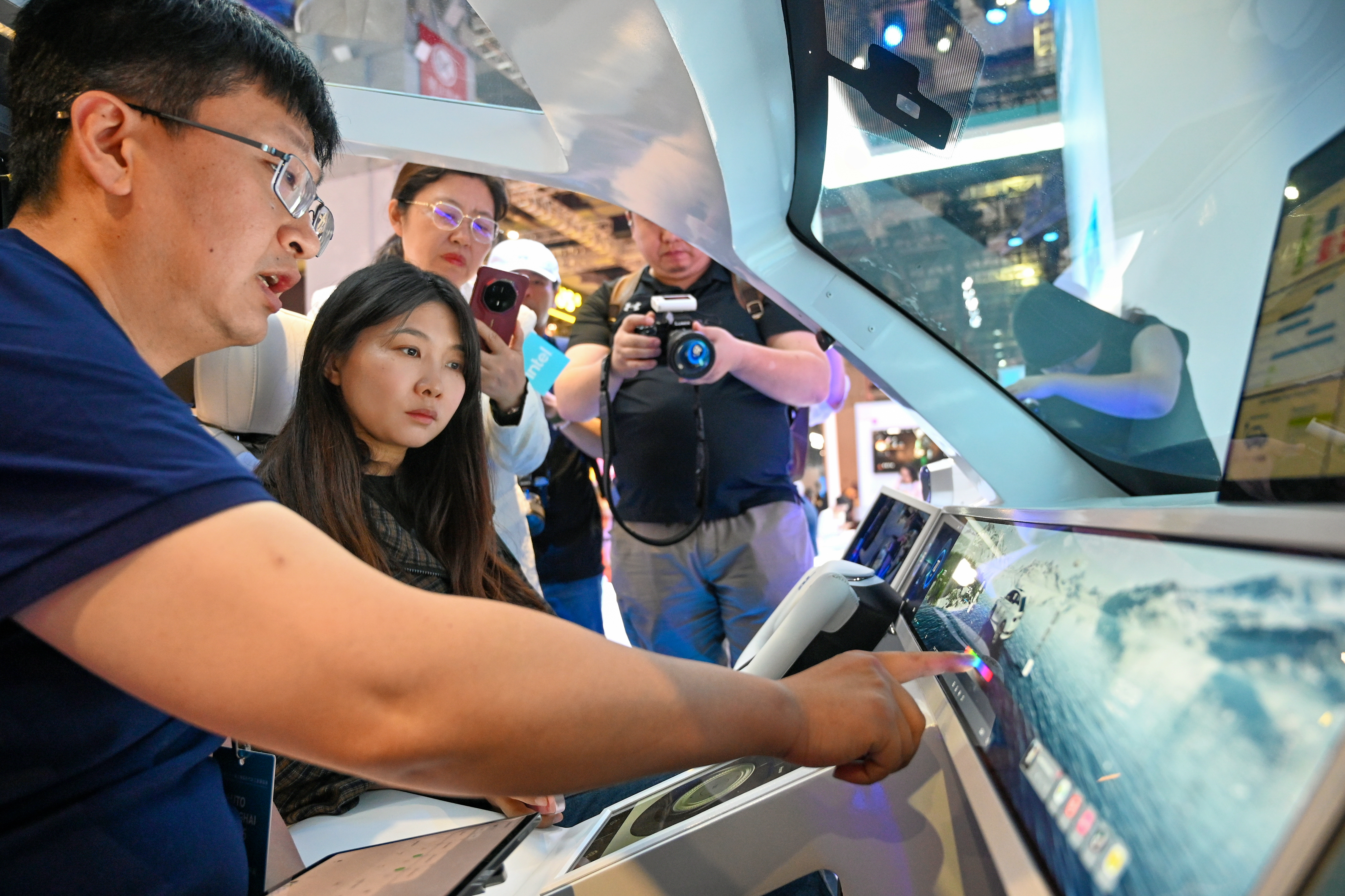
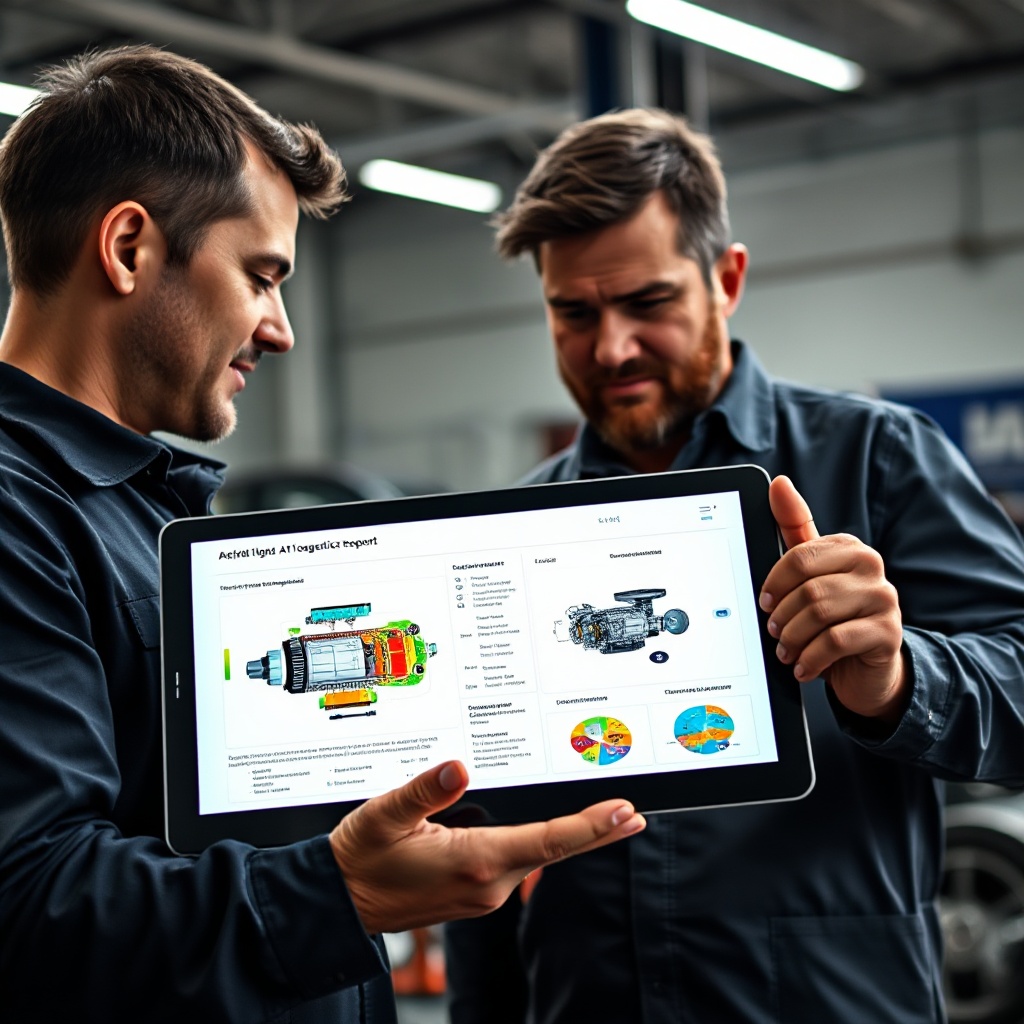
AI-generated reports go beyond basic diagnosis to offer visual representations of issues, plain-language explanations, and evidence-based repair recommendations. This level of transparency helps customers understand exactly what's happening with their vehicles and why specific repairs are necessary.
Eliminating Unnecessary Repairs Through Data-Driven Precision
One of the most significant benefits of AI in auto repair is the elimination of the "let's try this and see if it works" approach that has frustrated car owners for decades. By analyzing complex data patterns across thousands of similar vehicles and repairs, AI dramatically reduces guesswork.
These systems track technician notes, repair outcomes, and component failure trends to recommend only truly necessary fixes. The result? A substantial 30% reduction in repeat repairs and a 15% increase in overall shop efficiency. This shift toward data-driven diagnosis transforms auto repair from an art of estimation into a science of precision.
Leading diagnostic tools from Bosch, Hitachi, Hunter Engineering, and Autel now incorporate AI capabilities that validate repair recommendations through machine learning algorithms. Many systems also include human expert verification, adding another layer of confidence to the diagnosis.

Bridging the Communication Gap Between Drivers and Technicians
Auto repair has always suffered from a communication problem. Customers often don't understand technical explanations, while technicians struggle to translate complex issues into everyday language. AI is now bridging this communication gap with remarkable effectiveness.
AI generates reports that make sense to both experts and novices, using visual elements and clear language to explain problems. Beyond diagnostic reports, AI chatbots now handle scheduling, provide repair updates, and answer common questions—improving the customer experience at every touchpoint.
The industry is embracing this shift rapidly:
- 65% of service centers have adopted AI-powered scheduling systems
- AI chatbots are expected to handle 40% of all service inquiries by 2025
- Customer satisfaction scores have increased by 18% at shops using AI-driven communication tools
For drivers, this means fewer frustrating phone calls, clearer updates, and a better understanding of what's happening with their vehicles throughout the repair process.
Predictive Maintenance: Prevention Instead of Reaction
Perhaps the most revolutionary aspect of AI in auto repair is the shift from reactive to preventive maintenance. AI-powered systems work with IoT sensors to constantly monitor vehicle health, detecting subtle signs of impending failures before they cause breakdowns.
The business case for predictive maintenance is compelling:
- Operational costs reduced by 30-40% compared to reactive approaches
- Diagnostic time cut by 70% and repair time by 25% at Volvo and Mack Trucks
- Overall downtime reduced by 20% according to McKinsey research
For individual drivers, this means fewer emergencies and unexpected breakdowns. For fleet managers, it translates to optimized maintenance schedules and extended vehicle lifespans. The days of being stranded on the roadside with a preventable failure are becoming increasingly rare.
Building Consumer Trust Through Visual Evidence and Transparency
The auto repair industry has long battled perception problems, with many consumers suspicious about recommended services. AI is changing this dynamic by providing visual, data-backed evidence of vehicle issues.
When customers can see exactly what's wrong through detailed reports and images, trust naturally follows. Rather than taking a mechanic's word that a part needs replacement, customers can view the diagnostic data themselves and understand the reasoning behind recommendations.
This transparency is proving popular—70% of car owners say they would use an AI agent if it meant real-time diagnosis and clear explanations of vehicle issues. For repair shops, the investment in AI transparency tools pays off through increased customer confidence and loyalty.
Democratizing Expertise Across the Repair Industry
AI isn't just changing the customer experience—it's transforming how repair shops operate. By encoding the knowledge of experienced technicians into accessible diagnostic tools, AI helps less-experienced mechanics deliver high-quality service.
Independent shops can now compete more effectively with dealerships by leveraging AI diagnostic systems that deliver OEM-level precision. Shop productivity also increases as technicians spend less time on diagnosis and more time on actual repairs.
The technicians themselves report significant benefits, with 78% believing that AI improves their diagnostic accuracy and professional confidence. By automating complex diagnostic tasks, AI frees up human expertise for the skilled repair work that machines can't perform.
The Economic Impact of AI in Auto Repair
The financial benefits of AI in auto repair extend throughout the ecosystem. Repair shops see improved workflow efficiency and higher first-time fix rates. Insurance companies benefit from streamlined claims processes and fewer disputed repairs.
For customers, the economic advantages are particularly significant:
- Repair turnaround times reduced by an average of 15%
- Fewer repeat visits for the same issue
- Reduced likelihood of paying for unnecessary repairs
Prior to AI integration, only 35% of insurance customers rated the claims process as "very easy." With AI-powered documentation and assessment tools, this figure is rising as the entire claims and repair cycle becomes more transparent and efficient.
The Future Landscape of AI-Powered Auto Repair
The growth trajectory for AI in automotive repair is steep, with the market expected to expand from $4.4 billion in 2022 to $18.4 billion by 2028. Industry adoption has already increased by 22% from 2020 to 2023, and this pace shows no signs of slowing.
Several factors are driving this rapid adoption. Modern vehicles are increasingly complex—there's been a 27% jump in repairable severity for new models since 2019. Electric vehicles require about four more labor hours per repair than internal combustion engines, with costs averaging 30% higher.
Future AI systems will integrate even more data sources, including driving behavior, climate conditions, and vehicle usage patterns. This expanded analysis will further personalize maintenance recommendations and help manage the growing complexity of advanced vehicle systems.
As cars continue to evolve into computers on wheels, AI won't just be a nice-to-have for repair shops—it will be essential to their survival and success in diagnosing and repairing increasingly sophisticated vehicle systems.
Sources
GMB: How AI is Changing The Auto Repair Industry
ZipDo: AI In The Automotive Service Industry Statistics
MOTOR: AI in the Shop: How Smarter Diagnostics Are Redefining Auto Repair