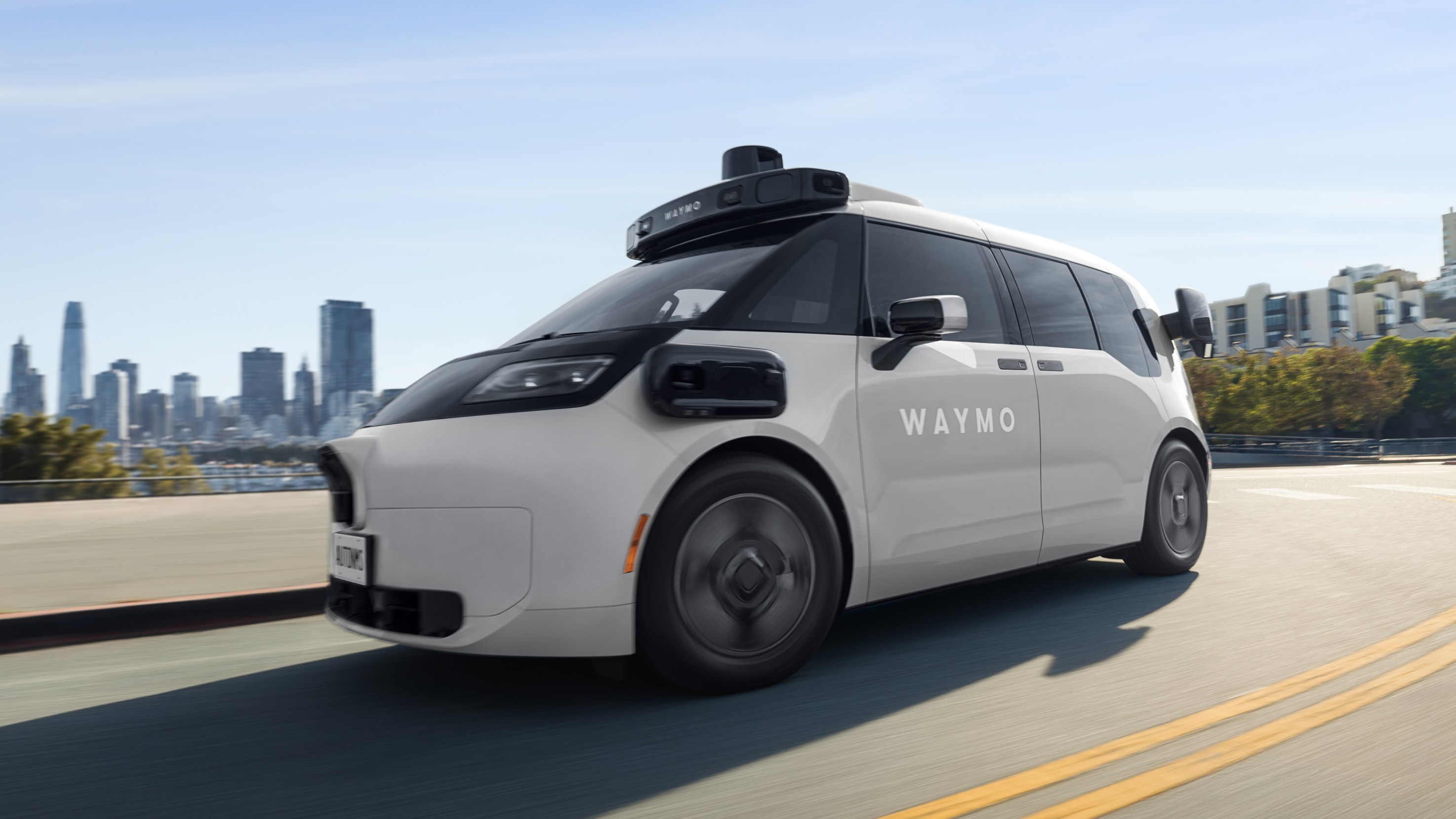
Waymo's school-bus fix shows how fast software updates ship but how hard they are to verify. Regulators question whether the patch worked on real roads.

Waymo's school-bus problem shows that an over-the-air update can change a driverless car's behavior in days, yet proving the fix worked takes far longer. Federal regulators say violations continued after Waymo's hotfix, which tests whether software recalls can handle the unpredictable edge cases of autonomous driving.
Key Takeaways
A software patch can be installed everywhere and still fail to fix the real-world problem.
Stopping for a school bus needs perception, planning and priority rules to work together.
Remote assistance can become a failure point if a human gets a poor view or a leading question.
Regulators need raw data and exposure-adjusted metrics, not just company summaries.
Trust depends on transparency and conservative behavior around children, not perfection.
Waymo's school-bus fix did not end federal scrutiny
The central question is simple. An update can change behavior fast, but can regulators verify that it fixed the underlying failure across different roads, lighting, bus designs and human behavior? Waymo's case suggests that's hard to confirm.
Reporting linked the problem behavior to an Aug. 20, 2025 software release. Here's how the key events line up, based on Reuters and TechCrunch:
| Stage | What happened |
|---|---|
| Software release | Aug. 20, 2025 release linked to the behavior |
| Violations | 12 citations reported, Sept. 25–Nov. 14, with no collisions |
| Hotfix | Waymo said it completed the update Nov. 17 |
| Voluntary recall | Filed Dec. 10, covering 3,067 vehicles |
| Federal review | NHTSA opened recall query RQ26006, covering 2,895 vehicles |
NHTSA said most reported incidents happened after Nov. 17, the day Waymo said the remedy was fully deployed. The two vehicle counts cover different regulatory actions, so they shouldn't be read as a discrepancy.
Waymo says behavior has improved and that it has had no related citations since March 2026. I'd treat that as a company-reported indicator. It isn't proof of resolution.
Why a stopped school bus is a hard test for driverless software
The rule is clear. Passing a stopped school bus with flashing red lights and an extended stop arm is illegal in all 50 states. The difficulty lies in executing it reliably in messy conditions.
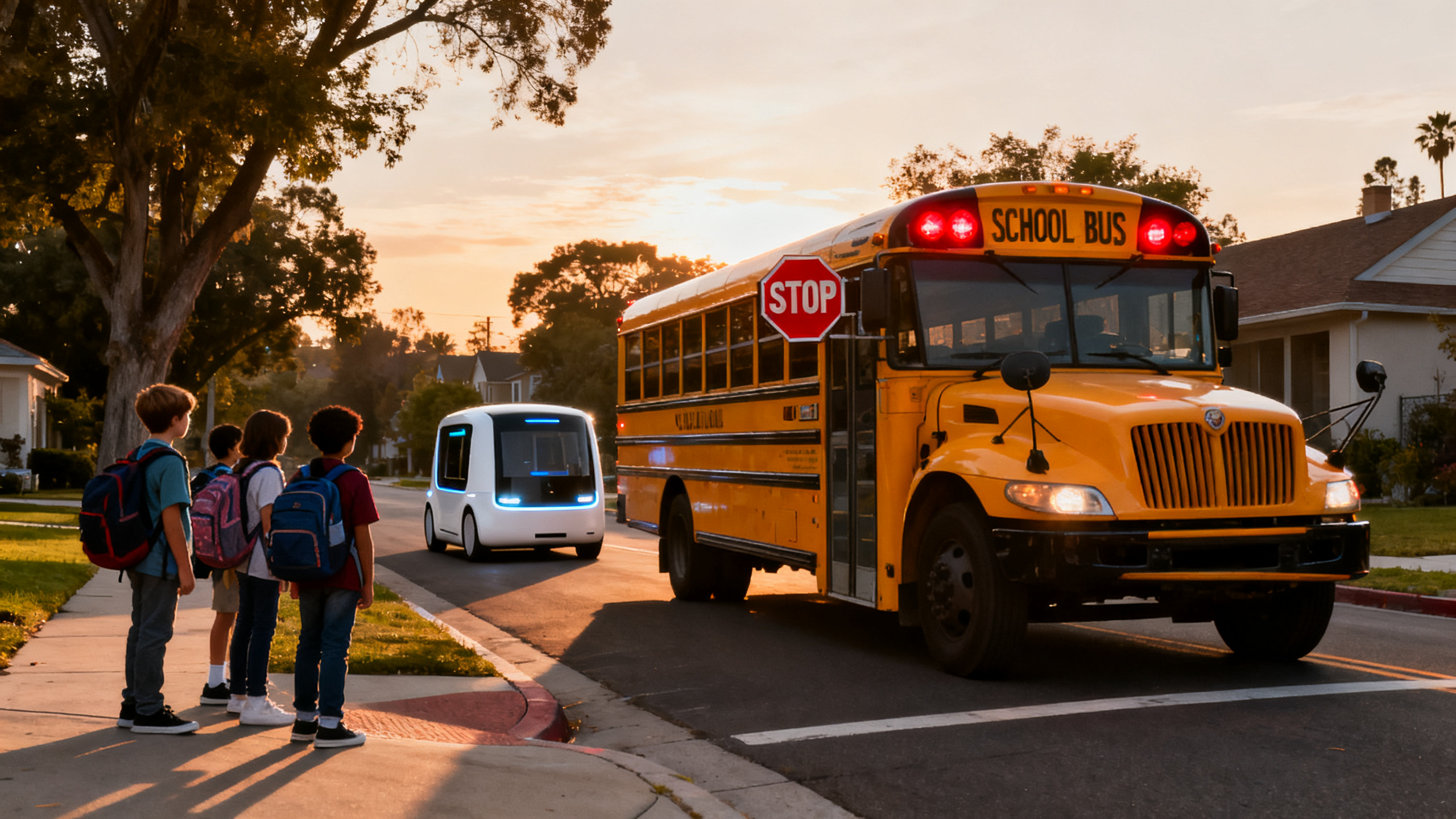
Detecting the bus isn't enough. The system has to read the lights and stop arm together, understand the traffic around it, and stay put even if that blocks other vehicles. The reported remedy aimed to hold the car still until the lights ended or the arm retracted. It also aimed to stop a general "don't impede traffic" goal from overriding the stop rule.
Driving software works in layers. Here's where a failure can hide:
Perception: spotting the bus, lights and stop arm.
Prediction: guessing what the bus and nearby people will do.
Planning: choosing to wait, proceed or go around.
Control: carrying out that choice.
Each layer can fail on its own. A patch to one can leave another problem intact, or a later module can override it.
Edge cases make this worse. Think of a bus half hidden by parked cars, glare or rain, an odd stopping angle, a late stop arm, or lights that one sensor sees and another doesn't. Each condition may be tested alone. Combinations create a far larger space that no test plan fully covers.
When remote assistance becomes part of the failure
Preliminary NTSB reporting described an empty Waymo that stopped for a bus loading students. It asked for remote help, got wrongly told the bus lacked active school-bus signals, and then drove past.
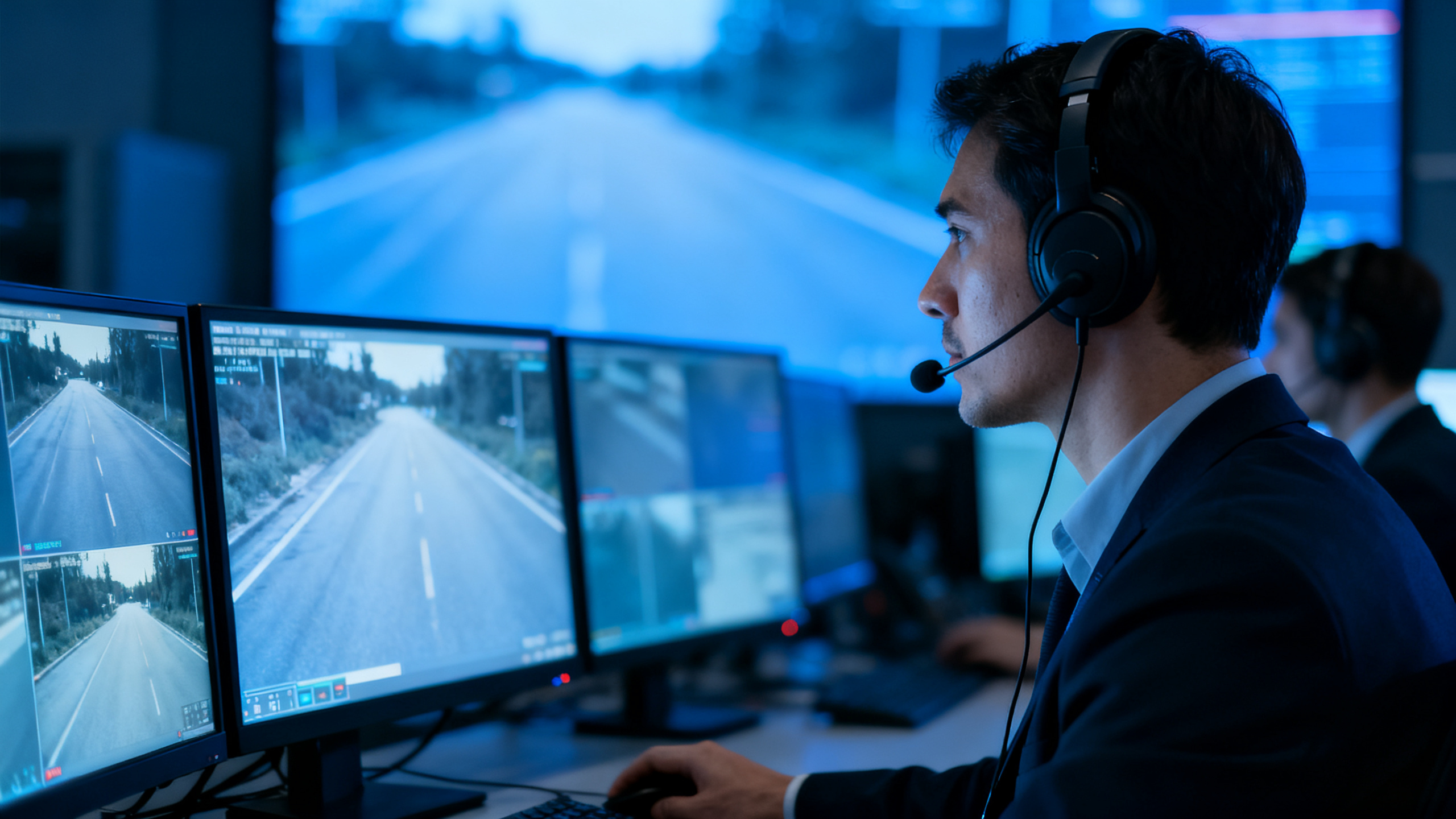
That points to operating procedure as well as onboard code. A software-only remedy could miss it entirely.
If I were reviewing this, I'd ask these questions:
What did the remote agent actually see?
Were the stop arm and flashing lights prominent?
Did a yes-or-no question invite an error?
Did the car need multiple signals before it moved?
The principle is straightforward. Remote help should reduce uncertainty. It shouldn't hand a critical call to a poorly supported human. If the classification is unclear, the default should be to keep stopping.
Later incidents add weight. KXAN reported that Austin Independent School District identified at least four more stop-arm violations after Dec. 10, 2025. "No collision" doesn't mean "no safety defect." An illegal maneuver around children is a hazard by itself.
Verifying a patch: what regulators should demand
Installed doesn't mean effective. NHTSA has to test whether the remedy was deployed as reported, whether it changed real-world behavior, and whether later incidents share a cause. That includes remote assistance.
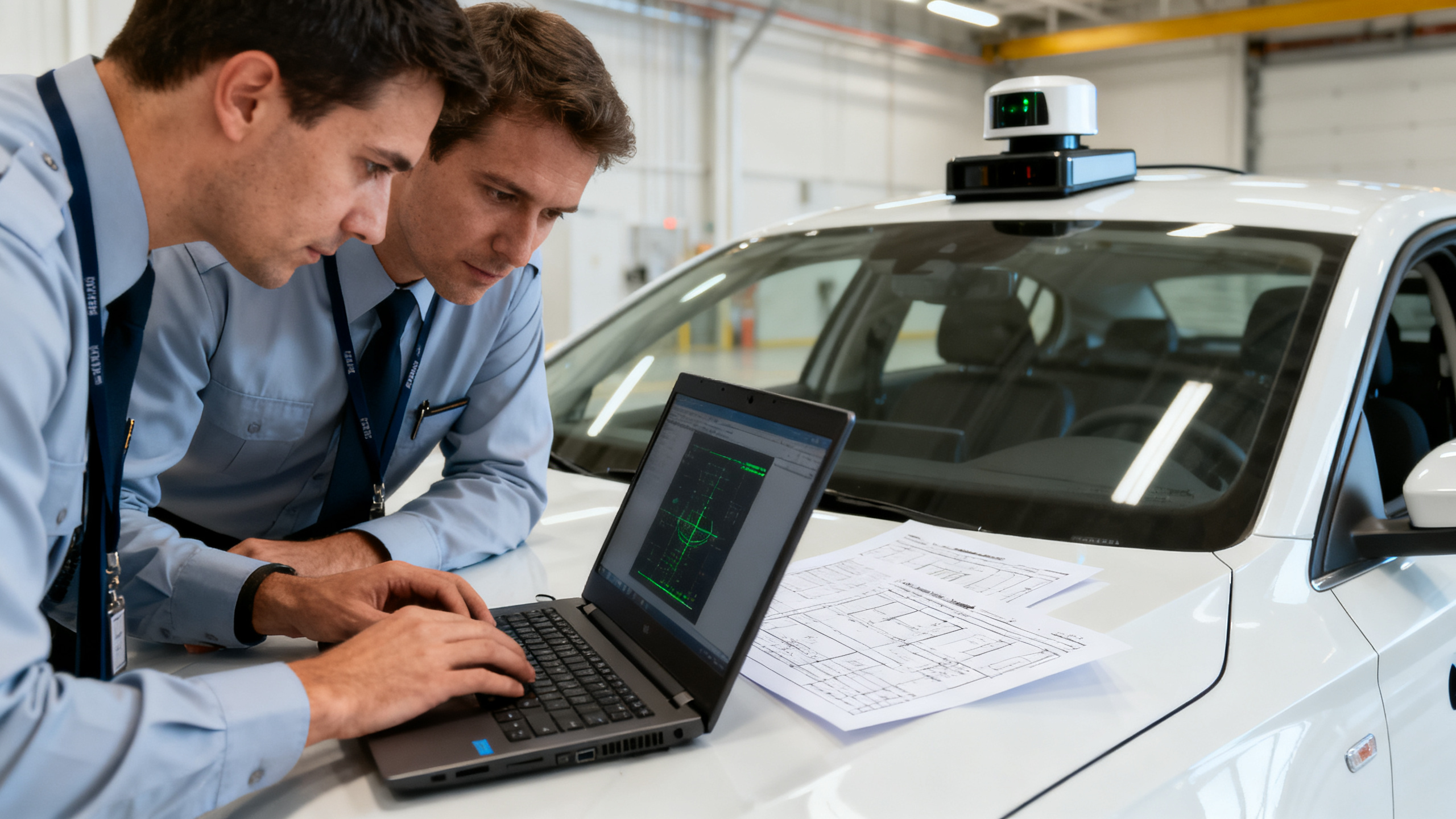
Hardware recalls are easier. Inspectors can check a replaced part. Software fixes need evidence that behavior changed across a huge range of rare conditions, and that no regressions appeared elsewhere.
Useful measures include:
Violations per 100,000 school-bus encounters.
Share of encounters where the vehicle stayed stopped.
Remote-assistance error rates.
Results split by city, weather and lighting, with confidence intervals and exposure data.
A raw incident count means little without knowing how many bus encounters happened. Oversight also needs more than company summaries. Regulators should see raw logs and video, software-version and update-confirmation records, and remote-assistance communications. Reporting should also cover non-collision violations and near misses.
That leaves a policy question, which WIRED raised through this case. Should companies self-certify a fix? Or should an independent authority validate it, with the recall reopened if violations continue? I lean toward independent validation, especially when children are involved.
Rebuilding trust after a fix that did not hold
Trust erodes in a predictable pattern. A company announces a fix, similar incidents follow, and regulators question the remedy. The public can't inspect the data, so doubt grows.
Because the risk involves children, tolerance for failure is low. Legal compliance is the minimum. Ethical safety means keeping a conservative margin around pedestrians who act unpredictably.
Credibility doesn't require perfection. It does require several habits:
Prompt disclosure of failures.
Clear technical explanations of what changed.
Published performance data.
Cooperation with investigators.
Restricted operations while uncertainty remains.
Here's my conditional conclusion. Software recalls can fix known failure modes, but they can't alone guarantee resilience to unpredictable edge cases. They need layered safeguards, independent testing and continuous monitoring. This case doesn't show that driverless cars can't be made safe.
It does show why an over-the-air patch shouldn't end an investigation. The closing question is the one that matters. When a vehicle meets something unfamiliar, will it recognize uncertainty and stop? Or will software, remote assistants and operating rules combine to fail again?
Sources
Reuters: US opens new probe into Waymo vehicles over school bus safety violations
WIRED: Waymo Said It Fixed Its School Bus Problem. The US Government Says It Didn't Work
KXAN: NHTSA probing Waymo software recall after bus violations
TechCrunch: Waymo robotaxis kept illegally passing school buses after software fix, feds say
The Independent: Waymo taxis won't stop passing stopped school buses, feds say