Volvo pivots South Carolina plant to hybrid SUVs under returning CEO Samuelsson, addressing underutilization and tariffs while maintaining long-term electrification goals.

Drivetech Partners
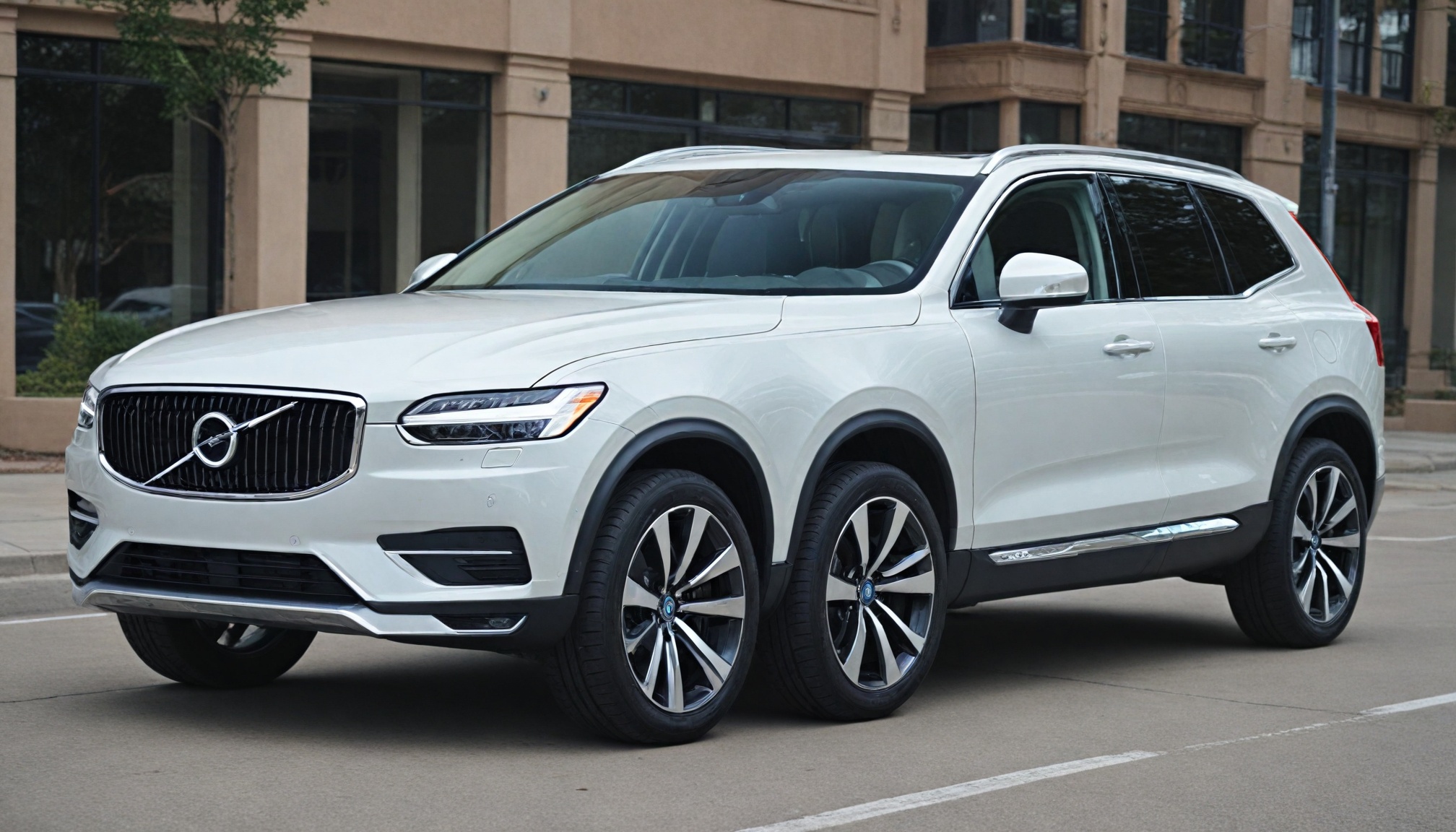
Volvo's South Carolina manufacturing plant is set to undergo a strategic shift as returning CEO Håkan Samuelsson plans to introduce high-volume hybrid SUV models to address underutilization and combat import tariffs. This decisive pivot follows disappointing first-quarter 2025 results that have prompted the company to target nearly $2 billion in cost reductions while still maintaining its ambitious electrification goals for the decade's end.
Key Takeaways
- Samuelsson's return as CEO brings a hybrid-focused strategy to Volvo's underutilized South Carolina plant
- The $1.1 billion facility currently operates well below its capacity of 150,000 vehicles annually
- New hybrid SUV models directly address Trump-era tariffs on European vehicle imports
- Production shift creates a natural hedge against future trade uncertainties while maintaining electrification goals
- Strategy balances immediate financial challenges with long-term market transition toward full electrification
Samuelsson's Return and Strategic Shift
Håkan Samuelsson stepped back into the CEO role on April 1, 2025, amid financial turbulence for the Swedish automaker. The company faces the urgent challenge of cutting nearly $2 billion in costs following disappointing first-quarter results. Rather than pulling back, Samuelsson has quickly implemented a bold manufacturing strategy centered on expanding American production.
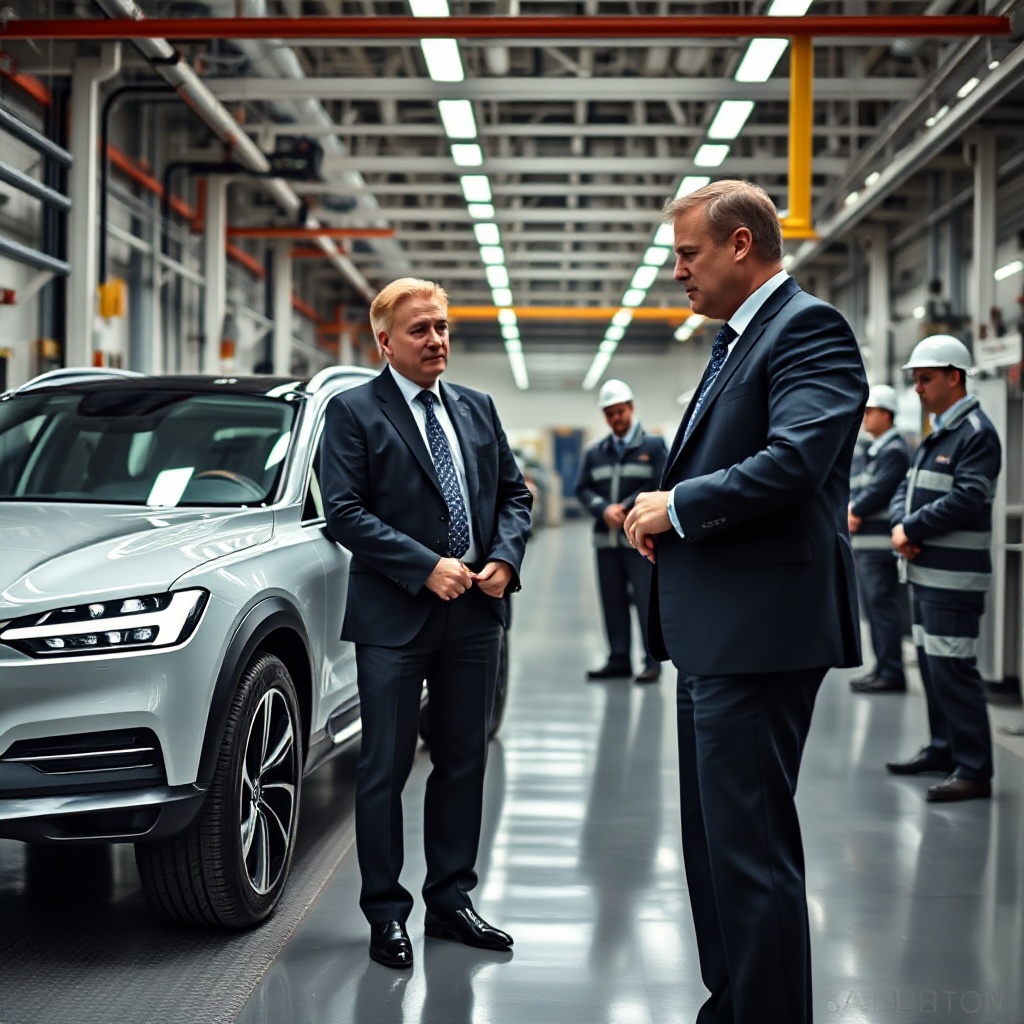
The cornerstone of this approach involves introducing new high-volume hybrid models at the company's South Carolina facility. This decision marks a significant adjustment to Volvo's electrification timeline without abandoning its ultimate goal of reaching 90-100% electrified sales by the decade's end. The hybrid-focused approach offers a practical bridge during market transition while addressing immediate financial pressures.
South Carolina Plant's Untapped Potential
Opened in 2017 with a massive $1.1 billion investment, Volvo's Berkeley County manufacturing facility represented the company's first production footprint in the United States. The plant was designed with annual production capacity for 150,000 vehicles and initially created 2,000 jobs with plans for up to 4,000 positions as production expanded.
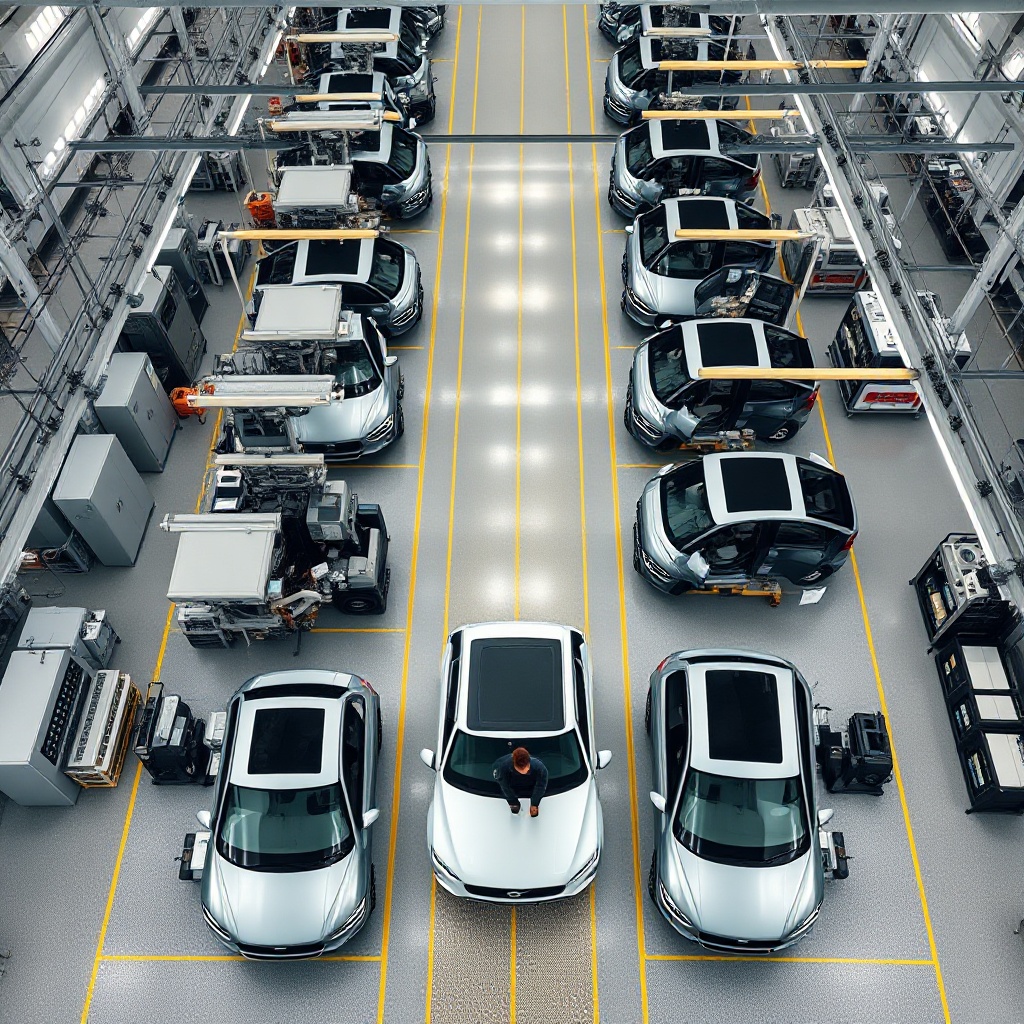
Despite these ambitious beginnings, the facility has struggled with severe underutilization. Currently, the plant produces only the EX90 electric SUV, with recent additions including $118 million to accommodate Polestar 3 production. This limited output falls dramatically short of the plant's designed capacity, creating inefficiencies and failing to deliver the expected economic impact.
American-Made SUVs: Meeting Market Demand
Samuelsson's strategy shrewdly aligns with American consumer preferences by focusing on SUV body styles rather than sedans or wagons. The planned hybrid models will include both mild-hybrid and plug-in versions, offering different levels of electrification to meet varying consumer demands while maintaining higher profit margins typical of the SUV segment.
This product selection reflects deep market analysis of American buying habits, where SUVs consistently dominate sales charts across all price segments. By manufacturing these popular models locally, Volvo can better respond to regional preferences while avoiding the logistical and tariff complications of importing vehicles from European factories.
Tariff Mitigation Driving Manufacturing Shift
The strategic production pivot directly addresses the significant impact of Trump-era tariffs on European imports, which substantially increased costs for vehicles produced in Volvo's European facilities. By manufacturing in South Carolina, the company creates a natural hedge against both existing tariffs and potential future trade policy changes.
This approach helps maintain competitive pricing in the important U.S. market while reducing exposure to international trade uncertainties. The manufacturing shift represents a pragmatic evolution of Volvo's original plans for its American operations, with a renewed focus on strengthening local supply chains to maximize tariff benefits.
Financial Recovery Through Increased Production
Beyond addressing tariff concerns, the expanded U.S. manufacturing strategy forms a crucial part of Volvo's broader financial recovery plan. Increasing plant utilization through new model production will improve manufacturing economics and help distribute fixed costs across more vehicles, directly supporting the company's cost-cutting initiatives.
Investment in hybrid technology represents a balanced approach that requires less capital than full battery-electric vehicle production while still advancing the company's electrification goals. This middle path allows Volvo to maintain its aggressive timeline for transitioning to electrified vehicles while addressing immediate financial constraints.
Implementation Challenges and Timeline
The company faces significant challenges in rapidly implementing its new production plans. Retooling the South Carolina plant for hybrid production will require additional investments while maintaining existing EX90 and Polestar 3 production. Developing local supply chains for hybrid components will be crucial for the manufacturing strategy's success.
Production ramp-up timing becomes critical to addressing the plant's utilization issues quickly enough to impact financial performance. As volume increases, the workforce will need to expand substantially from current levels, potentially approaching the 4,000 jobs originally planned for the facility.
Balancing Electrification with Market Realities
Samuelsson's hybrid-focused approach serves as a pragmatic bridge toward Volvo's ultimate goal of full electrification. This strategy offers valuable flexibility during the transition period when consumer adoption of fully electric vehicles varies significantly by market segment and geography.
The approach positions U.S. manufacturing as central to Volvo's global production strategy while acknowledging current market realities. Samuelsson demonstrates leadership by balancing long-term vision with immediate challenges, maintaining the company's electrification targets while adjusting implementation tactics.
Competitive Positioning and Market Impact
The manufacturing shift adjusts Volvo's position in the competitive premium automotive segment, particularly against European rivals who face similar tariff challenges. Increased U.S. production is designed to boost American sales volumes while creating potential pricing advantages against imported competitors.
This strategy demonstrates Volvo's commitment to the U.S. market while effectively combining Swedish engineering heritage with American manufacturing capabilities. The hybrid SUV approach positions the company in a sweet spot that addresses current demand while preparing for an electrified future.
Sources:
Charleston Business - Volvo begins production of all-electric flagship SUV at Ridgeville plant
Design Development Today - Volvo to boost electric vehicle production in South Carolina
CRDA - Volvo Cars selects South Carolina for first American plant
IndexBox - Volvo's strategic shift amid tariffs and market dynamics
Dynamic Auto Works - Hakan Samuelsson's return: steering Volvo Cars through turbulent times