Toyota's "no more boring cars" revolution: How Akio Toyoda transformed the brand from reliable but dull to exciting and engaging while maintaining legendary dependability.

Drivetech Partners
Akio Toyoda's revolutionary declaration of "no more boring cars" in 2017 marked a transformative shift for Toyota, catapulting the brand from its reputation for producing reliable but uninspiring vehicles into a new era of exciting, emotionally engaging automobiles. This bold vision has reimagined Toyota's identity through empowering designers over engineers, resulting in striking vehicles like the redesigned Camry and performance-focused GR models that maintain Toyota's legendary reliability while delivering genuine driving thrills.
Key Takeaways
- Toyoda's revolutionary "no more boring cars" declaration in 2017 fundamentally shifted Toyota's brand identity and product philosophy
- The dramatic redesign of the 2018 Camry served as the first major proof of Toyota's commitment to more exciting vehicles
- Toyota's GR (Gazoo Racing) performance sub-brand represents the purest expression of the company's renewed focus on driver engagement
- Toyoda's personal racing passion as "Morizo" provided authentic motivation for transforming Toyota's conservative approach
- This strategic shift has inspired competitors like Ford to follow suit, signaling an industry-wide move away from bland vehicles
The Birth of Toyota's Design Revolution
When Akio Toyoda stood before the automotive world in 2017 and declared "no more boring cars," he wasn't just making a marketing statement—he was fundamentally reshaping Toyota's identity. As the grandson of Toyota's founder and then-CEO, Toyoda recognized that the company had developed a reputation for producing dull, utilitarian vehicles since the late 1990s. This perception was further cemented after Toyota played it safe following the 2008 financial crisis and subsequent recall challenges.
What made this declaration revolutionary was how Toyoda implemented it. He shifted the traditional power dynamics within the company by empowering designers over engineers—a radical departure from Toyota's engineering-first approach that had dominated for decades. This wasn't just talk; it represented a complete restructuring of how vehicles would be developed.
Toyoda's personal passion for racing (competing under the pseudonym "Morizo") provided authentic motivation for the change. His hands-on involvement with vehicle development and testing gave him direct insight into what makes cars exciting for drivers. This wasn't a CEO making decisions from a boardroom—it was a car enthusiast pushing for genuine change from the driver's seat.

The Rebirth of the Camry: First Sign of Change
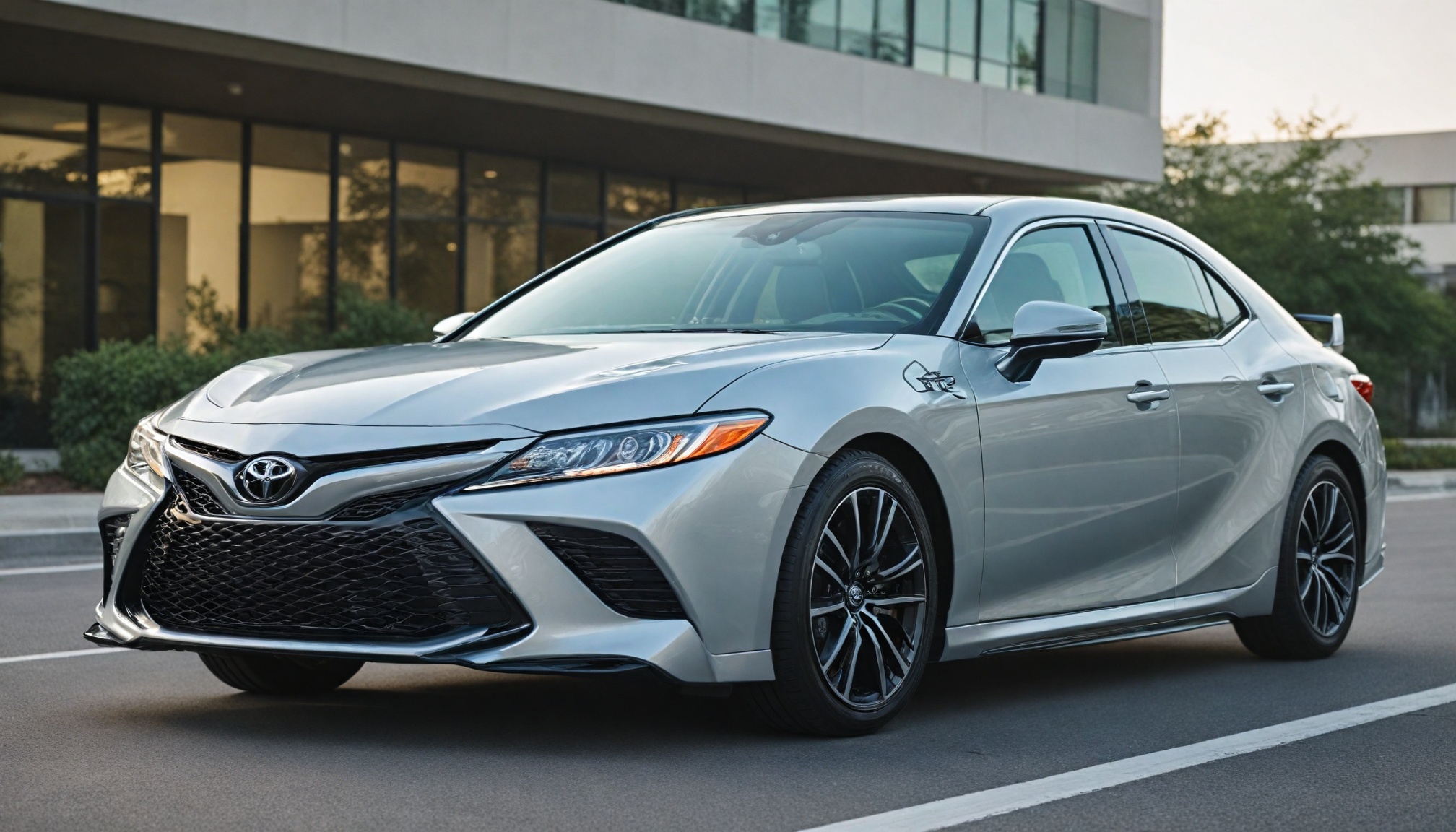
The 2018 Toyota Camry became the first major production vehicle to embody the "no more boring cars" philosophy. For decades, the Camry had been America's most conservative sedan—reliable and practical, but distinctly unexciting. The 2018 redesign shattered these conservative expectations with bold, flared sheet metal, an aggressive front fascia, and a driver-focused interior.
What made this transformation remarkable was that Toyota didn't sacrifice the Camry's core values of reliability and practicality. Instead, the company added an emotional dimension that had been missing. Sales data showed customers responded positively to the redesign despite its departure from Toyota's traditional styling, confirming that Toyota could maintain reliability while adding excitement.
The new Camry's success proved that Toyota's commitment to change wasn't just talk. It demonstrated that the company could successfully blend its reputation for quality with a new focus on emotional appeal, creating vehicles that satisfied both the rational and emotional needs of consumers.
The GR Performance Revolution
If the redesigned Camry was the first step in Toyota's transformation, the Gazoo Racing (GR) sub-brand represents its most radical expression of excitement. The GR lineup embodies Akio Toyoda's vision for vehicles that deliver genuine driving thrills while maintaining Toyota's reputation for reliability.
The GR Corolla exemplifies this approach with its impressive specifications: a 1.6L turbocharged three-cylinder engine with 224kW, GR-Four AWD system, manual transmission, and lightweight panels. Other standout models include the GR Supra (developed with BMW), GR86 (affordable sports coupe), and GR Yaris (rally-inspired hot hatch).
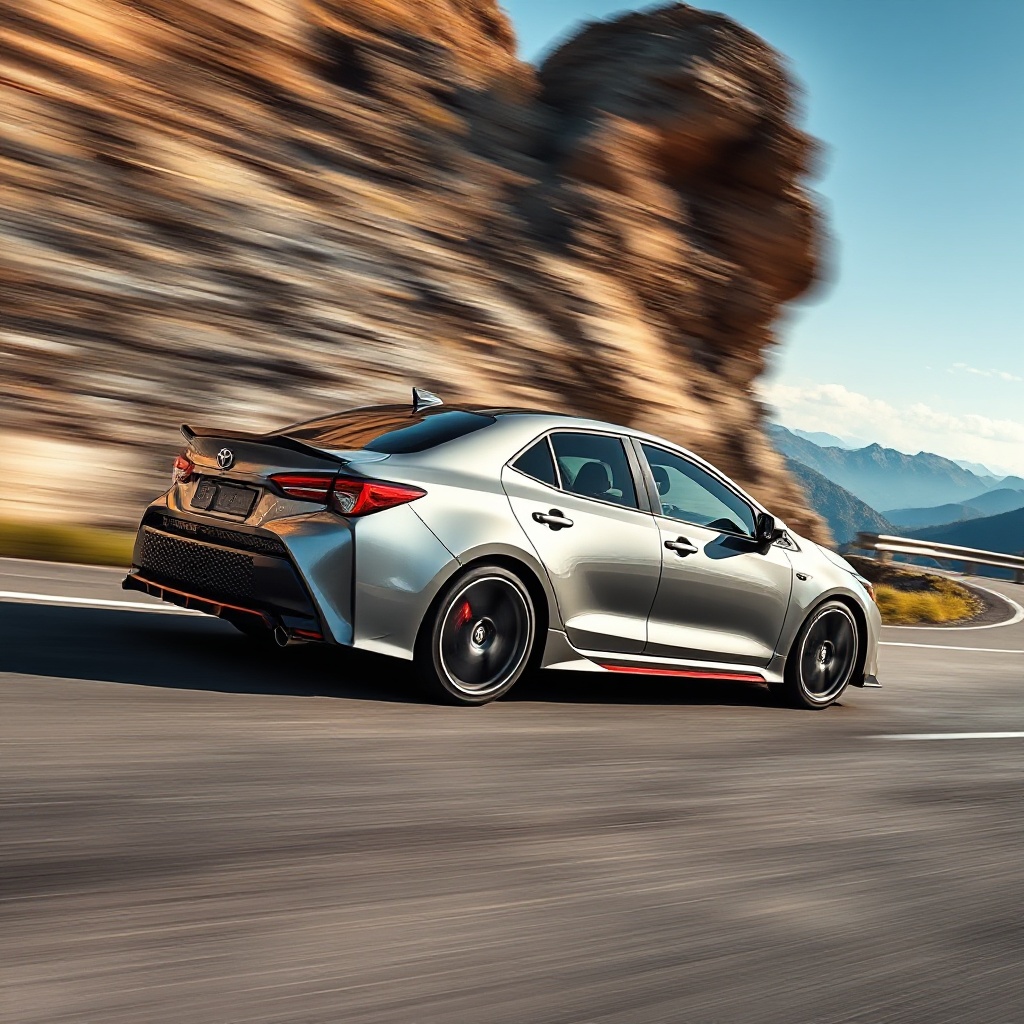
These purpose-built performance vehicles target enthusiast drivers who previously wouldn't have considered Toyota. The GR models have succeeded in attracting a new demographic of performance-focused buyers while retaining Toyota's hallmark reliability—a combination that few other manufacturers have achieved successfully.
Concept to Reality: Toyota's Design Ambition
Toyota's transformation didn't happen overnight. Key concept vehicles signaled the change years before Toyoda's official declaration, including the 2012 Fun-Vii, 2012 Lexus LF-LC (which became the LC500), and the 2014 FT-1 concept (which served as the basis for the Supra). Unlike many manufacturers who create concept cars solely for show, Toyota used these vehicles as genuine previews of production models.
New manufacturing technologies and materials enabled Toyota to bring these bold designs to mass production without compromising quality or reliability. The shift from conservative to daring design language rippled across the entire Toyota and Lexus lineup, creating a cohesive new visual identity for the brand.
This ambitious approach to design has allowed Toyota to transform its entire product range. Models that were once considered the epitome of boring—like the Corolla, Avalon, and RAV4—now feature distinctive styling and engaging driving dynamics that would have been unthinkable a decade ago.
Inspiring an Industry-Wide Shift
Toyota's reinvention has inspired competitors to follow suit, most notably Ford. Ford CEO Jim Farley announced a similar strategy, eliminating traditional sedans in favor of vehicles with stronger personalities like the Bronco, Mustang, and Raptor. Both automakers recognized the market demand for emotional connection and distinctive styling.
Industry trend data shows consumers are willing to pay premium prices for vehicles with character. This shift has profound implications for the automotive industry, challenging the conventional wisdom that most buyers prioritize practicality and value over emotional appeal.
The impact extends beyond specific models to how automotive brands position themselves in the market. Toyota's success has demonstrated that even established brands with conservative reputations can successfully reinvent themselves without alienating their core customer base—a lesson that many other manufacturers are now trying to apply to their own product strategies.
Maintaining Momentum: Toyoda's Ongoing Vigilance
Despite these successes, Akio Toyoda has expressed concerns about Toyota reverting to boring designs. He has emphasized the need for continuous innovation and cultural reinforcement within the company, recognizing that maintaining this new direction requires constant attention.
Upon stepping down as CEO in 2023, Toyoda ensured his successor would maintain the exciting product philosophy he established. This transition represents a critical moment for Toyota's transformation, testing whether the changes Toyoda implemented have become deeply embedded in the company's culture or remain dependent on his personal leadership.
Toyota's dealer network has embraced the new direction, reporting increased customer enthusiasm and engagement. This positive feedback from the front lines of customer interaction provides valuable validation for Toyota's strategy and helps maintain momentum for the ongoing transformation.
The Electric Future of Excitement
Toyota is now applying the "no more boring cars" philosophy to its electrification strategy. As the industry moves toward electric vehicles, Toyota faces the challenge of making EVs emotionally appealing in a market increasingly dominated by technology. The company is prioritizing driver engagement alongside environmental benefits in its approach to electric vehicles.
The Woven City project serves as a testbed for future mobility concepts that balance excitement with sustainability. This experimental city, built at the base of Mount Fuji, allows Toyota to explore how vehicles will interact with infrastructure and people in the future, ensuring that tomorrow's Toyotas remain as exciting as today's.
The challenge ahead is significant: maintaining driving excitement in vehicles that lack traditional engines and transmissions. Toyota's approach suggests that the company believes the core principles of its transformation—emotional design, engaging driving dynamics, and authentic character—can transcend powertrain technology, creating electric vehicles that still deliver the excitement Akio Toyoda demanded.
Sources
Edmunds: Akio Toyoda Won: Toyota Isn't Boring Anymore
Instagram: Renndvous post about Toyoda's "No more boring cars" statement
Toyota Times: Akio's Surprise for a Dear Friend and Messages to U.S. Dealers
Auto123: Jim Farley, Ford Terminates Boring Vehicles
CarsGuide: What the Hell Happened to Toyota