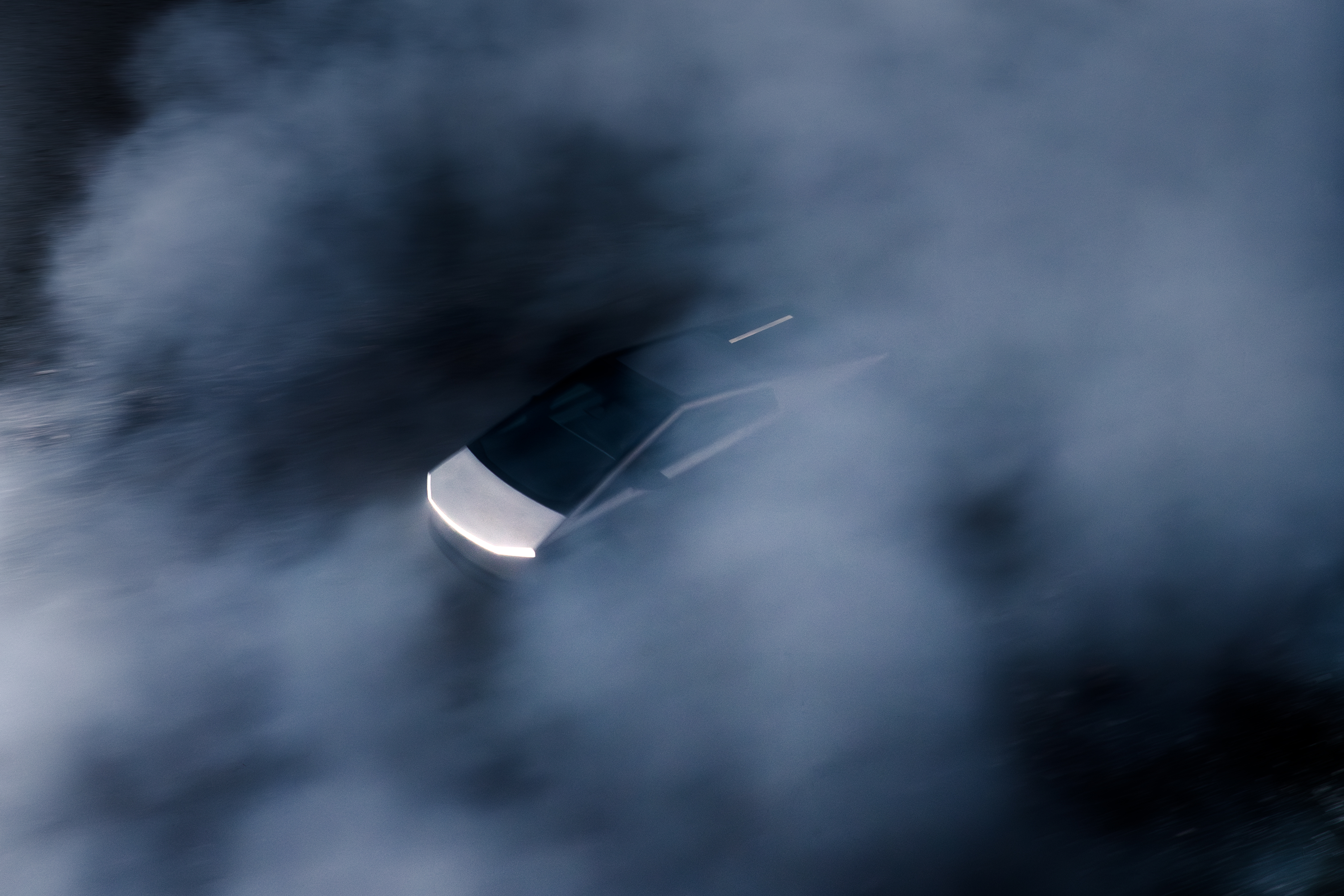
Tesla's Cybertruck sales crashed 48% in 2025 amid recalls, pricing errors, and design polarization—the steepest EV decline in the U.S. market.

Drivetech Partners
Tesla's Cybertruck suffered an unprecedented market failure in 2025, with sales plummeting 48.1% from approximately 39,000 units in 2024 to just 20,200 units—the steepest decline of any electric vehicle in the U.S. market. This catastrophic drop reflects a convergence of critical failures: elimination of the cheapest model variant, ten safety recalls in two years involving stuck accelerators and detaching body panels, a polarizing design that alienates mainstream buyers, and growing consumer reluctance to associate with a vehicle increasingly linked to CEO Elon Musk's controversial political activities.
Key Takeaways
- Cybertruck sales crashed 48.1% in 2025, losing nearly 19,000 units and achieving only 8% of Musk's projected 250,000 annual sales target
- Ten recalls in two years—including stuck accelerator pedals and detaching body panels—devastated consumer confidence in the vehicle's reliability
- Tesla eliminated the truck's cheapest model variant while federal EV tax incentives diminished, creating insurmountable affordability barriers for mainstream buyers
- The early adopter market appears exhausted, with mainstream consumers rejecting the unconventional design and premium pricing
- Despite remaining the second-best-selling electric pickup, the Cybertruck was outsold by Ford's discontinued F-150 Lightning, which moved 27,307 units before being cancelled
-thumb.jpg "2024_Tesla_Cybertruck_Foundation_Series,_front_left_(Greenwich).jpg")
Cybertruck Sales Plummet Nearly 50% in Catastrophic Market Collapse
The numbers tell a devastating story. Cybertruck deliveries dropped from approximately 39,000 units in 2024 to just 20,200 in 2025, according to Jalopnik. This 48.1% decline represents the largest sales drop of any EV by volume in the U.S. market.
The collapse becomes even more striking when measured against CEO Elon Musk's ambitious projections. The company originally targeted 250,000 annual units by 2025, but actual sales achieved only approximately 8% of this goal. Only one vehicle exceeded that 250,000-unit threshold in 2025—Tesla's own Model Y, which sold 357,500 units and highlighted just how unrealistic the Cybertruck projection was from inception.
Despite this dramatic failure, the Cybertruck retains its position as the second-best-selling electric pickup behind Ford's F-150 Lightning, which moved 27,307 units in 2025. Other competitors posted significantly lower numbers: the Chevy Silverado EV sold 11,275 units, the GMC Hummer EV reached 15,788 units, the Rivian R1T delivered 7,416 units, and the GMC Sierra EV achieved 7,996 units.
Quality Nightmares and Safety Recalls Devastate Consumer Confidence
Reliability problems plagued the Cybertruck from launch. The vehicle accumulated ten recalls in its first two years, according to Futurism. These weren't minor issues—they represented serious safety hazards that undermined consumer trust.
The most alarming problems included:
- Stuck accelerator pedal recalls creating dangerous situations
- Power loss while driving incidents
- Stainless steel body panels detaching due to poor adhesive application
- Lightbar attachment failures related to glue quality
These recurring mechanical failures severely damaged the brand's reputation for a vehicle marketed as "apocalypse-proof." Consumers expect premium vehicles to deliver exceptional reliability, not fundamental safety defects. The adhesive failures particularly embarrassed Tesla, as detaching body panels suggested manufacturing processes that failed to meet basic quality standards.
Pricing Missteps and Affordability Barriers Lock Out Mainstream Buyers
Tesla made a critical strategic error during 2025 by eliminating the truck's cheapest model variant. This decision removed the entry point for price-sensitive consumers just as the market needed more accessible options, not fewer.
The timing couldn't have been worse. Diminishing federal EV tax incentives simultaneously reduced affordability across the electric vehicle market. These combined forces created insurmountable price barriers for mainstream buyers who might have considered the Cybertruck at a lower price point.
The removal of the entry-level version sent a clear message: Tesla prioritized profit margins over market share. This approach might work for luxury vehicles with established reputations, but it proved disastrous for a polarizing new product still fighting to prove its value proposition to skeptical consumers.
Early Adopter Market Exhaustion Reveals Limited Appeal
The 2024 sales figures represented a specific customer segment: early adopters willing to pay premium prices for novelty and exclusivity. These buyers valued being first to own Tesla's radical reimagining of the pickup truck, regardless of practical concerns or quality issues.
The sharp year-over-year reversal suggests this segment is now largely saturated, according to The Drive. Mainstream consumers demonstrated far lower willingness to embrace an expensive, unreliable vehicle with an unconventional design that stands out for all the wrong reasons.
Tesla appears to have fundamentally miscalculated both the addressable market size and consumer patience with ongoing quality issues. Early adopters tolerate imperfection in exchange for innovation. Traditional truck buyers demand reliability, functionality, and value—none of which the Cybertruck consistently delivered.
Polarizing Design and Elon Musk's Political Controversy Poison Public Perception
The Cybertruck's angular, unconventional design creates strong negative sentiment among potential buyers. While some consumers appreciate the radical aesthetic, many cite a lack of real-world functionality that traditional truck owners expect from their vehicles.
Design concerns merged with reputational damage from another source: the vehicle's growing association with Elon Musk's controversial political activities. Throughout 2025, Musk's far-right political espousal damaged Tesla's reputation among progressive consumers who had previously formed the core demographic for electric vehicles, according to Futurism.
The Cybertruck is most closely associated with Musk's personal brand and divisive public persona—more so than any other Tesla product. This created purchasing hesitation among consumers concerned about the message the vehicle conveys. Driving a Cybertruck became a political statement rather than simply a transportation choice, alienating buyers who wanted a capable electric truck without the cultural baggage.
Electric Pickup Market Contraction Fails to Help Cybertruck
The electric pickup segment experienced significant contraction during 2025. Ford discontinued the F-150 Lightning in December 2024, citing insufficient sales. Ram cancelled its planned electric pickup truck entirely, signaling widespread challenges in this vehicle category.
Yet even as competition diminished, the Cybertruck failed to capitalize. The discontinued F-150 Lightning still outsold the Cybertruck in 2025, moving 27,307 units compared to the Cybertruck's 20,200. This remarkable fact demonstrates just how severe the Cybertruck's problems had become—it couldn't even defeat a cancelled competitor.
The competitive landscape shows limited success across all players:
- Chevy Silverado EV: 11,275 units in 2025
- GMC Hummer EV: 15,788 units in 2025
- Rivian R1T: 7,416 units in 2025
- GMC Sierra EV: 7,996 units in 2025
Market consolidation should have benefited the Cybertruck, but dominance is not assured even as competitors exit the segment.
Broader EV Market Struggles Provide Context, Not Excuse
The 2025 electric vehicle market faced headwinds across multiple models. The Kia EV6 experienced a 40% sales decline, dropping from 21,715 to 12,933 units, according to Autoblog. Cadillac Lyriq deliveries fell 7,400 units compared to 2024. Even Tesla's best-selling Model Y saw sales fall by 15,000 units.
These industry-wide challenges provide important context, but they don't excuse the Cybertruck's performance. The vehicle's 48.1% percentage decline and absolute unit loss exceeded all peers. General market softening affected all electric vehicles, but vehicle-specific factors drove the Cybertruck's unprecedented collapse.
The data clearly shows that while the entire EV market struggled, the Cybertruck's problems ran far deeper. Quality issues, pricing missteps, design polarization, and brand association created a perfect storm of failures that distinguished this vehicle's decline from normal market fluctuations. Tesla built a product that early adopters embraced enthusiastically, but mainstream consumers rejected decisively—and the 2025 sales figures prove that rejection beyond any reasonable doubt.
