New DVSA safety rules in 2025 overhaul vehicle regulations, targeting insecure loads with stricter testing, enhanced security standards, and severe penalties for non-compliance.

Drivetech Partners
The DVSA's sweeping safety regulations for 2025 mark the most significant overhaul of vehicle operation responsibilities in years, affecting everyone from private motorists to commercial fleet managers. These comprehensive changes aim to drastically reduce the approximately 2,000 insecure load incidents encountered annually through enhanced reporting requirements, stricter load security standards, and heightened enforcement measures with serious consequences for non-compliance.
Key Takeaways
New safety regulations effective April 1, 2025 require four laden brake tests annually for all HGVs and trailers
DVSA's updated load security guidance includes specific requirements for risk assessments and securing various load types
Non-compliance penalties include fines up to £1,000, vehicle prohibitions, and potential criminal charges in serious cases
Caravan owners face specific new requirements including mandatory towing mirrors providing 4-meter wide visibility from the side
Electric vehicles will lose their Vehicle Excise Duty exemption, with payments starting at £10 in the first year and rising thereafter
The Human Cost of Load Security Failures
The tragic death of 11-year-old Harry Dennis in 2022 starkly illustrates the devastating consequences of insecure loads. Russell Le Beau received a 4-year prison sentence and 7-year driving ban after scaffolding from his vehicle became detached, resulting in Harry's death. This case prompted the DVSA to update its load security guidance in December 2024, adding critical sections on risk assessments, covering loose materials, and securing hazardous loads like asbestos waste and precast concrete.
Vehicles found with insecure loads are now immediately prohibited from continuing their journeys until properly secured. This enforcement action represents just one part of the DVSA's intensified approach to road safety compliance. The agency has explicitly stated that drivers face fixed penalties or prosecutions for insecure loads, signaling a zero-tolerance policy toward these dangerous violations.

New HGV and Commercial Vehicle Requirements
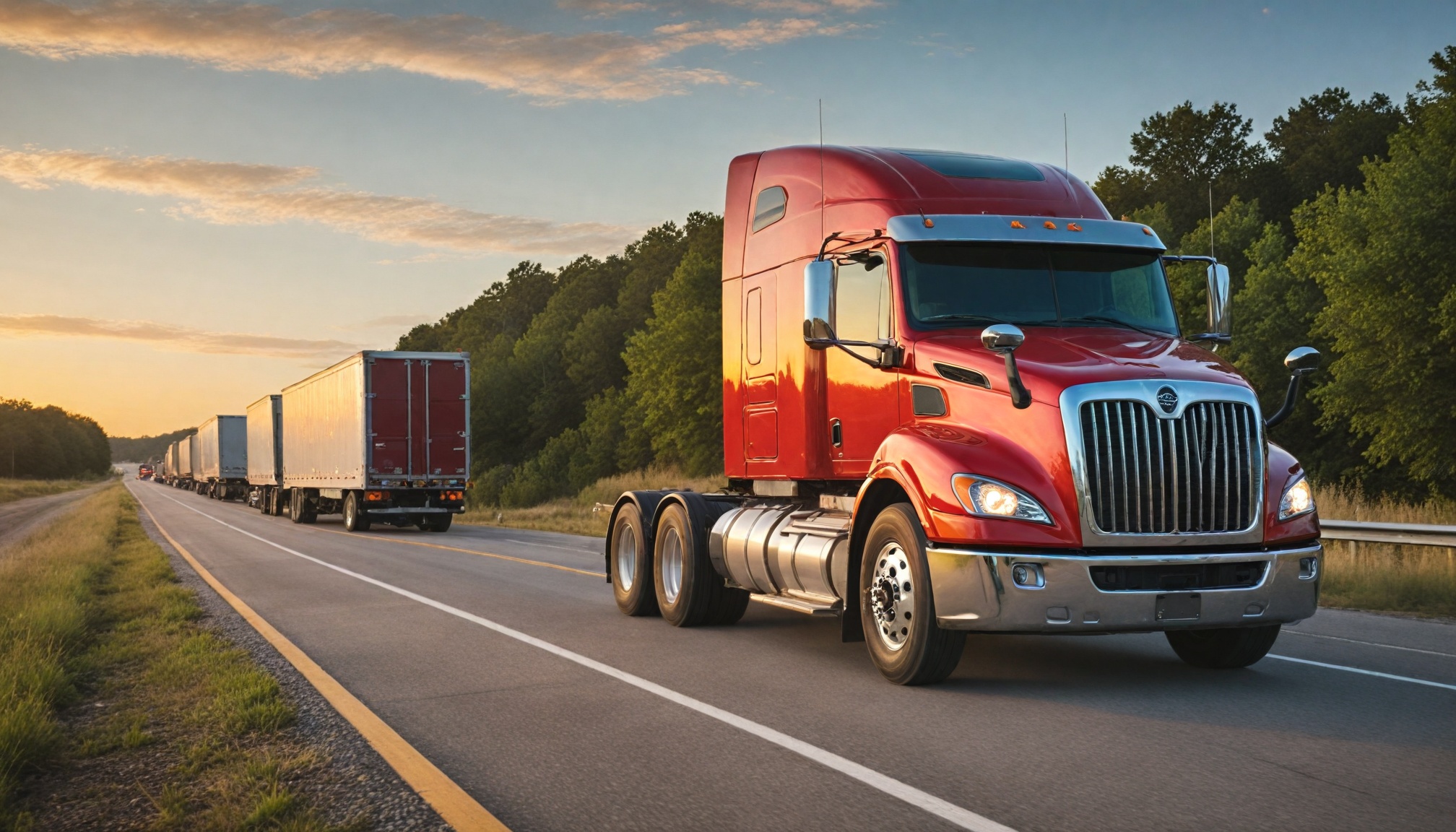
From April 1, 2025, all HGVs and trailers must undergo four laden brake tests annually, including during the MOT. This significant change requires operators to complete risk assessment forms if these requirements aren't met. Operation without proper testing could result in compliance action against the operator's license.
HGVs operating in Greater London face additional requirements starting May 4, 2025, under Transport for London's Direct Vision Standard. This mandate requires safety permits that assess driver visibility of vulnerable road users such as cyclists and pedestrians. Vehicles with insufficient direct visibility must install supplementary safety features including cameras and sensors to qualify for the necessary permits.
These combined requirements place substantial new responsibilities on commercial operators, who must now ensure:
Complete documentation of all brake testing procedures
Proper risk assessment when requirements can't be met
Installation of safety equipment for London operations
Comprehensive driver training on all new requirements
Regular inspection and maintenance program compliance
Caravan Safety Updates for Summer 2025
Ahead of the peak summer season in May 2025, the DVSA has issued critical safety updates for caravan owners. The requirements include appropriate towing mirrors that provide visibility 4 meters wide from the caravan side at 20 meters behind the driver. The consequences of non-compliance are severe – three penalty points and fines up to £1,000.
Additional caravan safety requirements prohibit passengers from traveling in caravans while being towed and mandate that caravan number plates clearly display the registration number and be illuminated at night. The Camping and Caravanning Club now offers specialized one and two-day courses covering essential towing skills to help owners meet these regulations.
Training and Compliance for Vehicle Operators
The DVSA's Guide to Maintaining Roadworthiness (GTMR) now places greater emphasis on the importance of daily walkaround checks and thorough inspections. Commercial operators must implement systematic training programs to ensure all staff understand the new requirements. This includes regular training sessions and updates to prevent safety oversights.
Operator responsibilities now explicitly include ensuring staff are properly trained on load security requirements. This represents a significant expansion of duty for fleet managers and business owners. The liability for training failures now extends beyond the individual driver to the operation as a whole, creating an additional layer of responsibility.
Key training elements should include:
Load security assessment procedures
Proper securing techniques for different load types
Daily vehicle inspection protocols
Documentation requirements
Emergency response procedures for load shifts
Electric Vehicle Regulatory Changes
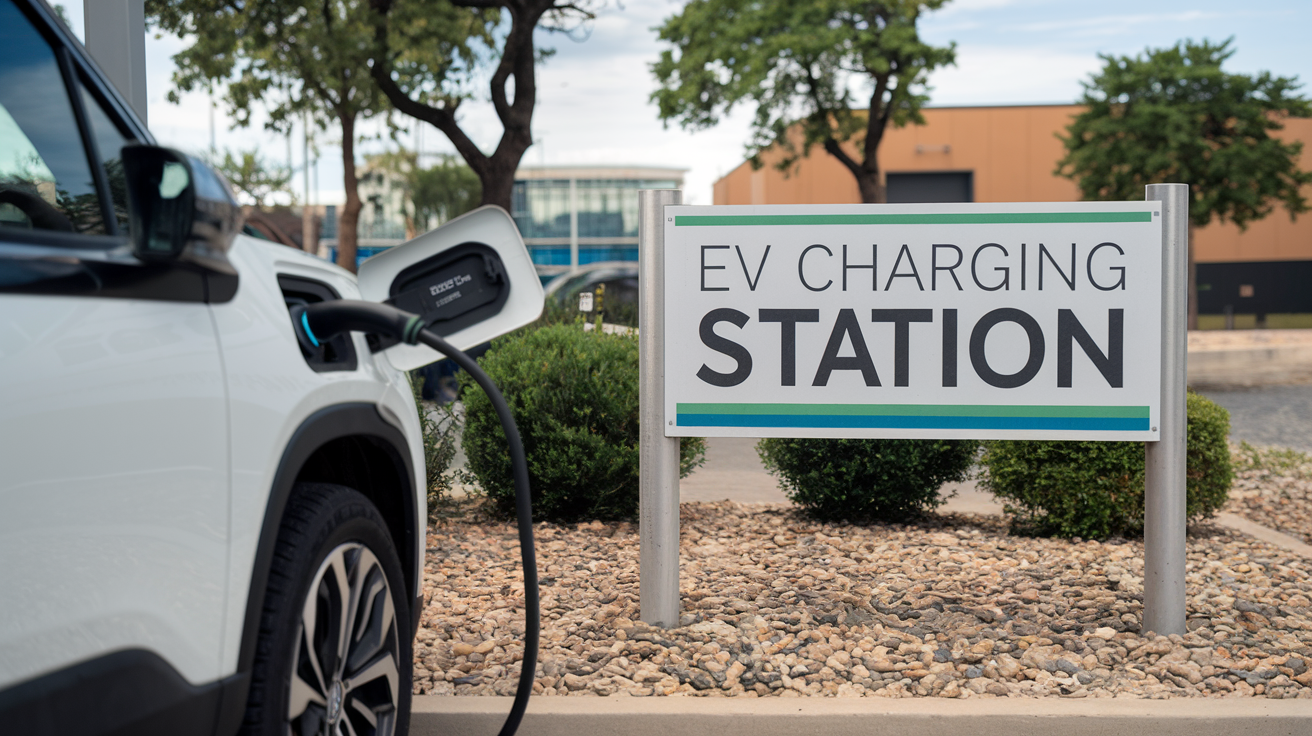
Starting April 1, 2025, electric vehicles will no longer enjoy Vehicle Excise Duty exemption. New EVs will pay £10 in the first year and £195 annually thereafter. For premium electric vehicles valued over £40,000, an additional expensive car supplement of £410 applies for five years.
Further changes affect EV owners in London, where electric vehicles will lose their exemption from the £15 London Congestion Charge from December 25, 2025. This marks a significant shift in policy that had previously incentivized electric vehicle adoption through exemptions from various charges and taxes.
Car manufacturers face their own set of requirements, with mandates to ensure at least 22% of new car sales and 10% of new van sales are fully electric from January 1, 2025. EV charging providers must meet new government standards or face substantial fines up to £10,000, ensuring reliable infrastructure for the growing electric fleet.
Digital Transformation of Vehicle Compliance
The introduction of digital driving licenses in 2025, accessible via a government smartphone app, represents a significant modernization of the licensing system. These digital credentials will work alongside physical licenses and may serve as ID for purchasing alcohol, voting, or boarding domestic flights.
The DVSA's strategic vision focuses on improving service efficiency through digital transformation. Plans include shortening waiting times for car tests and streamlining the theory test customer experience in a more inclusive manner. The agency is also building on new digital services for Authorized Testing Facilities (ATFs) and vehicle users.
This digital shift aims to:
Reduce administrative burden
Improve accessibility of vehicle testing
Create more efficient compliance reporting
Enable faster verification of vehicle and driver credentials
Simplify the user experience for operators and private drivers
Broader Road Safety Initiatives
Beyond vehicle-specific regulations, 2025 sees Scotland implementing a nationwide default 20mph speed limit in urban and residential areas. This change reflects a holistic approach to road safety that combines vehicle regulations with environmental controls.
The DVSA is adapting its services to respond to the implications of advanced driver assistance and self-driving features, which are becoming increasingly common. The agency is focused on simplifying services, particularly vehicle approvals, and creating safer road environments through a comprehensive regulatory approach.
These initiatives demonstrate a multi-faceted strategy to improve road safety through technology, speed management, and targeted enforcement. The combined approach addresses both the vehicles themselves and the broader environment in which they operate.
Sources
GB News - DVSA safety warning drivers caravans
Driver and Vehicle Standards Agency
Tempcover - New driving laws and rules for 2025
YouTube - DVSA Safety Requirements
Moving On Blog - The importance of load security
DVSA strategic plan to 2025