Discover how Mobility as a Service (MaaS) is revolutionizing urban transport through AI, IoT, and multi-modal integration, creating sustainable, efficient city movement.

Drivetech Partners
Urban transportation is on the brink of a dramatic overhaul as Mobility as a Service (MaaS) emerges at the intersection of urbanization, technology, and sustainability concerns. Digital platforms now enable seamless integration of public transit, ride-hailing, bike-sharing, and micro-mobility options, promising to deliver efficient, affordable, and environmentally responsible transportation solutions for increasingly congested cities.
Key Takeaways
- The MaaS market is projected to grow from $263 billion to potentially $6.59 trillion by 2035, transforming how people move in urban environments
- Integration of artificial intelligence and IoT sensors enables real-time optimization of routes, pricing, and vehicle allocation
- MaaS platforms can reduce urban congestion by 15-30% and cut carbon emissions by up to 25% through optimized multi-modal journeys
- The Asia-Pacific region leads adoption, with China making substantial investments in smart infrastructure
- Successful implementation requires unprecedented cooperation between public and private stakeholders to overcome regulatory and infrastructure challenges
MaaS: The Future of Urban Mobility Arrives
Mobility as a Service (MaaS) represents a fundamental shift in transportation, moving away from siloed, mode-specific options toward unified digital platforms that integrate multiple travel options. This transformation couldn't come at a more crucial time. Urban centers continue to expand rapidly, with projections indicating that 68% of the global population will live in cities by 2050, putting enormous pressure on existing transportation networks.
The near-universal adoption of smartphones—now exceeding 6.8 billion users worldwide—has created the perfect digital infrastructure for MaaS platforms to thrive. These pocket-sized computers enable real-time access to transportation options, payments, and journey planning that would have been impossible just a decade ago.
Simultaneously, mounting environmental concerns are pushing cities to find sustainable alternatives to private vehicles. MaaS offers a compelling solution by optimizing transportation resources, reducing congestion, and lowering emissions through more efficient use of existing infrastructure.
Explosive Market Growth: Billions to Trillions
The economic potential of MaaS is staggering. Valued at approximately USD 263.19 billion in 2025, the market is projected to reach USD 633.97 billion by 2030. Even more remarkable, some forecasts predict the market could exceed USD 6.59 trillion by 2035. This represents one of the most significant growth opportunities in the transportation sector.
Growth rates vary depending on the forecast period and methodology, with Compound Annual Growth Rates (CAGR) ranging from 14.02% to an impressive 38%. Currently, ride-hailing services dominate the market share, but micro-mobility services like e-scooters and bike-sharing are experiencing the fastest growth as urban dwellers seek flexible, affordable options for short trips.

Technology Powering the MaaS Revolution
The MaaS revolution is built on a foundation of cutting-edge technologies working in concert. Artificial Intelligence and machine learning algorithms analyze vast amounts of transportation data to optimize routing, dynamically adjust pricing, and efficiently allocate vehicles in real-time, creating more responsive mobility systems.
IoT sensors and connected infrastructure provide the critical data needed for seamless service integration. These sensors monitor everything from vehicle locations to traffic conditions, enabling the system to adapt quickly to changing circumstances.
Real-time data analytics enable dynamic pricing and demand forecasting, helping balance supply and demand across transportation networks. This creates a more efficient system while providing users with accurate information about wait times and costs.
Advanced payment systems facilitate frictionless transactions across multiple transportation providers, eliminating the need for separate payment methods for different services. Finally, digital platforms create unified user interfaces that simplify what would otherwise be a complex transportation ecosystem, making it accessible to users of all technical abilities.
Global Leaders and Regional Innovations
MaaS adoption varies significantly by region, with the Asia-Pacific region currently leading the charge. China's massive investments in smart city infrastructure have created fertile ground for MaaS implementation, with integrated transportation apps becoming commonplace in major cities.
The European Union is advancing MaaS through coordinated policy frameworks, with countries like Germany, France, and the UK taking leadership roles. The EU's focus on reducing carbon emissions has created strong incentives for developing integrated, sustainable transportation solutions.
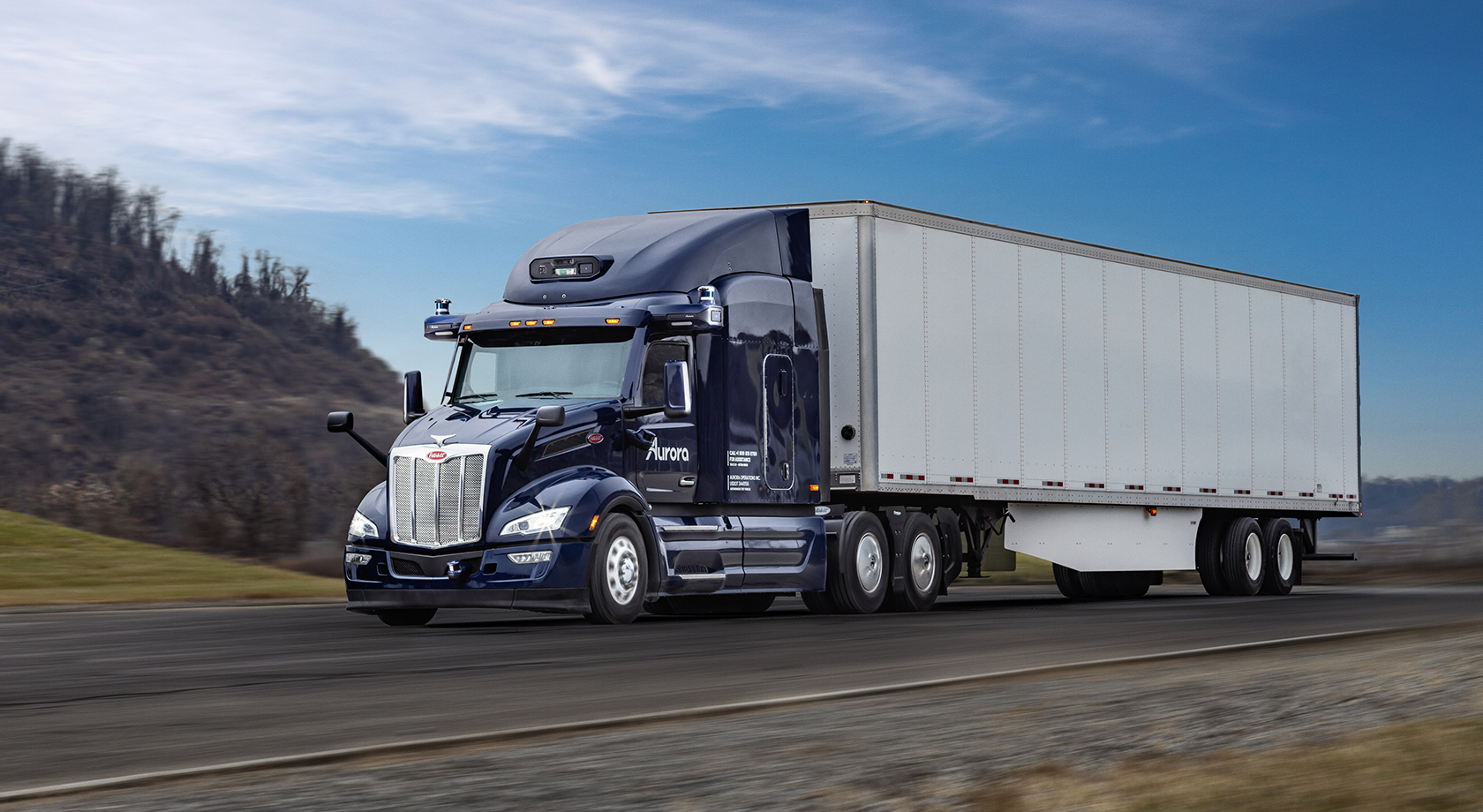
The North American market is accelerating with U.S. advancements in autonomous vehicles and digital infrastructure. Major players in the global MaaS ecosystem include Uber Technologies Inc., Lyft, Inc., Europcar, and Hertz System, Inc., though regional implementations vary based on existing transportation infrastructure and cultural preferences.
Regulatory and Infrastructure Challenges
Despite its promise, MaaS faces significant hurdles to widespread implementation. Fragmented regulations between jurisdictions create barriers to seamless cross-border and cross-city services. A passenger might start a journey in one city with certain rules, only to cross into another jurisdiction with different requirements for the same service.
Data privacy concerns and security requirements vary significantly between regions, complicating the data sharing needed for truly integrated services. Legacy transportation infrastructure often requires substantial upgrades to support digital integration, creating financial and logistical challenges.
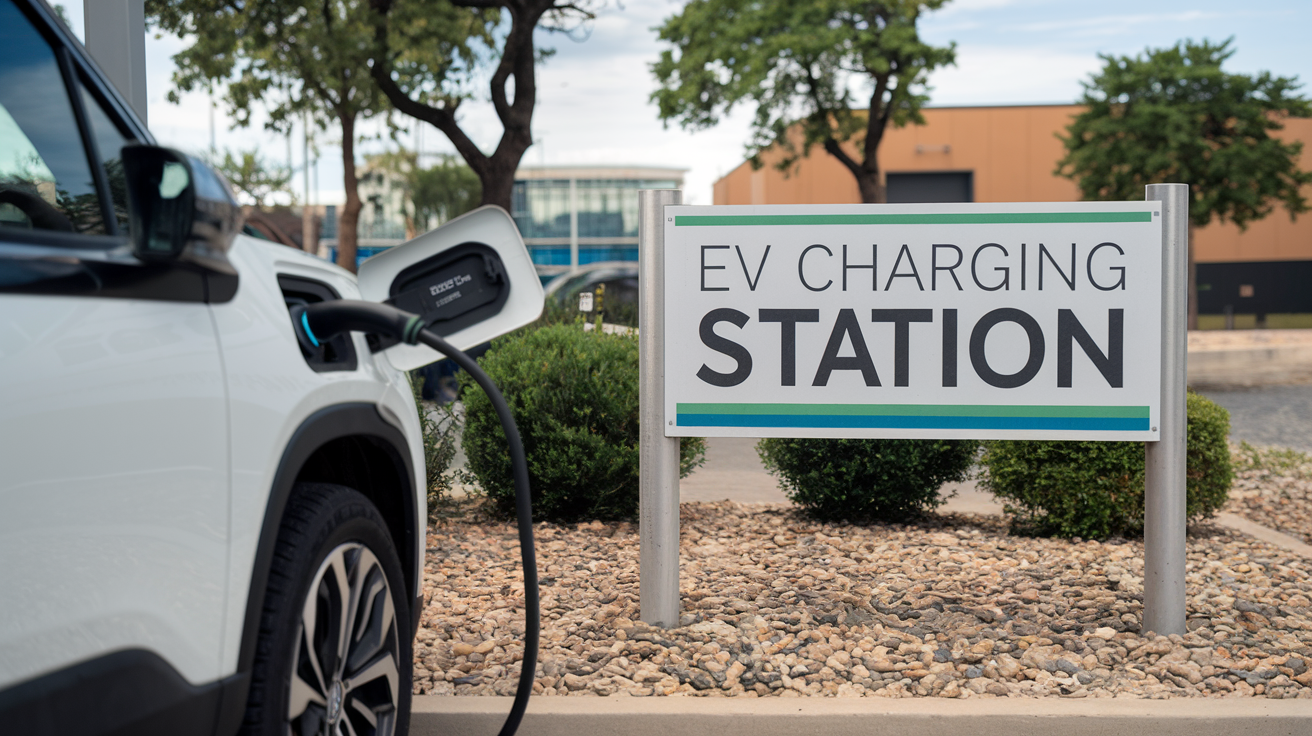
Public-private partnerships face complex governance challenges when integrating previously separate systems, requiring new models of collaboration. Additionally, significant infrastructure investments are needed to support electrification and new mobility modes, from charging stations to dedicated lanes for micro-mobility options.
The User Experience Revolution
User-centric design principles are essential for driving widespread adoption of MaaS platforms. The most technically advanced system will fail if users find it difficult or inconvenient to use. Convenience, reliability, and cost-effectiveness remain the primary factors in consumer transportation decisions.
Integrated mobile applications must overcome usability challenges for all demographic groups, including those with limited technical literacy or accessibility needs. This requires thoughtful design that balances comprehensive functionality with ease of use.
The shift from vehicle ownership to mobility subscription models represents a significant behavioral change for many consumers. MaaS platforms need to demonstrate clear value to overcome the emotional and practical attachments many people have to private vehicle ownership.
Personalized mobility recommendations enhance user satisfaction and system efficiency by learning individual preferences and travel patterns. These AI-powered recommendations can suggest optimal routes and transportation modes based on weather, time of day, and real-time system conditions.
Creating Sustainable Urban Mobility Ecosystems
The environmental benefits of MaaS are compelling. Pilot programs show that MaaS platforms can reduce urban congestion by 15-30% by optimizing transportation resources and encouraging shared mobility. Carbon emissions can potentially be reduced by 20-25% through optimized multi-modal journeys that combine the most efficient transportation options.
Public transportation ridership increases 8-15% when integrated with complementary mobility services that solve the "first/last mile" problem. These solutions enhance accessibility to mass transit for underserved communities that might otherwise rely on private vehicles.
An often-overlooked benefit is the reduced need for parking infrastructure, which frees urban space for housing, businesses, and green areas. Parking facilities consume valuable urban real estate that could be put to more productive and environmentally beneficial uses.
The Path Forward: Integration and Collaboration
Successful MaaS implementation requires unprecedented cooperation between stakeholders that have traditionally operated independently. Public transit agencies, private mobility companies, city planners, and technology providers must align their interests and operations to create truly integrated systems.
Standardized APIs and data-sharing protocols are essential for technical integration, allowing different systems to communicate effectively while maintaining data security and privacy. Cities must develop comprehensive mobility policies that balance innovation with public interests, creating frameworks that encourage private sector participation while ensuring public benefits.
Equity considerations are vital to ensure MaaS benefits all citizens regardless of income or technical literacy. Without careful planning, there's a risk that digital mobility solutions could exclude vulnerable populations or exacerbate existing transportation inequalities.
Finally, resilient systems are needed to maintain mobility options during disruptions, emergencies, and transitions. The transportation network is critical infrastructure, and MaaS systems must be designed with redundancy and flexibility to handle unexpected challenges.

Sources
Future Market Insights - Mobility as a Service Market
Consegic Business Intelligence - Mobility as a Service Market
IMARC Group - United States Mobility as a Service Market