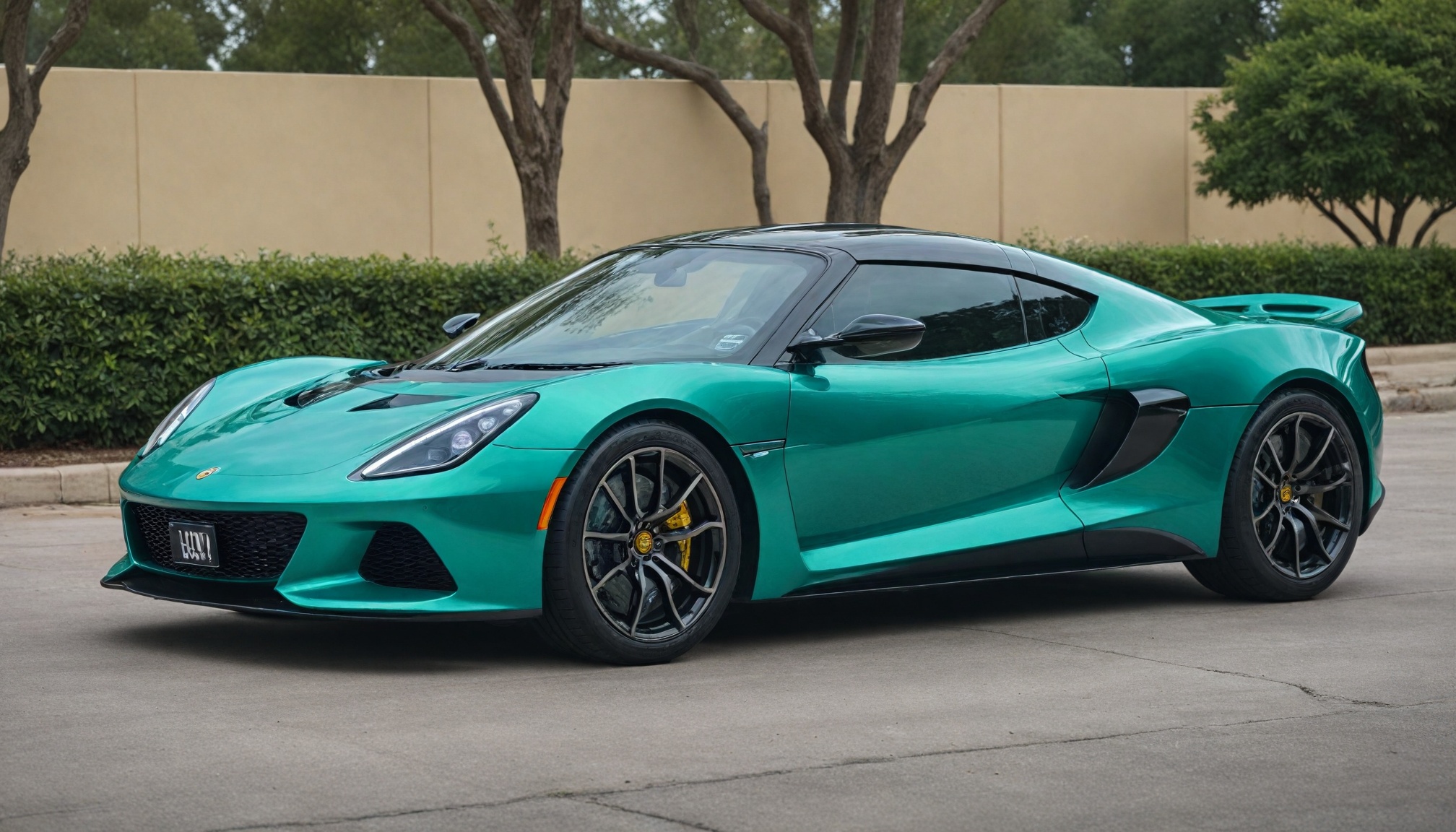
Lotus pivots from all-electric plans to hybrids, launching 939HP Eletre with 1000km range, signaling industry reset amid slower EV adoption and infrastructure challenges.

Drivetech Partners
Lotus's dramatic electric pivot marks a significant industry reality check as the storied performance brand abandons its 2020 pledge to go fully electric by 2025. The company's upcoming Hyper Hybrid Eletre, delivering 939 horsepower and over 1,000 kilometers of combined range, exemplifies how market realities have forced even the most committed EV champions to recalibrate their strategies amid uneven charging infrastructure development.
Key Takeaways
- Lotus has completely abandoned its 2020 commitment to go fully electric by 2025, citing slower adoption in markets like Italy, Spain, and Saudi Arabia
- The new Hyper Hybrid Eletre will deliver 939 horsepower and over 1,000 kilometers of combined range when it arrives in early 2026
- Built on an advanced 900-volt platform, the hybrid system enables ultra-fast charging from 10% to 80% in just 10 minutes
- This strategic reversal suggests the automotive industry's timeline for complete electrification was overly optimistic
- Lotus faces a significant marketing challenge to position this reversal as a sophisticated solution rather than a retreat from sustainability commitments

Lotus's Dramatic Electric Pivot: Industry Reality Check
In a striking reversal that's sending ripples through the automotive world, Lotus has officially abandoned its 2020 commitment to go fully electric by 2025. This fundamental strategic shift represents more than just a single company's change of direction—it signals a broader industry reckoning with electric vehicle adoption realities.
During a November 2025 earnings call, CEO Feng Qingfeng explicitly cited slower EV adoption in markets like Italy, Spain, and Saudi Arabia as key factors driving this decision. This reversal occurred just five years after the original 2021 commitment, demonstrating how quickly market conditions can force even the most determined automakers to recalibrate their strategies.
What's particularly notable is how this pivot suggests the automotive industry's timeline for complete electrification was wildly optimistic. As infrastructure development continues to lag behind vehicle technology advancements, many premium brands are now forced to reconsider their all-electric timelines.
The Hyper Hybrid Eletre: Blending Power with Practicality
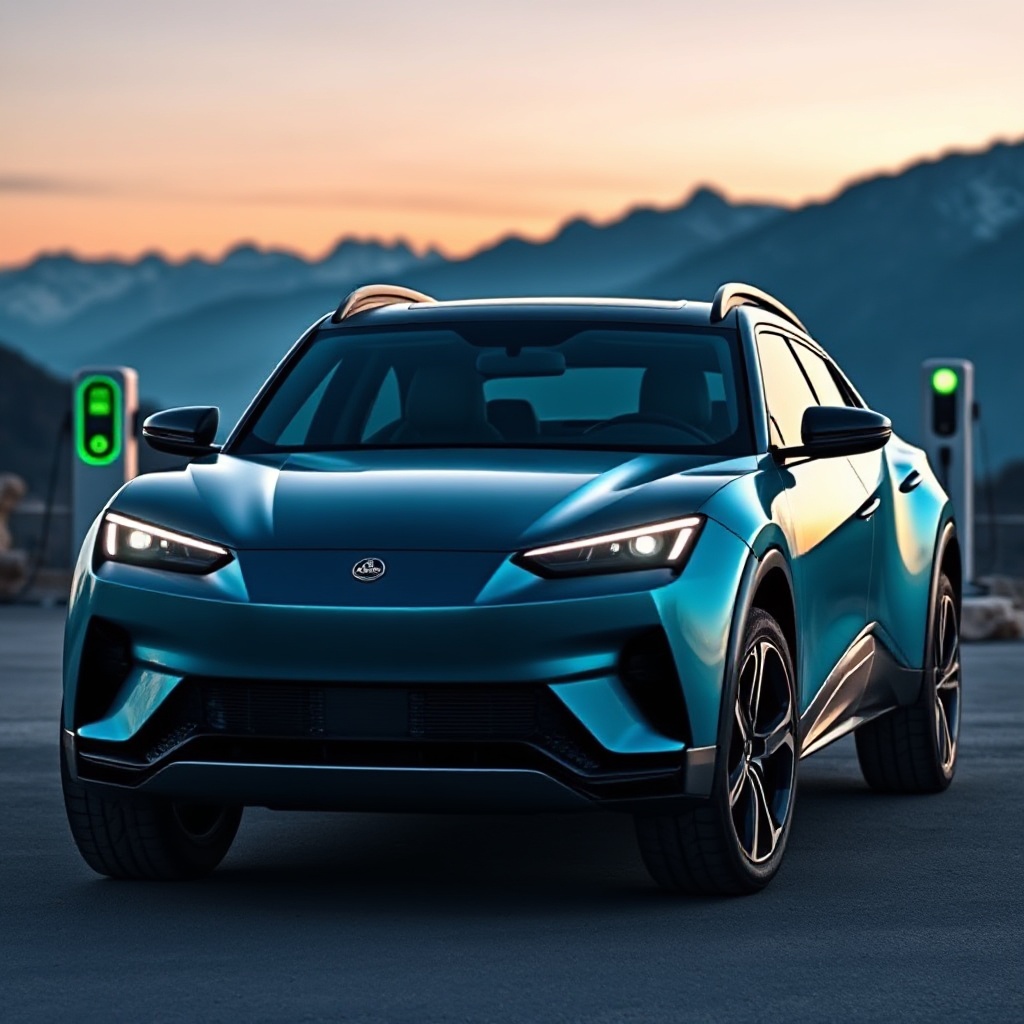
At the heart of Lotus's strategic pivot is the new Hyper Hybrid Eletre—a vehicle that aims to blend remarkable performance with practical usability. The flagship model delivers an impressive 939 horsepower, actually surpassing the all-electric Eletre's 905 bhp output while addressing range concerns that have plagued pure EVs.
The combined driving range exceeds 1,000 kilometers (621 miles) with a full fuel tank and charged battery—a figure that dramatically outperforms the pure electric version's range. For those focused on emissions-free driving, the Hyper Hybrid still offers up to 186-220 miles of pure electric-only range depending on testing standards.
Built on an advanced 900-volt hybrid platform, the Eletre enables ultra-fast charging capabilities that rival battery swap technologies. When connected to suitable infrastructure, the battery recharges from 10% to 80% in just 10 minutes—addressing one of the major pain points for potential EV adopters.
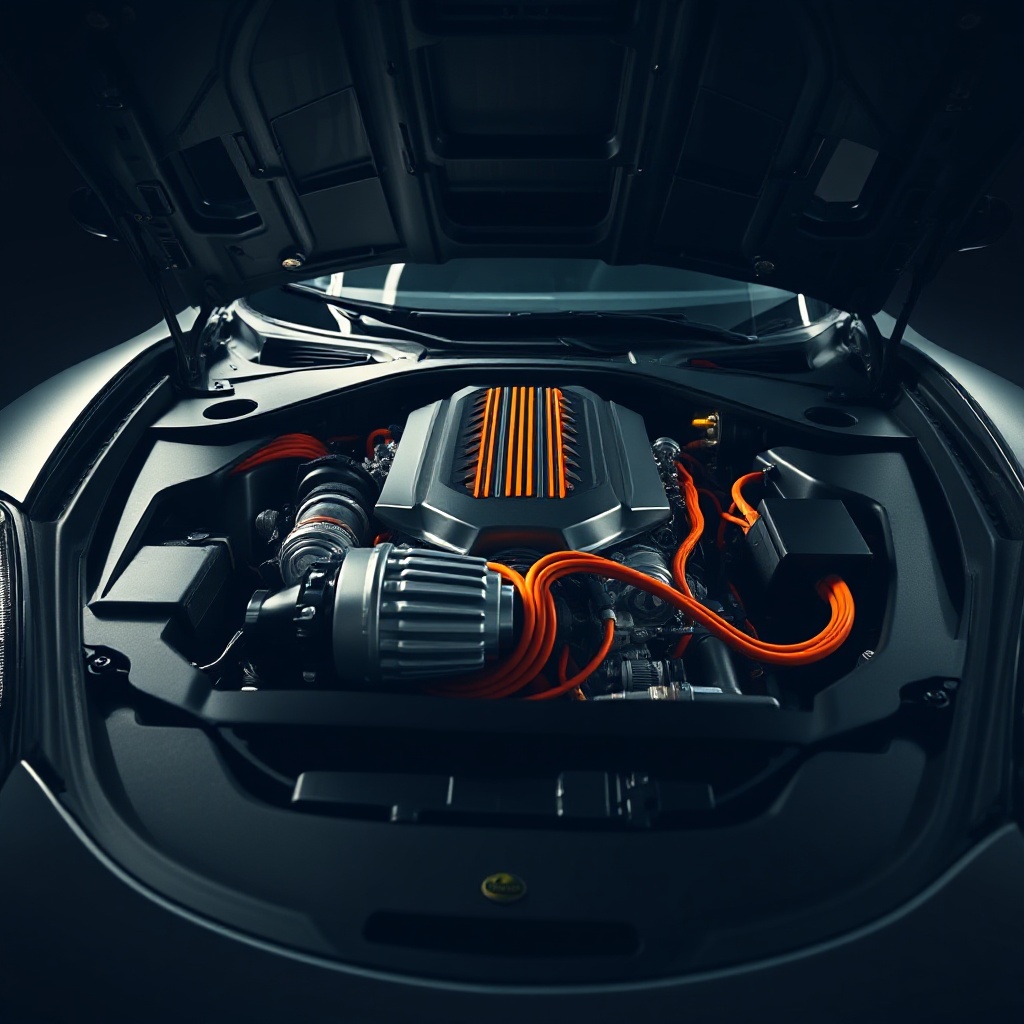
The powertrain combines a turbocharged four-cylinder engine with advanced electric motors in a dual-purpose arrangement: the combustion engine both propels the vehicle directly and recharges the approximately 70kWh battery while driving. This continuous "on-the-drive" charging capability helps eliminate range anxiety while maintaining performance credentials.
The Infrastructure Gap: Why Hybrid Makes Sense
Lotus's strategy reversal directly addresses a persistent reality in the automotive landscape: charging infrastructure simply hasn't developed at the pace needed to support widespread EV adoption, particularly in certain regions. Premium and luxury market segments have shown notable hesitancy toward full electrification in markets where charging remains inconsistent.
The data is particularly clear in Southern Europe and Middle East markets, where range anxiety continues to represent a significant barrier to EV purchases in the luxury segment. PHEVs represent a logical middle ground solution that's gaining traction across the luxury automotive industry for precisely this reason.
Lotus is explicitly targeting "regions with slower EV adoption" with this hybrid strategy—a tactical approach to market expansion rather than a complete abandonment of electrification. The contrast is stark: the all-electric Eletre offers 254-373 mile range versus the PHEV's 621+ mile combined range, directly addressing buyer concerns in infrastructure-limited markets.
The 900V platform enables "charging speeds very similar to a battery swap" when infrastructure permits, providing a bridge technology that works with today's infrastructure realities while preparing for a more electrified future.
Technology and Performance: Not Just a Compromise
Far from representing a technological compromise, the Hyper Hybrid Eletre leverages cutting-edge engineering to maintain Lotus's performance heritage. The vehicle features "race-level chassis tuning" from the 900V hybrid platform, ensuring that the additional weight from hybrid components doesn't detract from handling dynamics.
An advanced air suspension system paired with a 48V active stabilizer works to counter body roll, helping maintain the Lotus DNA despite the SUV format and hybrid powertrain. Performance credentials remain impressive, with 0-62 mph acceleration expected under 3 seconds—rivaling many supercars.
The engine's dual functionality as a battery generator enables continuous charging while driving, a technological feature that represents genuine advancement rather than retreat. This technology leverages parent company Geely's innovations, originally developed for the Zeekr 9X luxury SUV, demonstrating how Lotus benefits from being part of a larger automotive group.
Launch Timeline and Global Strategy
Lotus has outlined a clear rollout strategy for its hybrid offensive, beginning with a global preview event scheduled for January 2026. The initial market launch will target China in Q1 2026, followed by European deliveries in autumn 2026, with UK and other European markets following shortly after.
The company's hybrid strategy extends beyond a single model, with three PHEVs planned in total. After the Eletre, Lotus will likely introduce a hybrid version of the Emeya sedan, followed by the smaller Vision X SUV launching in 2027. This smaller model will compete directly with vehicles like the Porsche Macan and BMW X3, employing similar 900-volt hybrid technology in a more accessible package.
This phased approach demonstrates Lotus's commitment to this new direction and suggests the company sees long-term potential in hybrid technology rather than viewing it as merely a stopgap solution.
Interior and User Experience
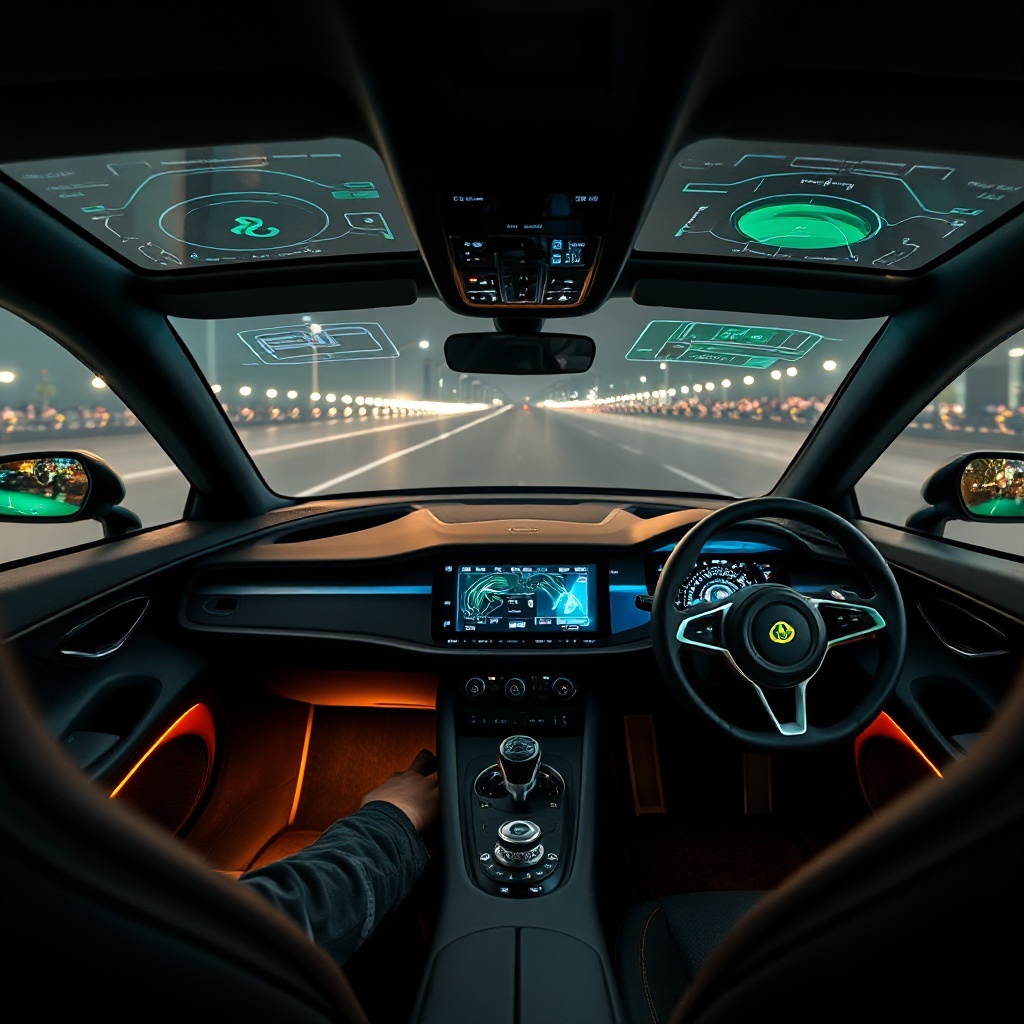
Inside the cabin, the Hyper Hybrid Eletre maintains Lotus's new luxury positioning with advanced technology at the forefront. The centerpiece is a 15.1-inch OLED touchscreen running Hyper OS software, complemented by an augmented reality head-up display that projects critical information directly into the driver's field of vision.
Premium audio comes courtesy of a KEF sound system, while advanced driver assistance systems provide the latest safety technology expected in this segment. Sustainable materials feature prominently, including man-made microfibers on touchpoints and a 50% lighter wool-blend fabric on seats compared to traditional leather.
Ambient lighting and premium cabin appointments maintain the luxury positioning necessary to compete in this segment, ensuring that the hybrid powertrain doesn't come with any compromise in the user experience.
Marketing Challenge: Progress or Retreat?
Perhaps the most significant challenge Lotus faces is one of perception. The company is positioning PHEVs as a "sophisticated answer" to infrastructure gaps rather than a retreat from sustainability, but this messaging carries significant risk of being perceived as greenwashing by environmentally-conscious luxury consumers.
CEO Feng Qingfeng emphasizes "more choice for luxury vehicle buyers" and expanding into "broader markets" as the primary motivation, but there's undeniable tension between Lotus's five-year commitment to electrification and this complete reversal. This challenges brand credibility, particularly with early EV adopters who may have been attracted to Lotus precisely because of its ambitious electrification timeline.
The marketing narrative carefully emphasizes choice and market expansion rather than technological compromise, but consumers will ultimately determine whether this strategic pivot is accepted as progress or viewed as a retreat from environmental commitments.
Broader Industry Implications
Lotus's 2026 hybrid launch represents a three-year delay in the company's original electrification timeline, but it's far from alone in this recalibration. Multiple premium automakers are now reconsidering pure EV strategies as market adoption proves uneven across global markets.
Hybrid technology increasingly serves as a bridge while charging infrastructure catches up to vehicle capabilities. Other premium brands are likely to follow similar PHEV strategies in regions with slower EV adoption rates, creating a more segmented global approach rather than universal electrification timelines.
This strategic U-turn demonstrates the industry's need for flexibility as consumer preferences evolve differently across global markets. What works in Norway or China may not be viable in Italy or Saudi Arabia, forcing market-specific strategies rather than one-size-fits-all approaches to electrification.
For the automotive industry as a whole, Lotus's reversal serves as a reality check on how quickly the transition to full electrification can realistically occur—suggesting that the path forward may include more hybrid stepping stones than previously anticipated.
Sources
Auto Express - Lotus Eletre to gain 939bhp plug-in hybrid version in 2026
Lotus Cars - Eletre Specifications