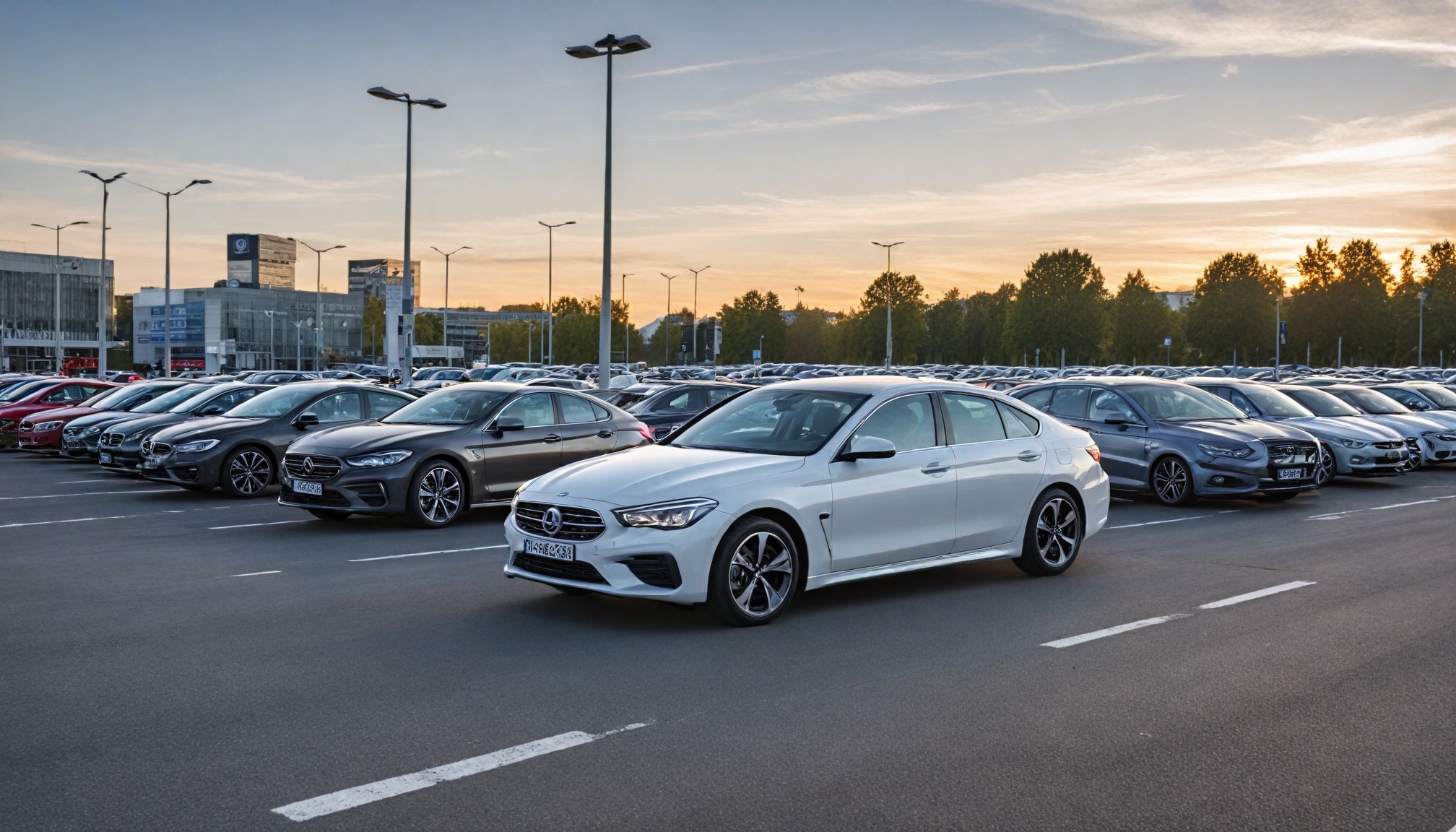
Germany challenges EU's 2035 combustion engine ban, seeking e-fuel exemptions to protect auto jobs while sparking debate about viable paths to decarbonization.

Drivetech Partners
Germany's push to loosen the EU's 2035 combustion engine ban has ignited a fierce debate about the future of mobility in Europe, pitting environmental ambitions against economic concerns in what could reshape automotive regulations for decades to come. The battle centers on whether e-fuels and advanced biofuels offer a legitimate path to decarbonization that could preserve thousands of automotive jobs while still meeting climate targets.
## Key Takeaways - Zero-tailpipe emissions by 2035 is the current EU mandate, which Germany wants to soften by allowing specific combustion engines running on low-carbon fuels - Battery-electric vehicles deliver 73% lower lifecycle emissions than gasoline cars in Europe, far outperforming even the most efficient combustion alternatives - German automakers argue that technology openness would protect jobs and industrial competitiveness while allowing multiple paths to decarbonization - E-fuels and advanced biofuels face significant supply constraints and higher costs that limit their potential as mass-market solutions - European drivers will likely face more complex choices in the 2030s between EVs, hybrids, and combustion cars with varying costs, infrastructure needs, and environmental impactsThe Battle Over Europe's Combustion Engine Ban
The current EU regulation represents one of the most ambitious climate policies in the automotive sector globally. It mandates zero tailpipe CO₂ emissions for all new cars registered from 2035, effectively banning internal combustion engines (ICEs) and allowing only battery-electric vehicles (BEVs) and hydrogen fuel-cell vehicles.
This target doesn't exist in isolation – it's the endpoint of a stepped regulatory pathway that requires carmakers to cut average fleet CO₂ emissions by 55% by 2030 compared to 2021 levels. The entire framework is a crucial component of the EU's broader "Fit for 55" climate package.
Now, Germany is pushing to "soften" this phaseout by allowing highly efficient combustion engines and plug-in hybrids beyond 2035, if they run on e-fuels and advanced biofuels. This late intervention has already prompted Brussels to consider delaying an automotive support package that was meant to lock in the 2035 timeline.
Germany's Motives: Jobs, Competitiveness, and Technology Openness
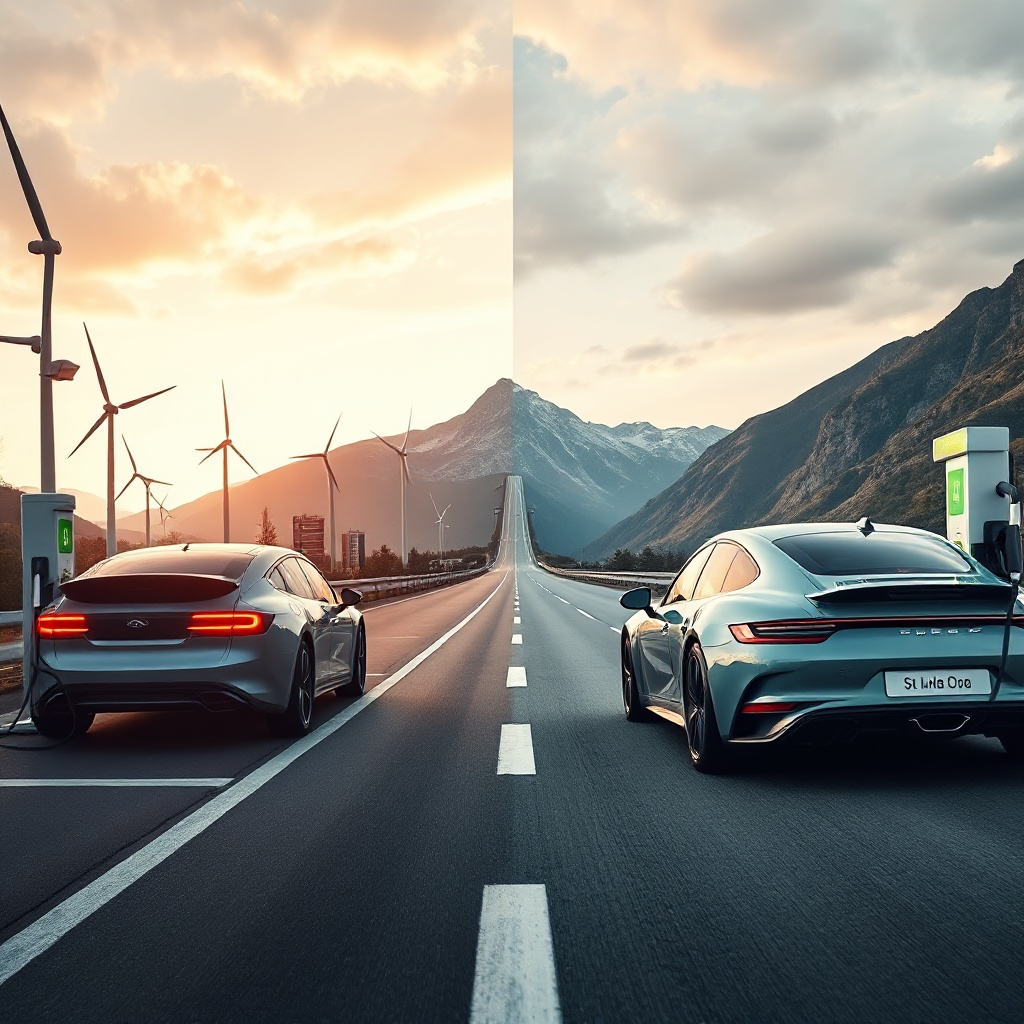
The German government frames its push as a way to reconcile competitiveness and climate action while preserving millions of automotive jobs across manufacturers and suppliers in Europe. The auto industry forms the backbone of Germany's economy, accounting for a substantial portion of its manufacturing base and export revenues.
German carmakers and regional governments argue that banning combustion engines outright would erode traditional engineering strengths while ceding EV market share to Chinese and US competitors. This concern has grown more acute as Chinese electric vehicles gain market share in Europe while offering competitive pricing and features.
Berlin advocates for "technology openness" – policies that count real-world lifecycle emissions rather than just tailpipe CO₂, allowing efficient ICEs running on low-carbon fuels to compete with EVs. This approach would prioritize end results (lower carbon emissions) over specific technological pathways.
Companies like Volvo and Polestar counter that weakening the 2035 rule would slow EV adoption, create investment uncertainty, and risk Europe "falling behind" in the global electric transition. They argue that shifting policy signals undermines business planning and sends mixed messages to consumers.
E-Fuels and Advanced Biofuels: Promise and Limitations
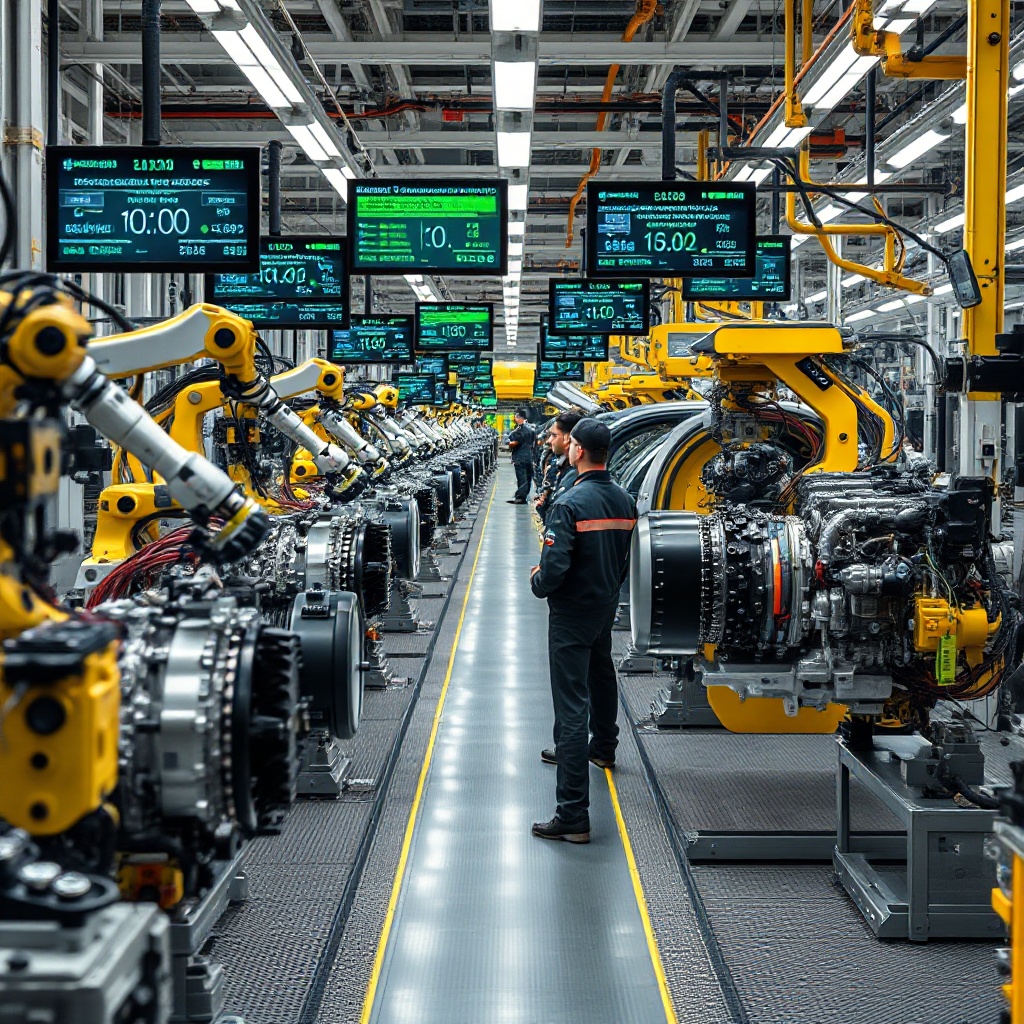
E-fuels are synthetic liquid fuels produced from green hydrogen and captured CO₂ using renewable electricity. Major demonstration projects include partnerships between oil companies and performance brands, such as ExxonMobil and Porsche testing e-gasoline in sports cars.
Advanced biofuels derive from non-food feedstocks like agricultural residues, municipal waste, or dedicated energy crops, avoiding competition with food production. These second-generation biofuels address many of the sustainability concerns associated with first-generation biofuels.
Technical assessments show advanced biofuel pathways can reduce lifecycle GHG emissions by 80–90% versus fossil fuels under robust sustainability criteria, while current EU biofuel blends deliver only 20–40% CO₂-equivalent savings on average, with significant land-use concerns.
Both options face substantial challenges. E-fuels remain energy-intensive and expensive, with per-liter costs far above conventional fuels. Large-scale deployment would require vast amounts of renewable electricity and secure CO₂ supplies – the same scarce resources needed for direct electrification.
Land availability, sustainability criteria, and competing demand from aviation and shipping structurally limit biofuel volumes suitable for cars. This means even efficient low-carbon fuels cannot fully replace fossil fuels across the entire EU car fleet without causing other environmental problems.
The Emissions Reality: EVs vs. Hybrids vs. Low-Carbon Fuel Vehicles
Independent analysis shows battery-electric cars in the EU already have approximately 73% lower lifecycle GHG emissions than comparable gasoline cars on the 2025–2044 average EU electricity mix, and up to 78% lower if powered by 100% renewable electricity.
By comparison, conventional hybrids and plug-in hybrids reduce lifecycle emissions by about 20% and 30% respectively versus gasoline vehicles—substantial, but still roughly three times higher than BEVs using the EU average grid mix.
Even under optimistic scenarios with more advanced biofuels blended into fossil fuels, lifecycle emissions of conventional, hybrid, and plug-in-hybrid ICE cars fall by only roughly 0.5–3%, far short of EU climate targets.
Green-hydrogen fuel-cell vehicles can approach BEV-level lifecycle emissions (around 79% lower than gasoline) when using fully renewable hydrogen, but depend on the same scarce clean-electricity resources as e-fuels and face infrastructure challenges.
While e-fuels and advanced biofuels can significantly reduce emissions from individual combustion cars, the combination of high fuel costs, energy conversion losses, and feedstock limitations makes mass-scale decarbonization via ICE much harder than via direct electrification.
Political Tensions: Climate Credibility vs. Economic Realities
Environmental NGOs warn that reopening the 2035 deal would "damage climate and industry at the same time" by weakening investment signals for EVs while failing to secure genuinely deep emission cuts.
Several green transport groups argue that e-fuels and biofuel carve-outs in car CO₂ regulation are "false solutions" that could increase overall 2050 transport emissions by up to 23% if counted as carbon-neutral despite limited sustainable supply and land-use impacts.
The battle exposes tensions between the EU's climate ambitions and industrial strategy concerns, with Germany's push intertwined with fears about losing ground in batteries, critical minerals, and EV manufacturing to China and the US.
Critics contend that delaying the EV transition won't solve these competitive pressures; instead, Europe could end up importing more foreign EVs and batteries while still bearing higher climate-policy costs.
EU vehicle and fuel rules often become de facto global standards, so any shift toward a more fuel-flexible framework could influence technology choices far beyond Europe's borders.
Implications for Carmakers and Industrial Strategy
If Brussels accepts Germany's proposals, manufacturers could continue selling "highly efficient" combustion and plug-in hybrid models beyond 2035, provided they certify use of e-fuels or advanced low-carbon fuels, adding compliance complexity.
Companies heavily invested in EV platforms may feel penalized by late rule changes, having aligned early with a pure-EV interpretation of the 2035 target and built factories, software, and supply chains around that assumption.
Mixed powertrain strategies impose higher engineering and capital-expenditure demands (multiple platforms, multiple drivetrains, additional homologation for fuel-specific engines), potentially benefiting large incumbents over smaller, EV-only challengers.
This represents one of the first major tests for the new Commission on balancing cornerstone climate legislation against industrial-competitiveness arguments and coalition politics in key member states.
Other EU countries and the European Parliament's green and centrist groups fear that granting too many exemptions could invite future demands for flexibility in other sectors, undermining the EU's overall 2030 and 2050 climate goals.
What This Means for European Drivers
For everyday buyers, a softened rule would create a more complex showroom choice in the 2030s: pure EVs, hybrids, plug-in hybrids, and combustion cars certified for low-carbon fuels, each with different running costs, fuel-availability questions, and resale-value risks.
E-fuels and advanced biofuels are likely to remain scarcer and more expensive per kilometer than electricity, especially with home or workplace charging available, potentially making them niche options for enthusiasts or specific fleets.
Sports-car and classic-car communities view e-fuels as a way to preserve combustion icons with lower emissions, but questions remain whether limited sustainable fuel volumes should prioritize aviation and shipping instead of private cars.
Whatever happens in Brussels, Europe's roads in the 2030s and 2040s will feature a diverse technology mix: predominantly EVs, some hybrids, and a smaller share of low-carbon-fuelled combustion vehicles, with regional differences in charging and fuel infrastructure.
The fundamental trade-off is between a fast, EV-centric decarbonization path with clearer industrial direction, versus a more flexible, fuel-inclusive approach that preserves elements of the combustion ecosystem but risks slower emissions reductions and higher system complexity.
Sources:
Clean Energy Wire - Germany to urge EU to soften 2035 combustion car deadline
Electrive - Berlin backs 'highly efficient' engines as part of EU's 2035 combustion engine rules