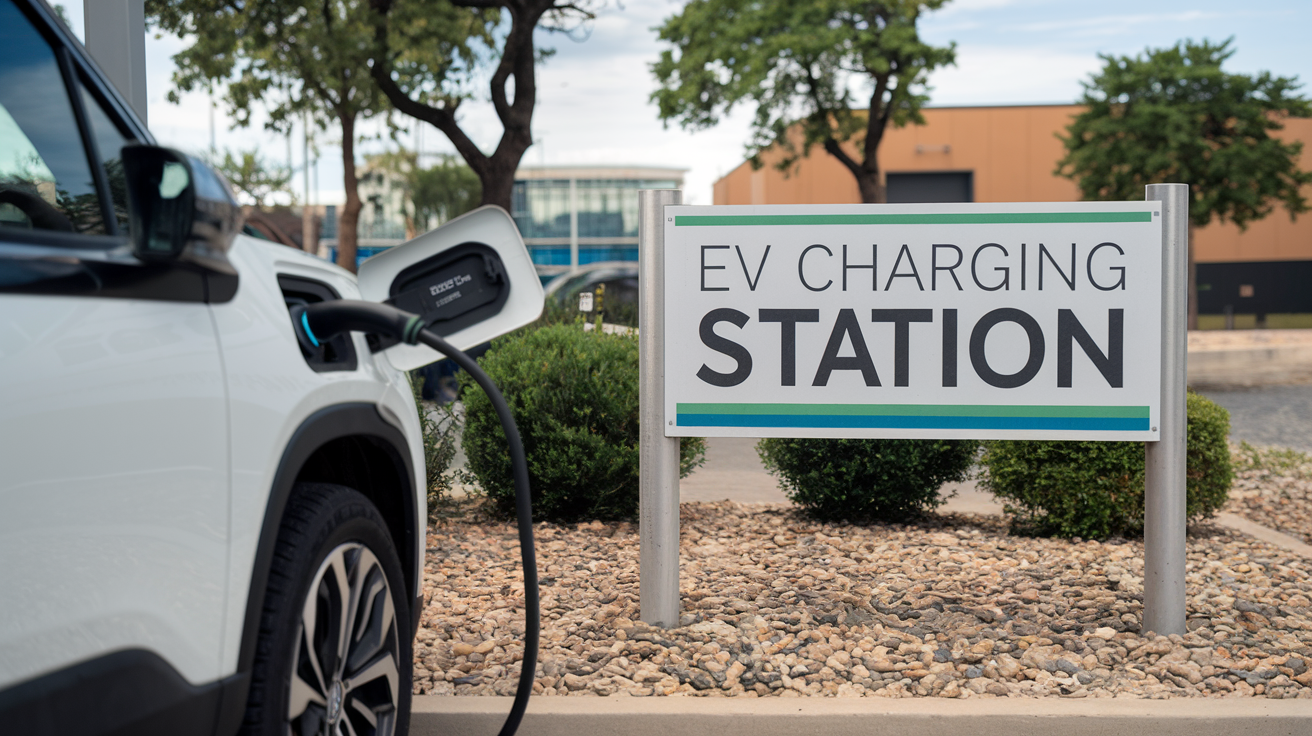
Euro NCAP's 2026 protocol shifts from track testing to real-world safety, requiring intuitive systems that address human interaction challenges and rescue concerns.

Drivetech Partners
Euro NCAP's 2026 protocol represents a fundamental shift from track-based safety validation to real-world performance, requiring automakers to redesign driver assistance systems that operate naturally in everyday driving rather than controlled test scenarios. This revolutionary change forces manufacturers to focus on how humans actually interact with vehicle safety systems, addressing critical issues from emergency rescue challenges to the detrimental effects of annoying alerts.
Key Takeaways
- The 2026 protocol introduces a four-pillar assessment framework covering crash protection, active safety, vulnerable road user protection, and post-crash behavior
- For the first time, system annoyance becomes a quantifiable safety metric, with physical controls preferred over touchscreen-only interfaces
- New protocols require driver monitoring systems that detect impairment and prevent distraction without being irritatingly intrusive
- Post-crash safety innovations address modern rescue challenges for electric vehicles, including powered door handles that function after collisions
- Testing will combine virtual simulations with real-world validation, requiring manufacturers to meet strict qualification standards

Euro NCAP's Sweeping 2026 Safety Overhaul
Euro NCAP's 2026 protocol marks the most significant testing transformation since 2009. This revolutionary approach moves beyond controlled laboratory conditions to assess how safety systems perform in everyday driving scenarios that real drivers encounter. The changes address practical safety gaps that have emerged in modern vehicles, particularly as advanced technology has created unforeseen challenges.
One key driver behind this shift comes from alarming real-world incidents where first responders couldn't rescue occupants trapped by malfunctioning EV door handles after crashes. Equally concerning is mounting evidence that some driver assistance features can paradoxically make driving less safe by encouraging automatic rather than reflective thinking, leading drivers to develop dangerous habits.
Testing under the new protocol begins in approximately one year, with updates scheduled every three years thereafter. This regular revision schedule acknowledges the rapid pace of automotive technology development and ensures safety standards evolve alongside it.
The New Four-Pillar Safety Assessment Framework
The 2026 protocol establishes a comprehensive evaluation structure built around four distinct pillars that transform how vehicle safety is measured:
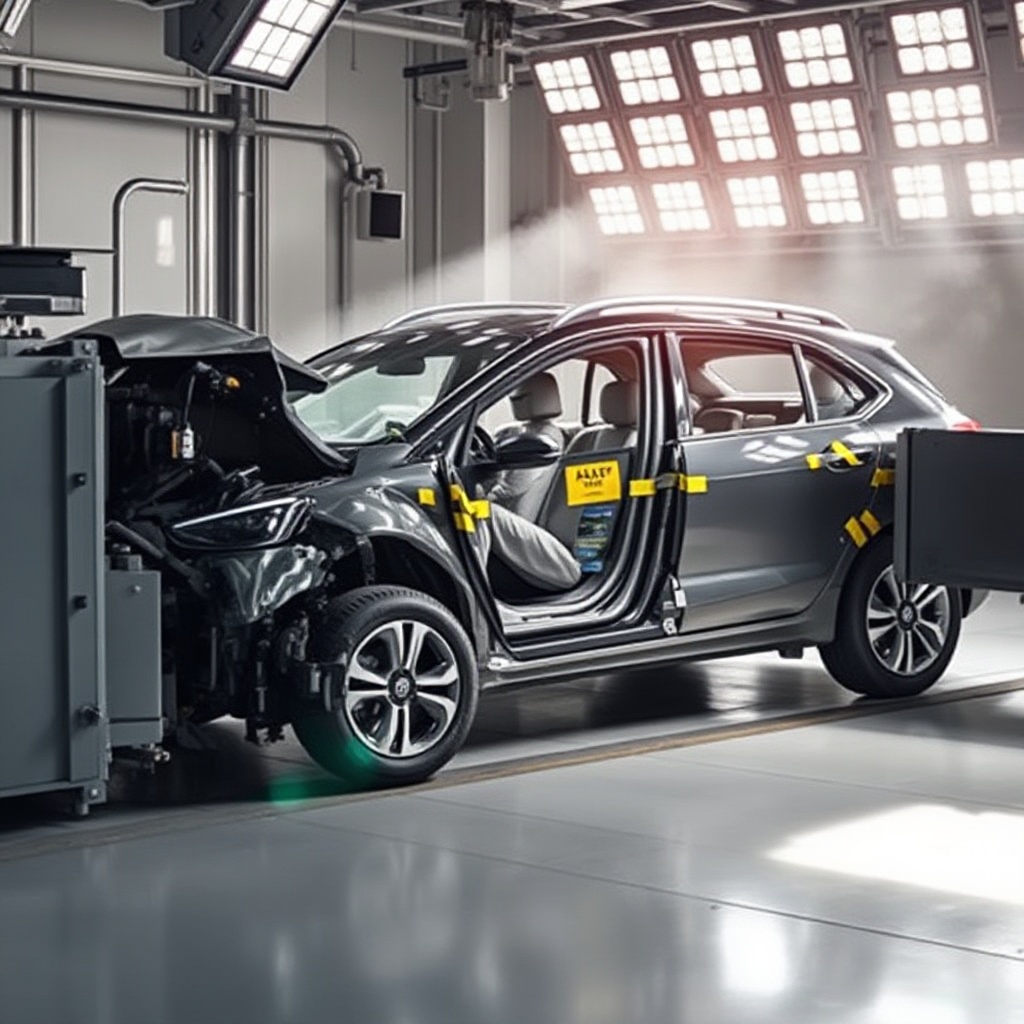
- Crash Protection: Enhanced structural integrity testing including frontal, side, and far-side impacts at speeds up to 60 km/h
- Active Safety (Crash Avoidance): Unified protocols with motorcycle and junction scenarios at higher speeds
- Vulnerable Road User Protection: Expanded assessments for pedestrians, cyclists, and motorcyclists
- Post-Crash Behavior: New dedicated 100-point category evaluating rescue operations support
This holistic approach recognizes that true vehicle safety depends not just on survivability during crashes but also on avoiding accidents altogether, protecting all road users, and ensuring effective rescue operations after collisions occur.
ADAS Annoyance Now a Measurable Safety Factor
In a groundbreaking regulatory shift, the 2026 protocol will hold automakers accountable for system annoyance as a quantifiable safety metric for the first time. This decision recognizes that irritating alerts and confusing interfaces often lead drivers to disable safety systems entirely, negating their potential benefits.
The new standards will explicitly reward physical buttons over touchscreen-only interfaces, acknowledging that touch controls can divert driver attention and prove frustrating to use while driving. Systems will be rated not just on their technical capabilities but on usefulness, annoyance levels, and real-world driving performance.
This approach directly addresses research showing drivers with demanding alerts often compensate by driving more aggressively – speeding more and braking harder than those without assistance systems. Lane support systems that exhibit poor drivability will lose points regardless of their technical ability to avoid impacts, ensuring systems work with drivers rather than fighting against them.
Driver Monitoring and Engagement Prioritization
The 2026 protocol establishes new standards for monitoring driver attention and condition. Systems must detect distraction, drowsiness, or unresponsiveness while maintaining a balance between safety and intrusiveness. The human-machine interface design will be evaluated for minimal gaze diversion to prevent over-reliance on automation.
Occupant monitoring extends beyond the driver to ensure detection of seatbelt misuse, out-of-position passengers, and child presence. Systems must provide escalating warnings and automatic interventions when necessary without becoming annoying enough to be disabled.
Lane-keeping systems will face particular scrutiny to ensure they won't "dart the wheel like a nervous cat" – an evocative description of the jerky, unpredictable steering inputs that have plagued some current systems and eroded driver confidence in the technology.
Unified Crash Avoidance Protocols
The new Crash Avoidance Protocols v1.0 consolidates previously separate testing areas into an integrated approach that better reflects real-world driving conditions. This unified framework covers:
- Frontal Collision Protocol: Expanded to include motorcyclist scenarios, turning and junction scenarios where many real-world crashes occur
- Lane Departure Protocol: Testing at higher speeds (up to 130 km/h) with new drivability assessment
- Low-Speed Collision Protocol: Door Opening Warning to prevent cyclist accidents, reverse maneuver tests with children
Robustness testing adds another critical dimension by evaluating performance across varied environmental conditions, including different lane marking types and night-time operation. This approach recognizes that safety systems must function reliably in all situations, not just under ideal test conditions.
Post-Crash Safety Innovations
The 2026 protocol introduces a dedicated post-crash category that addresses modern rescue challenges, particularly for electric and highly automated vehicles. Requirements include:
- ISO 17840-compliant rescue sheets in multiple languages
- Advanced eCall systems that transmit reliable crash data (occupant count, crash severity)
- Electric vehicles must maintain powered door handles after crashes
- Safe battery isolation for EVs with clear hazard labeling
- Multi-collision braking and automatic hazard activation to prevent secondary impacts
These requirements directly address situations where emergency responders struggled with new vehicle technologies during rescues. For example, electric vehicles must now warn drivers about battery-fire risks after crashes and maintain power to door handles to prevent occupants from being trapped by malfunctioning systems.
Virtual Testing with Real-World Validation
Recognizing the power of modern simulation technology, the 2026 protocol makes simulation an integral part of Active Safety assessment under strict conditions. Manufacturers must submit detailed simulation dossiers explaining model setup, sensor configurations, and algorithms used in their virtual tests.
Qualification criteria are stringent – virtual results must fall within ±1.0 KPI deviation and scoring must be within 0.5 of physical tests. Additionally, 75% of spot test results must meet qualification standards for each scenario cluster to ensure virtual models accurately represent real-world performance.
Despite embracing simulation, proving grounds remain essential for testing complex scenarios including variable speeds, lighting, and weather conditions. This balanced approach leverages the efficiency of virtual testing while ensuring real-world performance through physical validation.
More Inclusive Crash Protection Testing
The 2026 protocol introduces more granular evaluation using diverse test dummies that better represent the variety of human body shapes, ages, and sizes. This inclusion acknowledges that vehicle occupants aren't uniform and safety systems must protect everyone effectively.
Simulations and sled tests will support full crash analysis for improved accuracy, providing enhanced detail about side-impact protection and pedestrian injury risks. Testing will examine specific structural areas like windshields for pedestrian protection, ensuring comprehensive safety across all potential impact points.
Expanded vulnerable road user impact assessments will drive improvements in front-end design, helping to reduce injuries to pedestrians, cyclists, and motorcyclists – road users who lack the protective structure of a vehicle around them.
These comprehensive changes represent a fundamental shift in automotive safety philosophy, moving from a focus on technical capabilities to a human-centered approach that recognizes how people actually interact with their vehicles. As implementation begins in just over a year, the impact on vehicle design and driver experience will be profound and far-reaching.
Sources
AVL: Euro NCAP 2026: What's Changing and How to Stay Compliant
CarScoops: Annoying ADAS Beeps Just Got Their Final Warning
Euro NCAP Official Website
Euro NCAP: 2026 Protocols
Autoblog: Brutal New Safety Tests Coming From Euro NCAP