China's EV market reveals tension between manufacturer control and affordable repairs, with independent mechanics facing lawsuits while rural areas struggle with limited access to service centers.

Drivetech Partners
China's EV market reveals a growing tension between manufacturers' control over proprietary systems and consumers' need for affordable, accessible repairs. Independent mechanics face lawsuits and even prison sentences for attempting repairs that automakers claim violate their digital systems, creating a repair crisis that threatens to undermine the promised cost advantages of electric vehicles.
Key Takeaways
- Independent mechanics like "Brother Long" face unprecedented legal action for sharing repair videos and unlocking battery packs
- A critical shortage of 824,000 skilled EV technicians across China exacerbates repair challenges
- Manufacturer-controlled repair ecosystems and restricted technical data contradict early promises of low EV maintenance costs
- Rural and remote regions face disproportionate hardship with limited access to authorized service centers
- Recent policy efforts by Chinese ministries push for standardized data sharing, but implementation remains slow
The Legal Battleground: Independent EV Mechanics Under Fire
China's independent EV repair industry sits at the center of an intensifying legal storm. Mechanics who dare to service electric vehicles outside official channels face severe legal consequences for actions that were routine in the traditional auto repair business. The crackdown has transformed everyday repair activities into potential criminal offenses.
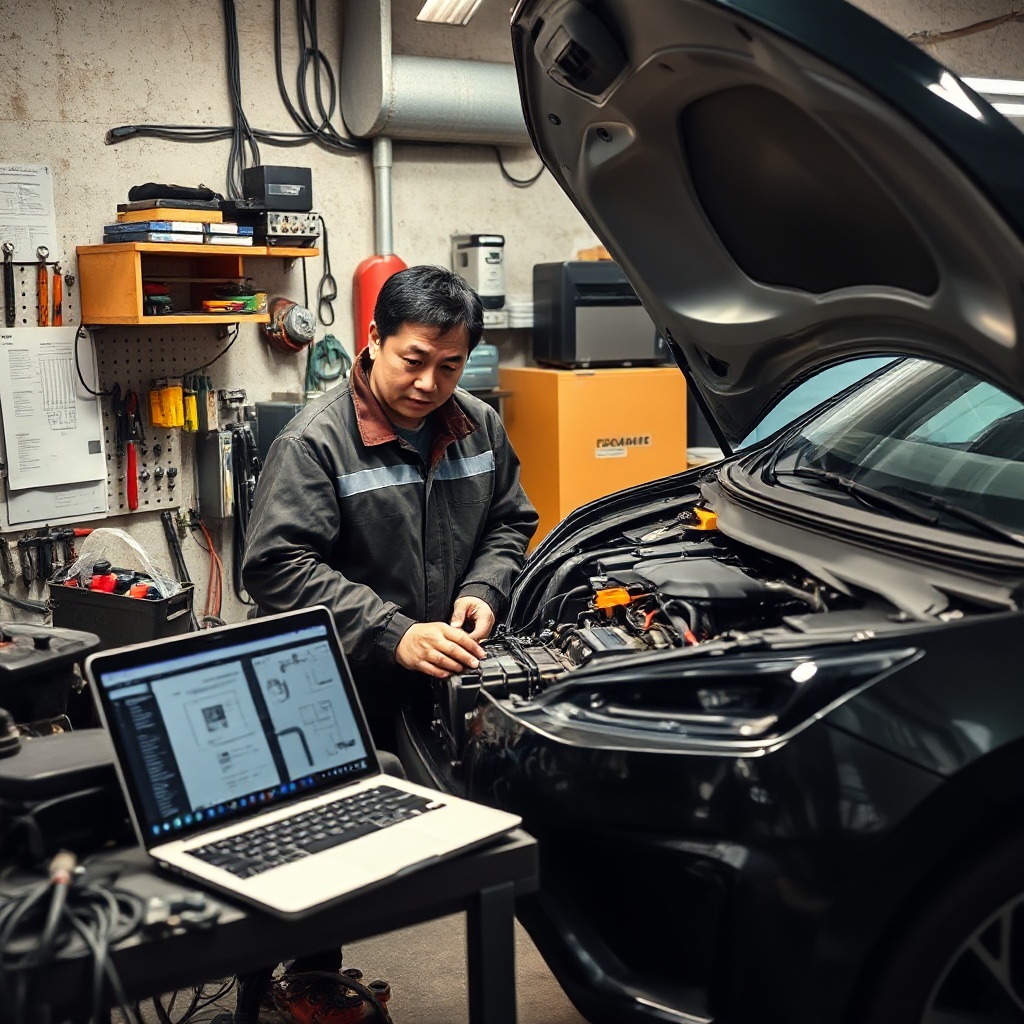
Several high-profile cases highlight this troubling trend. "Brother Long," a mechanic who published instructional repair videos online, now faces lawsuits from three EV manufacturers. Even more concerning, two Shanghai mechanics known as "Big Liu" and "Little Liu" received six-month prison sentences with probation in 2024 for unlocking battery packs, with their actions classified as "damaging a computer information system" under Chinese law.
The specific actions that trigger legal responses include:
- Unlocking battery packs without manufacturer authorization
- Sharing repair processes and techniques online
- Publishing instructional videos for DIY repairs
- Modifying official vehicle data records during repairs
This legal environment creates a chilling effect across the independent repair sector, with mechanics increasingly hesitant to work on EVs for fear of legal repercussions.
The Hidden Cost of EV Ownership: When Affordable Maintenance Becomes a Myth
Electric vehicles entered the market with promises of reduced maintenance costs compared to their combustion engine counterparts. The pitch was compelling: fewer moving parts, no oil changes, and simplified systems. Yet the reality for many Chinese EV owners tells a different story.
The manufacturer-controlled repair ecosystem has created a situation where the promised savings disappear once vehicles need service. This disparity between marketed maintenance costs and actual expenses is particularly striking for owners in remote areas with limited or no access to authorized service centers.
Owners of vehicles from bankrupt manufacturers face an even more precarious situation. With no official support network, these consumers are forced to rely on independent shops that lack access to technical information, proper parts, or diagnostic tools. The result is often higher costs, suboptimal repairs, or in worst cases, vehicles that can't be serviced at all.
This reality creates significant barriers to EV adoption, especially in rural regions where the gap between promise and reality is widest. For many potential buyers, the uncertainty around repair access and costs becomes a deciding factor against electric vehicle purchases.
Digital Lockdown: How Automakers Control the Repair Ecosystem
Automakers have created a digital fortress around their vehicles, exercising unprecedented control over who can perform repairs and how they're done. This control manifests through several strategic mechanisms that lock out independent mechanics.
First, manufacturers restrict access to technical data that's essential for diagnosing and repairing complex EV systems. Without this information, independent shops are effectively flying blind when vehicles require service. Similarly, access to specialized diagnostic tools is limited to authorized centers, creating another barrier.
Perhaps most concerning is how over-the-air (OTA) software updates can disrupt independent repairs. These updates can render unauthorized parts incompatible or reset systems that have been serviced outside official channels. This creates a constantly shifting technical landscape that independent mechanics struggle to navigate.
The resulting ecosystem eliminates consumer choice while increasing dependency on manufacturer-approved service centers. System errors after unauthorized repairs further complicate matters, as vehicles may develop new issues that require additional service – often at significant cost to the owner.
These digital architectures are not accidental; they represent a deliberate strategy to maintain control throughout the vehicle's lifecycle, creating a captive service market that benefits manufacturers at the expense of consumer choice and affordability.
China's EV Service Crisis: 824,000 Missing Mechanics
Beyond legal and technical challenges, China faces an acute talent shortage in the EV service sector. Current estimates indicate a deficit of 824,000 skilled EV mechanics across the country – a staggering number that impacts every aspect of vehicle maintenance.
This shortage affects both independent and authorized repair capabilities, creating longer wait times and reduced service quality across the board. The technical expertise requirements for EV maintenance are significantly higher than for traditional vehicles, demanding knowledge of high-voltage systems, complex electronics, and specialized battery technologies.
The educational and training infrastructure has simply failed to keep pace with China's rapid EV adoption. New technicians aren't entering the field fast enough, while existing mechanics struggle to acquire the necessary skills for electric vehicle service.
This talent deficit threatens to slow the overall adoption of electric vehicles in China, as potential buyers weigh the risk of purchasing vehicles they may struggle to get serviced. Without addressing this fundamental workforce gap, other policy solutions may prove insufficient to solve the broader repair crisis.
The Perfect Storm: Where Technical Restrictions Meet Geographical Realities
China's EV repair crisis reaches its most acute form when technical restrictions collide with geographical realities. The combination of high repair costs, restricted access to technical information, and talent shortages creates what can only be described as a "perfect storm" for consumers outside major urban centers.

Market imbalances particularly affect underserved communities and rural regions, where the nearest authorized service center may be hundreds of kilometers away. For residents in these areas, a relatively minor vehicle issue can result in days without transportation and significant towing costs just to reach a qualified service provider.
Owners in these situations experience extended service wait times and severely limited repair options. When faced with a vehicle breakdown, they must choose between expensive, distant authorized service or risk using local unauthorized repair shops that may trigger manufacturer penalties or warranty issues.
This situation actively deteriorates consumer confidence in EVs, directly contradicting the cost-of-ownership advantages that drive adoption. For rural residents, the promise of electric mobility becomes hollow when basic service access remains unresolved.
Policy Efforts: China's Slow March Toward Solutions
Recognizing these challenges, Chinese authorities have begun taking steps to address the EV repair crisis. In January 2025, multiple Chinese ministries issued a "guidance opinion" that represents the first coordinated policy response to these mounting issues.
The guidance directed several key policy changes:
- Reducing repair costs and improving efficiency across the service sector
- Developing more robust and accessible parts supply chains
- Opening greater access to battery, motor, and electronic control systems
- Promoting compliant and standardized data sharing across the industry
- Developing new standards for EV collision testing and insurance risk classification
While these directives signal awareness of the problem, implementation remains sluggish. The gap between policy creation and effective enforcement continues to leave consumers vulnerable, especially as technical challenges evolve faster than regulatory frameworks.
Manufacturers have shown limited enthusiasm for opening their systems, often citing safety concerns and intellectual property protection as reasons to maintain tight control. This resistance creates ongoing tension between policy goals and market realities, slowing progress toward meaningful reform.
Global Context: The Right to Repair Movement in the EV Era
China's struggles with EV repair access reflect a global conversation about the "right to repair" – the legal right for owners and independent mechanics to access the information, software, tools, and parts necessary to service products they own. This concept has gained significant traction in the United States and European Union, where legislative efforts have made progress in securing consumer repair rights.
However, China's EV market faces amplified challenges due to the highly digital and data-driven nature of its vehicles. The technical complexity and connectivity of modern EVs create novel questions about where manufacturer control should end and owner rights should begin.
Despite leading in global EV deployment, China lacks clear right-to-repair protections that would establish boundaries around permissible actions by third-party mechanics. This legal ambiguity leaves repair professionals in a precarious position, unsure of what actions might trigger lawsuits or criminal charges.
The situation highlights how digital transformation in transportation creates new tensions between innovation and consumer rights – tensions that require thoughtful policy solutions rather than default deference to manufacturer preferences.
The Way Forward: Balancing Innovation and Consumer Rights
Resolving China's EV repair crisis will require a multifaceted approach that balances manufacturer interests with consumer needs. Regulatory reforms must provide clear legal protections for independent mechanics while establishing reasonable boundaries that protect intellectual property and safety.
Standardization represents a critical path forward. By establishing common protocols for technical information sharing and repair procedures, China could create a more level playing field that preserves both innovation and accessibility. These standards should encompass diagnostic codes, repair documentation, and parts compatibility.
Authorized independent repair programs offer another promising solution. With proper training and certification, independent mechanics could gain official access to technical information while manufacturers retain quality control over who performs repairs. This middle ground could expand service networks without compromising vehicle integrity.
The economic and environmental cases for supporting right to repair are compelling. Extended vehicle lifespans through affordable maintenance align perfectly with sustainability goals, while a competitive repair market keeps costs reasonable for consumers, potentially accelerating EV adoption.
Consumer advocacy will play an essential role in driving these changes. As more EV owners experience repair challenges firsthand, their collective voice could become a powerful force for policy reform and industry practice changes, ultimately creating a healthier, more balanced repair ecosystem.
Sources
Car News China - Independent EV mechanics sued by automakers in China over repairs