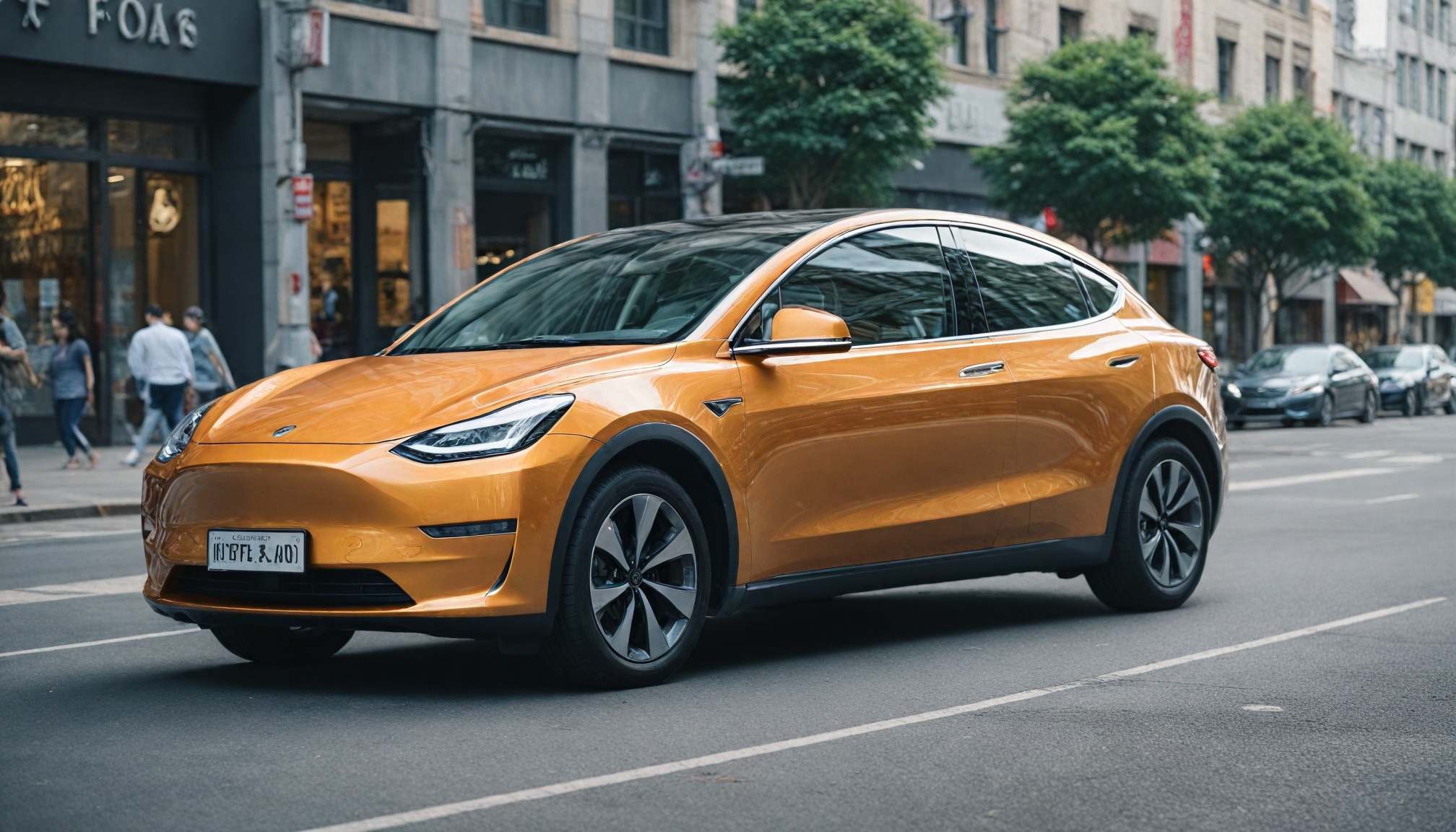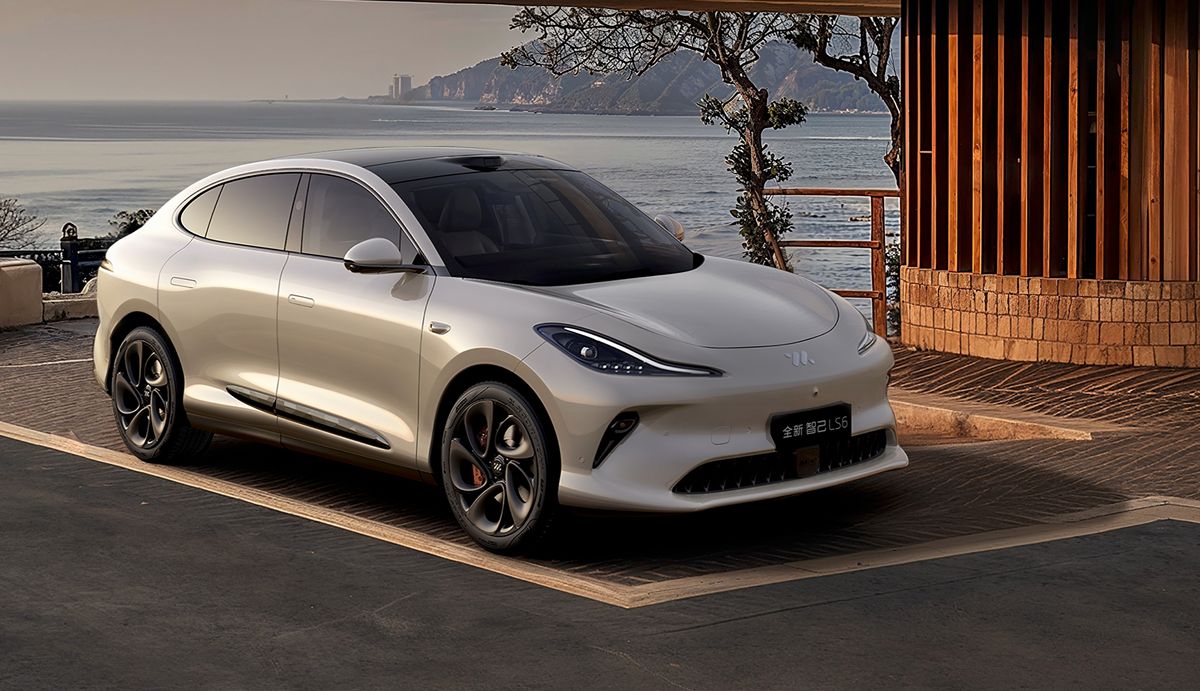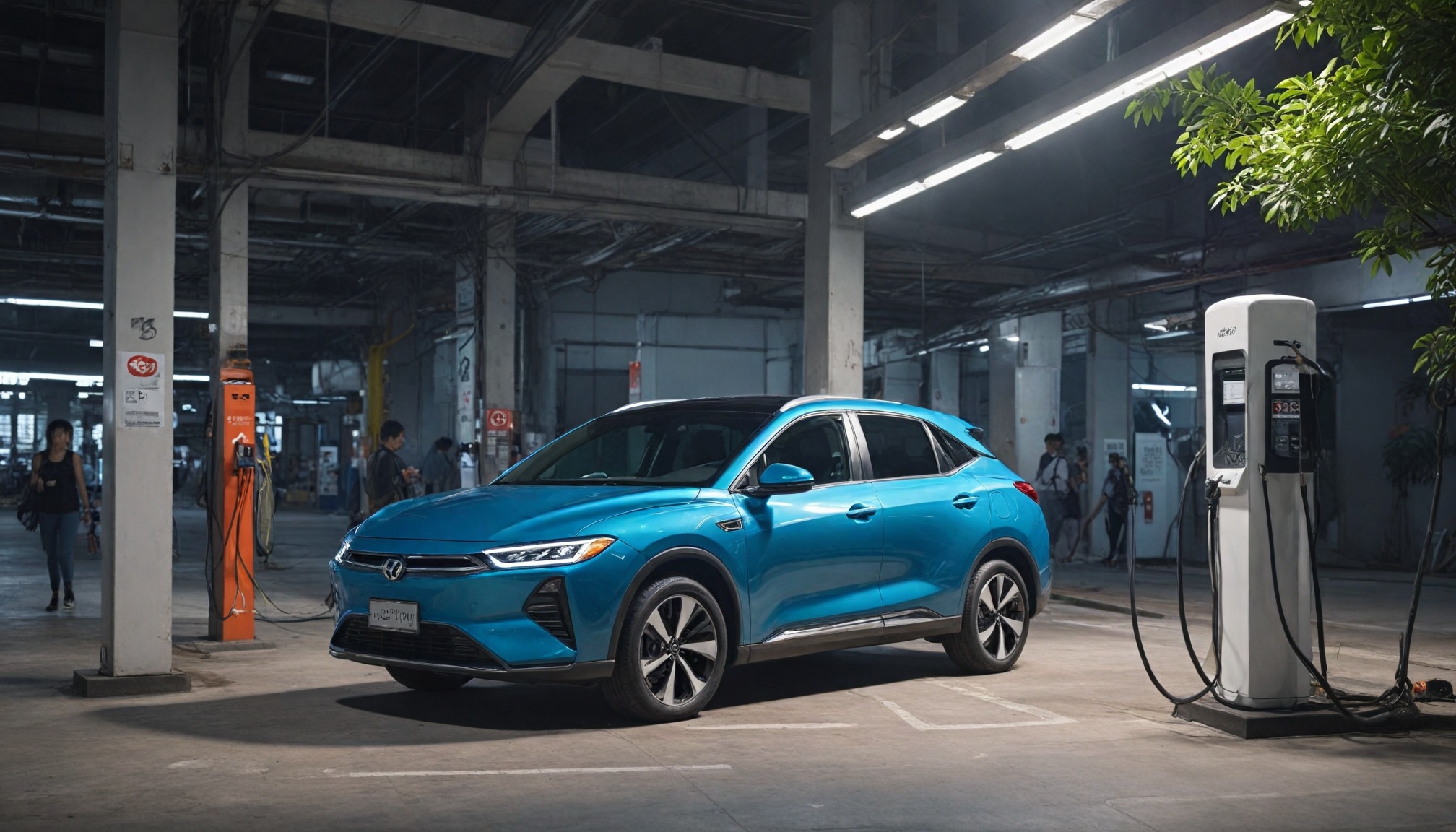
BYD's Blade Battery 2.0 charges 10-70% in 5 minutes at 1500kW, but faces a global infrastructure gap as most chargers only support 350kW or less.

Drivetech Partners
BYD's second-generation Blade Battery has arrived with a breakthrough charging capability that closes the gap between electric vehicles and gasoline refueling, achieving a 10%-70% charge in just 5 minutes and 10%-97% in 9 minutes through its 1500 kW FLASH Charging system. While this lithium iron phosphate technology promises to eliminate range anxiety with over 1,000 km CLTC range in flagship models, the advancement faces a critical infrastructure challenge: most global DC fast-chargers max out at 350 kW—less than a quarter of what these batteries can handle—creating a paradox that could confine BYD's advantage primarily to China unless widespread megawatt-level charging networks emerge worldwide.
Key Takeaways
- BYD's Blade Battery 2.0 achieves 5-minute charging (10%-70%) at 1500 kW, matching gasoline refueling speeds with lithium iron phosphate chemistry
- The company plans 20,000 FLASH charging stations in 2026, with 4,239 already operational in Q1, but faces a global infrastructure gap where most chargers deliver only 350 kW
- Energy density increased 30% over first-generation batteries, enabling 1,068 km CLTC range (approximately 900 km WLTP) in the Denza Z9
- Cold weather performance maintains 12-minute charging times at -30°C, significantly outpacing competitors' winter degradation challenges
- The Seal 07 leads international expansion as the first Blade 2.0 export model at $24,600 USD, with overseas FLASH stations planned for late 2026
BYD's Five-Minute Charging Breakthrough: Matching Gasoline Refueling Speeds
The second-generation Blade Battery fundamentally changes the electric vehicle charging conversation. Using lithium iron phosphate (LFP) chemistry, this battery reaches 10%-70% charge in just 5 minutes and completes a 10%-97% charge in 9 minutes when connected to BYD's FLASH Charging system. That's essentially identical to the time it takes to fill a gasoline tank at your local station.
This performance comes from a 1500 kW charging capability built on a 1000V high-voltage architecture. According to carnewschina.com, the technology delivers 30%-50% faster charging even on standard charging piles compared to conventional electric vehicles. The battery's energy density has increased by 5% over the first generation, contributing to both faster charging and extended range.
Safety remains paramount despite these extreme charging speeds. The Blade Battery 2.0 passes rigorous safety tests including nail penetration and bottom impact assessments—tests that have historically challenged fast-charging battery designs. At room temperature, the charging curve demonstrates consistent power delivery from 10% to 97% in 9 minutes. Drop the temperature to -30°C, and charging time extends only slightly to 12 minutes, a minimal degradation that I'll explore further in the winter performance section.
The Infrastructure Paradox: 1500 KW Technology Meets 350 KW Reality
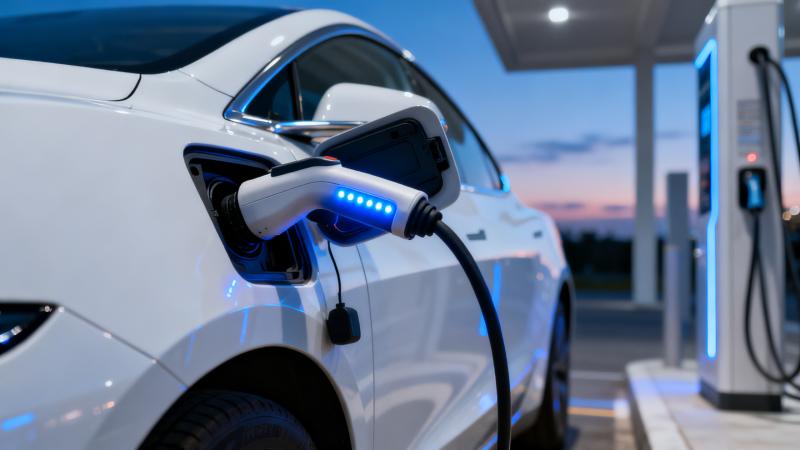
Here's where BYD's technological triumph meets a hard reality: global infrastructure limitations. Most DC fast-charging networks around the world max out at approximately 350 kW—less than 25% of what the Blade Battery 2.0 can handle. This creates a significant gap between what the battery can do and what existing charging infrastructure can deliver.
The challenge extends beyond simple charger upgrades. Supporting widespread 1500 kW charging requires substantial grid upgrades and energy storage solutions to prevent overwhelming local electrical infrastructure. BYD addresses this in China through integrated energy storage systems at charging stations, but replicating this globally presents financial and logistical hurdles.
Competitors are developing fast-charging technology, though at lower power levels:
- Zeekr 7x: 420-450 kW charging capability
- IM vehicles: 396 kW maximum charging
- Lotus models: 355 kW charging speeds
- BYD Blade 2.0: 1500 kW capability
The question facing the industry is whether Tesla, European manufacturers, and charging network operators will adopt megawatt-level standards. Without this adoption, BYD's technology advantage may remain primarily confined to markets with the infrastructure to support it—namely China, where the company maintains direct control over deployment. As noted by electrive.com, this infrastructure gap represents one of the most significant challenges to global EV adoption acceleration.
BYD's Aggressive Deployment: 20,000 Charging Stations in 2026
BYD isn't waiting for others to build compatible infrastructure. The company plans to install 20,000 FLASH charging stations throughout 2026, with deployment already well underway. This ambitious rollout includes 18,000 "station-within-a-station" installations and 2,000 dedicated highway stations positioned every 100 km, covering one-third of China's highway service areas.
The deployment timeline demonstrates serious execution capability:
- Q1 2026: 4,239 stations operational
- Year-end 2026: 20,000 total stations planned
- Highway coverage: Every 100 km intervals
- Service area penetration: One-third of locations
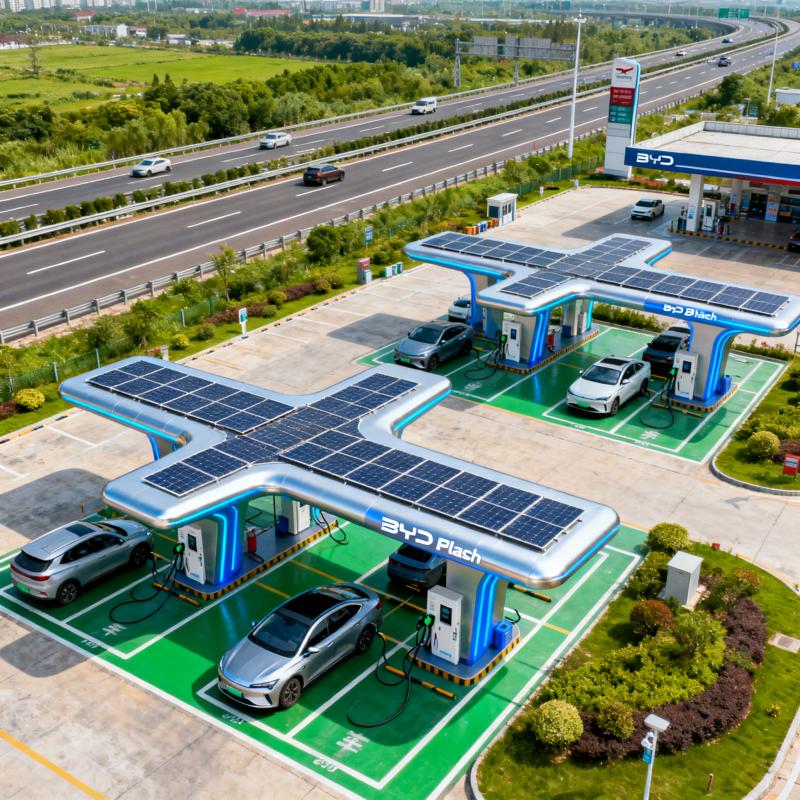
Each station features a T-shaped design with a compact charging gun, upper sliding rail for easy handling, and idle fees similar to gasoline stations to encourage turnover. The output of 1500 kW per gun enables the rapid charging speeds that make the Blade Battery 2.0 viable for daily use. According to carnewschina.com, BYD CEO Wang Chuanfu describes the installation process as "simple as installing an air conditioner."
The "station-within-a-station" model solves multiple problems simultaneously. BYD partners with existing charging networks like TELD, where 120 kW piles recharge BYD's energy storage systems. This approach avoids direct grid strain during peak charging periods while allowing rapid deployment in established locations. The energy storage buffer means BYD can deliver 1500 kW to vehicles without requiring equivalent instantaneous draw from the electrical grid—a critical factor for scalability.
Energy Density Leap Enables 1000+ Kilometer Range
The second-generation Blade Battery achieves a 30% energy density increase over its predecessor, representing a substantial leap in battery chemistry optimization. Cell-level energy density now reaches 190-215 Wh/kg compared to the previous 165 Wh/kg, while pack-level density improved from 145 Wh/kg in the Song Ultra to 180-190 Wh/kg in current applications.
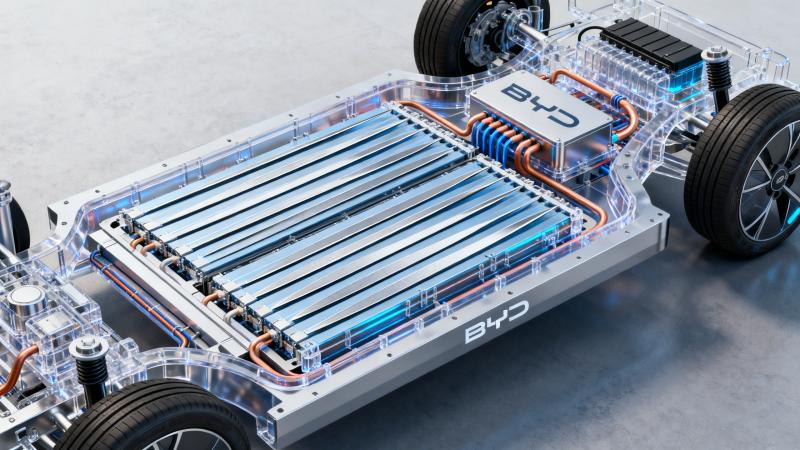
This density improvement translates directly into impressive range figures. The Denza Z9 with its 122.496 kWh pack achieves 1,068 km CLTC range—approximately 900 km under the more conservative WLTP testing standard. A smaller 102 kWh configuration delivers 950 km CLTC range, offering options for different price points and vehicle applications.
The CBV4A cell specifications reveal the technical foundation:
- Voltage: 3.2V nominal
- Capacity: 69.2Ah
- Energy density: 169.6 Wh/kg
- Total energy: 221.44 Wh
- Max charge current: 242A peak
- Dimensions: 500x90x13.5 mm
- Weight: 1.305 kg
- Cycle life: 3000+ cycles at >80% state of health
According to evlithium.com, these cells work within a 900V architecture in Denza models, contributing to a 27% efficiency improvement. The progression from 165 Wh/kg to 195 Wh/kg to the current 215 Wh/kg peak demonstrates continuous refinement of LFP chemistry—a chemistry choice that provides inherent safety and cost advantages compared to nickel manganese cobalt (NMC) alternatives while historically sacrificing some energy density.
Winter Performance: Maintaining Speed in Extreme Cold
Cold weather has historically crippled electric vehicle charging speeds and range. BYD's Blade Battery 2.0 addresses this challenge directly with impressive low-temperature performance. At -20°C or -30°C, the battery achieves 20%-97% charge in just 12 minutes—only 3 minutes longer than the 9-minute room temperature charging time.
The operating temperature range specifications demonstrate engineering specifically for extreme conditions:
- Charge temperature range: -30°C to 60°C
- Discharge temperature range: -40