VW shifts SSP platform from all-electric to include range extenders, addressing charging concerns and EV demand slowdown while maintaining electrification goals.

Drivetech Partners
Volkswagen's once-revolutionary Scalable Systems Platform (SSP) is taking a sharp turn from its original all-electric focus to include combustion engine technologies. This strategic pivot represents a significant recalibration of the automotive giant's electric vehicle roadmap as it grapples with market uncertainties and persistent software integration challenges.
## Key Takeaways - Volkswagen's SSP has evolved from a purely electric concept to include range extender capabilities using combustion engines - The platform has experienced significant delays, pushing launch from 2026 to 2028-2029 - Range extender technology will function as generators for batteries, not for directly powering wheels - The shift addresses concerns about charging infrastructure limitations and slowing European EV demand - Despite changes, SSP remains central to VW's future with eight planned derivatives across its brand portfolioThe Origins and Vision of SSP
When Volkswagen announced the Scalable Systems Platform in July 2021, it represented the cornerstone of its ambitious "New Auto" strategy. The original vision was bold - create a unified battery electric vehicle platform that would serve all Volkswagen Group brands, from mainstream Volkswagen models to premium Audi and Porsche vehicles. This platform aimed to integrate innovations from existing MEB and PPE platforms while targeting an impressive 20% cost reduction through economies of scale.
The SSP was designed with maximum modularity in mind, allowing for development of all-electric vehicles across various segments. This approach promised to streamline production and significantly reduce costs through standardized components and processes. For Volkswagen, SSP represented not just a platform but a fundamental shift in how the company would approach vehicle architecture in the electric age.

From Pure Electric to Pragmatic Hybrid Approach
The most dramatic shift in the SSP story is Volkswagen's decision to expand beyond pure electric capabilities. The platform now supports both battery electric vehicles and internal combustion engine range extender technology. Unlike traditional hybrids, these range extenders will function solely as generators to charge the vehicle's battery pack, not to drive wheels directly. This approach bears similarities to Nissan's e-Power system, where combustion engines serve only to generate electricity.
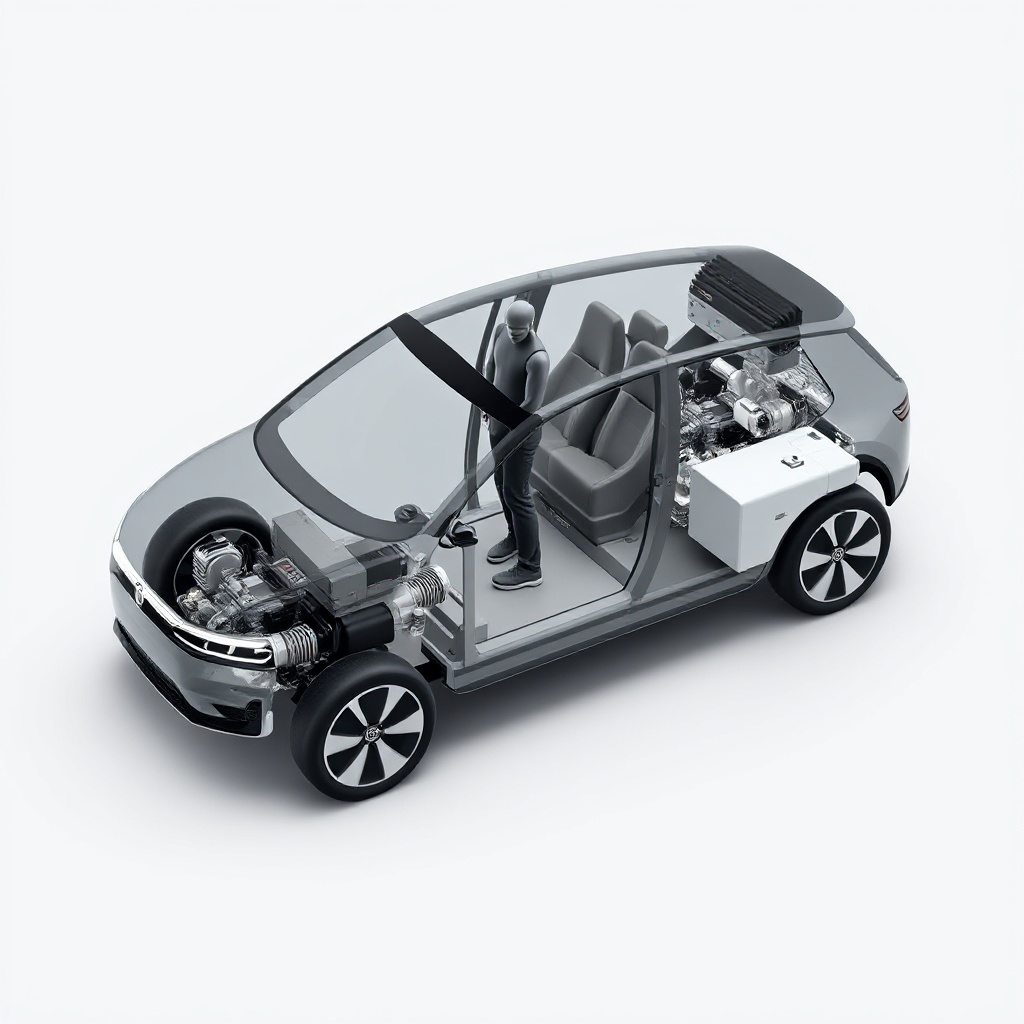
This pivot directly addresses two critical market realities: inadequate charging infrastructure in many regions and declining European EV demand. By incorporating range extender capabilities, Volkswagen gives consumers an option that eliminates range anxiety while maintaining primarily electric operation. According to Autoblog, this strategy allows Volkswagen to hedge against uncertain EV adoption rates while still advancing its electrification goals.
Technical Highlights and Innovations
Despite its strategic shift, the SSP continues to feature impressive technical innovations. The platform includes an advanced 800-volt electrical system for significantly faster charging capabilities - a feature currently found only in premium EVs. It also incorporates Volkswagen's standardized battery "unit cell" design, which aims to improve efficiency while reducing manufacturing costs.
The SSP is designed to ultimately replace multiple current platforms, including MEB, PPE, and other EV architectures across all VW Group brands. Its versatility allows it to span vehicle types from compact city hatchbacks to large SUVs and luxury vehicles. This platform consolidation strategy is crucial for Volkswagen's ability to maintain competitive pricing while investing in advanced technologies.
Persistent Delays and Development Challenges
The road to SSP implementation has been far from smooth. The initial market introduction has been pushed back substantially, moving from a target of 2026 to 2028 or even 2029. In May 2025, Volkswagen executed what it calls an "architecture freeze," finalizing key design and hardware decisions, but supplier contracts and specific model roadmaps remain in flux.
These delays are primarily attributed to software integration problems at Volkswagen's Cariad division. These software development setbacks have already delayed other major models including the Audi Q6 e-tron and Porsche Macan EV. As reported by S&P Global Mobility, Volkswagen has struggled with software reliability issues that have damaged its technology credentials among consumers and industry observers alike.
Strategic Market Positioning
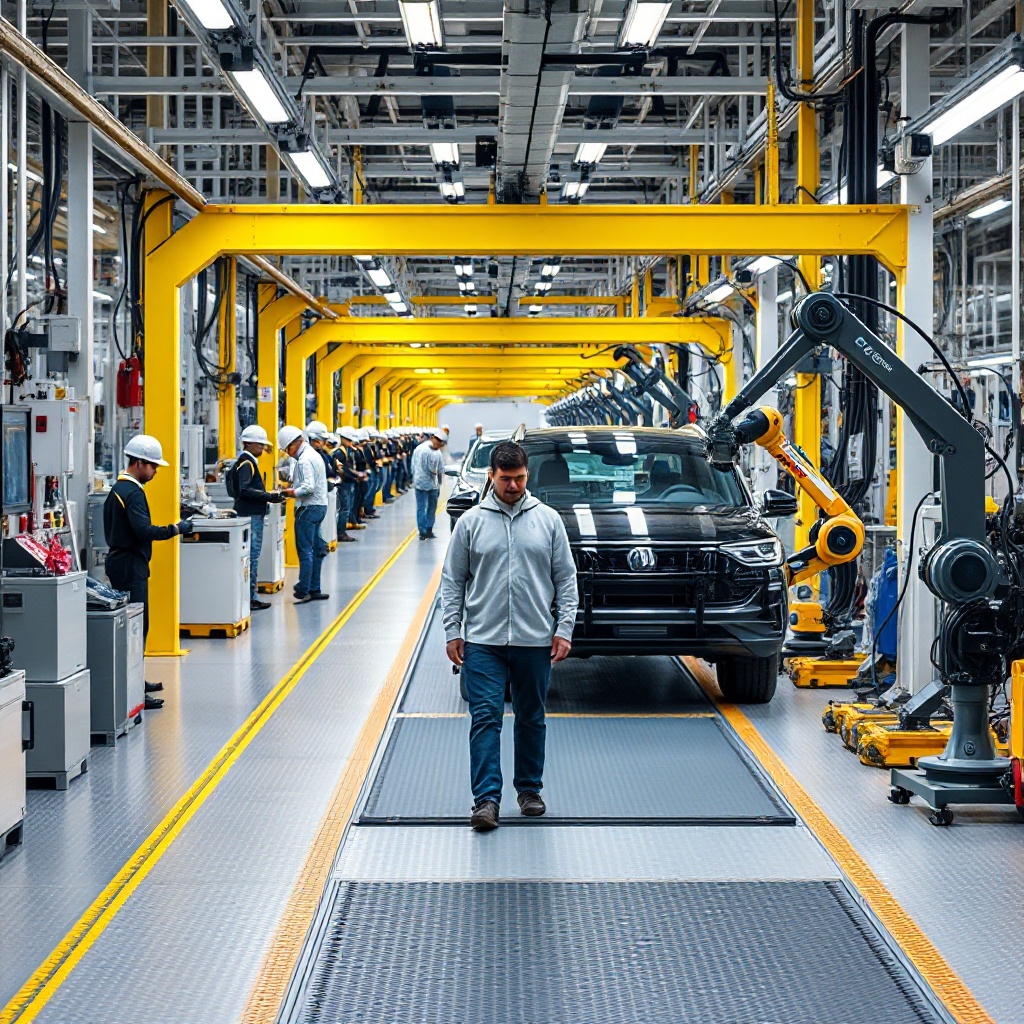
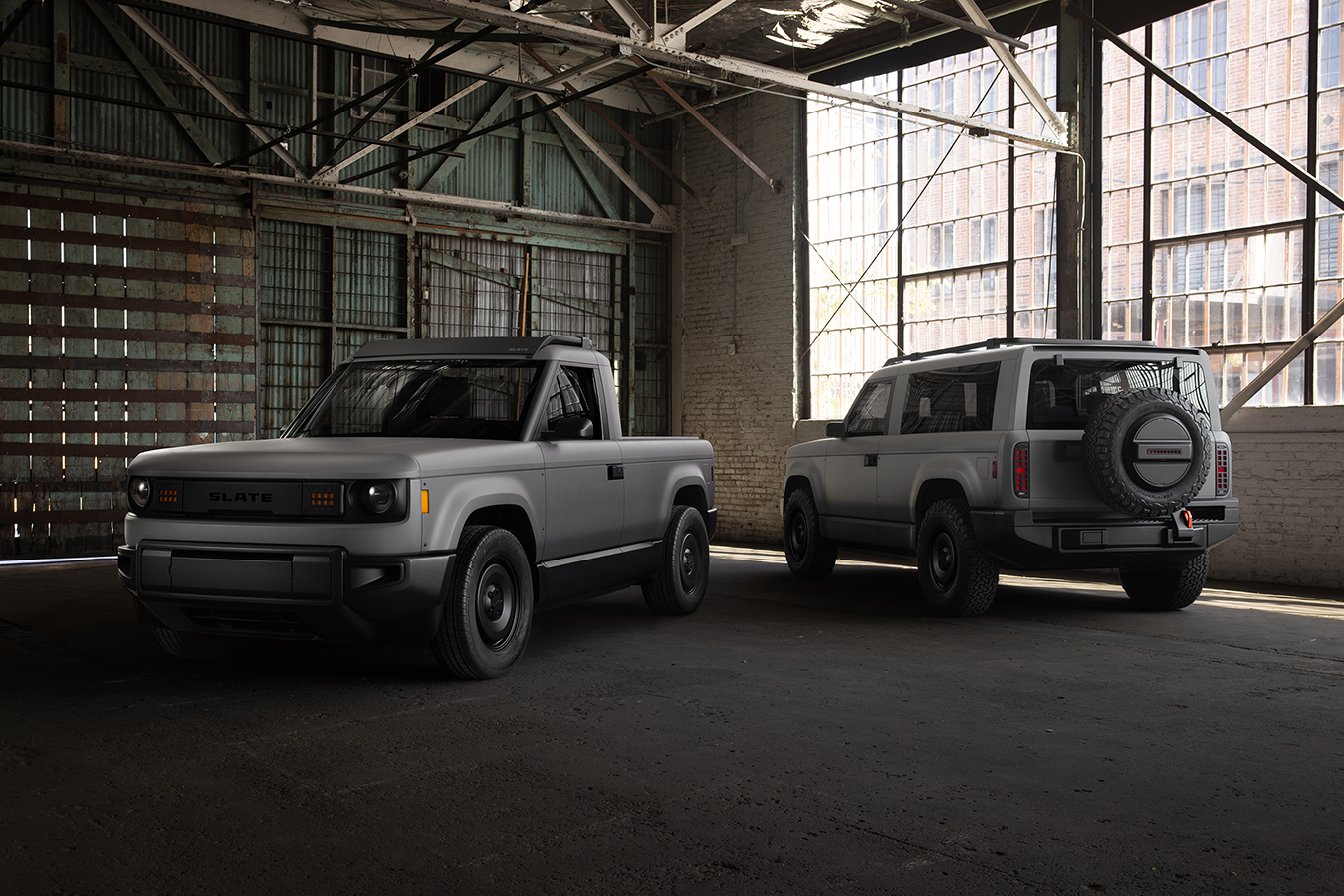
Volkswagen has ambitious plans for the SSP, with at least eight platform derivatives in development to cover its entire vehicle portfolio. The company's new Scout brand will prominently feature range extender-equipped SUVs and pickups using the SSP platform, targeting markets where charging infrastructure remains limited.
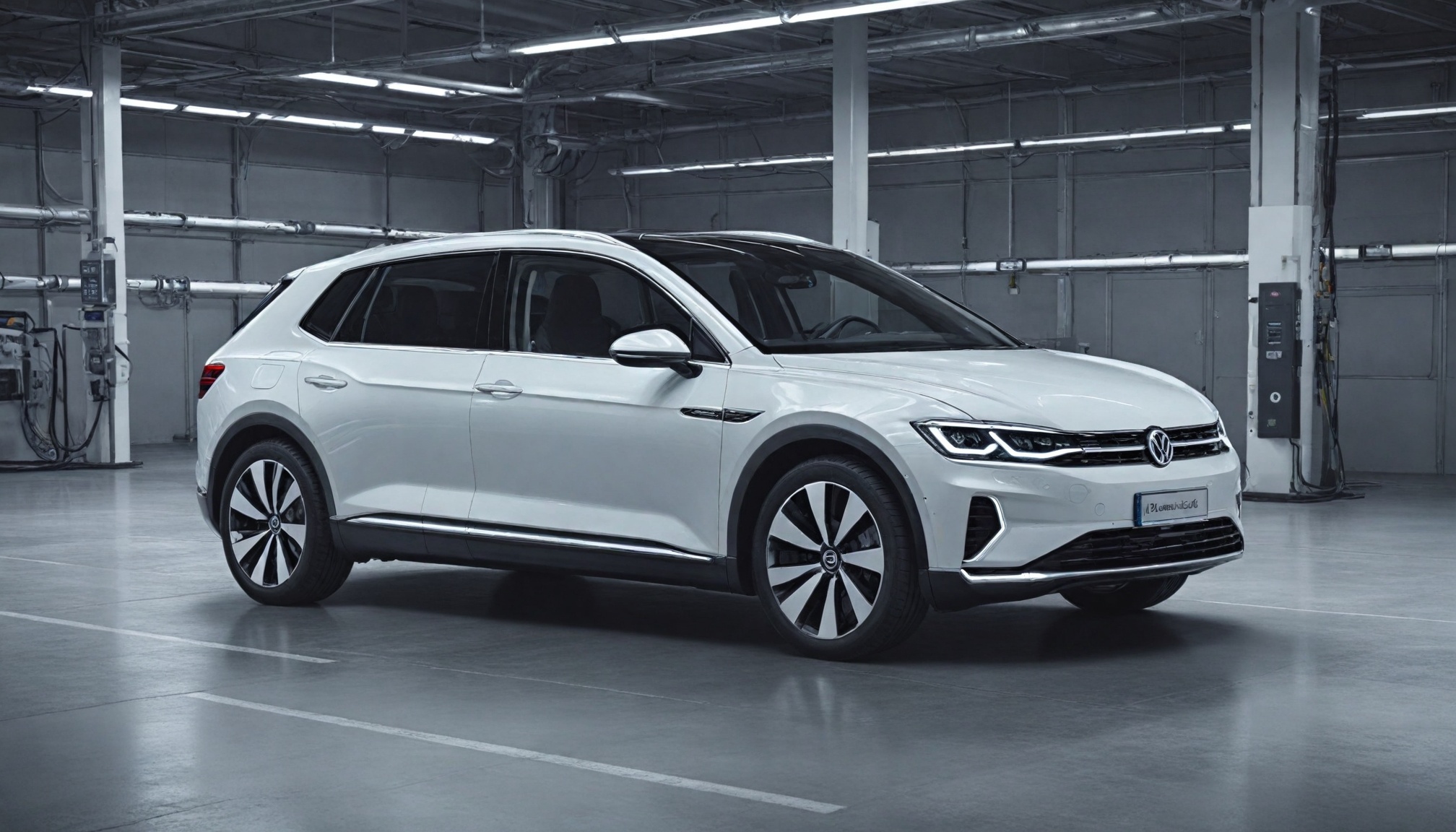
The Wolfsburg factory, Volkswagen's historic manufacturing center, remains central to future electric production. The facility will focus particularly on electric versions of popular models like the Golf and T-Roc. This strategic decision reinforces Volkswagen's commitment to transforming existing product lines rather than starting from scratch with all-new electric models.
The platform aims to reduce complexity and leverage common parts across brands, a move that should help control costs while maintaining distinct brand identities within the Volkswagen Group. From mainstream Volkswagen models to premium Audi vehicles, SSP will provide the foundation for a diverse range of products.
Competitive Landscape and Market Realities
The SSP transition reflects Volkswagen's effort to balance technological ambition with pragmatic market realities. The company is hedging against slow BEV adoption while facing increasing competitive threats from Chinese automakers and Tesla. According to Autoevolution, persistent software setbacks have damaged Volkswagen's reputation as a technological leader in the automotive industry.
The revised strategy aims to maintain Volkswagen's position as a global automotive leader despite EV transition challenges. By embracing a more flexible approach with the SSP platform, Volkswagen can adapt to varying market conditions across different regions while continuing its overall shift toward electrification.
Future Implications for Volkswagen Group
Looking ahead, the SSP is expected to deliver up to 500,000 annual units from key models produced at Wolfsburg alone. This volume is crucial for achieving the economies of scale needed to make electric vehicles profitable. The platform's flexibility allows Volkswagen to adapt to varying market adoption rates for EVs across different regions.
The dual approach of pure electric and range extender options provides a contingency plan if EV adoption slows in key markets. This adaptability may prove crucial as different regions move toward electrification at different rates. The success of the SSP will be pivotal for Volkswagen's future, determining whether the company can maintain its scale and profitability during the automotive industry's greatest transformation in a century.
Sources: Autoblog - Volkswagen Scalable Systems Platform Range Extender Update, Electrive - VW reveals key points for the SSP electric platform, CarBuzz - Volkswagen SS Platform Accommodate Combustion Engines, S&P Global Mobility - BriefCASE: EV Software Challenges, Volkswagen Group - Volkswagen Future Plan