Ultra-fast EV charging expands nationwide with 250-400 kW chargers, improving reliability and adding premium amenities, eliminating barriers to coast-to-coast travel.

Drivetech Partners
The electric vehicle landscape is undergoing a remarkable transformation as ultra-fast charging infrastructure rapidly expands across the United States, with DC fast charging ports projected to double to 100,000 by 2027. This nationwide network development, characterized by high-capacity 250-400 kW chargers and improved station reliability, is eliminating the final barriers to coast-to-coast EV travel while industry partnerships tackle rural charging deserts and introduce next-generation amenities.
Key Takeaways
- The US is expected to add 16,700 new DC fast charging ports in 2025, a 16% year-over-year increase, with most new deployments rated at 250 kW or higher
- Strategic partnerships between retailers, automakers, and energy companies are accelerating nationwide coverage, including rural areas previously considered "charging deserts"
- Network reliability has seen a 5.3% year-over-year improvement, with larger installations of 8-12+ ports becoming standard to reduce wait times
- Time-of-use pricing has helped reduce the national average cost per kWh from $0.50 to $0.48, improving EV operating economics
- Modern charging stations now feature premium amenities like lounges, Wi-Fi, and retail services, transforming charging into an experience rather than just a necessity

The Electric Vehicle Charging Infrastructure Revolution
America's charging infrastructure is growing at an unprecedented pace. The second quarter of 2025 alone saw 4,242 new DC fast-charging ports deployed across 784 stations, representing a 23.3% quarter-over-quarter increase. This expansion brings the national total to approximately 59,700 ports at 11,687 stations nationwide.
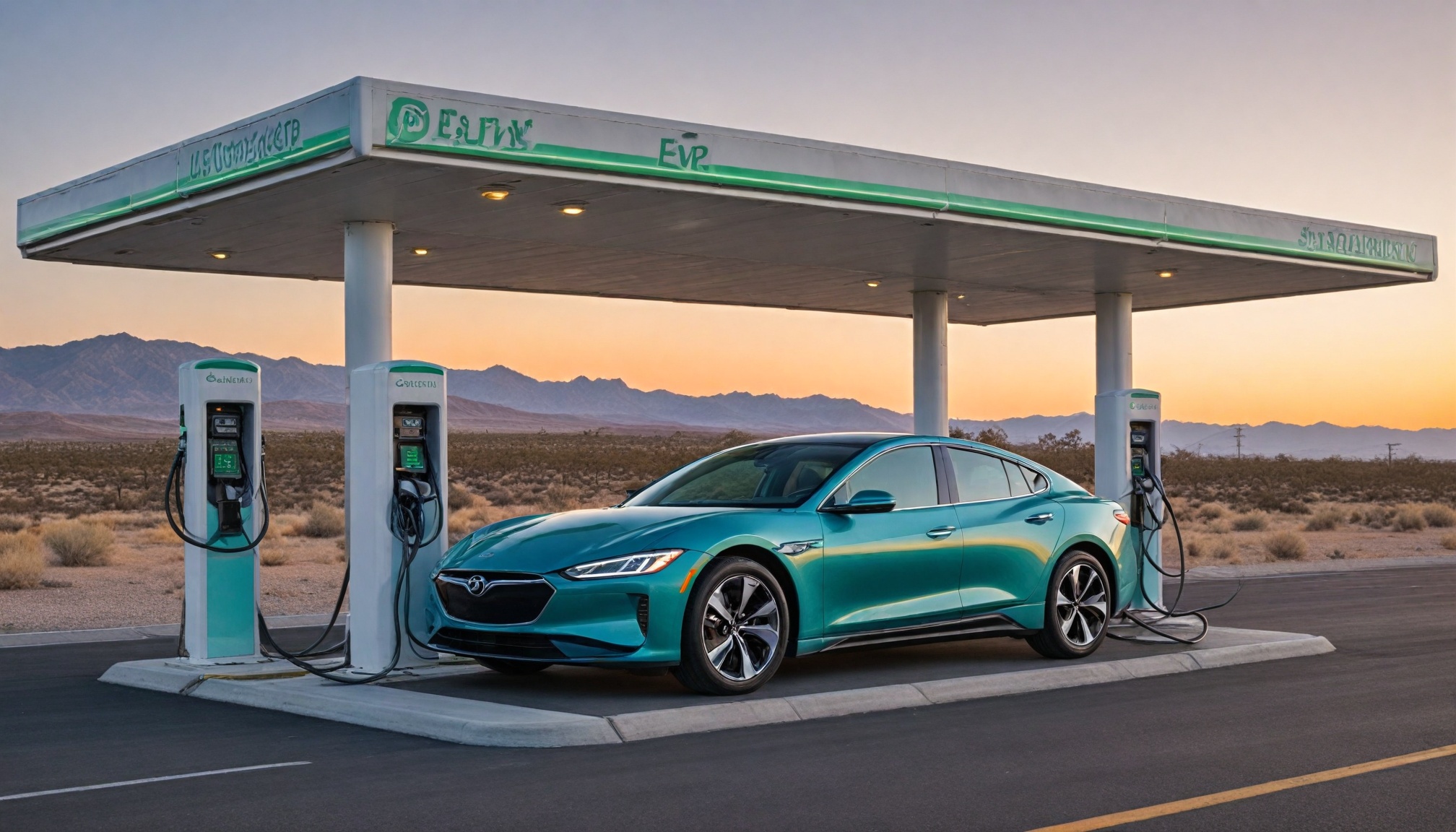
What's particularly notable is the rapid shift toward higher-power charging capabilities. Data shows that 63% of newly deployed chargers in Q2 2025 are rated at 250 kW or higher, with many reaching impressive 350-400 kW power outputs. These advanced chargers allow most modern electric vehicles to recharge in just 15-20 minutes, comparable to a quick rest stop on traditional road trips.
This infrastructure expansion isn't just about numbers—it's about fundamentally changing how we think about electric vehicle travel. With total DCFC ports expected to reach 100,000 by 2027, effectively doubling the 2024 availability, the network is quickly reaching a critical mass that supports nationwide EV adoption.
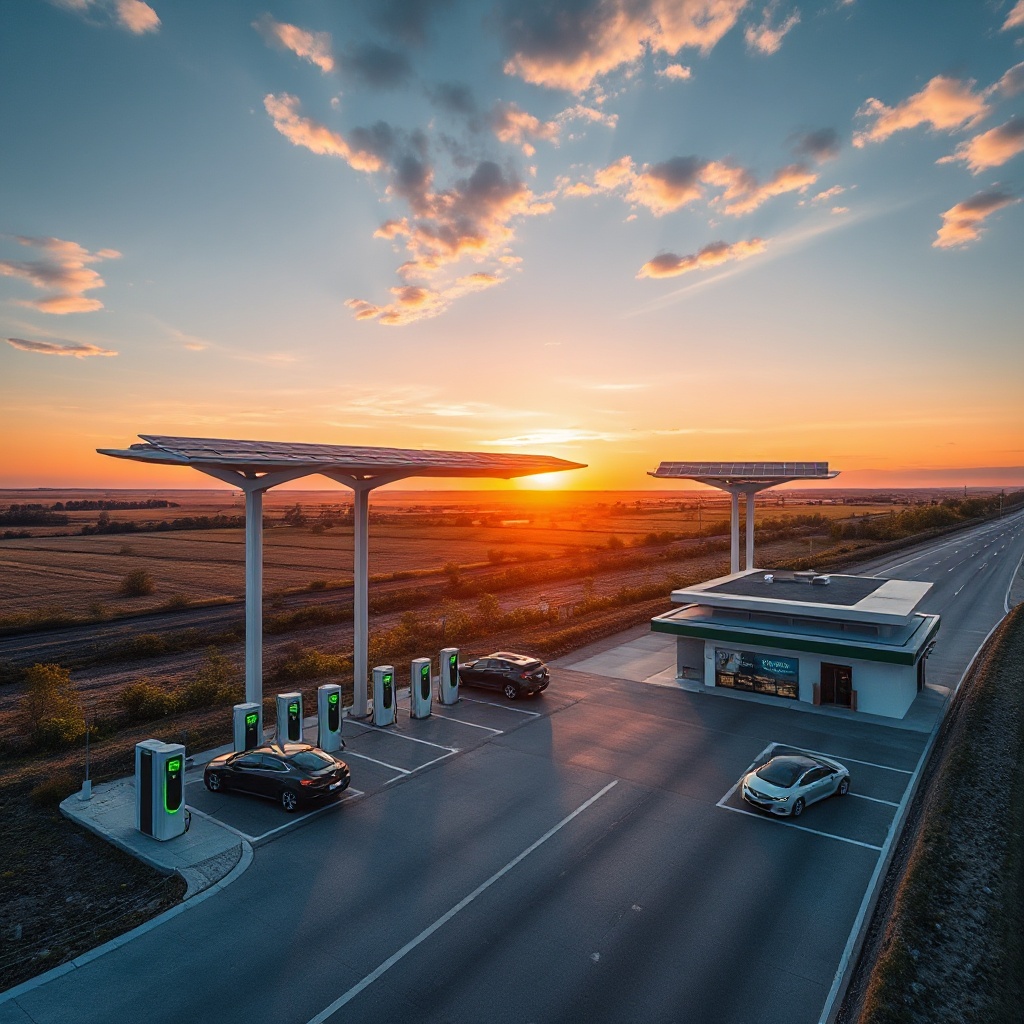
Charging 2.0: Industry Partnerships Accelerate Nationwide Coverage
We've entered what industry experts call the "Charging 2.0" era, characterized by mature collaboration between major players across multiple sectors. Energy companies, automakers, retailers, and technology providers are forming strategic partnerships to rapidly scale charging infrastructure.
Walmart exemplifies this trend with plans to install thousands of stations nationwide, potentially reaching a five-digit number of charging stalls in the coming years. Meanwhile, the Ionna network (a joint venture between seven major automakers) added 182 ports at 19 stations in June 2025 alone, demonstrating the acceleration these partnerships enable.
The charging network landscape continues to evolve, with Tesla's Supercharger network maintaining dominance at 31,990 ports and 54.6% market share. Importantly, Tesla has opened 67.5% of its network to non-Tesla vehicles, significantly expanding access for all EV owners. Other major networks including Electrify America (4,894 ports), ChargePoint (4,463), EVgo (4,177), and Blink (1,636) continue to expand their footprints across the country.
These collaborative efforts between retailers and legacy fuel station operators paired with automakers and charge point operators (CPOs) are expected to result in thousands of new high-capacity stations by 2030, creating a truly comprehensive national charging network.
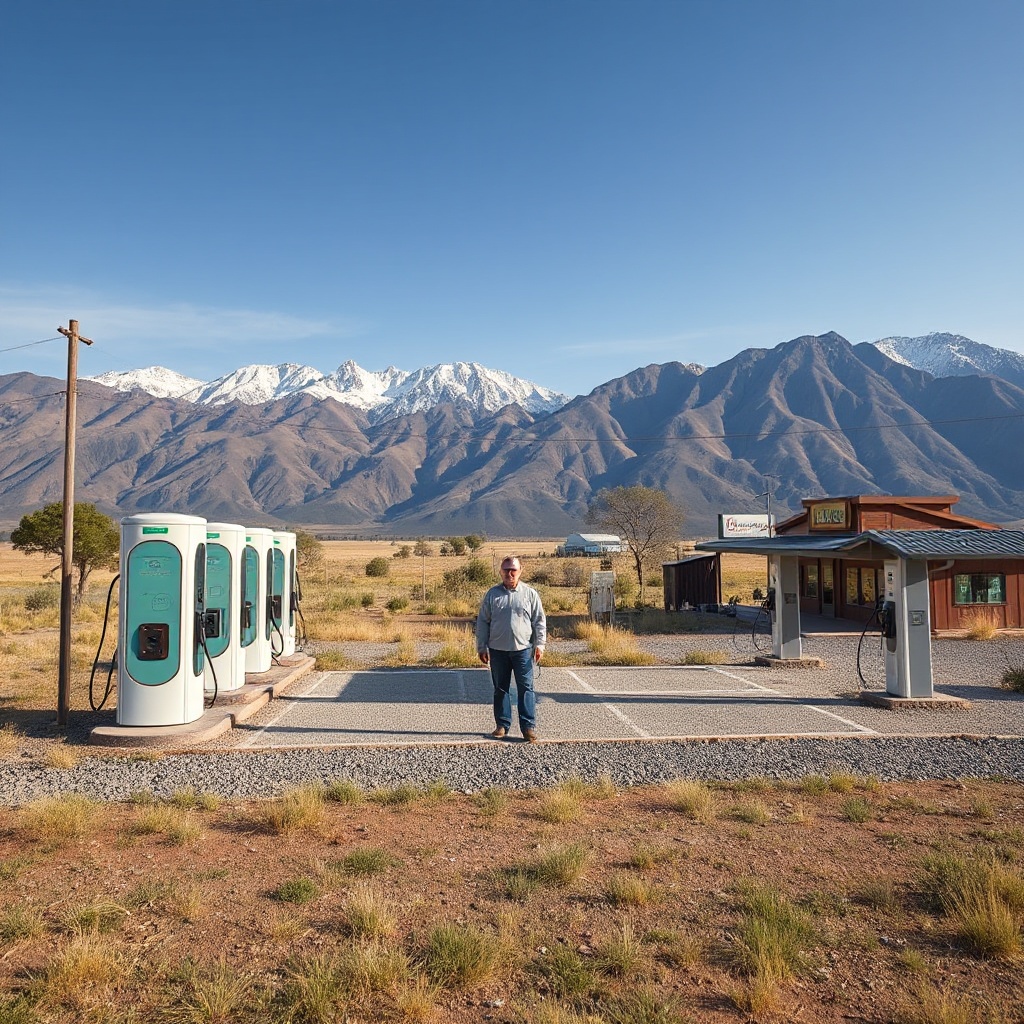
Bridging the Rural Charging Desert Gap
One of the most significant developments in recent charging expansion has been the targeted focus on rural states and underserved regions. Montana, Wyoming, and Idaho—once considered charging deserts—are seeing rising infrastructure deployment and increasing utilization rates.
Major charge point operators are strategically addressing these gaps by opening larger sites in rural areas, averaging 10 ports per site at new locations. This approach ensures that even in less populated regions, drivers can count on reliable charging access without excessive wait times.
IONNA, Mercedes-Benz High Power Charging, Walmart, and BP Pulse are leading these rural and corridor coverage expansion efforts. Their initiatives directly address the "charging deserts" that previously limited long-distance EV travel and created anxiety for drivers venturing beyond major metropolitan areas.
This rural expansion represents more than just added convenience—it's democratizing EV adoption by ensuring that the benefits of electric mobility aren't limited to urban dwellers. By extending high-quality charging infrastructure into America's heartland, these companies are removing one of the final barriers to widespread EV adoption.
Network Reliability and Uptime Improvements
Beyond just adding more chargers, the industry has made significant strides in improving the reliability of existing infrastructure. The U.S. Reliability Index rose by 5.3% year over year, driven by upgraded hardware and strategic station replacements.
A key factor in this improvement is the trend toward larger charging sites. With 8-12+ ports per location becoming standard, these installations offer inherent redundancy—if one charger is unavailable, multiple alternatives exist at the same location. This redundancy significantly reduces the frustration of arriving at a station only to find it non-operational.
Interestingly, nationwide charging station utilization rates have declined to 16.1% (from 16.6% in the previous quarter), indicating that supply is outpacing demand in many regions. While this might seem concerning from a business perspective, it actually represents good news for consumers, as it means less waiting and more reliable access.
These reliability improvements directly address one of the most common consumer concerns about electric vehicle adoption. With confidence that charging stations will be available and operational when needed, more drivers can make the switch to electric with peace of mind.
High-Capacity Charging and Next-Generation Amenities
Charge point operators are increasingly gravitating toward high-output hardware rated at 250-400 kW, enabling ultra-fast charging sessions that align with natural break times during long journeys. This shift toward higher-capacity equipment is future-proofing the network as EV battery sizes continue to increase.
At the same time, new pricing models are creating more favorable economics for drivers. The national average cost per kWh dropped from $0.50 to $0.48 due to the implementation of time-of-use (TOU) pricing. In Q2 2025 alone, 366 stations switched to TOU pricing, with one-third of those conversions occurring in California.
Perhaps most exciting is the emergence of enhanced amenities at charging locations. Modern stations now frequently offer lounge areas, reliable Wi-Fi, retail options, and convenience services. This represents a fundamental shift toward "charging as an experience" rather than merely a functional necessity, particularly along high-traffic interstate routes.
These next-generation stations recognize that while charging times have decreased dramatically, drivers still have 15-20 minutes to spend—and providing comfortable, productive environments during these breaks enhances the overall electric vehicle ownership experience.
The End of Range Anxiety: Enabling Seamless Interstate Travel
The consolidation around high-power charging infrastructure is creating seamless interstate travel corridors that effectively eliminate the "range anxiety" that once plagued electric vehicle adoption. Modern EVs typically travel 250-300+ miles per charge, and with strategic charging stops now widely available, coast-to-coast road trips have become entirely practical.
The maturation of charging network design has introduced important considerations beyond just raw numbers of stations. Strategic placement, scalability, and reliability have all improved dramatically, making long-distance EV travel increasingly practical and cost-competitive with gasoline-powered alternatives.
With charging sessions now typically lasting just 15-30 minutes—coinciding with natural breaks most drivers would take regardless of vehicle type—the practical differences between EV and gasoline vehicle road trips have largely disappeared. Many drivers report that the forced breaks actually make their journeys more enjoyable and less fatiguing.
This transformation represents the achievement of a long-sought goal in the electric vehicle industry: making interstate travel as seamless and worry-free for EV drivers as it has traditionally been for those driving conventional vehicles.
Economic and Consumer Impact of Improved Charging Infrastructure
The expanding charging network is having positive economic impacts for EV owners. Declining per-kWh charging costs are improving the overall operating economics, making electric vehicles increasingly cost-competitive with gasoline alternatives on a total cost of ownership basis.
Price competition is intensifying between networks as infrastructure saturates high-demand areas, benefiting consumers through both direct cost savings and innovation in service offerings. The implementation of time-of-use pricing creates opportunities for cost-conscious drivers to further optimize their charging expenses.
The growing competition in the charging market is driving consumer-friendly innovations and pricing structures. As networks compete for customer loyalty, we're seeing the emergence of subscription models, loyalty programs, and integrated payment solutions that simplify the charging experience.
All of these factors contribute to an improving total cost of ownership for electric vehicles. As charging infrastructure continues to expand and evolve, the economic case for EV adoption grows stronger, further accelerating the transition away from fossil fuel transportation.
Future Outlook: Preparing for Mass EV Adoption
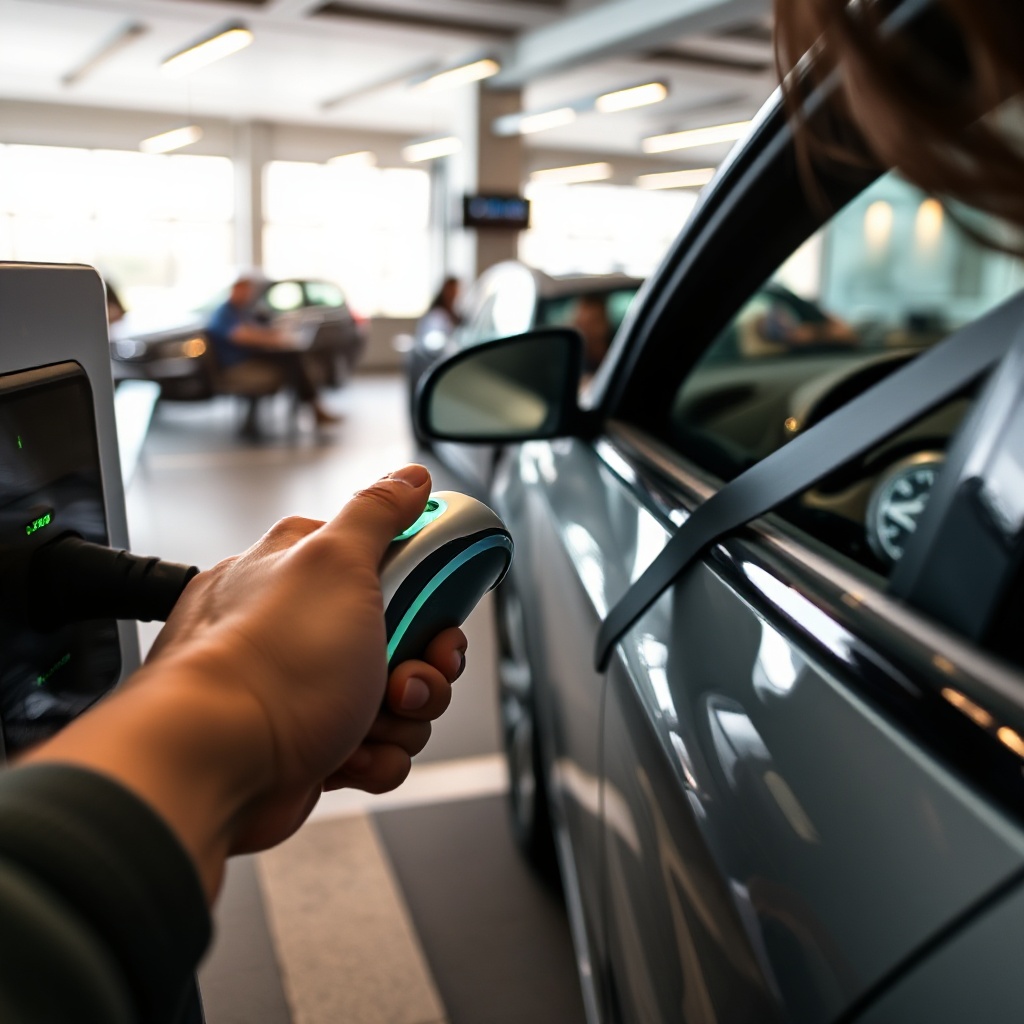
The current infrastructure expansion pace appears well-aligned with projected EV adoption rates, with high-capacity stations being future-proofed for next-generation vehicles with larger battery capacities. This forward-thinking approach ensures that today's investments will