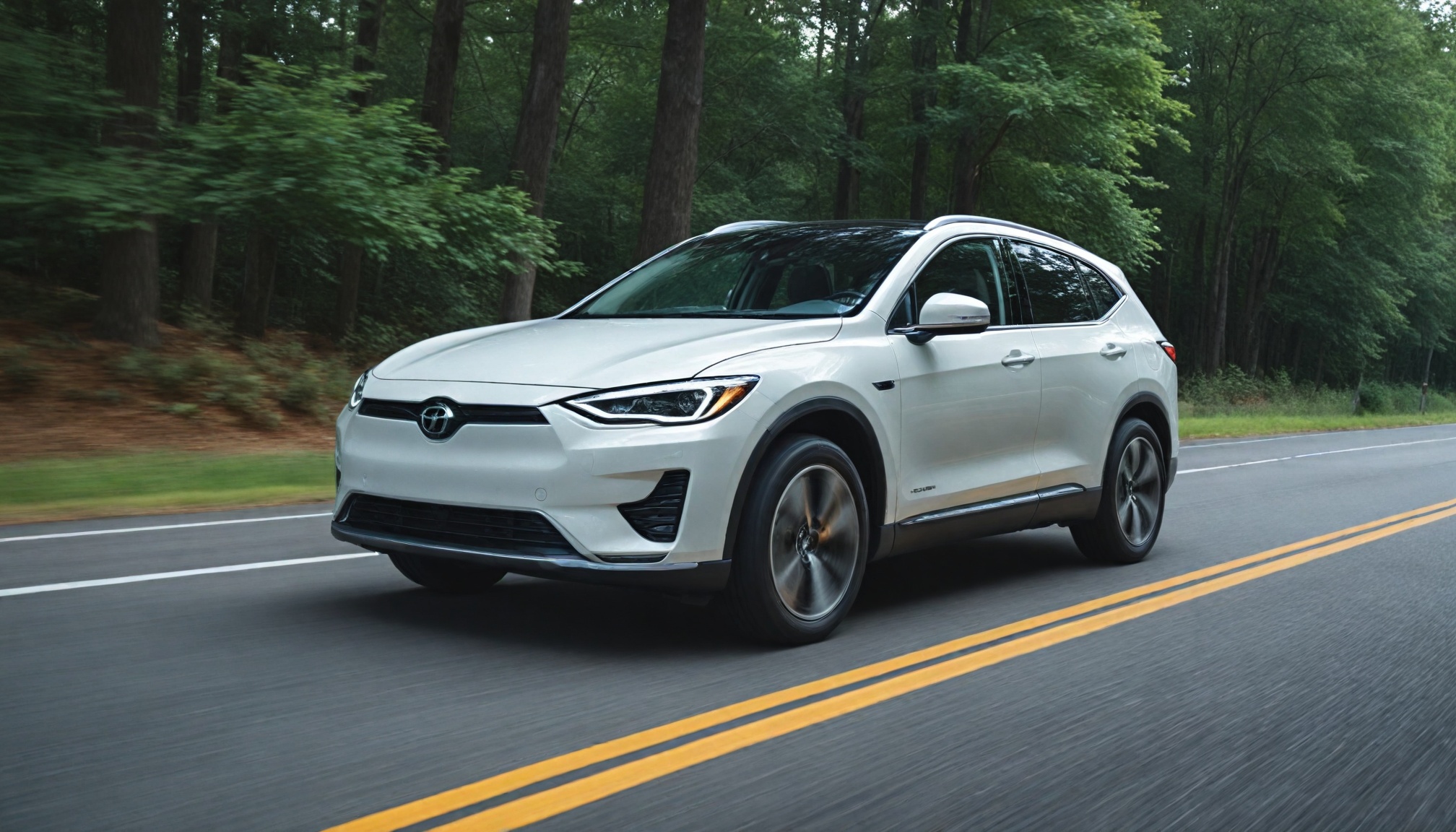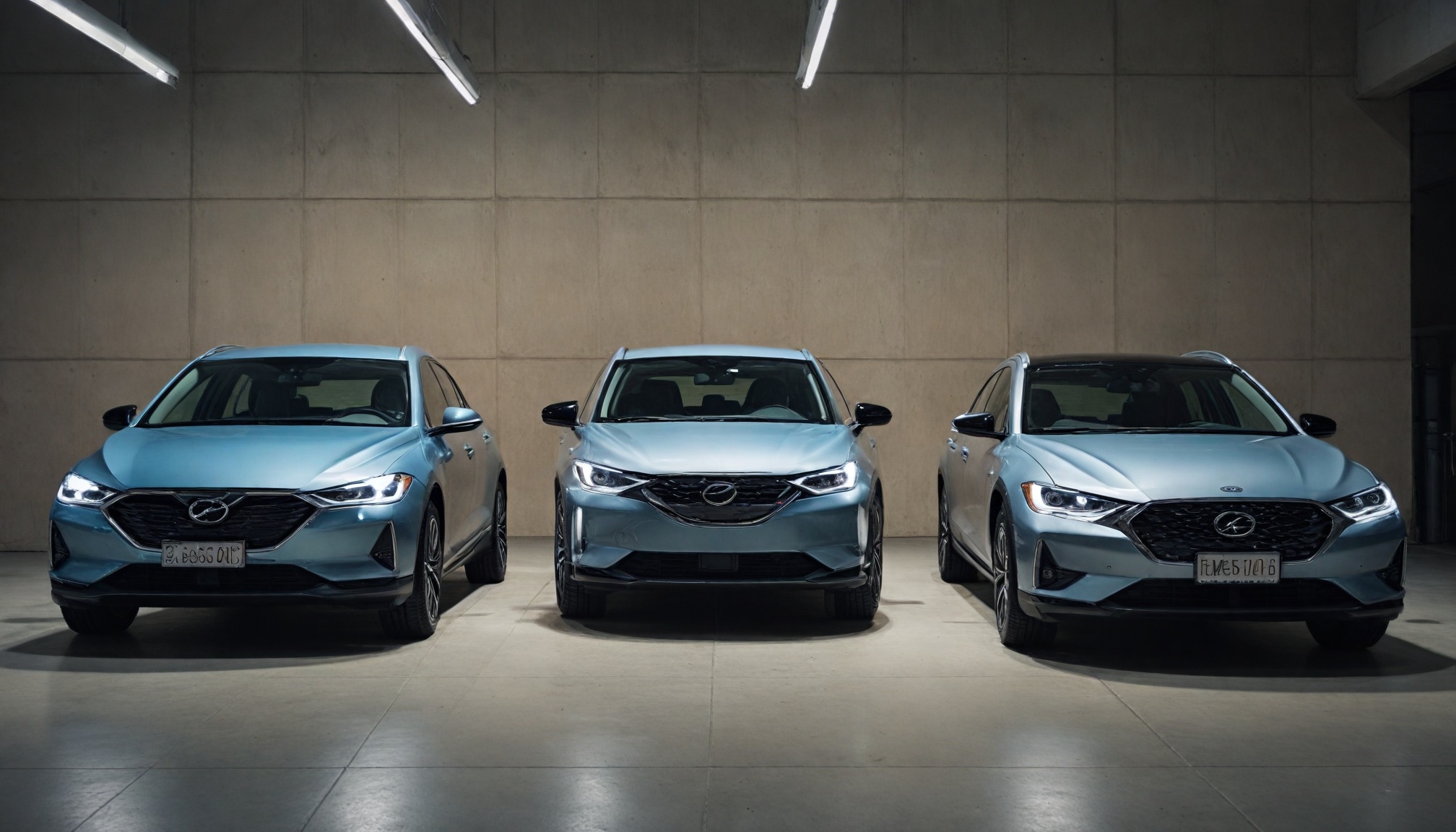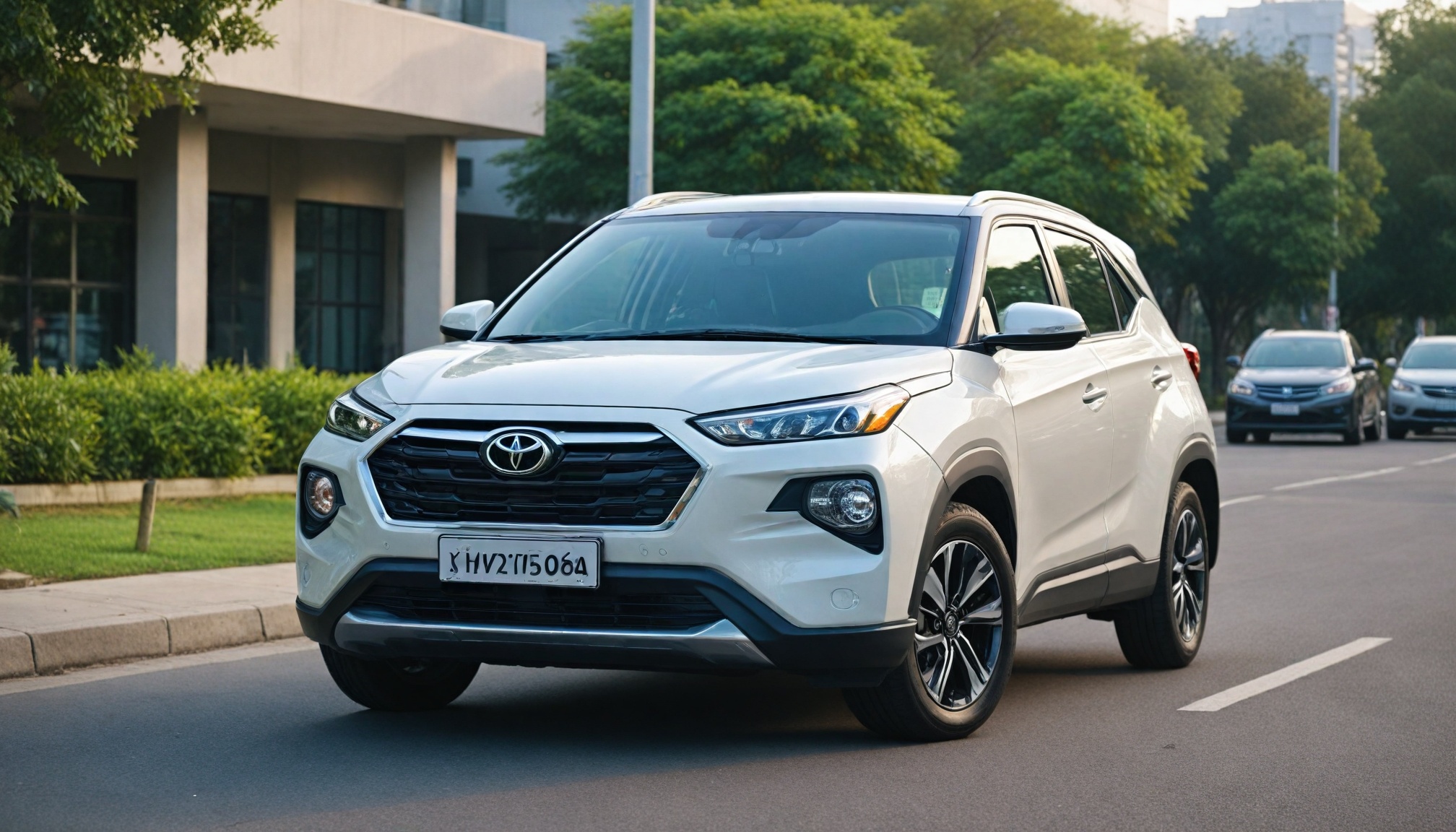
Toyota Hyryder's self-charging hybrid system combines electric efficiency with SUV practicality, offering silent urban driving and exceptional 27.97 kmpl fuel economy without plugging in.

Drivetech Partners
The Toyota Hyryder's strong hybrid system represents a significant shift in how Indians navigate congested urban environments, combining electric efficiency with practical SUV capabilities. The innovative powertrain allows drivers to silently glide through stop-and-go traffic primarily on electric power while maintaining the convenience of a self-charging system that requires no plug-in infrastructure.
Key Takeaways
- The Hyryder's self-charging hybrid system delivers exceptional 27.97 kmpl fuel efficiency, nearly 50% better than conventional rivals
- Electric-only operation in heavy urban traffic significantly reduces fuel consumption and noise during daily commutes
- Superior ride comfort and cabin insulation ranked highest among competitors like Hyundai Creta and Kia Seltos
- Balanced approach between initial price premium and long-term ownership savings through reduced fuel costs
- The 2025 model gains premium comfort features including ventilated seats, panoramic sunroof, and enhanced tech offerings
The Strong Hybrid Advantage: How Toyota's System Actually Works
At the heart of the Hyryder's appeal is its advanced dual-power system that intelligently combines an electric motor with a 1.5L TNGA petrol engine. Together, they produce 91.18bhp at 5500rpm and 122Nm of torque between 4400-4800rpm. Unlike conventional powertrains, this setup allows the Hyryder to operate solely on electric power during city driving, significantly cutting fuel consumption.
The system features seamless power transitions between electric and petrol modes without requiring driver intervention. When you brake or decelerate, the regenerative braking system captures otherwise wasted energy and stores it in the battery, extending your electric range. What makes this particularly practical for Indian conditions is that the self-charging nature eliminates the need for external charging infrastructure, unlike plug-in hybrids.

This technology delivers a remarkable ARAI-certified fuel efficiency of 27.97 kilometers per liter, placing it far ahead of conventional rivals. Beyond fuel savings, the system also produces fewer emissions, making it a more environmentally friendly option for increasingly polluted urban centers.
Daily City Driving: The Real-World Hybrid Experience
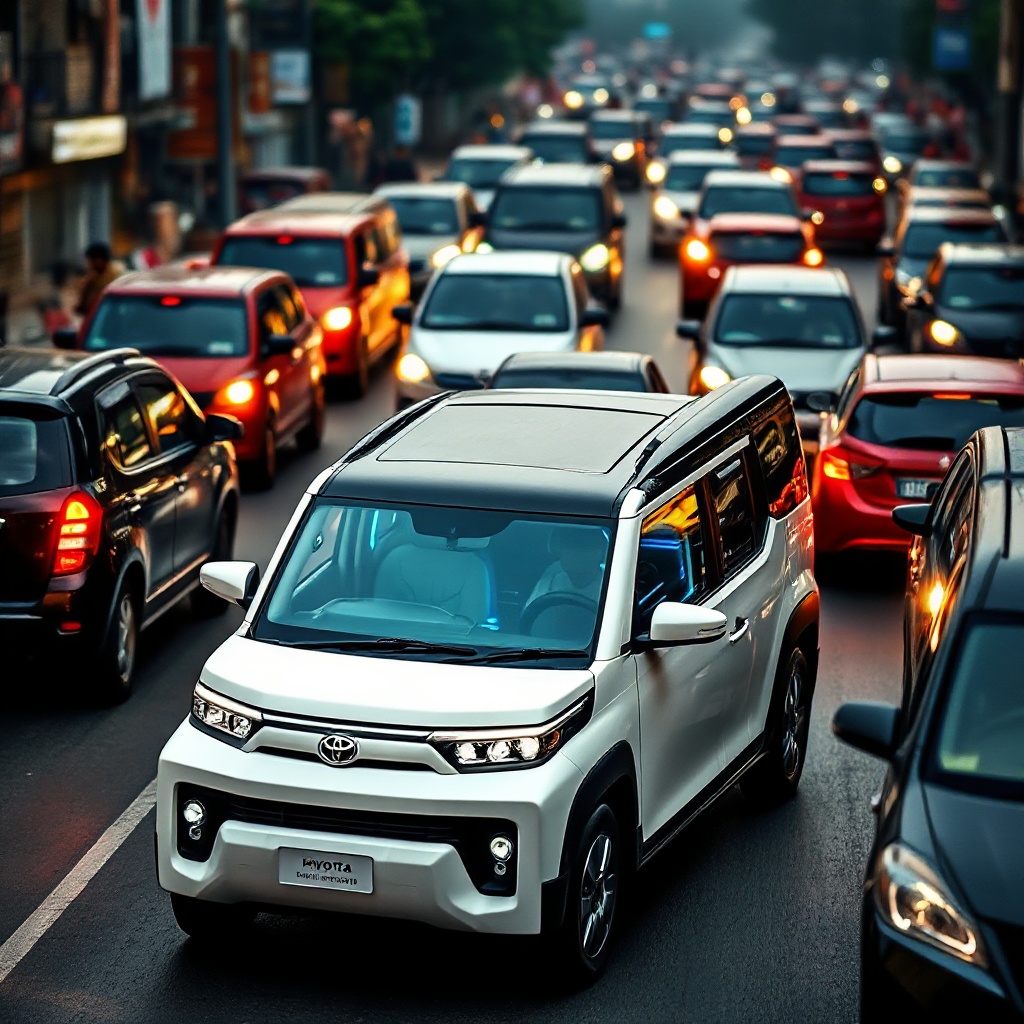
In the real world, the Hyryder's hybrid system transforms daily urban commuting. The electric motor provides instant torque in congested areas, eliminating the lag typically experienced with conventional engines. This translates to smoother, more responsive acceleration when navigating through stop-and-go traffic.
One of the most immediately noticeable benefits is the dramatic noise reduction when operating in EV mode. The cabin remains serene even in chaotic traffic conditions, substantially reducing driver fatigue during lengthy commutes. The system also automatically shuts down the engine when stationary, saving fuel that would otherwise be wasted while idling in traffic jams.
There's a slight learning curve as drivers adapt to maximize battery usage and efficiency. Simple techniques like gentle acceleration and anticipatory braking can significantly extend electric-only operation. The real-world efficiency in city driving often exceeds lab test results, with many owners reporting better fuel economy in congested urban environments than on highways—the opposite of conventional vehicles.
The Comfort Equation: Ride Quality and NVH Advantage
The Hyryder employs a carefully tuned suspension setup featuring MacPherson struts up front and a rear twist beam optimized specifically for Indian road conditions. This configuration delivers ride quality that has been ranked highest among competitors including the Hyundai Creta, Kia Seltos and Honda Elevate in independent comparisons.
Noise, vibration, and harshness (NVH) levels are exceptionally well controlled through enhanced cabin insulation. This is particularly noticeable during electric-only operation, when the absence of engine noise creates an unusually quiet interior space. The electric power steering offers tilt and telescopic adjustment for finding your ideal driving position.
Urban maneuverability benefits from a tight 5.4-meter turning radius, making the Hyryder surprisingly agile in cramped city spaces. The braking system combines ventilated front discs with solid rear discs, integrated with the regenerative braking system for smooth, progressive stopping power.
Behind the Wheel: Tech Features That Enhance the Driving Experience
The 2025 Hyryder introduces several comfort-focused upgrades that make daily commutes more pleasant. An 8-way power driver seat and ventilated front seats help combat India's hot climate, while rear door sunshades offer additional protection from harsh sunlight. Ambient lighting and LED spot/reading lamps enhance the interior ambiance.
Modern connectivity is addressed with Type-C USB fast-charging ports (15W) to keep devices powered during long drives. The driver-oriented cockpit features a head-up display that projects crucial information onto the windshield and a 7-inch digital driver's display that provides detailed information about the hybrid system's operation.
Climate control receives special attention with an automatic system and integrated air purifier—particularly valuable for filtering urban pollution. These features collectively create a tech-forward cabin that makes the daily commute less stressful and more comfortable.
Market Positioning: Comparing Hyryder Against Segment Leaders
In terms of pricing, the Hyryder starts at Rs. 11.34 lakh, positioning it slightly above the Hyundai Creta (Rs. 11.11 lakh) and Kia Seltos (Rs. 11.19 lakh). While the hybrid's 91.18bhp output appears lower on paper compared to the 113bhp offered by its Korean rivals, the instant torque delivery from the electric motor creates a more responsive real-world driving experience, particularly in urban conditions.
The Hyryder's standout advantage is its remarkable fuel efficiency of 27.97 kmpl—approximately 50% better than competitors. This creates a compelling value proposition for buyers considering long-term ownership costs rather than just the initial purchase price.
As the only SUV in its segment offering both strong hybrid and AWD options, the Hyryder targets a specific audience: buyers prioritizing fuel efficiency, comfort, and Toyota's legendary reliability. Its market positioning focuses on the substantial operating cost benefits that offset the initial price premium over time.
Design and Specifications: The Complete Package
The Hyryder occupies the sweet spot in the compact SUV segment with dimensions of 4365mm length, 1795mm width, and 1645mm height, sitting on a 2600mm wheelbase. This gives it a substantial road presence while remaining manageable in tight urban spaces.
Engine options include the flagship 1.5L Petrol Hybrid (1490cc), alongside 1.5L Mild-hybrid Petrol (1462cc) and 1.5L CNG (1462cc) variants. The hybrid model connects to a specialized e-Drive transmission, while other variants offer 5-speed manual and 6-speed automatic options. With a 45-liter fuel tank and impressive efficiency, the driving range is exceptional for long distance journeys.
Exterior styling features LED projector headlamps, distinctive twin LED DRLs, and a sporty skid plate, complemented by a crystal acrylic grille that gives the vehicle its distinctive face. Buyers can choose from seven monotone and four dual-tone exterior colors, with 17-inch alloy wheels completing the package.
Long-Term Value Proposition: Beyond the Showroom Price
While the hybrid variant carries a price premium, the long-term cost benefits are substantial. With fuel efficiency nearly 50% better than conventional alternatives, the average urban commuter can recover the additional cost through fuel savings within a few years of ownership.
Toyota's reputation for reliability translates to fewer repairs and maintenance issues over the vehicle's lifetime. The brand's extensive service network provides peace of mind for owners, and Toyota vehicles traditionally enjoy strong resale values in the Indian market, protecting your investment better than many competitors.
Safety credentials are solid with a 4-star Global NCAP rating enhancing the vehicle's long-term value. The warranty package includes standard Toyota coverage with additional protection for hybrid components. Hybrid-focused service requirements include battery health monitoring, but the overall maintenance needs are often lower than conventional vehicles due to reduced stress on engine components and brake wear, thanks to regenerative braking.
Sources: Toyota Bharat - Urban Cruiser Hyryder, CarWale - Toyota Hyryder G Hybrid, CarDekho - Toyota Hyryder S Hybrid Overview, Hindustan Times Auto - 2025 Toyota Urban Cruiser Hyryder, autoX - Elevate vs Creta vs Seltos vs Urban Cruiser Hyryder