Automotive glass evolves from basic windshields to smart tech components, enabling advanced safety, efficiency and connectivity in EVs and autonomous vehicles.

Drivetech Partners
The automotive glass industry is undergoing a profound transformation, evolving from basic windshields into sophisticated technological components that enable new vehicle capabilities and experiences. As electric vehicles and autonomous driving technologies gain market share, innovative glass solutions are becoming central to vehicle design, offering enhanced safety, efficiency, comfort, and connectivity that go far beyond traditional transportation functions.
Key Takeaways
- The global automotive glass market is projected to reach USD 36.48 billion by 2035, driven primarily by electric vehicle adoption and smart technology integration
- Premium manufacturers are implementing electrochromic and SPD glass technologies that can reduce cabin temperature by up to 10°C and improve EV range by 5.5%
- Augmented reality displays integrated into windshields are becoming standard features in next-generation vehicles, merging digital information with the physical world
- Lightweight and sustainable glass solutions are critical for maximizing electric vehicle range while meeting increasingly strict regulatory requirements
- Industry consolidation through strategic partnerships and acquisitions is accelerating innovation in smart glass technologies and applications
The Booming Automotive Glass Market: Growth Driven by Electrification and Autonomy
The automotive glass industry is experiencing unprecedented growth and transformation. Market forecasts predict the global automotive glass sector will reach between USD 28.3 billion and USD 36.48 billion by 2035, with growth rates ranging from 5.1% to 8.9% depending on specific segments. The automotive windshield market alone is expected to grow from USD 20.4 billion in 2025 to USD 46.2 billion by 2034, representing a remarkable 9.5% CAGR.
This expansion is largely fueled by the rapid adoption of electric vehicles, with the EV segment projected to grow at an impressive 21% CAGR from 2025-2035. By 2025, EVs and hybrid cars are expected to account for up to 30% of global vehicle sales – a dramatic jump from just 1% in 2016. Original Equipment Manufacturers (OEMs) are at the forefront of adopting advanced automotive glass solutions, partly in response to stricter safety and sustainability regulations worldwide.
Smart Glass Technologies: Transforming Vehicle Comfort and Efficiency
Smart glass technologies are revolutionizing vehicle comfort and energy management. Electrochromic, thermochromic, and photochromic glass varieties are gaining widespread adoption across the automotive industry. These innovative materials allow for adjustable tint, significant glare reduction, enhanced passenger comfort, and improved privacy options.
Premium manufacturers including BMW, Mercedes-Benz, and Audi are leading the integration of smart glass into sunroofs and windshields. Mercedes-Benz's SPD smart glass technology demonstrates the tangible benefits of these innovations, reducing cabin temperature by up to 10°C, cutting CO₂ emissions by 4g/km, and improving EV range by an estimated 5.5%.
Strategic partnerships between technology companies and automakers are accelerating smart glass innovation. Industry consolidation, exemplified by Gauzy's acquisition of Vision Systems, is further driving research and development in this rapidly evolving field.
Augmented Reality and Connected Glass: The New Frontier
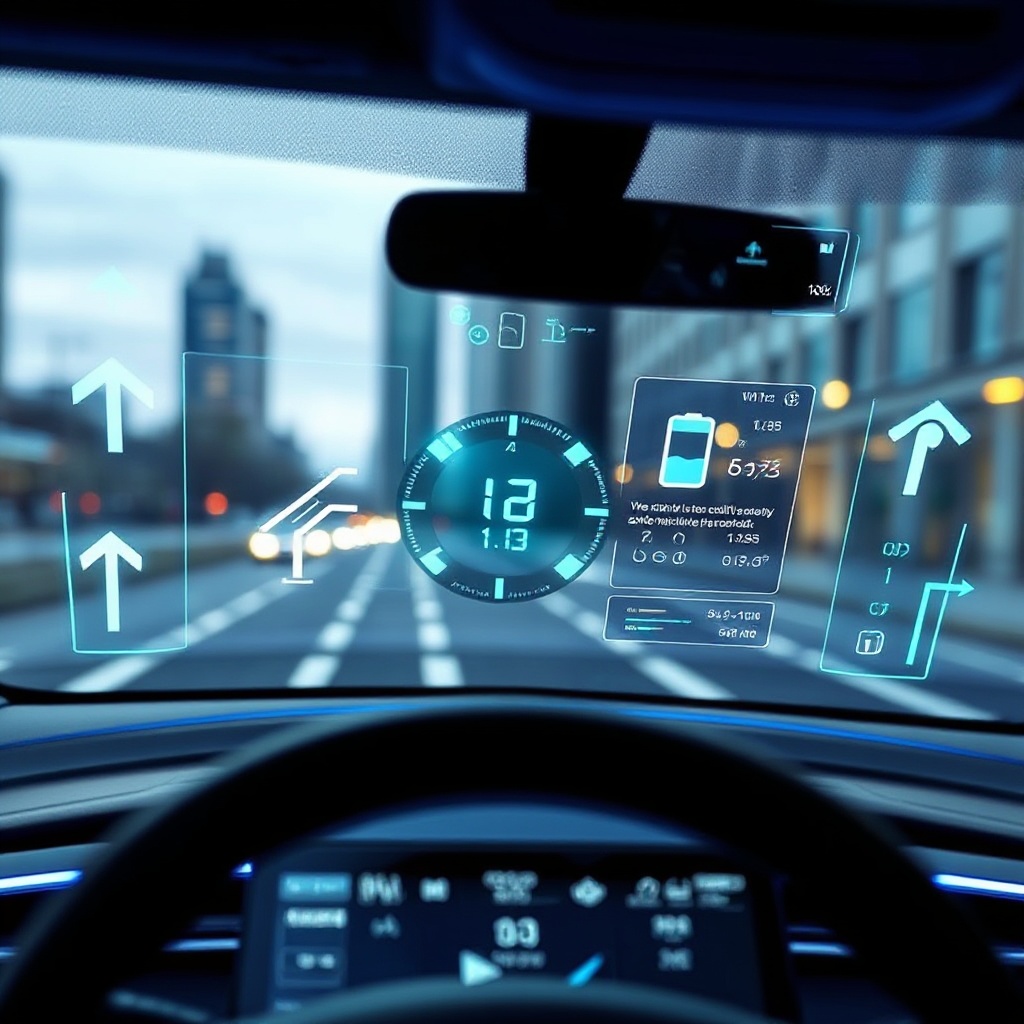
Augmented reality head-up displays (HUDs) are becoming standard features in connected and autonomous vehicles. These sophisticated systems embed displays directly into windshields, providing real-time navigation data, safety alerts, and vehicle information directly in the driver's line of sight. This seamless integration of digital information into the physical world represents a fundamental shift in how drivers interact with their vehicles and surrounding environment.
Collaborations between tech giants like Microsoft and Volkswagen are accelerating AR and smart glass integration. Glass designs are evolving to accommodate the various sensors, cameras, and communication systems required for advanced driver assistance systems (ADAS) and autonomous driving capabilities.
Leading EV manufacturers including Tesla, BYD, and Volkswagen are early adopters of these technologies, recognizing their potential to enhance the driving experience while supporting autonomous driving features. As these systems mature, they'll play an increasingly vital role in the transition toward fully connected, autonomous mobility.
Lightweight and Sustainable Glass: The EV Advantage
Lightweight glass solutions have become critical for maximizing electric vehicle range and battery life. Every gram saved in vehicle weight translates to extended range and improved efficiency – a vital consideration as manufacturers strive to address range anxiety concerns among potential EV buyers.
Glass manufacturers are increasingly adopting recyclable materials and energy-efficient production methods, embracing circular supply chain practices to reduce environmental impact throughout the product lifecycle. This focus on sustainability aligns with broader automotive industry trends and consumer preferences for eco-friendly transportation options.
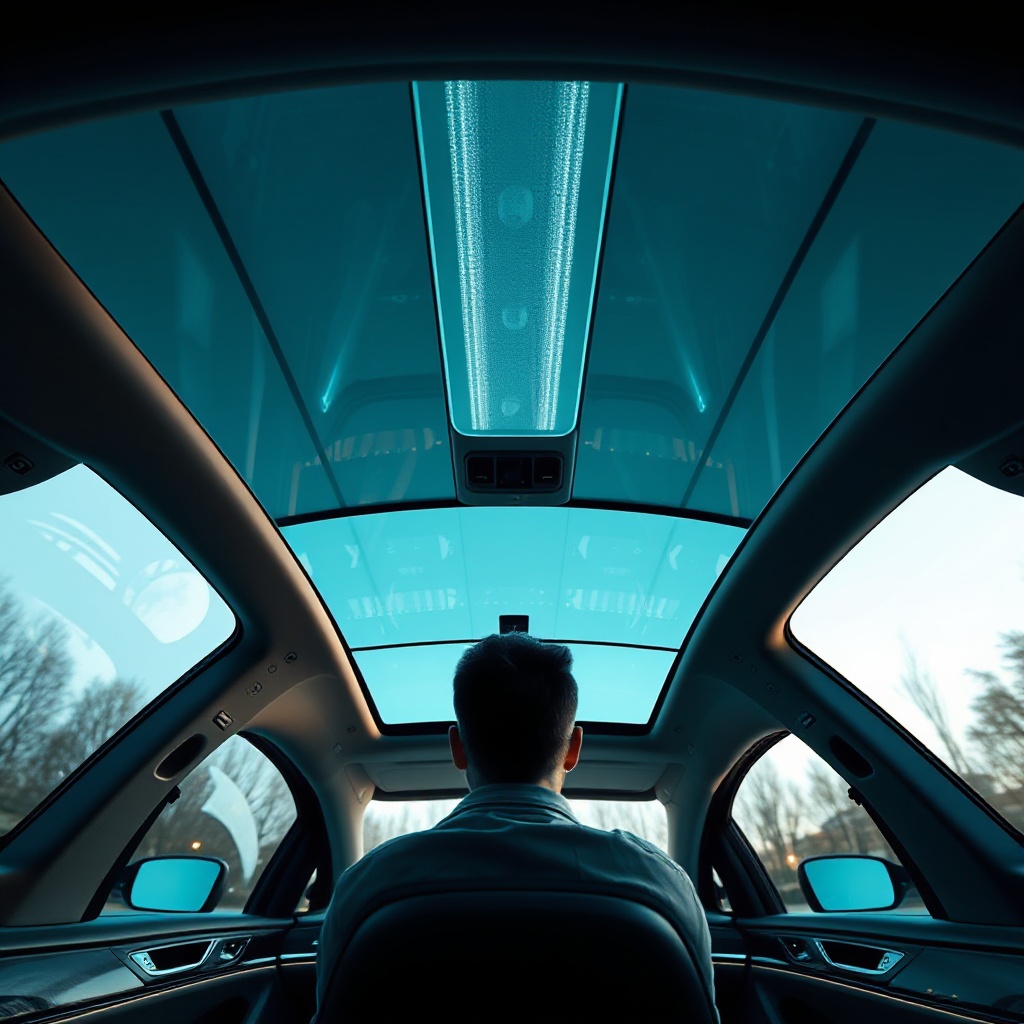
Panoramic glass solutions are gaining popularity in both EVs and luxury vehicles, offering aesthetic appeal and passenger comfort while utilizing innovative compositions that minimize weight. These design choices directly improve energy efficiency while meeting consumer expectations for premium experiences.
Safety and Regulatory Compliance: Driving Advanced Glazing Adoption
Laminated glass dominates the safety-focused segment of the automotive glass market, offering superior impact resistance and passenger protection. Strict governmental regulations worldwide are accelerating the deployment of these advanced glazing materials as safety standards continue to evolve.
Beyond basic safety, laminated glass provides better acoustic insulation, UV protection, and lower injury risk compared to traditional tempered glass. Solar control and smart coatings are improving thermal management while adding anti-glare, anti-fog, and other functional capabilities.
The regulatory framework is increasingly mandating safer, more efficient glass technologies that protect occupants while supporting broader goals around emissions reduction and energy efficiency. These requirements have become powerful drivers of innovation across the automotive glass industry.
High-Performance Glass Features Reshaping Consumer Expectations
Consumer demand is rising for premium features like panoramic sunroofs, noise reduction, and UV protection. Acoustic glass, solar-reflective windshields, and infrared polyvinyl butyral (IR PVB) interlayers are delivering superior comfort and energy savings in modern vehicles.
The aftermarket for enhanced windshields is growing, offering anti-glare, anti-fog, and self-cleaning options for existing vehicles. Features that were once exclusive to premium vehicles are increasingly expected in mainstream models as consumer awareness and demand for these technologies grows.
Personalization options are expanding through specialized glass treatments and coatings, allowing vehicle owners to customize their driving experience while benefiting from improved functionality. This trend toward personalization reflects broader consumer expectations for products that can be tailored to individual preferences.
Industry Leaders and the Competitive Landscape
The automotive glass sector features several key global players including AGC Inc., Saint-Gobain Sekurit, Fuyao Glass Industry Group, Nippon Sheet Glass, and Guardian Industries. Vehicle manufacturers like BMW AG, Mercedes-Benz, Audi, and Tesla are driving innovation from the OEM side, pushing for glass solutions that complement their vehicle designs and brand positioning.
Technology companies including LG Electronics and Vision Systems are bringing digital expertise to the automotive glass space, contributing to the convergence of automotive and tech sectors around advanced glass solutions. Competition is intensifying as these industries overlap and collaborate in new ways.
Strategic acquisitions are reshaping the competitive landscape and accelerating innovation timelines. Companies are combining complementary capabilities to develop integrated solutions that address multiple aspects of vehicle design and performance. This consolidation trend is likely to continue as the market matures and opportunities for differentiation emerge.
Sources
The Auto Channel: Automotive Glass Market Set to Reach USD 28.3 Billion
GlobeNewswire: Automotive Windshield Market Analysis Report 2025-2034
Future Market Insights: Automotive Glass Market
The Business Research Company: Automotive Glass Global Market Report
IMARC Group: Automotive Glass Market
IJEFM: Sustainable and Clean Energy - The Case of Tesla Company
Mordor Intelligence: Automotive Smartglass Market
IdeaPoke: The Future of Automotive Cockpit
Precedence Research: Autonomous Vehicle Market
Tony Blair Institute for Global Change: The Impact of AI on the Labour Market