Solar-powered Meshtastic nodes create resilient off-grid communication networks for emergency teams and expeditions when traditional infrastructure fails.

Drivetech Partners
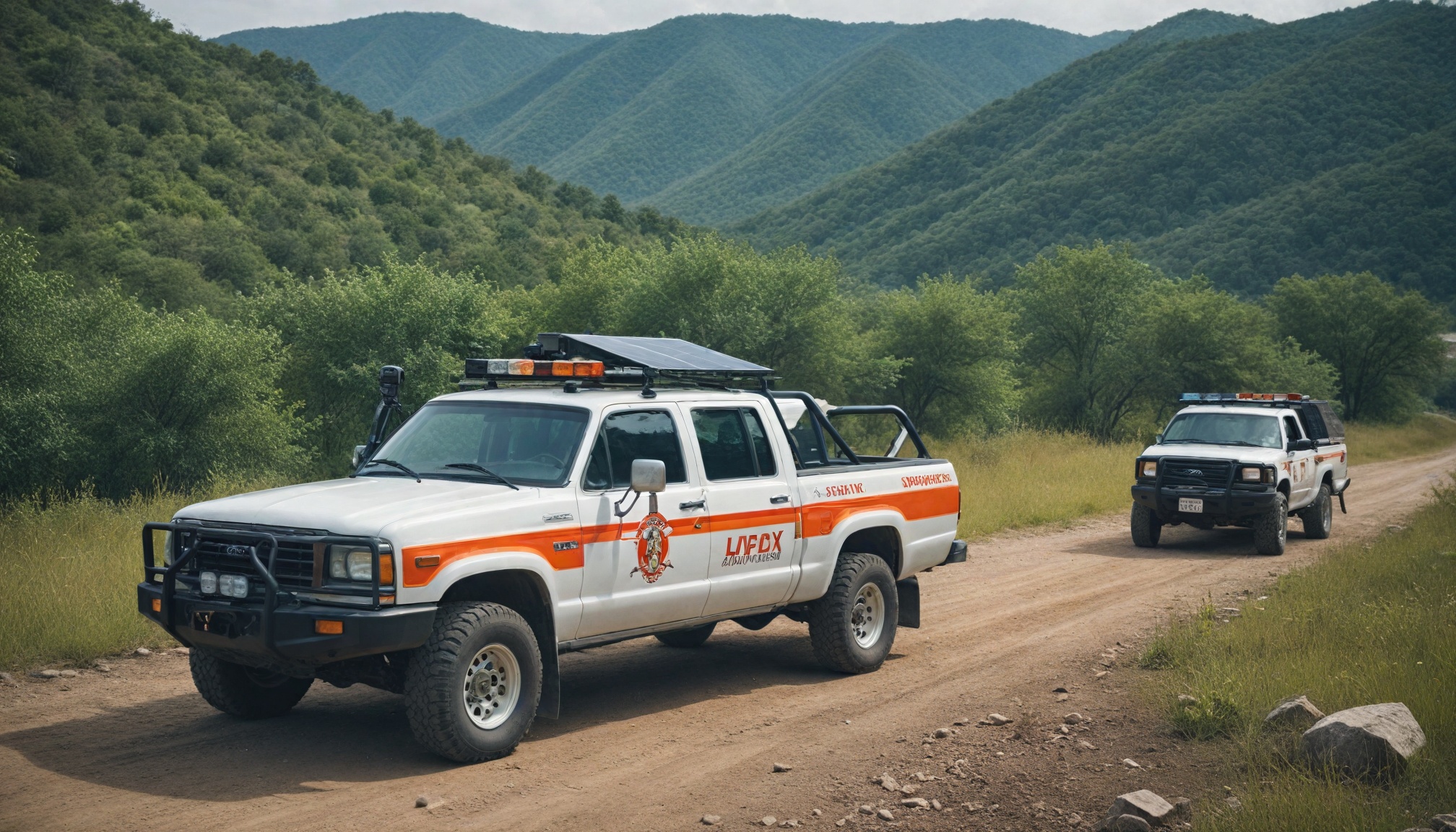
Solar-powered Meshtastic nodes like SpecFive's Voyager are revolutionizing emergency communications by creating self-sustaining mesh networks that function without cellular or internet infrastructure. These vehicle-mounted systems allow first responders, utility crews, and expedition teams to maintain critical communications in remote areas or disaster zones where traditional networks have failed or never existed.
Key Takeaways
- Solar-powered independence enables continuous operation for days without external power sources, making these systems ideal for extended deployments.
- Vehicle-mounted nodes create resilient mesh networks that relay messages between devices, extending range and overcoming terrain obstacles.
- The SpecFive Voyager delivers reliable communication with 1-3 mile urban range and 3-5 mile rural range per node.
- Multi-constellation GNSS tracking provides precise location services even in challenging environments with limited satellite visibility.
- Real-world applications include disaster response, search and rescue, utility infrastructure maintenance, and remote expeditions.

Revolutionizing Off-Grid Communications for Critical Operations
When traditional communication networks fail during natural disasters or in remote locations, emergency responders need alternatives. The SpecFive Voyager and similar solar-powered Meshtastic nodes address this critical need by creating independent mesh networks that function without relying on existing infrastructure.
These systems enable teams to send text messages, GPS coordinates, and essential data across distances that would otherwise require satellite phones or complex radio equipment. For emergency services, utility crews, and expedition teams, reliable communication can be lifesaving when working in connectivity dead zones.
Technical Foundation: Mesh Networking with Solar Independence
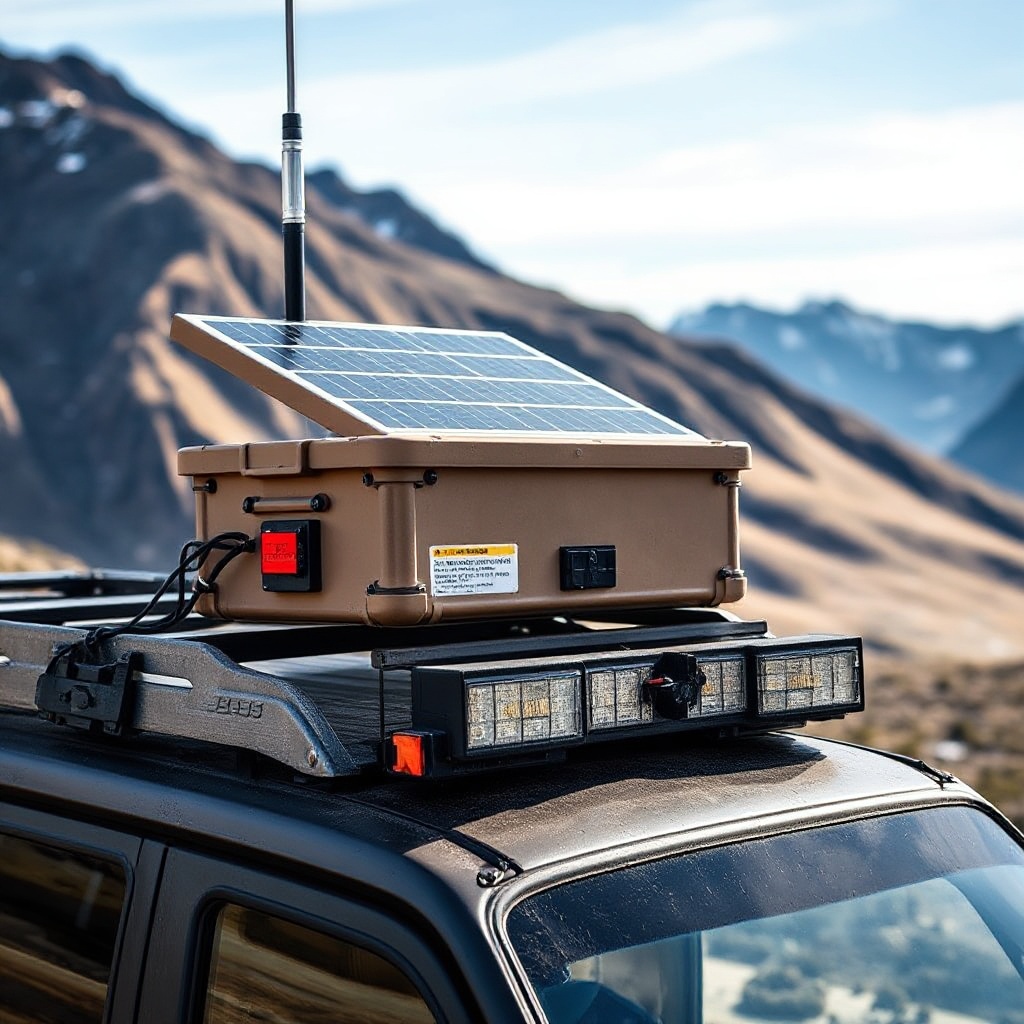
At the heart of these systems is Meshtastic, an open-source communications platform that leverages LoRa (Long Range) radio technology. The SpecFive Voyager specifically uses the SX1262 915 MHz LoRa transceiver to create decentralized, peer-to-peer networks that can transmit data over significant distances.
What makes this technology particularly powerful is its mesh networking capability. Each node can relay messages from other nodes, extending the effective range of the network. If one device can't directly reach another due to distance or obstacles, the message hops across intermediate nodes until it reaches its destination.
The Voyager achieves true off-grid independence through its power system:
- 6W monocrystalline solar panel for efficient energy collection
- 3,300 mAh LiPo battery for energy storage
- Up to 2 days of active use or 5 days on standby without sunlight
- Built-in Bluetooth LE for easy connection to smartphones and tablets
This combination of technologies creates a self-sustaining communication system that requires minimal maintenance and can operate indefinitely in suitable conditions.
Performance Metrics: Range, Durability, and Reliability in the Field
Field testing shows the SpecFive Voyager delivers impressive performance in real-world conditions. In urban environments with buildings and other obstacles, range typically extends 1–3 miles per node. In rural settings with fewer obstructions, that range increases to 3–5 miles.
For operations requiring even greater coverage, the Spec5 Relay nodes with their 50cm waterproof 8 dBi antennas can extend the network up to 10 miles in rural settings with clear line-of-sight. By strategically placing these relay nodes, teams can create extensive networks covering large operational areas.
Beyond communication range, these systems offer:
- Multi-constellation GNSS tracking (GPS, GLONASS, QZSS, BeiDou) for reliable location services
- Weatherproof enclosures that protect against dust, water, and extreme temperatures
- Smart power management with thermal fuse shutdown at 80°C to protect components
- Automatic recovery after power loss for continuous operation
These features ensure reliable performance in harsh conditions where equipment durability is paramount.
Emergency Response Applications: When Every Second Counts
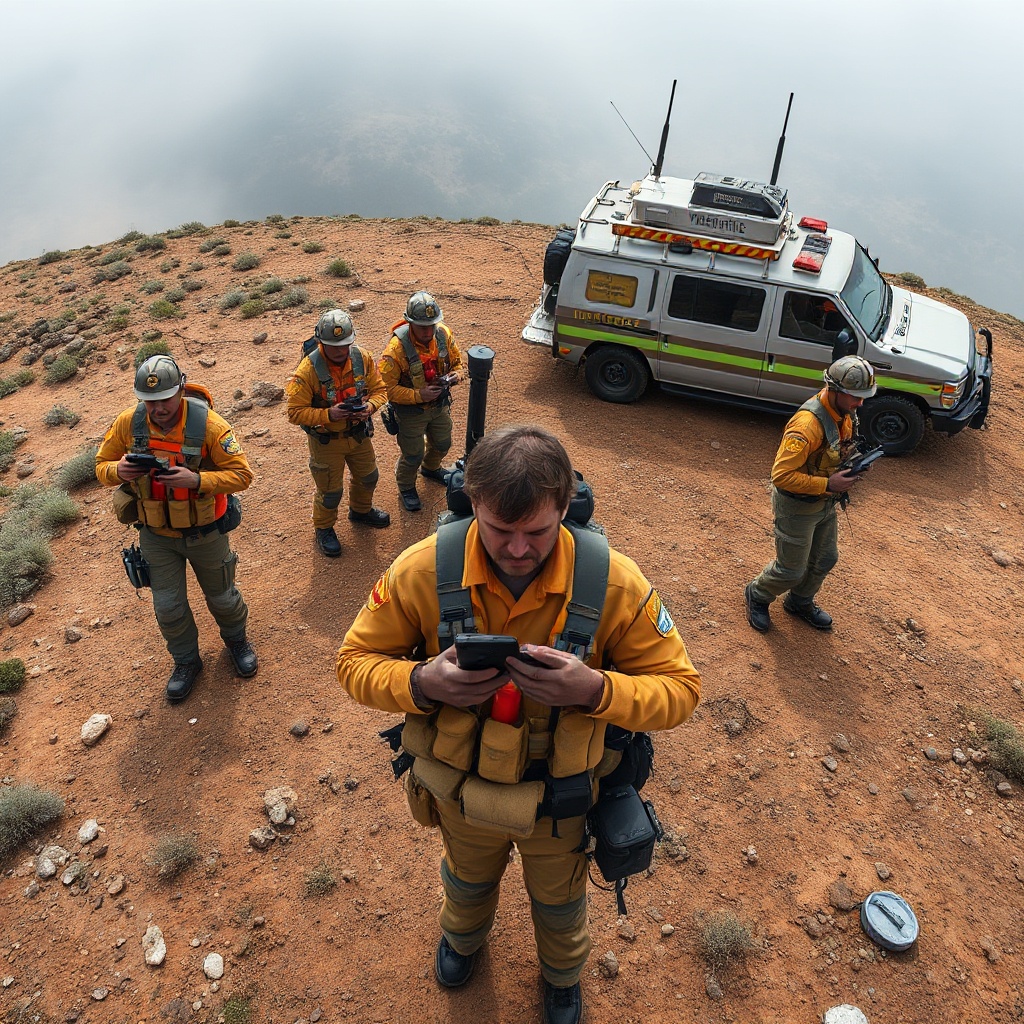
For emergency responders, communication failures can be catastrophic. When cellular networks are overloaded during major incidents or destroyed by disasters, Meshtastic nodes provide a reliable alternative communication channel.
Search and rescue operations benefit from real-time team tracking and secure messaging capabilities. Command posts can maintain contact with field teams, coordinate resources, and monitor the location of personnel even in challenging terrain. Preloaded web clients allow users to track GPS coordinates, send messages, and share status updates without any internet connection.
Integration with field software like ATAK (Android Team Awareness Kit) further enhances the system's utility by providing comprehensive situational awareness. Users report successful deployments during emergency operations with instant, secure texting and group monitoring even in complete connectivity dead zones.
Utility and Infrastructure Support: Keeping Essential Services Connected
Utility crews face similar communication challenges when working in remote areas to maintain or repair critical infrastructure. Solar-powered Meshtastic nodes provide persistent network coverage for safe operations during powerline maintenance, pipeline inspections, and remote facility monitoring.
The solar advantage is particularly valuable for utility applications, as demonstrated by solar-powered Femtofox builds that support 24/7 operations with 15W solar panels. These setups have shown continuous uptime even after extended cloudy periods, ensuring teams stay connected regardless of conditions.
Quick setup time—typically under 5 minutes—allows for rapid deployment during infrastructure emergencies. This ease of use, combined with self-healing network performance, makes these systems particularly valuable for infrastructure maintenance teams working in challenging environments.
Outdoor Expeditions and Research: Beyond the Reach of Civilization
For backpackers, scientific researchers, and expedition teams venturing far from civilization, reliable communication provides crucial safety. Automatic message relay, off-grid group coordination, and emergency signaling capabilities create a safety net for remote teams.
The Spec5 Nomad, powered by a Raspberry Pi 5, supports both field networking and robust peer-to-peer messaging for teams in mountains or remote work locations. Users highlight successful deployments keeping teams connected across large, rugged properties while traveling through connectivity dead zones.
Real-time GPS tracking ensures team members can be located even in challenging terrain, providing peace of mind for expedition leaders and emergency contacts. This capability can be lifesaving in emergency situations where coordinating help requires precise location information.
Hardware Comparison: Choosing the Right Node for Your Mission
SpecFive offers several node options, each designed for specific deployment scenarios:
- SpecFive Voyager ($229.99, $219.99 intro): Vehicle-mounted with magnetic attachment, 6W solar, 3300 mAh LiPo, 1-3 mi urban/3-5 mi rural range, multi-constellation GNSS, ASA weatherproof enclosure
- Spec5 Relay: Standalone/relay unit, 12W solar, 2x 18650 LiPo, 1-3 mi urban/5-10 mi rural range, PETG housing with waterproof antenna
- Spec5 Nomad: Handheld unit with Raspberry Pi 5, internal battery, integrated GPS, ruggedized portable design
The ideal network combines these different node types to create comprehensive mesh coverage. Vehicles equipped with Voyager units act as mobile relay points, fixed Relay nodes extend coverage in strategic locations, and team members carry Nomad units for personal communication.
Implementation Strategy: Building Resilient Communication Networks
Creating an effective mesh network requires thoughtful planning and strategic node placement. For maximum coverage, teams should consider:
- Positioning relay nodes at high points with good line-of-sight
- Ensuring vehicle-mounted nodes are distributed throughout the operational area
- Maintaining sufficient node density to provide reliable message hopping
- Testing network coverage before critical operations
The plug-and-play nature of solar-powered Meshtastic nodes makes implementation relatively straightforward, with minimal training requirements for end users. This ease of deployment, combined with seamless integration with existing tools, contributes to the real-world success of these systems.
For agencies requiring off-grid resilience in mission-critical scenarios, these systems offer a cost-effective solution compared to satellite phones or traditional radio infrastructure. Their rugged, weatherproof hardware and autonomous power deliver reliable performance during long deployments in harsh environments, making them an invaluable tool for teams operating beyond the reach of conventional communications.
Sources
SpecFive: Official Website
SpecFive: Spec5 Meshtastic Relay
YouTube: Ultimate Solar Build with Femtofox
Kalkine Media: SpecFive Unveils Voyager
YouTube: Spec5 Nomad First Impressions
YouTube: Meshtastic Implementation