Smart home systems revolutionize energy use by prioritizing renewables for homes and EVs, with AI-powered scheduling saving 10-30% on energy costs while maximizing solar utilization.

Drivetech Partners
Smart home energy management systems are revolutionizing how households consume and control energy by automatically prioritizing renewable power sources and off-peak electricity for both home use and electric vehicle charging. These intelligent systems, exemplified by products like the EcoFlow PowerPulse 40A EV charger, enable homeowners to maximize solar energy utilization while minimizing costs through AI-powered scheduling and real-time monitoring capabilities.
Key Takeaways
- The global Home Energy Management Systems market is projected to grow from $4.0 billion in 2025 to $20.4 billion by 2035
- Smart EV chargers can automatically prioritize solar power and switch to off-peak grid electricity when needed
- Plug-and-play installation with NEMA 14-50P compatibility makes adoption simple for homeowners
- Weather-resistant designs ensure year-round operation in varied climates (from -30°C to 50°C)
- Households can achieve 10-30% energy savings through smart energy management integration
The Growing HEMS Market
The Smart Home Energy Management Systems (HEMS) market is experiencing remarkable growth worldwide. With projections showing an increase from $4.0 billion in 2025 to $20.4 billion by 2035, the sector boasts an impressive compound annual growth rate of 17.7%. This expansion isn't limited to a single region, with North America leading at 25.22% market share, followed by Europe (21.59%), Asia Pacific (19.85%), and South America (8.49%).
Several factors are driving this market acceleration. Rising energy costs have made consumers more conscious about their consumption habits. The global push for energy efficiency and sustainability has also played a significant role, alongside growing EV adoption and government incentives promoting renewable energy integration. As these trends continue, smart home energy systems will become increasingly central to residential energy management.

Maximizing Renewable Energy Usage
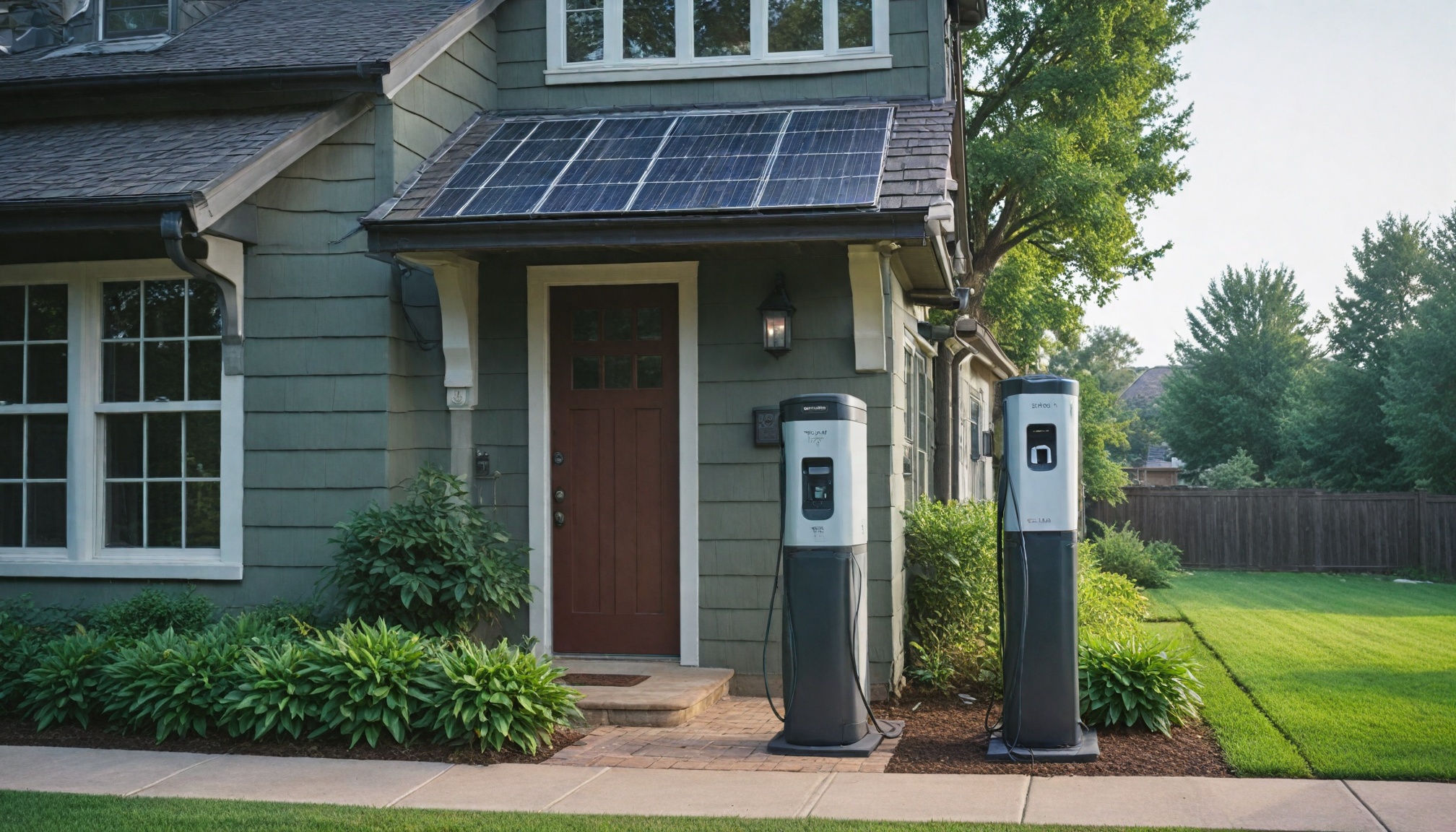
The true power of modern HEMS lies in their ability to intelligently prioritize energy sources. Systems like the EcoFlow PowerPulse 40A EV charger automatically favor solar power when available, only drawing from the grid during off-peak hours when rates are lowest. This AI-powered scheduling creates a seamless experience that maximizes renewable utilization while minimizing electricity costs.
For households with solar panels, this means EV charging can happen with free solar energy during sunny days. When solar isn't available, the system automatically shifts to use low-rate, off-peak electricity based on utility plans programmed into the companion app. For a household with 10kWh daily charging needs paying $0.30 per kWh, this optimization can translate to hundreds of dollars in annual savings.
EV Charging: The Heart of Home Energy Ecosystems
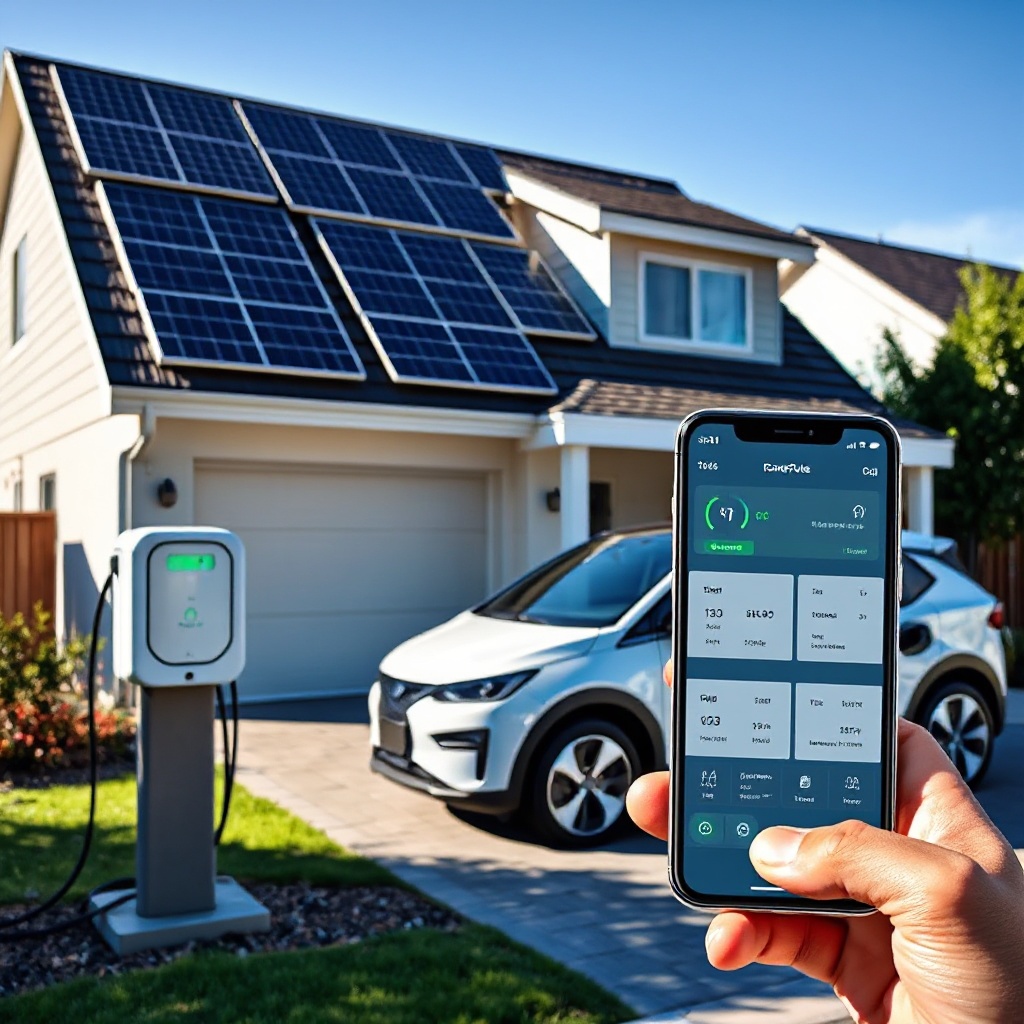
Electric vehicle charging has quickly become one of the fastest-growing segments in the smart home energy market. With EV adoption accelerating globally, integrating charging into home energy management is a natural evolution. These systems create daily schedules that prioritize solar and off-peak electricity, enabling EV owners to charge their vehicles at minimal or zero cost.
The hardware component of HEMS—including smart meters, control panels, and chargers—accounts for approximately 58.4% of market revenue. WiFi-based solutions dominate with nearly half the market share (48.7%) due to their easy integration and familiarity. Looking ahead, EV charging integration will be central to future home energy ecosystems, combining resilience, flexibility, and efficiency in a comprehensive package.
Simplified Installation and Compatibility
One of the biggest barriers to adopting new technology is complexity, but modern HEMS solutions have addressed this challenge. Products like the EcoFlow PowerPulse feature plug-and-play compatibility via NEMA 14-50P outlets, eliminating the need for complex hardwiring and making installation accessible to homeowners.
Compatibility across EV brands is equally important. The EcoFlow PowerPulse supports major connector standards including SAE J1772 and NACS (through adapters), ensuring it works with virtually all electric vehicles on the market. Its interoperability extends to companion products like the EcoFlow DELTA Pro Ultra and Smart Home Panel 2, creating a cohesive energy ecosystem. Multiple communication protocols—Bluetooth, WiFi, CAN, RS485, and OCPP1.6-J—further enhance its flexibility and user-friendliness.
Weather Resilience for Year-Round Operation
For outdoor energy equipment, weather resilience is essential. The EcoFlow PowerPulse carries a NEMA Type 4 certification, making it both weatherproof and dustproof for reliable operation in diverse environments. Its impressive operational temperature range of -30°C to 50°C (-22°F to 122°F) ensures functionality across seasons, from harsh winters to scorching summers.
Additional features enhance its practicality for everyday use. Low noise operation (≤35dB at 1 meter) keeps it unobtrusive, while robust fire-proofing (5V UL 2594 certified) provides safety assurance. Its compact design (333 x 226 x 145 mm, weighing just 6.2 kg) makes it suitable for both indoor and outdoor installation, offering flexibility in placement while maintaining performance in all conditions.
Consumer Empowerment Through Energy Insights
Beyond the practical benefits of cost savings, smart home energy management systems empower consumers with unprecedented insight into their energy usage. These systems can help households achieve 10-30% energy savings through optimized consumption patterns and automated efficiency measures. Real-time dashboards display energy flow, allowing users to track their carbon footprint and make informed decisions.
This increased visibility and control helps maximize renewable adoption and reduce emissions, giving homeowners a tangible way to participate in sustainability efforts. While lighting control currently dominates the HEMS product segment (36.9% of market revenue by 2025), EV charging integration is rapidly gaining ground as more consumers seek comprehensive energy solutions that address both home and transportation needs.
Market Penetration and Future Outlook
The adoption of smart energy management systems is accelerating globally. Household penetration rates are projected to rise from approximately 26.3% in 2025 to 30.4% by 2029. Europe and North America continue to lead adoption, but rapid growth is expected in Asia-Pacific and Latin America regions as awareness increases and costs decrease.
Looking ahead, the integration of EV charging with broader smart home ecosystems will likely drive further adoption. As households increasingly view their energy consumption holistically—combining home, vehicle, and renewable generation—comprehensive solutions like the EcoFlow PowerPulse will become standard components of modern energy management. This shift represents not just a technological evolution but a fundamental change in how consumers interact with and control their energy usage.
EcoFlow PowerPulse: Smart EV Charging in Action
The EcoFlow PowerPulse exemplifies the potential of integrated smart charging solutions. With output power of up to 40A/9.6kW, it can add approximately 35 miles of range per hour to a Tesla Model 3, making it practical for daily charging needs. Its seamless integration with home solar systems automatically prioritizes renewable energy, switching to off-peak grid electricity only when solar isn't available.
The device's 3-year warranty provides peace of mind, while its compatibility with various EV models through industry-standard connectors ensures it remains useful even if users change vehicles. This combination of power, intelligence, and flexibility makes the PowerPulse a compelling example of how smart charging technology can enhance both sustainability and convenience for EV owners.
Sources:
Future Market Insights - Home Energy Management Systems Market
EcoFlow - PowerPulse EV Charger
Cognitive Market Research - Smart Home Energy Management System Market Report
The Chill Brothers - Smart Home and HVAC: How Energy Management is Shaping Future Spending
Grand View Research - Smart Home Energy Monitoring Devices Market Report