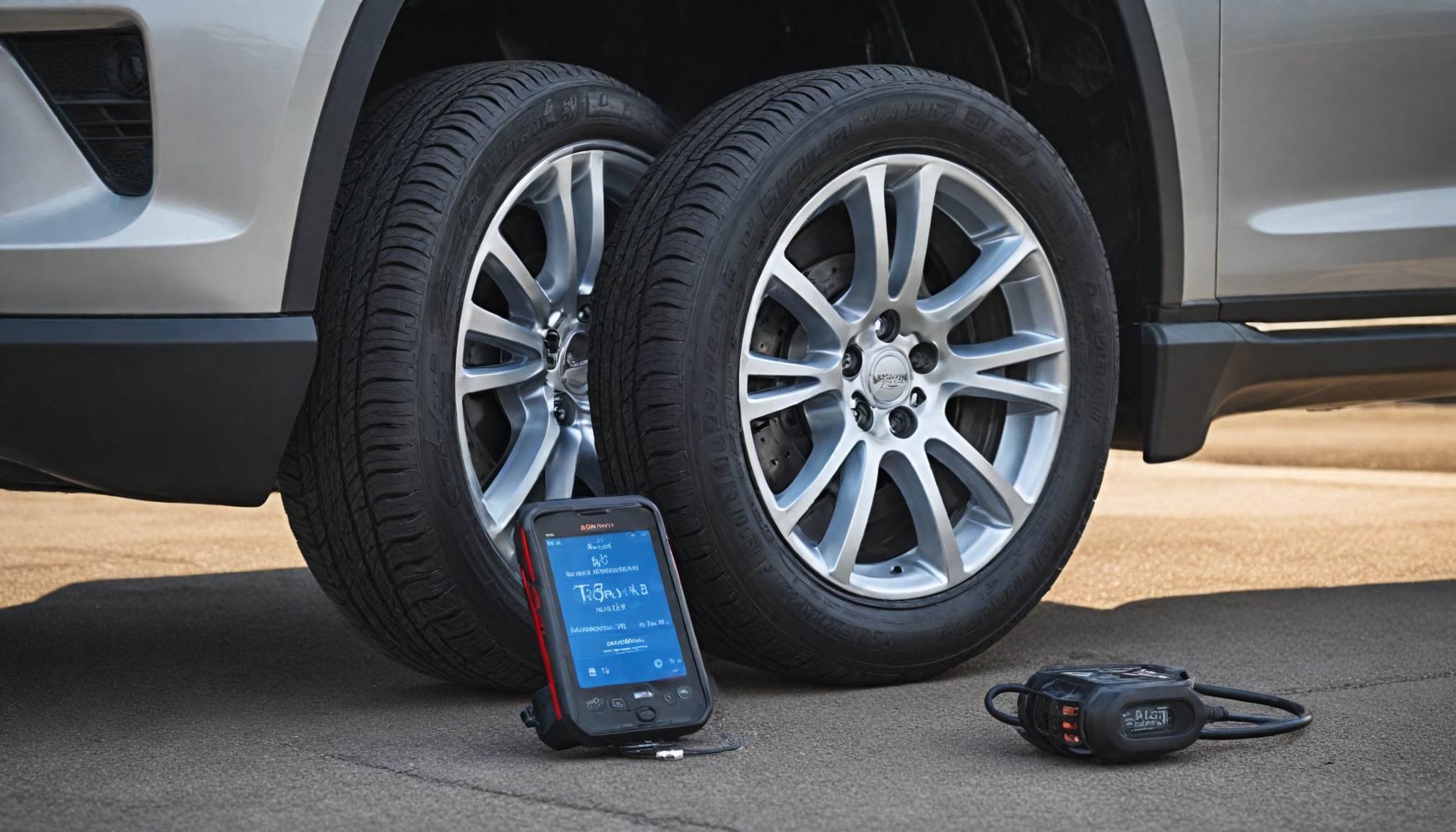
Advanced TPMS evolves beyond safety to enhance EV performance, using multi-parametric sensors and predictive analytics to optimize range and reduce energy consumption by up to 15%.

Drivetech Partners
Modern tire pressure monitoring systems have evolved from basic safety devices into sophisticated data hubs that enhance vehicle performance, efficiency, and maintenance planning. This transformation is particularly significant for electric vehicles, where advanced TPMS technology directly impacts range optimization and battery efficiency by ensuring optimal tire conditions through real-time monitoring and predictive analytics.
Key Takeaways
- Next-generation TPMS can contribute to up to 15% reduction in energy consumption compared to traditional maintenance approaches
- Modern sensors measure not just pressure but also temperature, load, and footprint length for comprehensive tire health analysis
- Bluetooth Low Energy connectivity enables extended battery life of 5-10+ years versus 3-5 years for traditional systems
- Integration with vehicle systems allows for predictive maintenance rather than simple reactive alerts
- TPMS has become a critical component of sustainable fleet management and EV range optimization

The New Generation of Tire Pressure Monitoring Systems
The humble TPMS has undergone a remarkable transformation in recent years. What began as a simple safety feature mandated by regulatory bodies has evolved into a sophisticated component of connected vehicle architecture. Modern systems no longer simply alert drivers to dangerously low tire pressure – they provide comprehensive data that informs maintenance decisions, optimizes vehicle performance, and contributes to sustainability goals.
This evolution comes at a perfect time as electric vehicles gain market share. In EVs, where range anxiety remains a concern, proper tire inflation directly impacts energy consumption and range. Next-generation TPMS technology helps maximize efficiency by ensuring optimal tire conditions at all times, contributing to up to 15% reduction in energy consumption compared to traditional maintenance approaches.
Advanced Sensor Technology Driving TPMS Innovation

At the heart of this evolution are highly miniaturized multi-parametric sensors that fit discreetly inside tires and on tire liners without affecting vehicle dynamics. These advanced sensors go far beyond simple pressure readings, collecting data on:
- Tire pressure (with greater accuracy than previous generations)
- Temperature (crucial for detecting potential failure points)
- Tire load (allowing for dynamic weight distribution analysis)
- Centerline footprint length (FPL) for wear estimation
- Precise tire location for individualized monitoring
This expanded data collection enables detailed diagnostic capabilities that were impossible with first-generation TPMS. By tracking these multiple parameters simultaneously, modern systems can detect subtle changes in tire condition long before they become visible problems, allowing for truly proactive maintenance.
Wireless Connectivity: The Backbone of Real-Time Tire Monitoring
The effectiveness of next-gen TPMS relies heavily on reliable wireless connectivity. Today's systems leverage multiple wireless communication protocols to ensure data flows seamlessly from tire sensors to vehicle systems:
- UHF radio (433MHz in Europe, 315MHz in most other regions)
- Bluetooth Low Energy (BLE)
- CAN bus integration for direct vehicle system communication
BLE technology has become particularly valuable in modern TPMS due to its encryption capabilities and efficiency. Compared to traditional UHF systems, BLE-enabled sensors offer configurable data rates and dramatically improved battery life – 5-10+ years versus the 3-5 years typical of older systems. This longevity reduces maintenance needs and ensures continuous protection throughout the tire's lifespan.
Continuous monitoring as frequent as every 4 seconds provides immediate alerts for pressure deviations, slow leaks, and hazardous conditions. This rapid response capability is especially important for electric vehicles, where maintaining optimal tire pressure directly impacts range and efficiency.
Seamless Integration with Vehicle Systems and Cloud Platforms
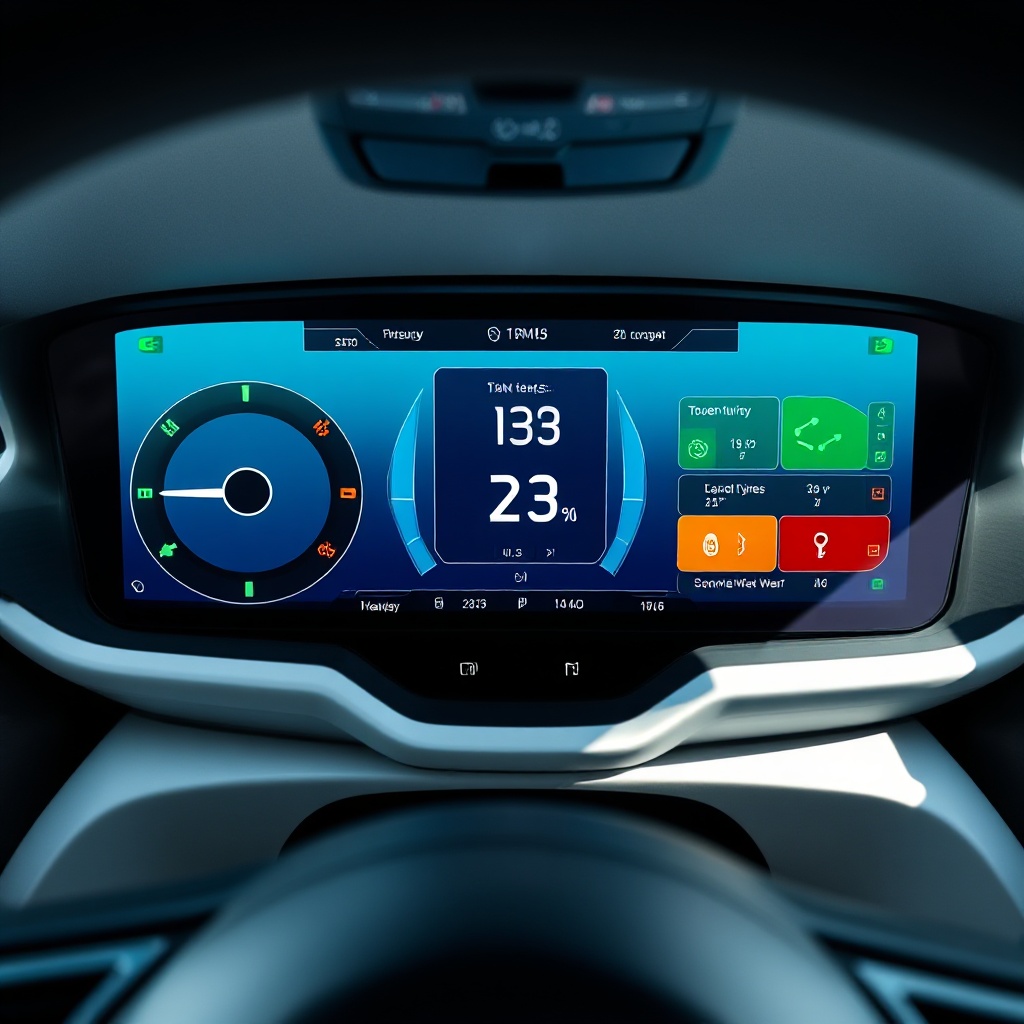
Modern TPMS doesn't operate in isolation – it's fully integrated into the broader vehicle ecosystem. Data from tire sensors now flows seamlessly into:
- Onboard diagnostics (OBD) systems
- Telematics platforms for remote monitoring
- Cloud-based fleet management solutions
- Mobile applications for driver alerts and information
This integration is made possible through APIs and gateway devices that aggregate tire data with other vehicle information. The real-time combination of tire data, GPS location, and engine ECU readings supports accurate predictive analytics that couldn't exist with tire information alone.
For commercial applications, the development of battery-powered and solar-powered gateways has been particularly significant. These innovations allow for TPMS deployment on trailers and remote fleets that lack consistent access to vehicle power, expanding the benefits of smart tire monitoring to previously underserved segments of the transportation industry.
Predictive Maintenance: From Reactive to Proactive Tire Management
Perhaps the most transformative aspect of next-generation TPMS is the shift from reactive alerts to predictive maintenance capabilities. Traditional systems simply warned drivers when tire pressure dropped below a threshold – useful, but limited. Modern systems use continuous data streams and sophisticated algorithms to anticipate potential issues before they occur.
This predictive approach enables maintenance to be scheduled based on actual tire condition rather than arbitrary time intervals. The benefits include:
- Reduced vehicle downtime through planned rather than emergency maintenance
- Prevention of road accidents caused by tire failures
- Extended tire life through early intervention
- Optimized maintenance scheduling for fleet operators
Unlike traditional TPMS that relies on simple threshold alerts, next-gen systems employ physics-based predictive algorithms that consider multiple parameters and historical patterns to identify developing issues with remarkable accuracy.
Energy Efficiency and Sustainability Benefits
For electric vehicles especially, maintaining optimal tire pressure directly impacts range and efficiency. Properly inflated tires reduce rolling resistance – the energy lost as tires deform against the road surface. This reduction in resistance translates to improved range and reduced energy consumption for EVs and better fuel economy for combustion vehicles.
The sustainability benefits extend beyond energy savings. Proper inflation also extends tire life by promoting even wear patterns and reducing heat damage. This longevity means fewer tires produced and disposed of over a vehicle's lifetime, further reducing environmental impact.
The combined environmental benefits include:
- Minimized greenhouse gas emissions through improved efficiency
- Reduced raw material consumption for tire production
- Decreased waste from premature tire disposal
- Support for regulatory compliance with emissions standards
Commercial Applications and Fleet Management Solutions
While individual vehicle owners benefit from next-gen TPMS, the technology has been particularly transformative for commercial fleets. Fleet operators can now monitor tire conditions across entire vehicle networks in real-time, with data transmitted to central cloud platforms for analysis and action.
This centralized approach supports:
- Automated reporting for regulatory compliance
- Route optimization based on vehicle condition
- Predictive maintenance scheduling to minimize downtime
- Comprehensive fleet health analysis
Several providers have developed specialized commercial TPMS solutions, including:
- Revvo Technologies TireIQ with real-time analytics and API integration
- SpartanLync Valor Commercial TPMS featuring 4-second update intervals
- Goodyear's next-generation research measuring tire footprint length for deeper insights
- Aperia Technologies' predictive TPMS combined with automatic tire inflation
Future Directions: TPMS as a Pillar of Smart Mobility
As vehicle technology continues to evolve, TPMS will become increasingly central to smart mobility solutions. Integration with autonomous vehicle systems will enable self-monitoring and potentially self-maintaining transportation, where vehicles can identify and address tire issues with minimal human intervention.
For electric vehicles, advanced TPMS will play an expanding role in range optimization and battery management. By maintaining ideal tire conditions at all times, these systems will help address range anxiety and improve overall EV adoption.
In commercial transport, TPMS will grow in importance for regulatory compliance with increasingly strict emissions standards. As governments worldwide push for greener transportation, the ability to demonstrate optimal vehicle efficiency through proper tire maintenance will become a competitive advantage for forward-thinking fleet operators.
The evolution of TPMS represents a perfect example of how a relatively simple safety technology can transform into a cornerstone of smart, sustainable transportation. From basic pressure warnings to comprehensive predictive maintenance, TPMS has come a long way – and its journey is far from over.
Sources
Navixy: Wireless Telematics Sensors
Artesis: How Can Predictive Maintenance Contribute to Energy Efficiency?
SpartanLync: Commercial Vehicle TPMS
Aperia Technologies: The Power of Automatic Tire Inflation and Predictive TPMS
Revvo: Tire Sensor Options