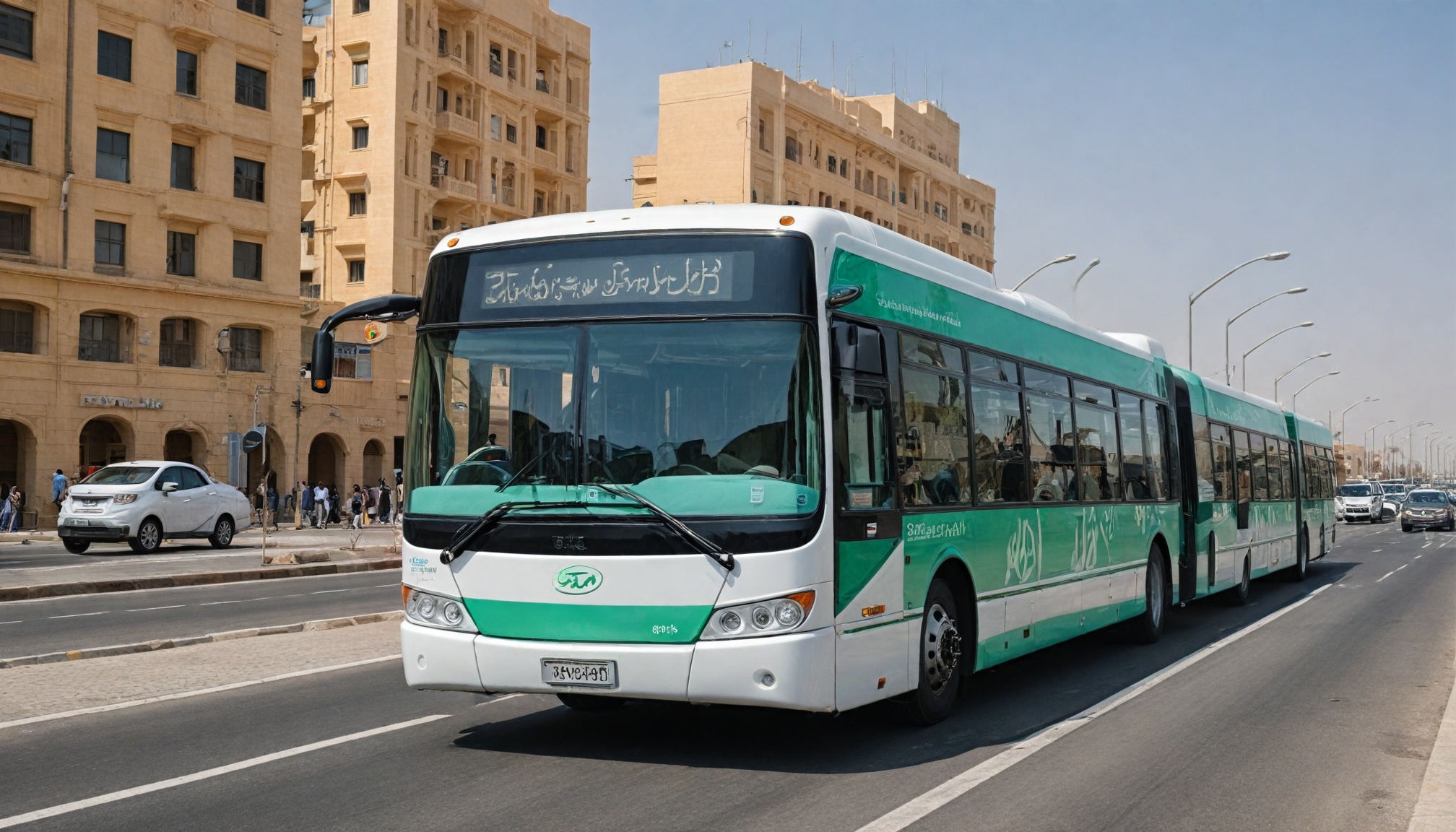
Jeddah launches revolutionary bus network with 14 routes and 91 modern buses, serving 9 million passengers annually through a tech-driven system supporting Vision 2030 sustainability goals.

Drivetech Partners
Jeddah's public transportation system is undergoing a revolutionary transformation with the introduction of an extensive bus network designed to reshape urban mobility across the city. The recent inauguration of 14 comprehensive routes and a fleet of 91 modern buses demonstrates Saudi Arabia's commitment to developing sustainable public transportation solutions while advancing the environmental objectives outlined in Vision 2030.
Key Takeaways
- Jeddah's new transport network features 14 comprehensive routes and 91 modern buses including 3 fully electric vehicles
- The system is projected to serve 9 million passengers annually with 117 air-conditioned stations throughout the city
- The "Jeddah Buses" mobile app provides real-time tracking and digital ticketing options for enhanced user experience
- Modern buses include USB charging ports, surveillance systems, and comprehensive accessibility features
- This initiative directly supports Vision 2030 sustainability goals by reducing private vehicle dependency
Jeddah's Ambitious Bus Network Expansion
Jeddah's transportation landscape is being reimagined through an ambitious expansion of its public bus network, officially launched on May 8, 2025, by Jeddah Mayor Saleh Al-Turki. The project introduces 14 comprehensive routes strategically designed to connect the northern, southern, eastern, and western sections of the city, ensuring widespread coverage for residents and visitors alike.

The heart of this transportation revolution is a modern fleet consisting of 91 state-of-the-art buses. This includes 88 environmentally friendly Euro 5 diesel buses and 3 fully electric buses, marking the city's first step toward zero-emission public transport. The diesel buses accommodate 41 seated and 50 standing passengers, while the electric models carry 34 seated and 38 standing passengers.
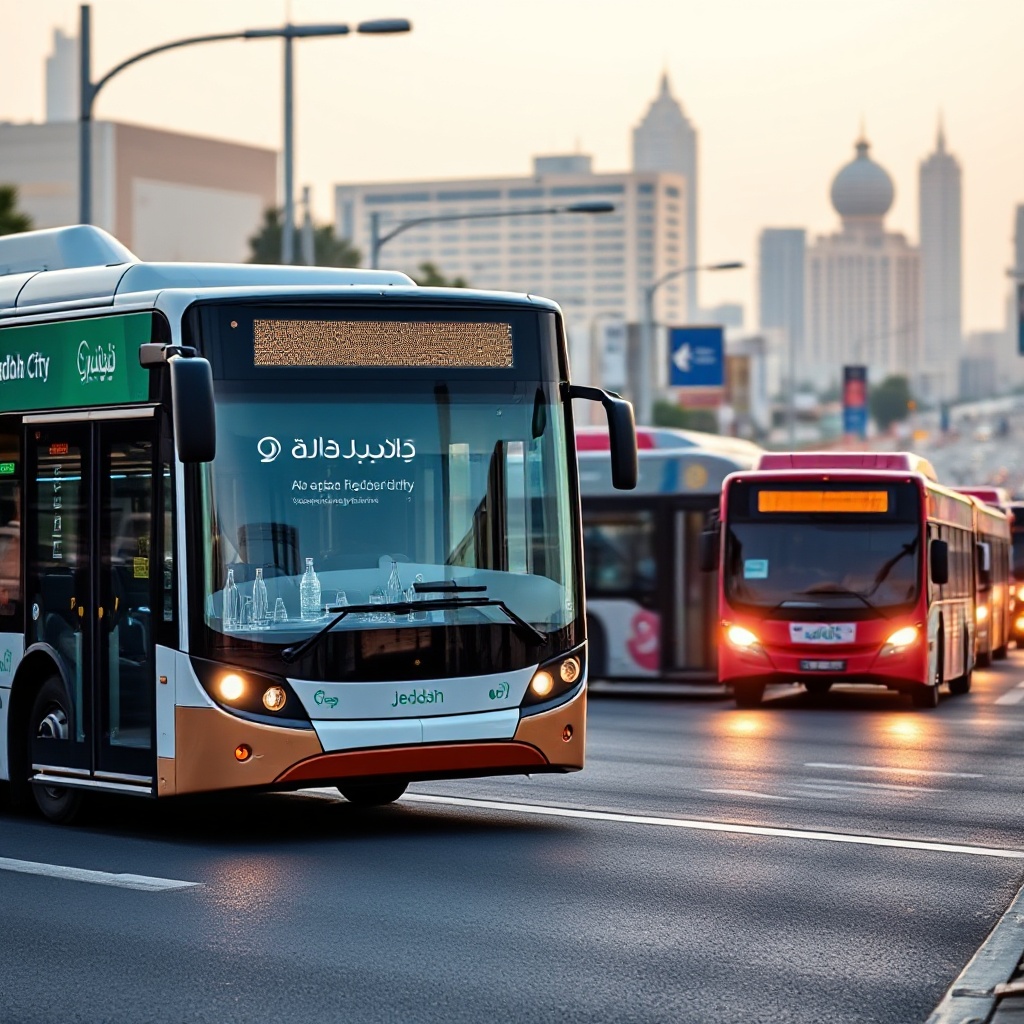
With projected ridership of 9 million passengers annually (27 million over three years), this expansion represents a significant shift in how people move throughout Saudi Arabia's second-largest city. The network has been carefully planned to serve key destinations including King Abdulaziz International Airport, Central Vegetable Market, Jeddah University, and Industrial City, as well as popular residential areas such as Al Khalidiyah, Al-Samer, and Al-Hamra.
State-of-the-Art Infrastructure and Connectivity
The backbone of Jeddah's new transportation system includes 117 air-conditioned stations strategically positioned across the city. Of these, 46 stations are already operational, while 71 additional stations are currently under implementation. This extensive station network is complemented by 80 carefully placed bus stops serving key locations throughout Jeddah.
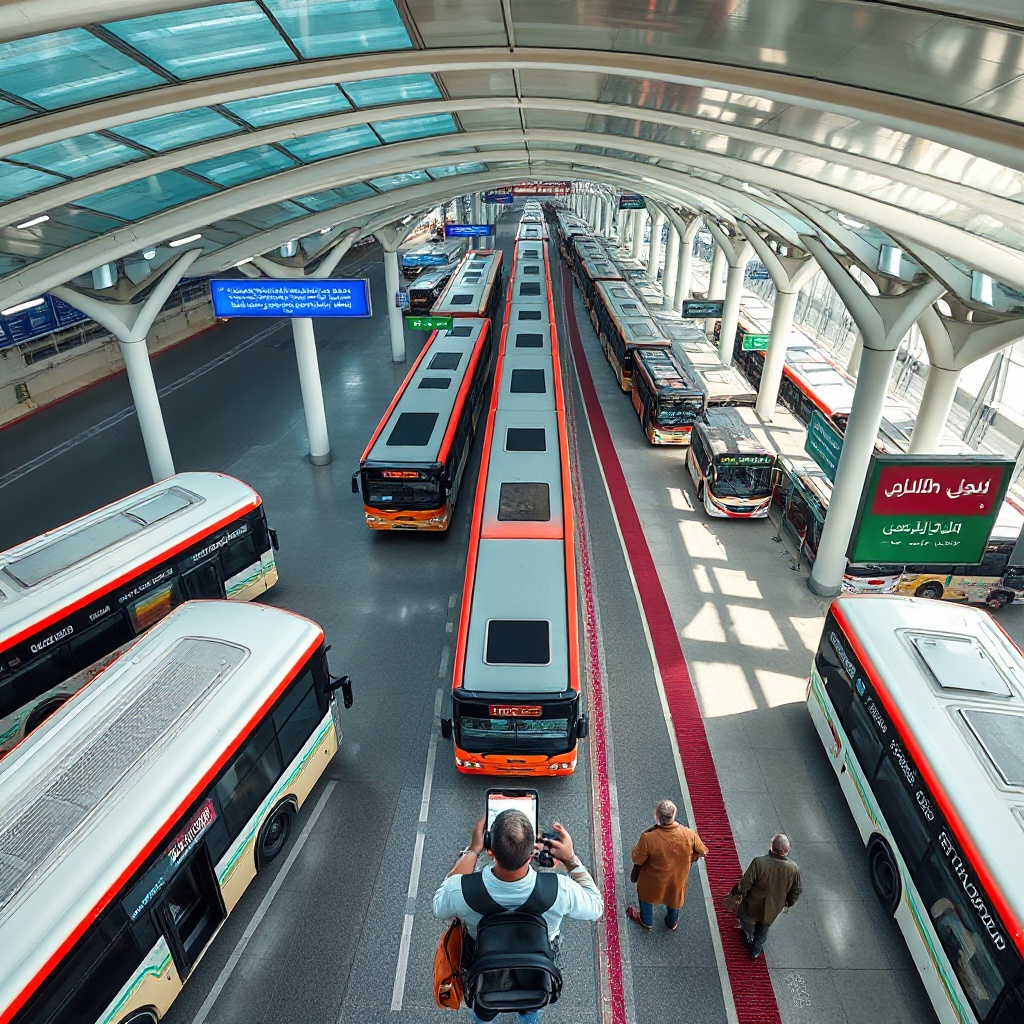
A critical aspect of this infrastructure is its connectivity to the Haramain Station, providing routes to major Saudi cities including Riyadh, Khamis Mushait, Abha, and Najran. This integration creates a comprehensive transportation network that extends beyond Jeddah, linking the coastal city to destinations across the Kingdom.
The infrastructure development focuses on passenger comfort and convenience, with climate-controlled stations shielding riders from Jeddah's intense heat. Each station features clear signage, waiting areas, and information displays, creating a user-friendly environment for both regular commuters and first-time users.
Technology-Driven Passenger Experience
The Jeddah bus network embraces modern technology to enhance the passenger experience through the "Jeddah Buses" mobile application. Available on both Apple Store and Google Play, this app provides real-time tracking capabilities allowing passengers to monitor their bus location and expected arrival times.
Digital ticketing has been seamlessly integrated into the system, offering flexible payment options including in-app purchases or Mada card payments directly on buses. This cashless approach streamlines the boarding process and improves operational efficiency.
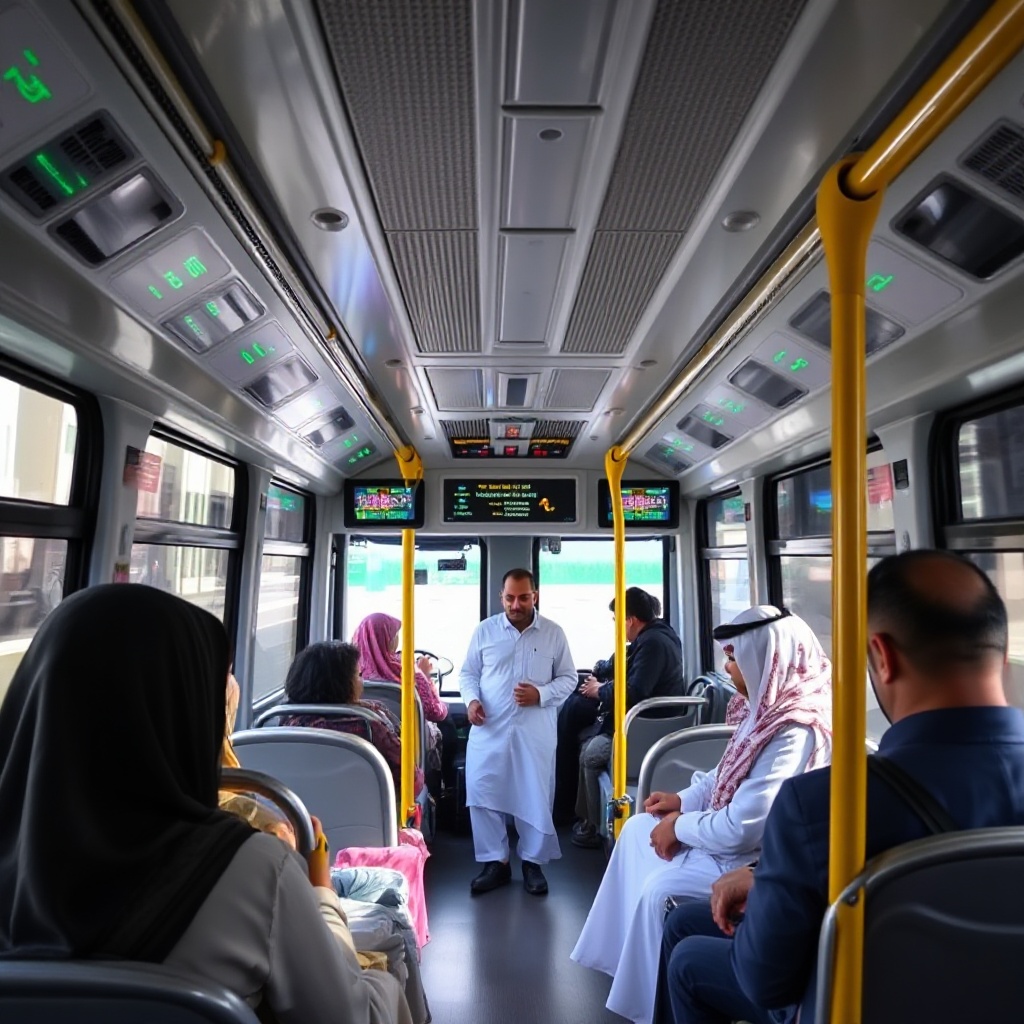
The buses themselves are equipped with modern amenities designed to enhance the journey experience:
- USB charging ports for mobile devices
- Internal information displays showing route details and upcoming stops
- 14 internal and external surveillance cameras per bus enhancing passenger safety
- GPS tracking system integrated with an operational control panel
- Comprehensive accessibility features for people with disabilities
Strategic Partnerships Driving Implementation
The successful implementation of Jeddah's public transportation overhaul is the result of strategic partnerships between key stakeholders. The project is led by the Jeddah Mayoralty in collaboration with the Saudi Public Transport Company (SAPTCO) and Jeddah Transport Company (JEDTC), combining governmental oversight with operational expertise.
These buses were sourced from one of the world's leading manufacturers, ensuring high quality and reliability. Additionally, SAT, a SAPTCO subsidiary, has inaugurated a new station at Haramain in Jeddah, further enhancing the connectivity of the transportation network.
This public-private partnership model has proven effective in delivering complex infrastructure projects, with each entity contributing their specialized expertise to different aspects of the implementation. The collaborative approach has enabled efficient planning, funding, and execution of the bus network expansion.
Environmental Sustainability and Vision 2030 Alignment
Jeddah's transportation transformation directly supports Saudi Arabia's Vision 2030 environmental sustainability targets. The introduction of three fully electric buses represents the first step toward emission-free public transport in the city, while the Euro 5 diesel buses significantly reduce harmful emissions compared to older vehicles.
By providing reliable and accessible public transportation, the project aims to reduce private vehicle dependency and associated carbon emissions. This shift away from personal cars toward mass transit is crucial for improving air quality and reducing traffic congestion in one of Saudi Arabia's most densely populated urban centers.
The bus network establishes a framework for the future expansion of eco-friendly transport solutions, potentially including a larger fleet of electric vehicles, solar-powered stations, and other green transportation initiatives. These efforts align perfectly with the Kingdom's broader environmental goals under Vision 2030.
Integration with Broader Transportation Network
The bus network expansion is synchronized with the upcoming Jeddah Metro system, scheduled to begin operations in 2025. This integration will create a comprehensive multi-modal transit system connecting key areas including the airport, downtown, and major residential and commercial zones.
As part of Saudi Arabia's wider transportation strategy, which includes high-speed rail and night trains, the Jeddah bus network creates seamless transfer options between various modes of transportation. This interconnectivity makes it possible for residents and visitors to combine bus, metro, and intercity rail services for efficient travel throughout the city and beyond.
The coordinated development of these transportation systems reflects a holistic approach to urban mobility, ensuring that different transit modes complement rather than compete with each other. This strategy maximizes efficiency and provides passengers with flexible travel options suited to their specific needs.
Economic and Social Impact
Beyond environmental benefits, Jeddah's public transportation revolution brings significant economic and social advantages to the city. The project creates new employment opportunities in the transportation sector, from drivers and maintenance staff to customer service representatives and technology specialists.
Reduced traffic congestion translates to economic gains through improved productivity, as residents spend less time commuting and more time on productive activities. As one of Saudi Arabia's vital economic centers, Jeddah stands to benefit substantially from enhanced mobility for its workforce.
The bus network provides affordable transportation alternatives for all income levels, improving access to employment, education, healthcare, and recreational opportunities throughout the city. This inclusivity helps reduce economic disparities by ensuring that transportation costs don't limit access to essential services.
Quality of life improvements are also significant, with reduced commute times, improved air quality, and less traffic-related stress contributing to better public health outcomes. The transformation of urban mobility creates a more livable city for all residents.
The Future of Urban Mobility in Saudi Arabia
Jeddah's bus network represents the initial phase of a larger public transport transformation that will likely expand to include additional routes and an increasing electric vehicle fleet. As a testing ground for smart city transportation solutions, the system may eventually incorporate innovations such as autonomous vehicles and advanced traffic management systems.
The success of this initiative could serve as a model for other Saudi cities developing their own public transport networks. Lessons learned in Jeddah will inform best practices that can be applied throughout the Kingdom, creating a ripple effect of improved urban mobility nationwide.
With potential integration of future technologies like artificial intelligence for route optimization and predictive maintenance, Jeddah's transportation system will continue to evolve. This ongoing development ensures that the city remains at the forefront of urban mobility innovation, setting new standards for public transportation in Saudi Arabia and the broader region.
Sources
Saudi Gazette: New phase of expanded public bus network inaugurated in Jeddah
SAPTCO: news-08-05-2025
Travel and Tour World: Saudi Arabia Riyadh, Jeddah, Al Qurayyat, Al Qassim, Hail, Al Jouf, Dammam and Jubail to introduce these new routes in 2025
Arab News: Saudi Arabia