Silicon Valley revolutionized transportation by applying its software expertise and risk-taking culture to create electric vehicles that forced global automakers to embrace EVs.

Drivetech Partners
Silicon Valley's transformation from computer chip powerhouse to electric vehicle pioneer represents one of the most significant technological pivots of the 21st century. The region's unique blend of software talent, risk-taking venture capital, and disruptive entrepreneurial spirit provided the perfect foundation for reimagining transportation, with Tesla serving as the vanguard of a movement that ultimately forced traditional automakers worldwide to accelerate their electric vehicle plans.
Key Takeaways
- Silicon Valley's risk-tolerant investment culture provided crucial early funding for Tesla and other EV startups, with Tesla raising $187 million before its 2010 IPO.
- The region's software-first approach reimagined cars as computers on wheels, enabling innovations in battery management, over-the-air updates, and autonomous features.
- Tesla's vertical integration strategy accelerated innovation by bringing vehicle assembly, software development, and battery production under one roof.
- The Supercharger network created a critical competitive advantage that supported faster EV adoption and solved range anxiety concerns.
- Silicon Valley's EV success helped push California's zero-emission vehicle program ahead of schedule, influencing global emissions standards.
From Silicon Chips to Electric Engines: The Birth of Tesla and the EV Startup Ecosystem
Silicon Valley's journey into electric vehicles began with its most valuable asset: a deeply entrenched culture of risk-taking and innovation. The region that gave birth to semiconductors and personal computing pivoted to tackle transportation, applying its proven formula of venture funding and technological disruption to a century-old industry.
Tesla emerged as the flagship of this movement, raising an impressive $187 million in private funding before its 2010 IPO. This significant capital infusion was made possible by Silicon Valley's unique venture ecosystem, with firms like Sequoia Capital, Draper Fisher Jurvetson, and Kleiner Perkins providing crucial early-stage backing.
The founding team exemplified Silicon Valley's bold approach to problem-solving. Elon Musk, Martin Eberhard, Marc Tarpenning, JB Straubel, and Ian Wright set audacious goals that traditional automakers considered impossible – most notably creating an electric sports car with over 200 miles of range when competitors struggled to reach half that distance.
Other significant startups followed Tesla's lead, including:
- Lucid Motors (formerly Atieva) – focused on luxury electric vehicles with record-breaking range
- Proterra – specializing in electric buses and commercial vehicles
- Rivian – developing electric adventure vehicles and delivery vans
Each benefited from the region's startup ecosystem and access to patient venture capital willing to fund long development cycles – something rare in other innovation hubs.

Software-First Approach: Reinventing the Automobile as a Computer on Wheels
What truly differentiated Silicon Valley's approach to electric vehicles was treating cars as software platforms first, hardware second. This software-centric philosophy represented a fundamental departure from Detroit's traditional manufacturing mindset.

Tesla led this transformation with several revolutionary software innovations:
- Over-the-air updates that continually improved vehicle performance without dealer visits
- Autopilot driver assistance technology that evolved through machine learning
- Advanced battery management systems that maximized range and battery life
- Intuitive touchscreen interfaces that replaced dozens of physical buttons and knobs
This approach allowed Tesla to outpace traditional manufacturers in rapid feature deployment. While conventional automakers followed multi-year product cycles, Tesla pushed meaningful updates to its vehicles monthly or even weekly, creating cars that improved rather than depreciated over time.
The vertical integration model pioneered by Tesla – bringing software, hardware and manufacturing under one roof – accelerated innovation cycles and prevented the siloed development that plagued traditional automakers. This unified approach meant software engineers could directly collaborate with battery specialists and vehicle designers, removing bureaucratic barriers to innovation.
Battery Innovation: How Silicon Valley Solved the EV's Biggest Challenge
Range anxiety and high costs represented the twin challenges holding back mass electric vehicle adoption. Silicon Valley tackled both through relentless battery innovation.
The region led breakthroughs in lithium-ion cell technology, advanced thermal management, and manufacturing scale. Between 2010 and 2014, battery costs dropped by an astonishing 50 percent, largely due to coordinated R&D efforts between Silicon Valley startups, established tech companies, and research initiatives funded by the U.S. Department of Energy.
Tesla's gigafactory approach to battery production created unprecedented economies of scale in the automotive sector. By building massive battery production facilities, Tesla dramatically reduced per-unit costs while ensuring control over its most critical component supply chain.
These innovations addressed consumer concerns by:
- Extending driving range from under 100 miles to over 300 miles
- Reducing charging times from overnight to hours or even minutes
- Improving battery durability to match or exceed vehicle lifespans
- Cutting costs to make EVs increasingly competitive with gas vehicles
Perhaps most importantly, Silicon Valley companies recognized that battery management software was equally important as battery chemistry. Tesla's sophisticated battery management systems could extract more range and longer life from identical cells than competitors, demonstrating the advantage of software expertise.
Building the Infrastructure: Superchargers and the Charging Revolution
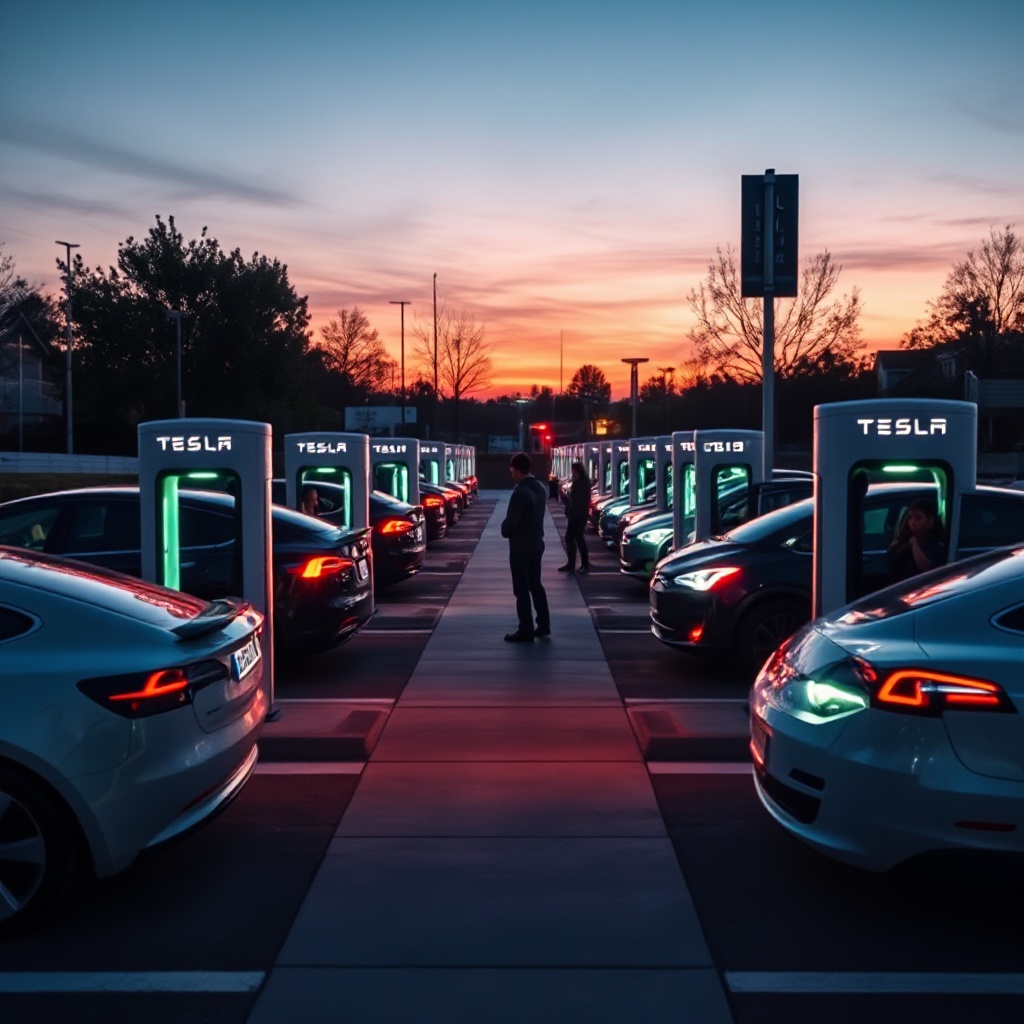
While developing superior electric vehicles, Silicon Valley companies recognized that charging infrastructure would be critical to widespread adoption. Rather than waiting for governments or utilities to solve this challenge, Tesla took the bold step of building its own global charging network.
The Supercharger network became a strategic advantage that competitors struggled to match. By the end of 2018, Silicon Valley had become a showcase for this infrastructure-driven approach, with the region boasting over 80,000 registered EVs – representing 19.4% of all California's electric vehicles and the highest per-capita adoption rate in the state.
This regional concentration created a virtuous cycle: high adoption justified more charging infrastructure, which in turn supported even higher adoption rates. By 2018, pure battery electric vehicles (BEVs) overtook plug-in hybrids in new California registrations for the first time – a trend driven primarily by Bay Area demand.
The charging infrastructure evolution included several important developments:
- Strategic placement of fast chargers along major travel corridors
- Integration of charging information directly into vehicle navigation systems
- Development of smartphone apps to locate and activate charging stations
- Creation of payment and authentication systems for seamless charging
Market Disruption: How a Silicon Valley Startup Challenged Century-Old Auto Giants
The ultimate validation of Silicon Valley's approach came as Tesla achieved what many industry experts deemed impossible: successfully challenging established automotive giants at their own game. By 2020, the Tesla Model 3 had become the fourth-highest-selling sedan in the United States, outpacing most gasoline-powered competitors.
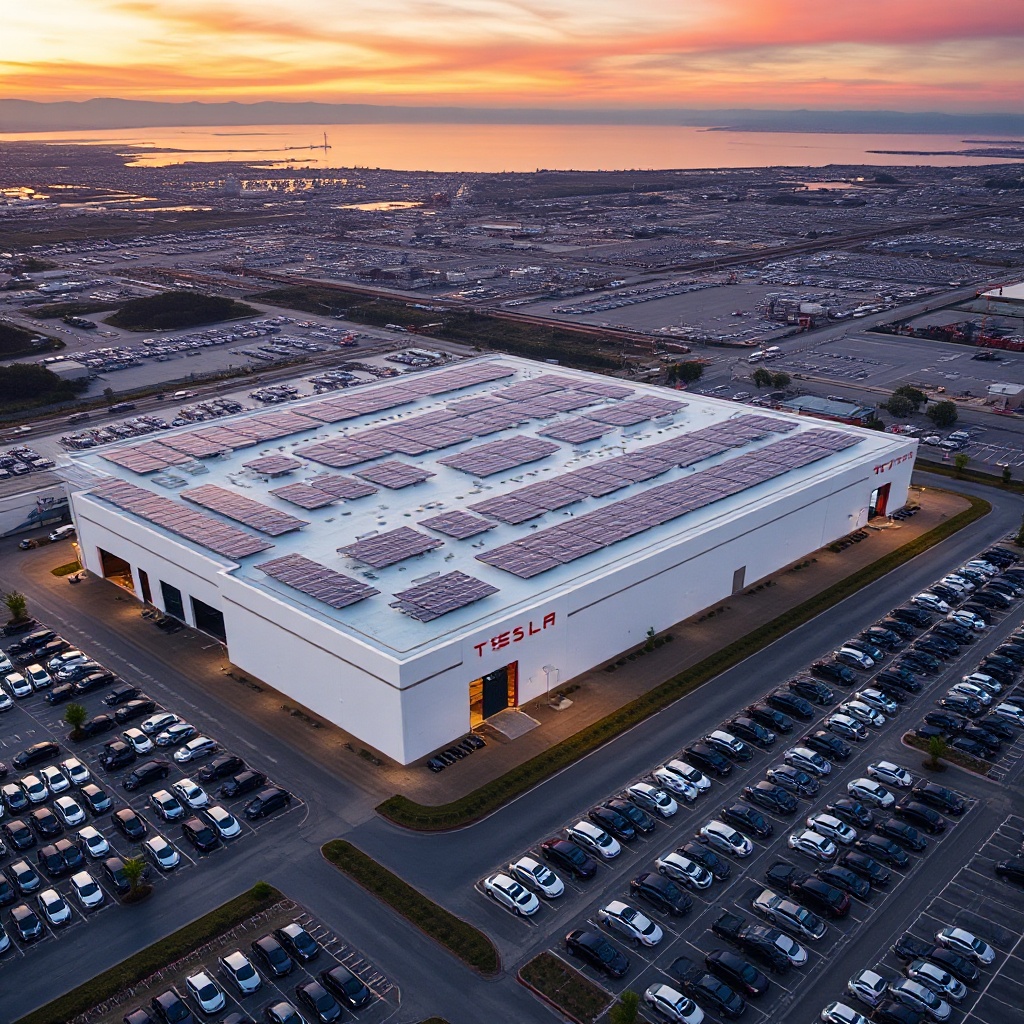
Even more remarkably, Tesla's market capitalization surpassed traditional automakers despite producing far fewer vehicles – a clear indication of investor confidence in the software-defined vehicle approach. This market disruption forced established manufacturers to accelerate their electric vehicle roadmaps and rethink century-old business models.
The success factors behind this disruption included:
- Direct-to-consumer sales model that bypassed dealer networks
- Strong brand loyalty and community building among early adopters
- Regular free feature additions through software updates
- Simplified product lineup with clear differentiation between models
Silicon Valley's culture of talent mobility and collaboration accelerated the spread of EV expertise. As engineers and executives moved between companies, they cross-pollinated ideas and approaches, creating an innovation ecosystem that outpaced traditional automotive research centers.
Policy Influence: Silicon Valley as a Catalyst for Regulatory Change
Beyond market disruption, Silicon Valley's EV success had profound policy implications. The region's rapid adoption helped push California's zero-emission vehicle (ZEV) program ahead of schedule, creating a real-world demonstration of electric mobility at scale.
By late 2018, California had 435,000 ZEVs on its roads, with Silicon Valley cities consistently leading in per-capita adoption. This impressive growth – representing an 82% yearly increase in new ZEV registrations from 2007 to 2018 – provided policymakers with concrete evidence that ambitious targets were achievable.
This regional success influenced policy in several ways:
- Emboldened California regulators to adopt stricter emissions standards
- Inspired other states to join California's ZEV coalition
- Provided a model for municipal EV incentive programs
- Demonstrated the feasibility of public charging infrastructure deployment
Silicon Valley companies also actively engaged in policy advocacy, arguing for emissions regulations that would accelerate the transition to electric mobility. This combination of industry leadership and policy influence created momentum for regulatory changes that further supported EV adoption nationwide and globally.
Global Impact: Exporting the Silicon Valley EV Model Worldwide
The ripple effects of Silicon Valley's electric vehicle revolution extended far beyond California or even the United States. The region's approach inspired emerging EV hubs globally, from China's rapidly growing electric vehicle sector to new investments in European automotive centers.
Global automakers launched competitive EV models in direct response to Tesla's success. Volkswagen, GM, Nissan, and others accelerated electric vehicle development programs, often adopting elements of Silicon Valley's playbook:
- Greater emphasis on software development and over-the-air updates
- Investments in proprietary battery technology and manufacturing
- Creation of more entrepreneurial and agile development teams
- Focus on direct consumer engagement and brand communities
China's EV industry particularly embraced Silicon Valley's technology-first approach while adding local innovations in manufacturing scale and supply chain integration. European automakers, initially