Honda's $3B Ohio plant bets on hybrids while keeping EV options open. See how its 15-hybrid plan stacks up against Toyota and what to watch before 2029.

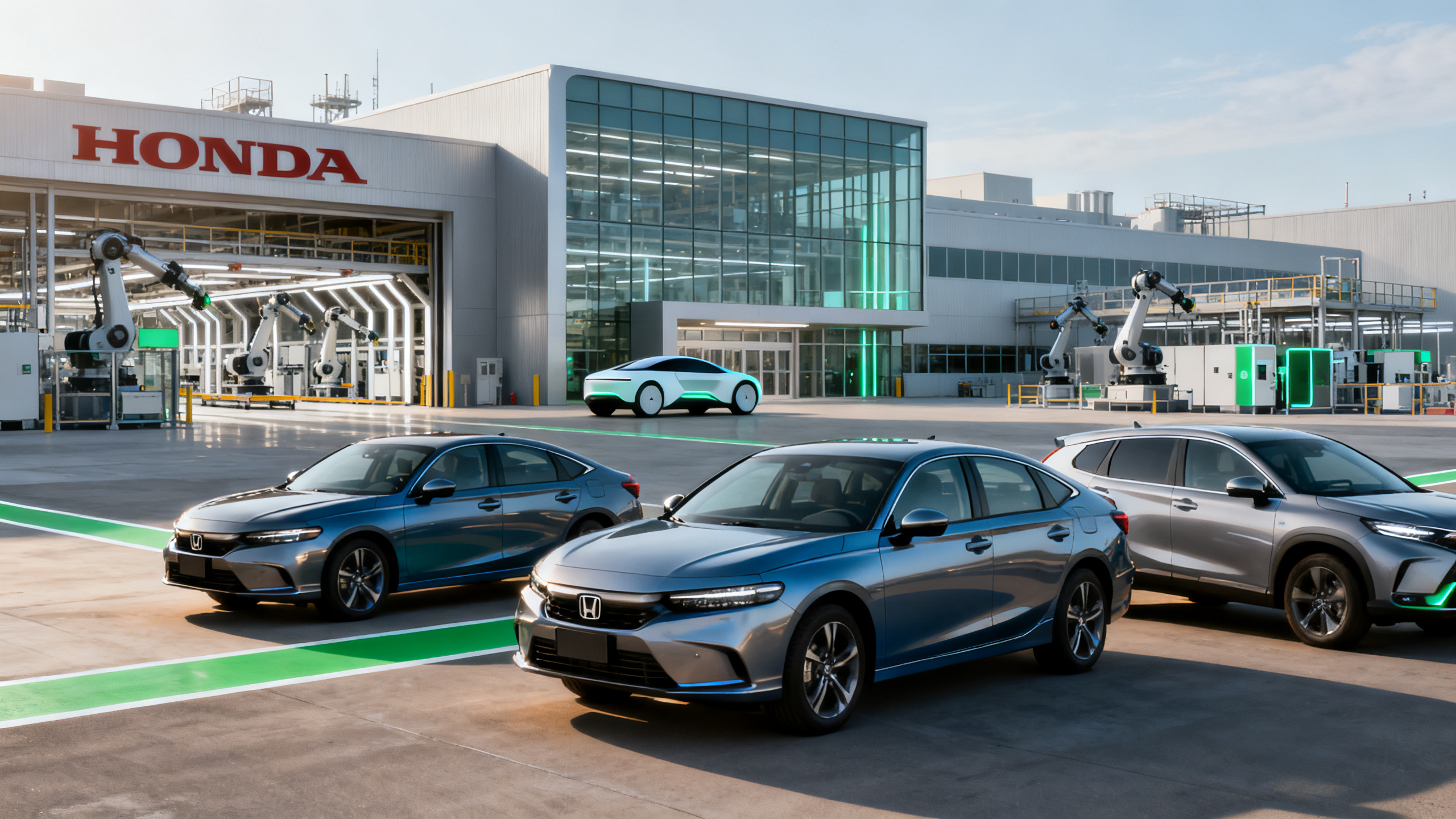
Honda's plan to spend $3 billion on a new central Ohio plant shows automakers leaning on hybrids while the all-electric future stays uncertain. The factory would add about 240,000 vehicles of annual capacity, build gasoline, hybrid and electric models, and back Honda's plan for 15 new hybrids by 2030 against Toyota.
Key Takeaways
Honda plans a $3 billion Ohio plant, with production expected in 2029 pending final approvals.
The move looks like a bridge strategy. Honda is adjusting its EV timeline, not abandoning EVs.
Hybrids give drivers better fuel economy with no charging routine, and they're reportedly about one-third of Honda's U.S. sales.
Flexible lines give Honda option value, so it can shift output between gasoline, hybrid and electric models.
Toyota is still the benchmark. Honda's success depends on execution, not the headline number of 15 models.
Honda's $3 Billion Ohio Plant Puts Hybrids at the Center
Honda plans to build a new plant in central Ohio, with production expected in 2029. According to Honda Global, it would add roughly 240,000 vehicles of annual capacity and more than 2,000 jobs. That would lift U.S. capacity to about 1.3 million vehicles.
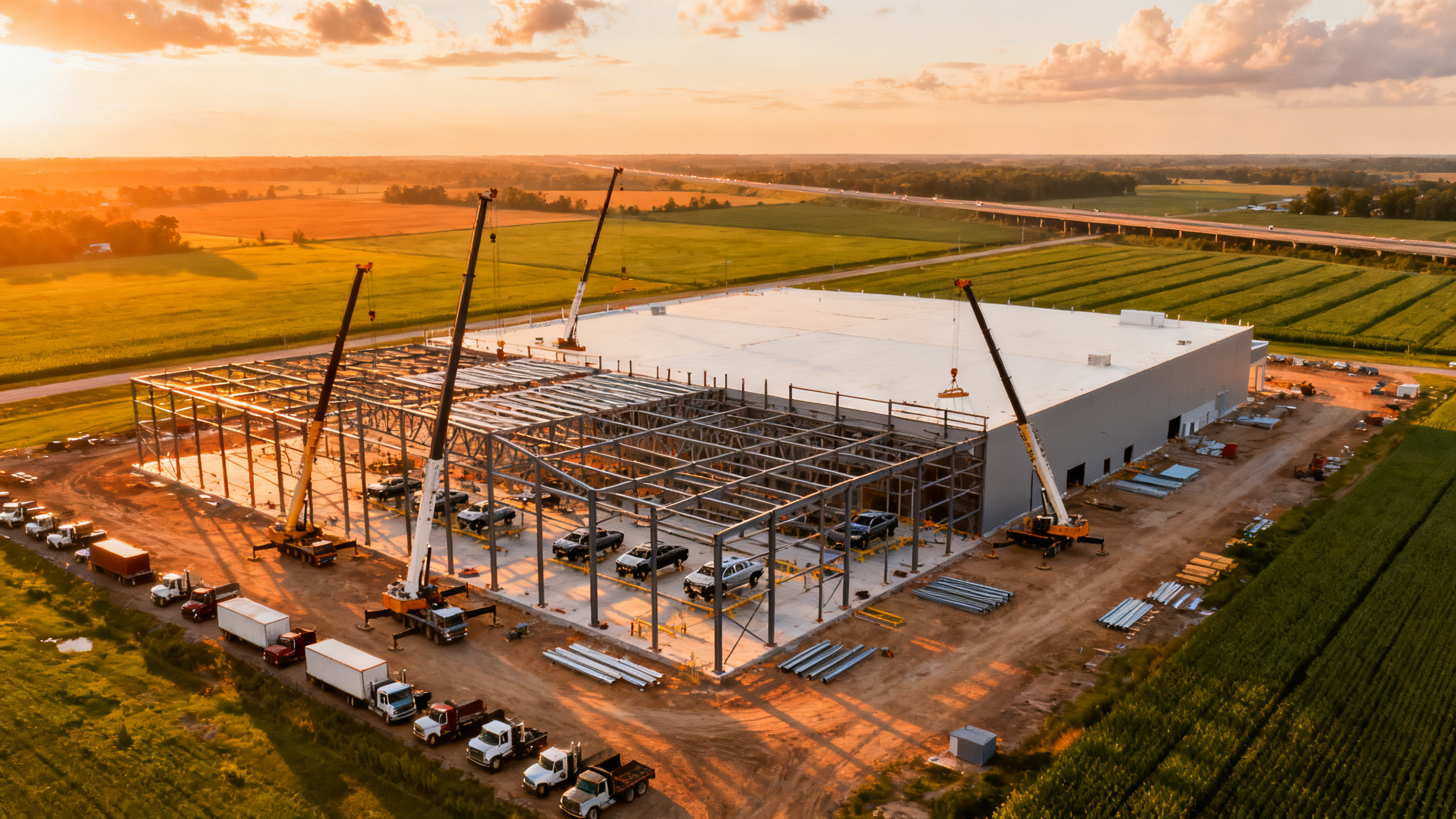
The site sits between the Marysville and East Liberty plants. Honda Newsroom says it would be Honda's fourth Ohio auto plant and its ninth U.S. auto-related facility.
The plant isn't a one-off. The same release describes a wider hybrid push across Ohio, Alabama, Georgia and Canada, covering vehicles, engines and hybrid systems.
Honda hasn't said how output will split among gasoline, hybrid and battery-electric models. The Detroit News notes that the mix will depend on demand, regulation and adoption.
From All-Electric Ambitions to a Pragmatic Bridge Strategy
Honda once set a bold target. Honda Newsroom says battery-electric and fuel-cell vehicles were meant to make up 100% of global sales by 2040.
The hybrid investment doesn't erase that goal. I read it as a change in timing and pathway. Hybrids serve near-term demand, while the company preserves long-term EV capacity.
The strategic difference is simple:
Pure EVs ask buyers to accept higher prices, charging routines and new habits.
Hybrids keep gasoline convenience while cutting fuel use.
A mixed lineup serves buyers at different stages of the shift.
Other automakers appear to be recalibrating some EV plans too, amid uneven demand and price concerns. I'd treat that as a broader trend rather than a settled fact until independent sales data confirm it.
Why American Drivers Are Warming to Hybrids
A conventional hybrid pairs a gasoline engine with an electric motor and a small battery. It uses regenerative braking and electric assist, and you never plug it in. Plug-in hybrids differ. You can charge them and drive a limited distance on electricity.
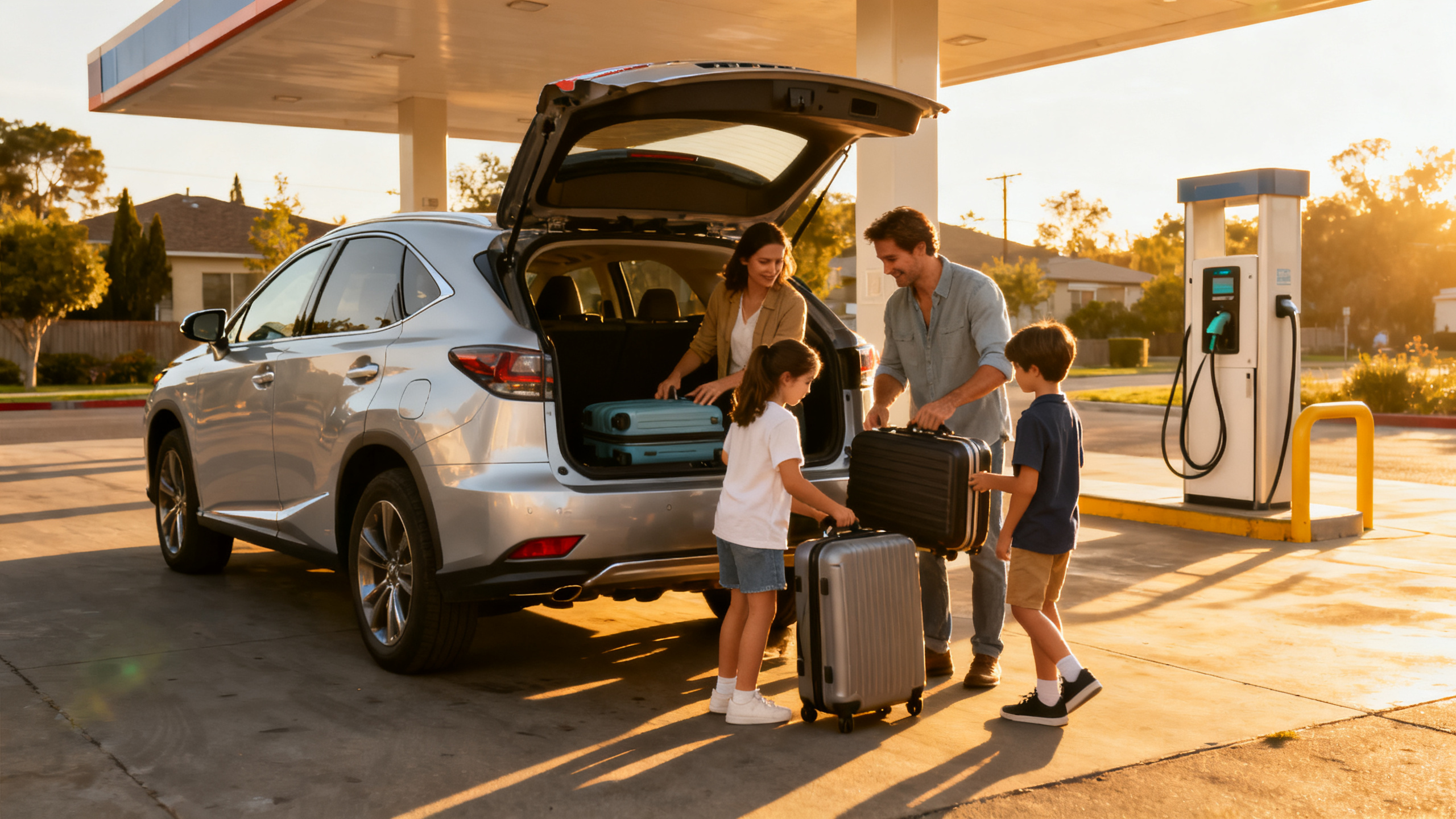
The appeal is practical. Hybrids offer these benefits:
Better fuel economy than comparable gasoline vehicles.
No reliance on public charging.
Quick refueling at any gas station.
Less range anxiety on long trips.
Hybrid SUVs, crossovers and minivans also keep the size and cargo space families expect. Their smaller batteries can limit the price premium compared with a full EV, depending on the model.
Demand is showing up in Honda's numbers. The Detroit News reports that hybrids are about one-third of Honda's U.S. sales.
I'd still advise a quick calculation before you buy. Savings vary with vehicle size, mileage, driving conditions, fuel prices and purchase price. A hybrid isn't cheaper for every driver.
Flexible Production Keeps the EV Option Open
Honda says the new plant can build gasoline, hybrid and battery-electric vehicles, according to Honda Global and The Detroit News. That lets it shift output as demand, tax policy, fuel prices and rules change.
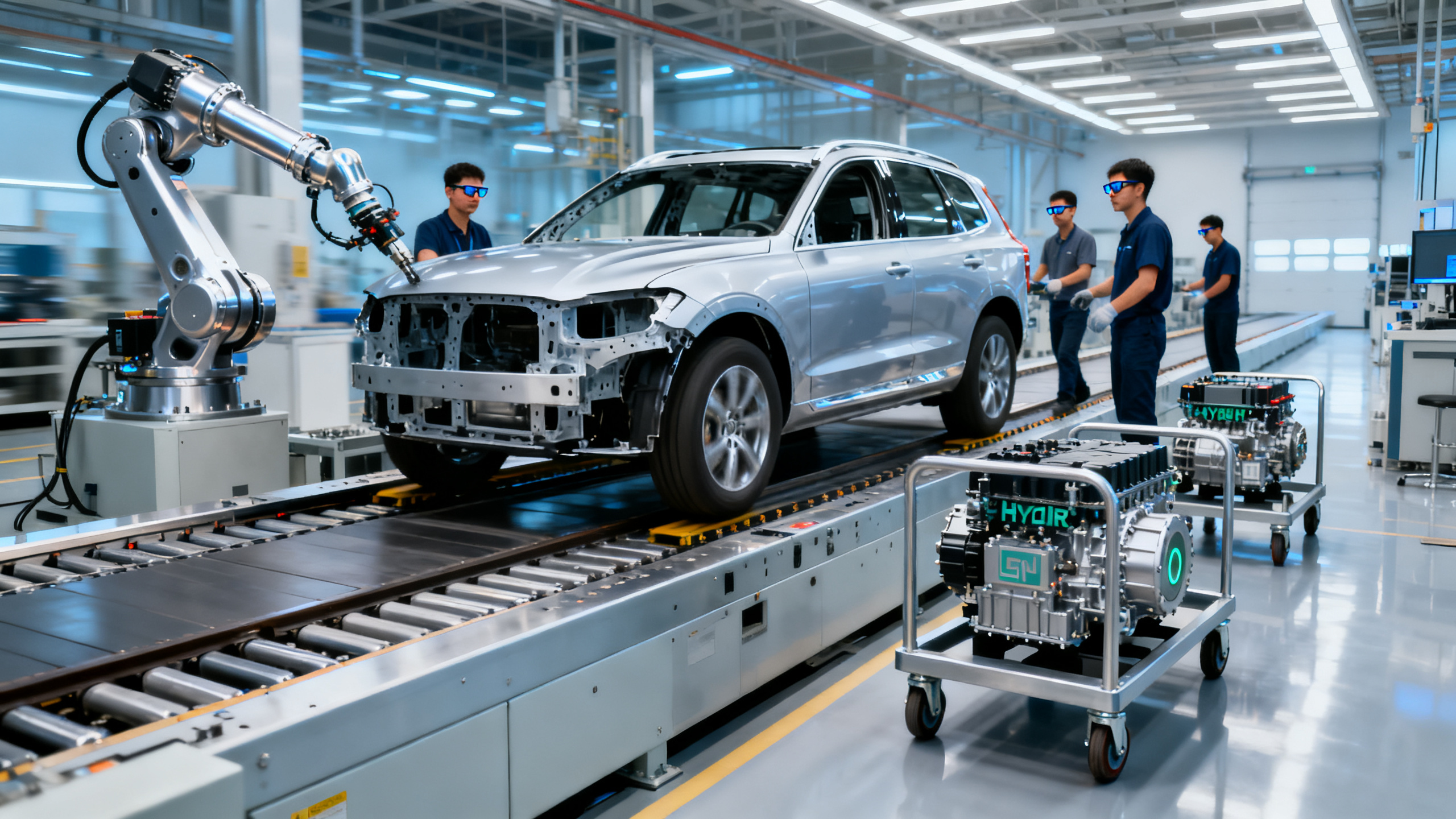
The approach builds on Honda's Ohio EV Hub. Honda Newsroom says the company has invested more than $1 billion retooling Marysville, East Liberty and Anna. Marysville also consolidated lines so it can build all three powertrains.
Batteries are part of the picture. Honda and LG Energy Solution committed an initial $3.5 billion to a battery plant. Projected total investment is about $4.4 billion, with roughly 40 GWh of annual capacity. Honda scheduled production to begin in late 2025. That project is separate from the $3 billion vehicle plant.
Together, these assets give Honda option value. It can tilt toward EVs if demand accelerates. It can lean on hybrids if they stay stronger.
Can 15 New Hybrids Close the Gap With Toyota?
Honda Global says the company plans 15 new Honda and Acura hybrid models globally by 2030, with North America as the primary market. That figure counts models across two brands. It doesn't necessarily mean 15 new platforms.
Capacity is growing to match. Honda is developing next-generation hybrid systems for compact, midsize and larger North American vehicles. Its Ohio Transmission Plant retool should raise hybrid-system capacity by 250%, according to Honda Newsroom.
Toyota remains the benchmark. It moved early, owns the strongest hybrid brand association and offers wide model breadth. I wouldn't claim Honda will overtake it. The better question is whether Honda can narrow the gap in:
Model breadth and SUV availability.
Production scale.
Dealer supply.
Honda's flexible factories could help here. They may let it adjust faster than a network built around a single powertrain.
Details are still thin. Honda hasn't published a model-by-model schedule, U.S. pricing or full production allocation. I'd judge the plan by measurable results: launches by 2030, U.S. hybrid share, coverage of high-volume SUVs, fuel economy and pricing against Toyota.
Risks and Signals to Watch Before 2029
Plenty can go wrong. The main risks include:
Demand shifts if EV prices or gas prices fall.
Construction and hiring delays.
Hybrid price premiums that buyers won't accept.
Battery and chip supply constraints.
Competition from Toyota, Ford, Hyundai and Kia.
Slower EV growth, or weak plant utilization.
Jobs and capacity are announced targets, not guarantees. Suppliers and logistics firms benefit only if the plant is completed and demand holds.
There's also an environmental caveat. Hybrids cut fuel use and tailpipe emissions, but they still burn gasoline. Full EVs remain the longer-term zero-tailpipe option, so I wouldn't call hybrids always superior.
Over the next few years, I'd watch these signals:
Final approvals and construction milestones.
The first models named for the plant.
U.S. launch timing and hybrid sales share.
Toyota's response.
Pricing and fuel-economy ratings.
How Ohio splits EV versus hybrid output.
My bottom line: Honda is buying flexibility in an unpredictable market. Success will hinge on execution, not the headline 15.
Sources
Honda Global: Honda to Boost U.S. Hybrid Production with New $3 Billion U.S. Auto Plant
Honda Newsroom: Beyond EVs: Honda EV Hub in Ohio Reimagines Approach to Manufacturing
Honda Newsroom: Honda EV Hub Prepares for New Level of Flexible Production
The Detroit News: Ohio to Get New Honda Plant That Will Build Hybrids, Create 2,000 Jobs