Exploring EV fire safety: Less frequent but more intense than gas fires, requiring new technology, tactics, and waste management solutions for a sustainable future.

Drivetech Partners
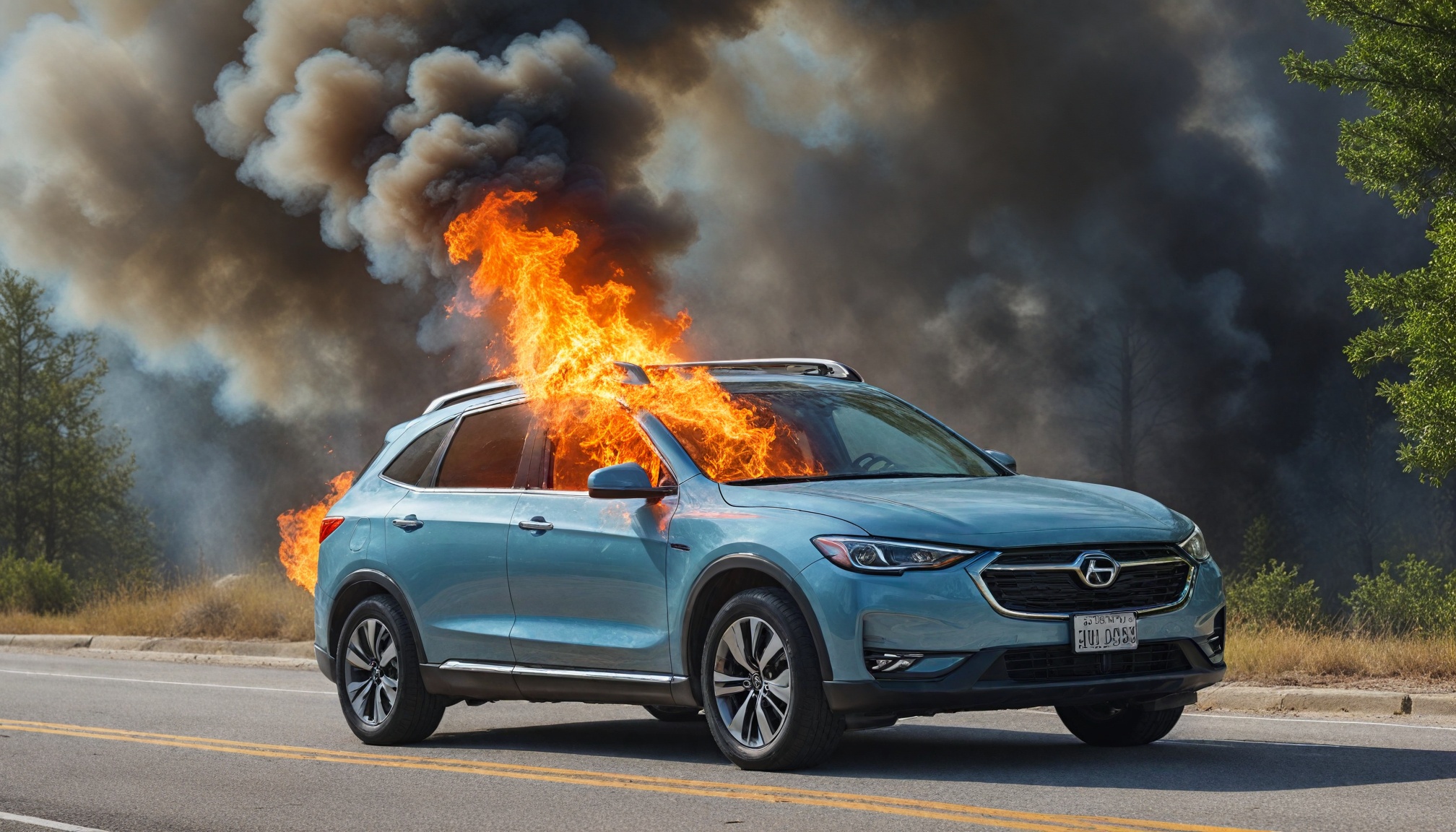
Electric vehicles present a safety paradox: they're significantly less likely to catch fire than gasoline-powered vehicles, but when they do ignite, the resulting fires are much hotter, more toxic, and harder to extinguish due to their lithium-ion battery chemistry. While this creates distinct challenges for firefighters and poses environmental concerns, the automobile industry is developing innovative safety systems and battery designs to mitigate these risks as EV adoption accelerates worldwide.
Key Takeaways
- EVs experience 75% fewer fires than gasoline vehicles, but battery fires burn at temperatures up to 5,000°F—three times hotter than gasoline fires
- Lithium-ion battery fires release over 100 hazardous chemicals and can reignite hours or days after initial suppression
- Extinguishing EV fires requires specialized tactics and up to 10 times more water than conventional vehicle fires
- Manufacturers are exploring alternative battery chemistries like solid-state batteries to reduce fire risk
- Proper emergency response protocols and recycling systems are crucial as global EV adoption continues to accelerate

EV Fires: Less Common but More Dangerous
The statistics paint a clear picture: electric vehicles are significantly safer from fire risk than their gasoline counterparts. EVs experience approximately 25 fires per 100,000 vehicles sold, compared to a staggering 1,530 fires per 100,000 gasoline vehicles. Tesla vehicles travel about 130 million miles between fire incidents, while conventional vehicles catch fire every 18 million miles on average.
However, when EV fires do occur, they present unique hazards that make them particularly challenging. Lithium-ion battery fires can reach temperatures of 5,000°F (2,760°C) – nearly three times hotter than gasoline fires, which typically burn around 1,500°F (815°C). This extreme heat combined with the phenomenon known as "thermal runaway" creates a self-perpetuating cycle where internal battery reactions spiral out of control.
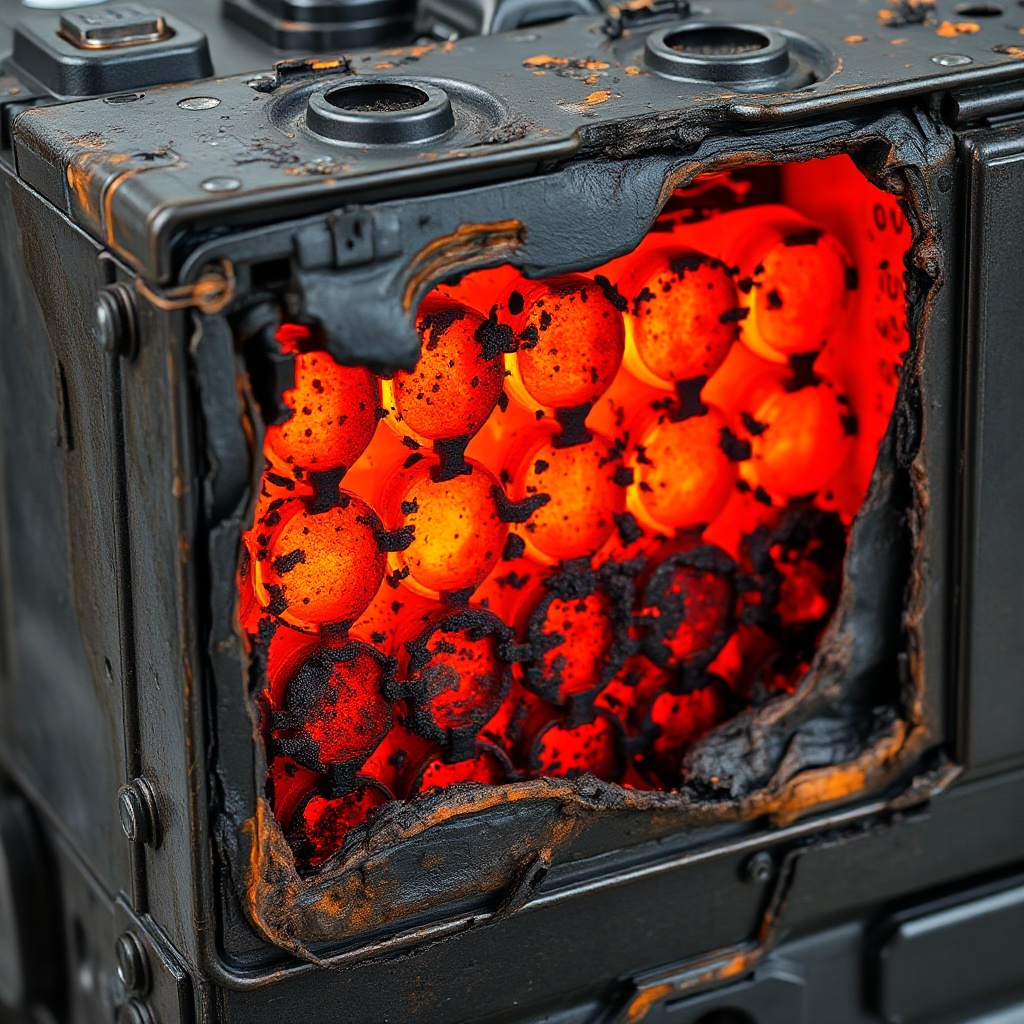
The nature of these fires makes them exceptionally difficult to extinguish. Unlike a gasoline fire where the fuel source can be cut off, the energy stored in damaged battery cells continues to feed the flames from within, making complete suppression challenging.
Toxic Emissions and Environmental Impact
One of the most concerning aspects of EV battery fires is the release of toxic chemicals into the surrounding environment. These fires emit over 100 hazardous substances, including hydrogen, carbon monoxide, and hydrogen cyanide. First responders and bystanders face both immediate and long-term health risks from exposure to these toxins.
The environmental impact extends beyond the immediate fire scene. These incidents can lead to widespread contamination of air, water, and soil with heavy metals and persistent toxins. Reports of EV battery fire incidents span 28 states and all ten EPA regions in the U.S., highlighting the geographic spread of this emerging issue.
To better understand and mitigate these risks, researchers are developing wearable sensors to track real-time exposure levels during EV fire incidents. This data will help inform safer response protocols and protective measures for both emergency personnel and the public.
Firefighting Challenges and Evolving Tactics
Traditional firefighting techniques fall short when confronting EV battery fires. These incidents typically require 10 times more water than what's needed for gasoline vehicle fires. In some cases, complete submersion of the vehicle or specialized suppression tanks becomes necessary.
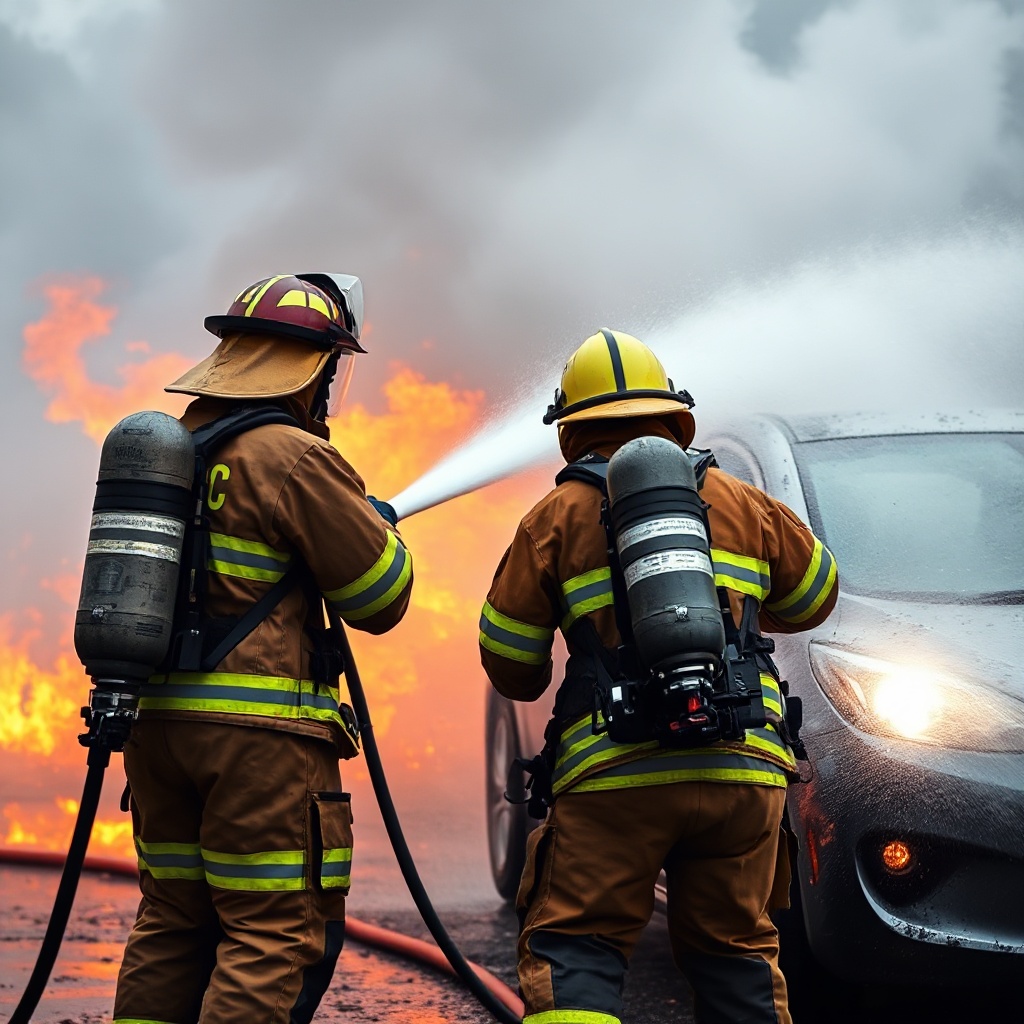
Fire departments across the country are adapting to these challenges by developing new protocols and acquiring specialized equipment. These include:
- Infrared cameras to detect battery hotspots
- Specialized suppression tanks for immersing vehicles
- Advanced chemicals designed specifically for lithium-ion battery fires
- Enhanced protective equipment for firefighters
- Post-fire decontamination procedures
Perhaps the most frustrating aspect for emergency responders is the risk of reignition. Damaged EV batteries can unexpectedly catch fire again hours or even days after the initial incident appears resolved, requiring extended monitoring periods and creating additional resource burdens for fire departments.
Market Growth and Increasing Risk Landscape
The global shift toward electric mobility continues to accelerate. As of early 2024, approximately 40 million electric vehicles are on roads worldwide, and demand for lithium-ion batteries is expected to increase sevenfold between 2022 and 2030.
This rapid growth creates a statistical challenge: even if the per-unit risk of fire remains low, the sheer volume of batteries in circulation means more incidents will occur. In 2018 alone, over 25,000 overheating or fire incidents were reported in lithium-battery powered consumer products.
The risk landscape extends beyond vehicles to encompass the entire battery lifecycle – from manufacturing and transportation to charging, use, and eventual disposal. Each stage presents unique safety considerations that must be addressed to maintain public confidence in electrification.
Technological Solutions: Safer Battery Design
The battery industry isn't standing still in the face of these challenges. Manufacturers are actively developing safer battery technologies that address the inherent risks of current lithium-ion designs.

Some of the most promising approaches include:
- Solid-state batteries that replace flammable liquid electrolytes with solid materials
- Lithium iron phosphate (LFP) chemistry with improved thermal stability
- Advanced battery management systems (BMS) that provide real-time monitoring and early warning of potential issues
- Fire-resistant enclosures and module isolation systems that can contain thermal events
These technologies aim to both reduce fire probability and minimize the severity of incidents when they do occur. Many are already making their way into production vehicles, with solid-state batteries potentially reaching commercial scale within the next few years.
Emergency Response Innovation
As battery technology evolves, so too must emergency response capabilities. Fire departments, automakers, and safety organizations are collaborating to develop specialized protocols for EV incidents.
Enhanced training programs now include specific modules on electric vehicle fires, focusing on proper identification, safe approach distances, and effective suppression techniques. Equipment upgrades include tools for safely disconnecting high-voltage systems and containing battery runaway events.
Data collection plays a crucial role in this evolution. Each incident provides valuable information that helps refine response tactics. Real-time monitoring during EV fires informs both immediate actions and long-term protocol development.
Public education is also receiving greater emphasis. EV owners need to understand proper charging safety practices, warning signs of potential battery issues, and appropriate actions during an emergency. Many manufacturers now include this information in owner manuals and dealer training.
The Circular Economy Solution
As EV adoption grows, end-of-life battery management becomes increasingly important. Proper disposal, recycling, and material recovery systems are essential for minimizing environmental impact and reducing the risk of fire incidents from damaged or deteriorating batteries.
Investment in recycling infrastructure is ramping up across the country. These facilities can safely disassemble spent batteries, neutralize potential hazards, and recover valuable materials like lithium, cobalt, and nickel for reuse in new products.
Federal, state, and local authorities are developing comprehensive battery management standards to ensure proper handling throughout the lifecycle. These regulations aim to prevent improper disposal that could lead to environmental contamination or fire hazards.
Beyond safety benefits, recycling offers significant resource conservation advantages. Reclaiming battery materials reduces the need for environmentally destructive mining operations and helps build a more sustainable supply chain for the growing EV industry.
Future Safety Framework
Creating a comprehensive safety framework for electric vehicles requires a collaborative approach across multiple sectors. Automakers, battery manufacturers, fire departments, regulators, and consumers all have roles to play in managing the unique risks associated with this technology.
Integration of advanced safety systems into charging infrastructure represents one promising direction. These systems can detect early warning signs of battery issues and automatically shut down to prevent thermal events from escalating.
Public awareness campaigns must continue to evolve, striking a balance between acknowledging legitimate safety concerns and providing accurate context about the relative risks compared to conventional vehicles. Transparent communication builds trust and ensures informed decision-making.
Ongoing research will continue informing regulatory frameworks and industry standards. As we gain more real-world experience with large-scale EV deployment, best practices will emerge that further reduce risks while enabling the environmental and performance benefits of electric mobility.
Sources
CTIF - EV and Lithium Battery Fires January 2025: Brief Overview
ConsumerAffairs - Electric Car Fire Statistics
LevinSimes - Lithium-ion Battery Fire Statistics
CTIF - Lithium Battery Fires
ICCT - Clearing the air: EVs could bring lower fire risk
FAA - Evaluation of Lithium Battery Thermal Runaway
Drive Electric MN - EV fire safety
NREL - A Circular Economy for Lithium-Ion Batteries
University of Miami - Electric Vehicle Fire