Modern EV batteries outlast expectations, with 15-20 year lifespans and just 1.8% annual degradation, thanks to advanced chemistry and thermal management technologies.

Drivetech Partners
Modern electric vehicle batteries are proving far more durable than many consumers expect, with real-world data showing typical lifespans of 15-20 years and remarkably low degradation rates averaging just 1.8% annually. This longevity dispels common misconceptions about EV battery reliability, as manufacturers have made significant advances in battery chemistry and thermal management technology that protect these crucial components across various driving conditions and climates.
Key Takeaways
- Recent EV models (2022+) show an exceptional reliability record with battery replacement rates of just 0.3%
- Most EVs retain over 80% battery capacity even after 200,000 miles of driving
- Hot climates accelerate degradation while proper thermal management systems significantly extend battery life
- Maintaining battery charge between 20-80% state of charge preserves long-term health
- Frequent fast charging sessions can accelerate capacity loss, especially in high-temperature environments

EV Battery Longevity: The Truth Behind Real-World Performance
The data on modern EV battery performance tells a compelling story of durability and reliability. With typical lifespans reaching 15-20 years, today's electric vehicle power systems are designed to outlast many of the cars they propel. Recent models manufactured since 2022 demonstrate this progress with a minuscule 0.3% replacement rate, highlighting the technological maturity of current battery designs.
Degradation follows a predictable pattern, with batteries losing an average of just 1.8% capacity per year under normal conditions. This translates to impressive real-world performance: after 200,000 miles, most EVs retain over 80% of their original battery capacity. Tesla's fleet data shows even better results, with Model 3 and Y vehicles losing only 15% capacity at this mileage milestone, while the Model S and X perform better still with just 12% loss.
Climate's Impact on Your EV Battery
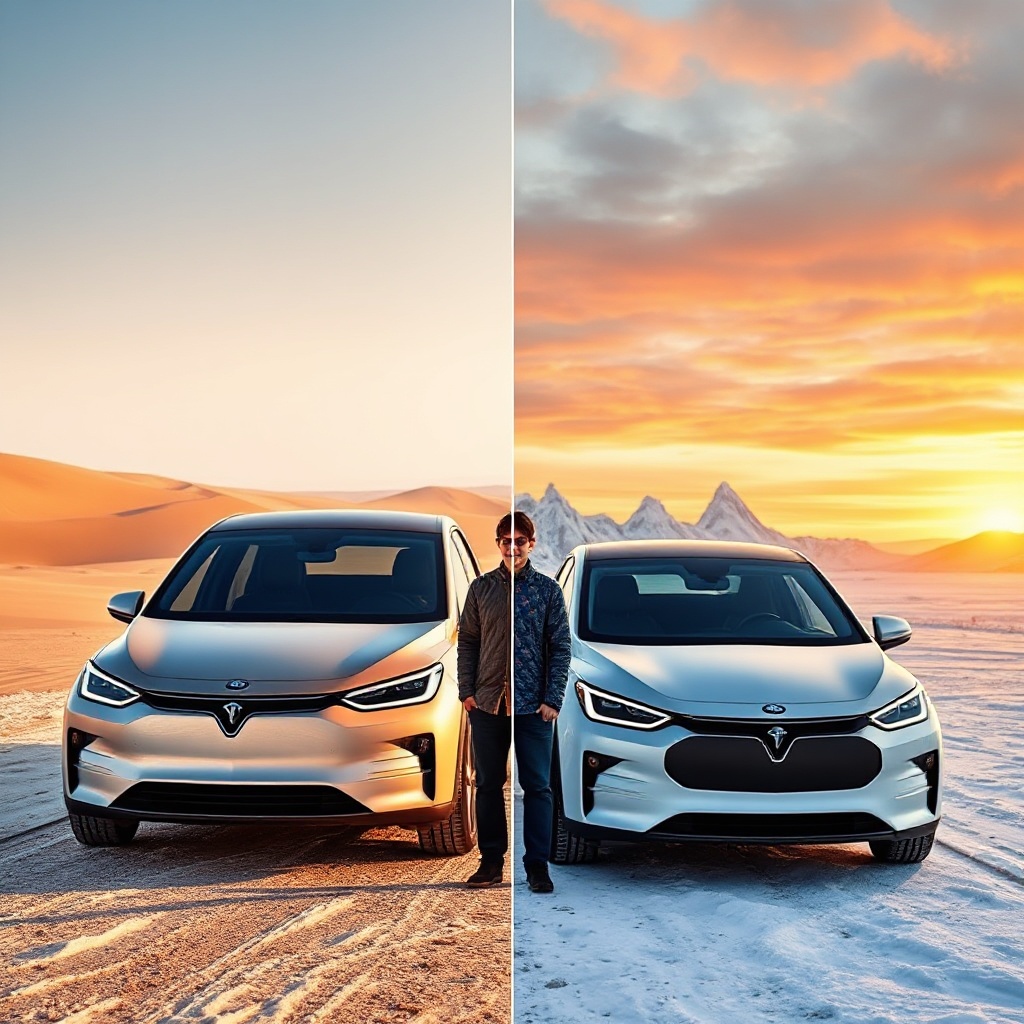
Temperature plays a critical role in battery longevity. Hot climates above 27°C/80°F accelerate degradation processes within lithium-ion cells, causing faster capacity loss over time. Real-world telematics data comparing identical vehicle models operated in Arizona versus Norway confirms this effect, with the hotter region showing measurably faster degradation rates.
Cold weather presents a different challenge. While frigid temperatures temporarily reduce driving range by increasing internal cell resistance, they typically have less impact on long-term degradation compared to heat. Modern thermal management systems help mitigate these effects by maintaining optimal cell temperatures even in extreme environments.
The data reveals that climate considerations should factor into EV ownership expectations. Drivers in persistently hot regions may experience slightly faster degradation, but even in these challenging conditions, modern batteries still deliver many years of reliable service before significant capacity loss becomes noticeable.
The Truth About Driving Habits and Battery Health
Contrary to what many assume, putting lots of miles on your EV doesn't necessarily mean faster battery degradation. Evidence shows that high annual mileage has minimal impact on long-term battery health—just about a 0.25% difference over 48 months between high and low-mileage users who follow similar charging practices.
Battery degradation typically follows a predictable pattern: an initial capacity drop of about 3-5% occurs during the first 20,000 miles of use, after which the degradation rate slows significantly and becomes more linear. This explains why owners might notice a slight range reduction early in ownership but then experience more stable performance for many years afterward.
Fleet data confirms an encouraging trend: frequent daily use doesn't shorten battery life when paired with proper charging habits. In fact, regular use helps maintain optimal battery function through consistent battery management system operations and thermal cycling.
How Your Charging Habits Affect Battery Longevity
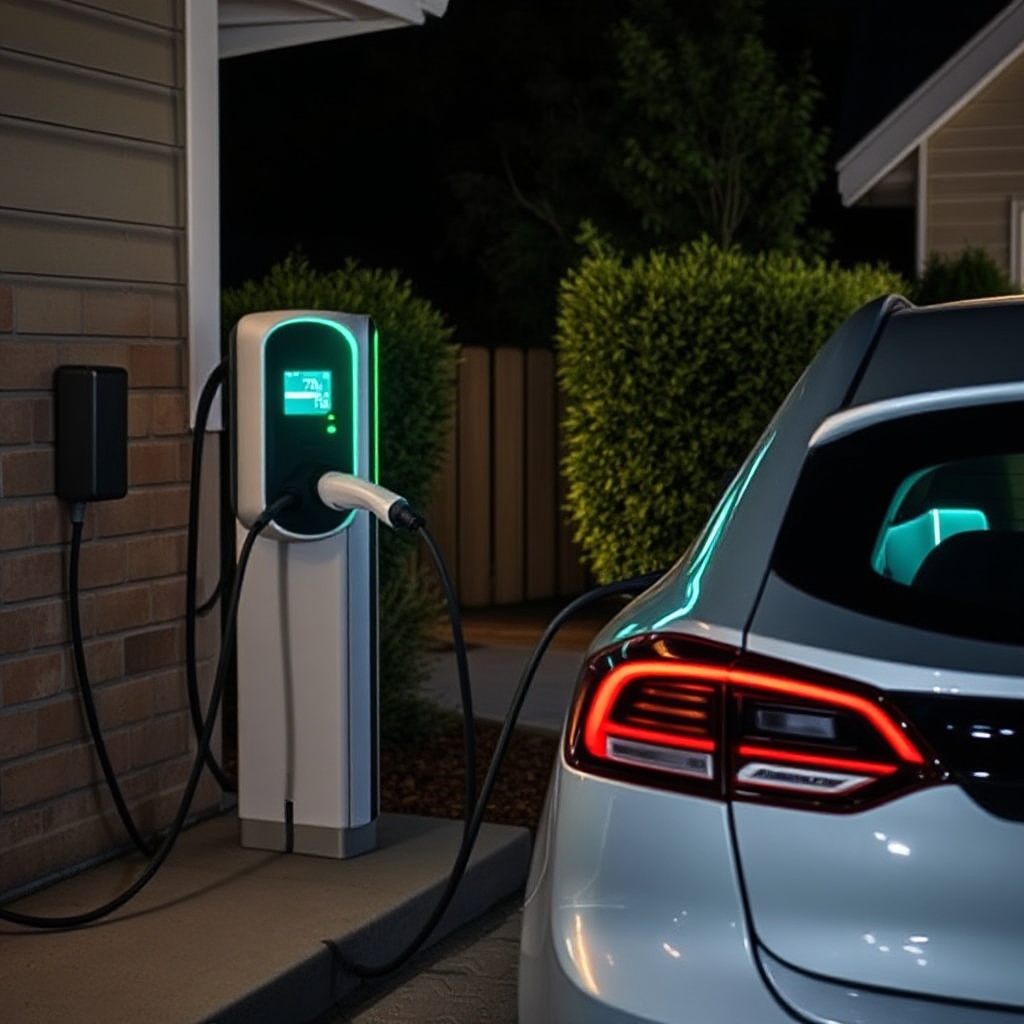
Your charging routine has a direct impact on battery health. Telematics data reveals that frequent DC fast charging (3+ times monthly) can accelerate degradation, especially when combined with high ambient temperatures. The intense current flow during fast charging generates heat, which stresses battery cells if not properly managed.
Manufacturer recommendations consistently advise maintaining the battery's state of charge between 20% and 80% for daily use. This middle range minimizes stress on the cells and helps prevent the accelerated degradation that can occur at the extremes of the charge spectrum. Occasional full charges for long trips are acceptable but shouldn't become a regular habit.
Level 2 (240-volt) home charging represents the sweet spot for battery health, providing a balance between convenient charging times and gentle electrical flow. The data shows no significant difference in battery degradation between vehicles charged primarily with Level 1 (120-volt) versus Level 2 equipment, but a clear correlation exists between heavy reliance on fast charging and accelerated capacity loss.
Thermal Management: The Unsung Hero of Battery Preservation

Modern electric vehicles incorporate sophisticated thermal management systems that maintain battery temperature within the optimal range of 20-40°C. These systems represent one of the most significant advances in EV technology, quietly protecting the battery pack from temperature extremes that accelerate degradation.
Battery Thermal Management Systems (BTMS) deliver multiple benefits: they enable faster charging without overheating, substantially reduce degradation rates, enhance safety by preventing thermal runaway, and extend overall battery lifespan. The difference between vehicles with basic versus advanced thermal management can be dramatic, especially in challenging climates.
Technological advances in cooling systems have evolved rapidly, with liquid cooling now standard in premium EVs. This approach circulates coolant directly around battery cells to maintain consistent temperatures. Some manufacturers have begun implementing phase-change materials that absorb heat during intensive use and release it slowly afterward, further stabilizing battery temperatures.
Battery Replacement Reality Check: Separating Fact from Fear
The data on battery replacements tells a reassuring story. Across all EV models and years (excluding manufacturer recalls), under 4% have required replacement batteries—even including vehicles over a decade old. For the newest models, this figure drops below 1%, demonstrating the reliability of current technology.
Laboratory degradation models have historically been overly pessimistic compared to actual on-road performance. These controlled tests often fail to account for the sophisticated battery management systems in modern EVs, which actively work to preserve cell health during daily operation.
The evidence consistently shows that modern lithium-ion batteries are far more durable than public perception suggests. This disconnect between expectation and reality stems partly from early EV models with less advanced thermal management, as well as concerns carried over from consumer electronics with much smaller, less sophisticated battery systems.
7 Best Practices to Maximize Your EV Battery's Lifespan
To get the most life from your EV battery, consider these proven strategies:
- Limit fast charging sessions to when absolutely necessary, such as during long trips. Rely primarily on Level 2 charging for routine needs.
- Manage temperature exposure by parking in shade during hot weather and using climate preconditioning while plugged in during extreme cold.
- Follow the 20-80% state of charge guideline for everyday use, only charging to 100% when needed for longer journeys.
- Keep your vehicle's software updated to benefit from improved battery management algorithms that manufacturers refine over time.
- Monitor battery health through your vehicle's diagnostics system or manufacturer app to catch any unusual degradation patterns early.
- Drive your EV regularly rather than leaving it idle for extended periods, which can lead to deep discharge and cell imbalance.
- During extended storage (more than two weeks), leave the battery at a moderate charge level (around 50%) rather than fully charged or depleted.
The Future of EV Battery Longevity
The outlook for battery technology continues to improve, with next-generation chemistries promising even greater longevity and durability. Solid-state batteries, currently in development by multiple manufacturers, may eliminate many degradation factors affecting current lithium-ion designs while offering higher energy density.
Artificial intelligence and machine learning are transforming battery health prediction. These technologies analyze vast amounts of operational data to detect subtle patterns that precede capacity loss, enabling proactive management strategies that extend useful life.
Manufacturers are actively developing new battery formulations specifically to address degradation challenges. Modifications to cathode materials, electrolyte compositions, and cell structures all contribute to batteries that maintain capacity better over thousands of charge cycles. With each new EV generation, the gap between theoretical and actual battery lifespan continues to narrow.
For today's EV owners, the message is clear: with proper care and modern technology, battery concerns should not deter electric vehicle adoption. The data confirms that current batteries are engineered to provide reliable service throughout a vehicle's practical lifetime, with performance that consistently exceeds consumer expectations.
Sources
- Geotab: EV Battery Health Insights: Data From 10,000 Cars
- Neural Concept: The Impact of Efficient EV Battery Thermal Management
- Sustainability By Numbers: How much do electric car batteries degrade?
- Envalior: Advanced thermal management systems for safer EV batteries
- Recurrent: How Long Do Electric Car Batteries Last?