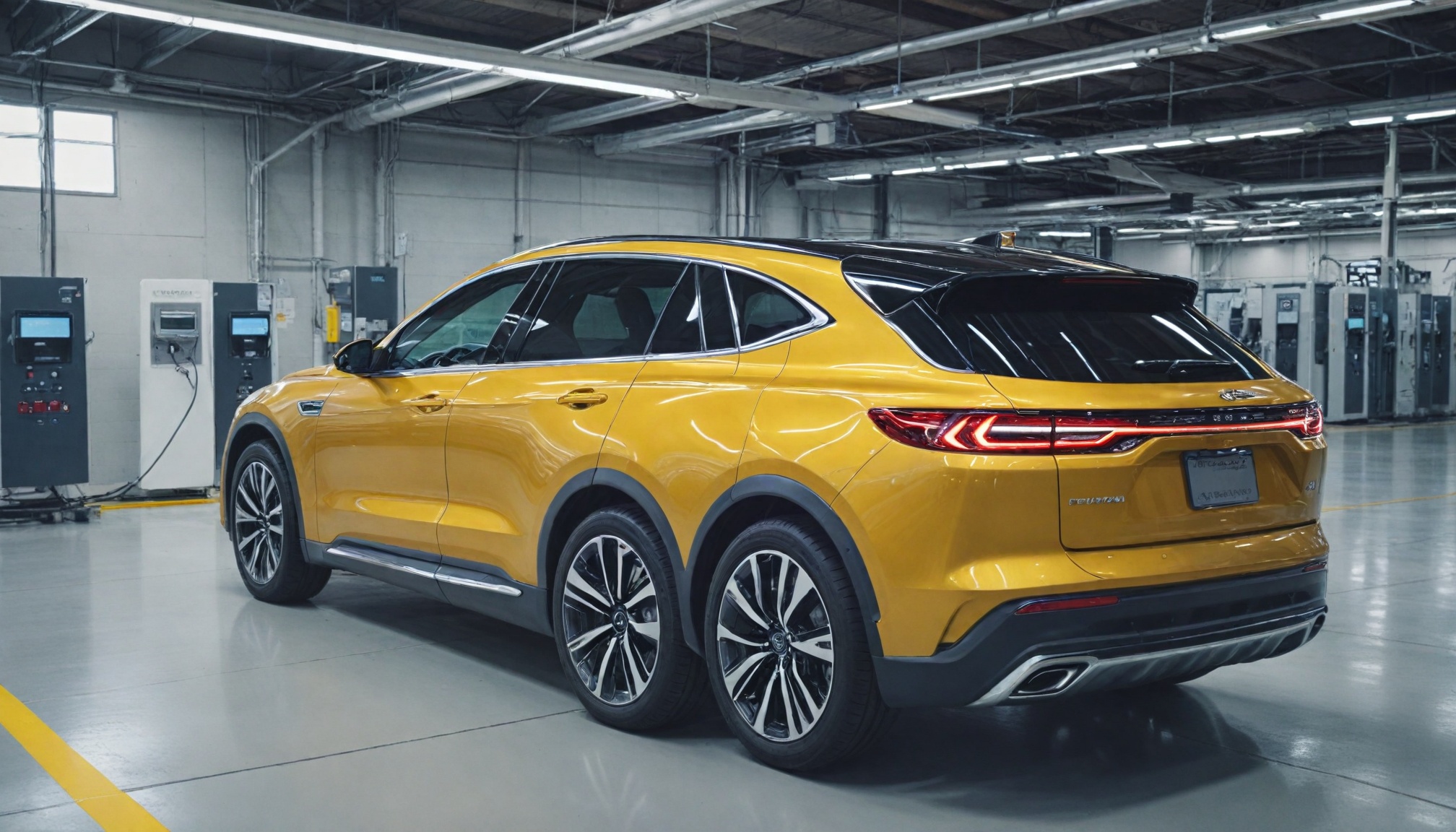
Dynamic gate-driver technology optimizes EV performance by adjusting switching behavior based on driving conditions, improving efficiency by 2% while enhancing safety and reliability.

Drivetech Partners
Dynamic gate-driver strength control is fundamentally changing electric vehicle power systems by enabling real-time adjustments to switching performance based on actual driving conditions. This adaptive technology optimizes how power semiconductors operate across varying loads, temperatures, and battery states, delivering measurable efficiency gains that extend driving range while simultaneously enhancing reliability and safety.
Key Takeaways
- Dynamic gate-driver technology can improve traction inverter efficiency by up to 2%, potentially adding over 1,000 miles annually to an EV's range
- Gate drive strength adapts in real-time to battery state of charge, optimizing performance throughout discharge cycles
- Advanced gate drivers meet ISO 26262 ASIL D safety standards essential for automotive applications
- Implementation enables higher power density designs with reduced system complexity for next-gen EV architectures
- The technology automatically balances switching efficiency against reliability concerns like voltage overshoot

Understanding EV Traction Inverters
Traction inverters serve as the critical power conversion bridge in electric vehicles, transforming DC power from high-voltage batteries into the AC power required by electric motors. These components directly influence vehicle efficiency, range, and overall performance. Modern traction inverters typically employ a three-phase design with six gate driver ICs controlling six power semiconductor devices (either silicon-carbide MOSFETs or IGBTs).
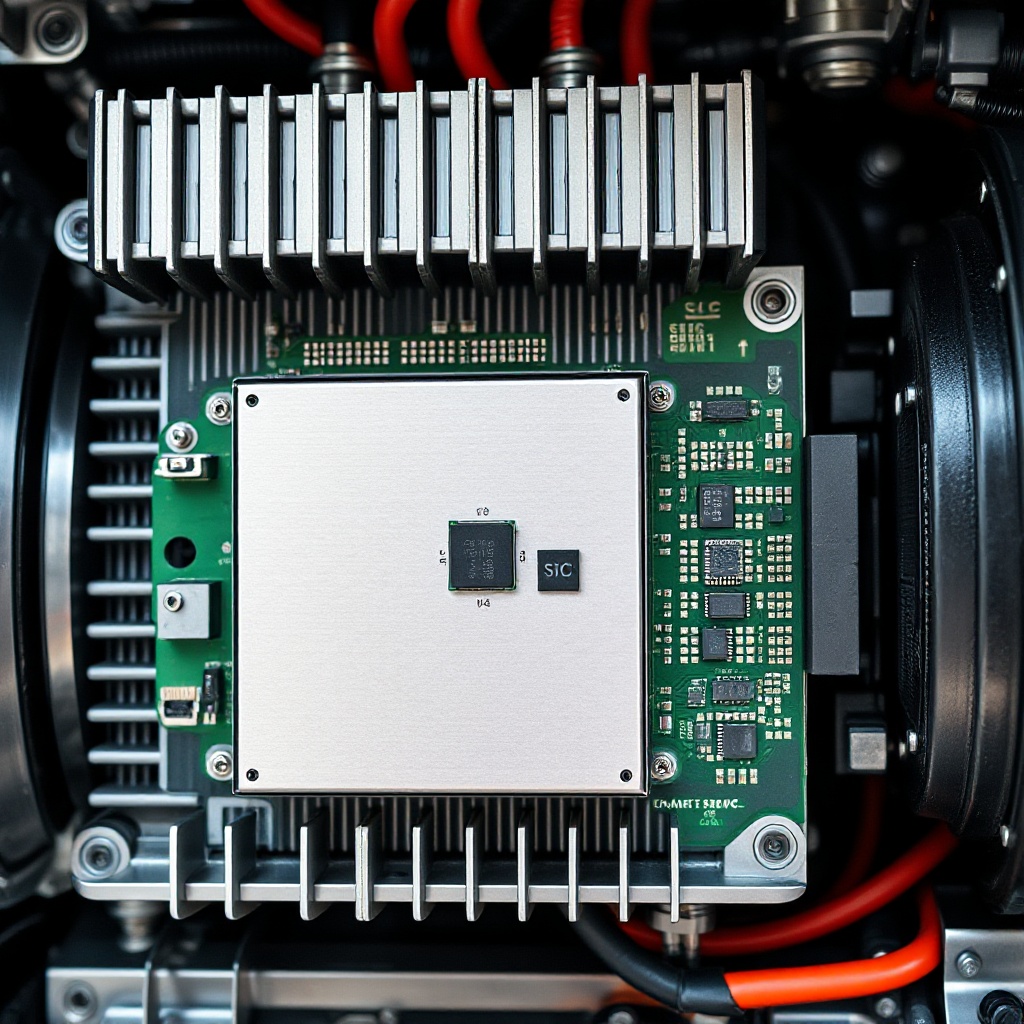
The challenge has always been finding the perfect balance between switching speed and system protection. Faster switching reduces energy losses but can create dangerous voltage spikes and electromagnetic interference. Traditional fixed-strength gate drivers can't adapt to changing conditions, forcing engineers to compromise between efficiency and reliability. Dynamic gate-driver strength control changes this paradigm by allowing real-time adjustments between 5A and 20A of gate drive current based on actual operating conditions.
Efficiency Gains and Range Extension
The impact of dynamic gate-driver control on EV performance is substantial. By precisely optimizing switching behavior, this technology can increase system efficiency by up to 2%. While this might sound modest, in the context of traction inverters that already operate at over 90% efficiency, these gains are significant. For the average EV, this improvement translates to approximately 7 additional miles per battery charge.
For regular EV users, the cumulative benefit can exceed 1,000 additional miles annually. The efficiency gains are most pronounced during the 80% to 20% battery discharge cycle, which represents approximately 75% of the typical charge cycle. This makes dynamic gate control particularly valuable for extending usable range during everyday driving scenarios.
Adaptive Performance Across Battery Discharge
The brilliance of dynamic gate-driver technology lies in its ability to adapt to changing battery conditions. The system intelligently adjusts gate drive strength based on battery state of charge and real-time operating parameters. This adaptive approach follows distinct strategies at different stages of battery discharge:
- At high state of charge (100-80%): Lower gate drive strength helps manage voltage overshoot within safe limits
- During mid-range operation (80-20%): Higher gate drive strength reduces switching losses and improves efficiency
- Near depletion (below 20%): Adjusted parameters maintain reliable operation despite voltage drop
By continuously monitoring the battery bus voltage throughout the discharge cycle, the system optimizes performance across the entire high-voltage battery energy cycle, maximizing both efficiency and protection.
Advanced Gate Driver Technology Implementation
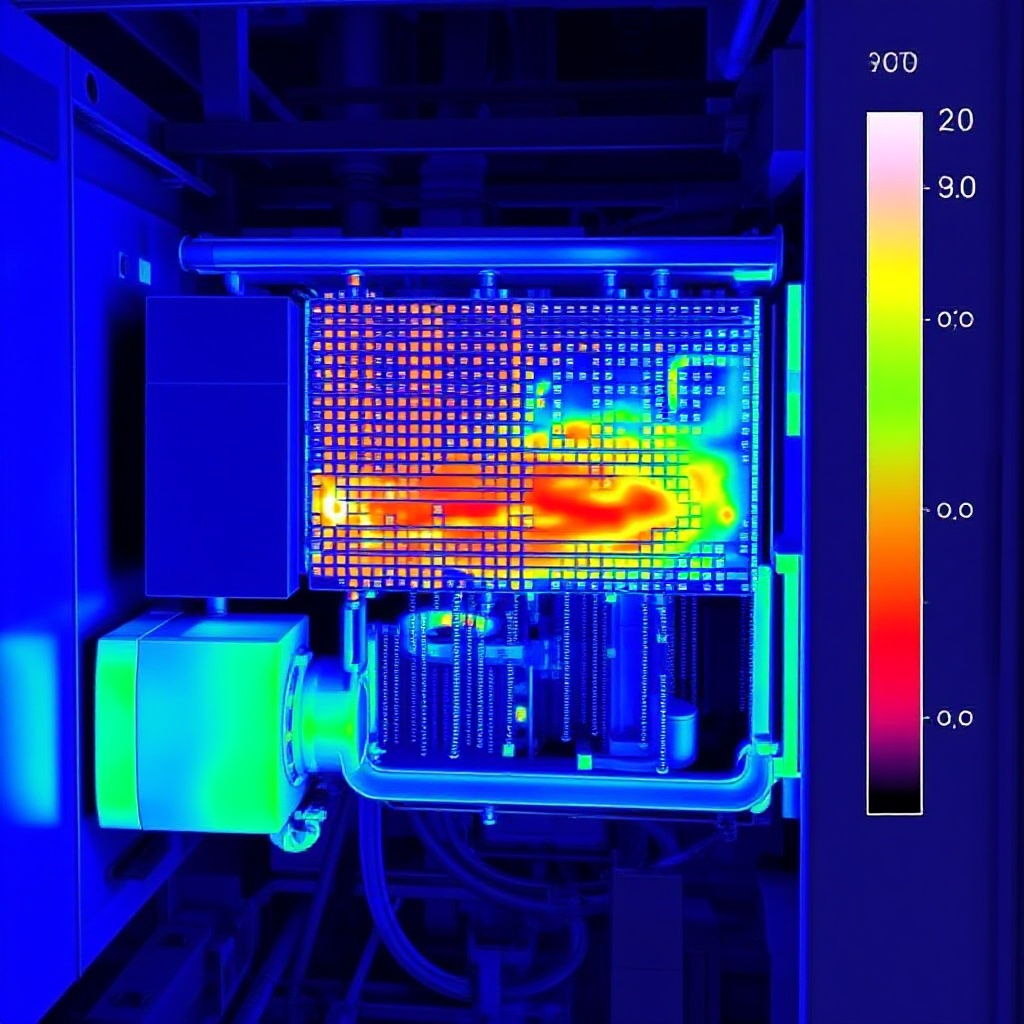
Implementation of dynamic strength control is achieved through sophisticated isolated gate driver ICs with double separation output design. These advanced drivers are programmable via SPI interfaces or dedicated digital input pins, allowing for precise configuration of switching parameters.
Leading examples in this space include:
- Texas Instruments UCC5880-Q1 with 20A peak drive capability
- NXP GD3162 with dynamic gate strength control via SPI
- Infineon EiceDRIVER family supporting up to 1,200V applications
These devices feature galvanic isolation between input and output sides and can support operation with high-voltage SiC and IGBT power modules up to 1700V, making them suitable for the most demanding EV power systems.
Enhanced Reliability and Power Device Protection
Beyond efficiency gains, dynamic gate control significantly enhances system reliability. The technology intelligently manages transient voltage overshoot based on battery voltage and state of charge, providing advanced monitoring and protection for expensive SiC and IGBT power devices.
These protective benefits include:
- Better thermal management through reduced switching losses
- Improved system robustness under varying load conditions
- Enhanced accommodation of power switch characteristics across temperature ranges
- Reduced electromagnetic interference through controlled switching transitions
This comprehensive protection approach extends component lifespans and ensures reliable operation even under extreme conditions, contributing to overall vehicle durability.
Meeting Stringent Automotive Safety Standards
Modern EV power electronics must meet increasingly strict safety requirements. Advanced gate drivers with dynamic strength control comply with ISO 26262 automotive safety standards, achieving failure detection rates of ≥99% for single failures and ≥90% for potential failures.
These drivers are qualified for ASIL D (Automotive Safety Integrity Level D) applications—the highest safety integrity level for automotive systems. They're also AEC-qualified for automotive environments, ensuring they can withstand the harsh conditions encountered in vehicle operation, from extreme temperatures to vibration and electromagnetic disturbances.
System Integration Benefits and Design Simplification
The integration benefits of dynamic gate-driver technology extend beyond performance improvements. Modern gate driver packages offer a smaller physical footprint through high integration, simplifying system design through programmable control options. This approach reduces overall system complexity and cost while supporting the latest SiC and IGBT power modules.
Additional integration advantages include:
- Peak source/sink currents of ±10A to ±20A for optimal switching control
- Built-in protection features (over-current, short-circuit, under-voltage)
- Tunable soft-off capabilities for improved short-circuit performance
- Isolated temperature and voltage sensing capabilities
These integrated features eliminate the need for numerous discrete components, reducing board space, assembly complexity, and potential failure points.
Enabling Next-Generation EV Architectures
Dynamic gate-driver control is a key enabler for future EV designs, powering traction inverter systems up to and exceeding 300kW. This technology is particularly critical for next-generation SiC-based traction inverters, which demand precise switching control to fully leverage their performance potential.
By addressing efficiency, reliability, and safety concerns simultaneously, dynamic gate control helps overcome key barriers to EV adoption. The flexibility to optimize designs for both efficiency and reliability supports the growing trend toward higher power density in EV designs, allowing manufacturers to create more compact, lighter, and more affordable electric vehicles.
As EV development accelerates, this adaptive gate control technology stands as a fundamental building block for the high-performance, highly efficient electric vehicles that will define the future of transportation.
Sources
eepower.com - Gate Drivers with Dynamic Gate Strength Improve EV Performance
powerelectronictips.com - SiC Gate Driver Benefits Traction Inverters for EVs
electronicdesign.com - Infineon's Isolated Gate Driver ICs Meet EV Traction Inverter Needs