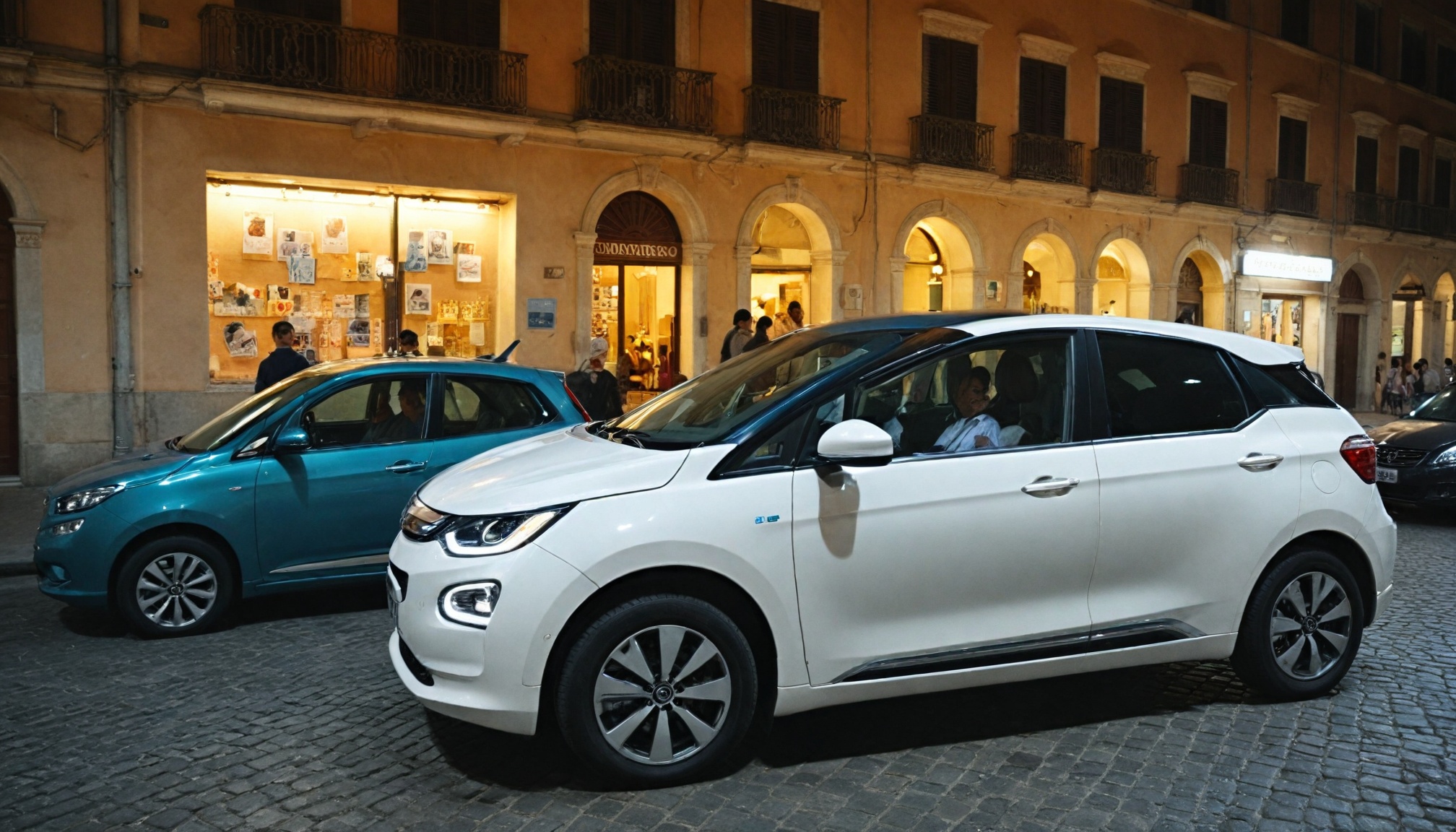
China transforms EVs into profit-generating assets with V2G technology, allowing owners to earn by selling stored energy back to the grid while supporting national power stability.

Drivetech Partners
China's electric vehicle (EV) market has evolved from simple transportation to a sophisticated energy ecosystem where cars double as power storage units. Through innovative Vehicle-to-Grid (V2G) technology, Chinese EV owners are now transforming their vehicles into profitable assets that generate income while supporting the national power grid's stability and sustainability goals.
Key Takeaways
- China's EV market is projected to reach USD 572.13 billion by 2029, creating ideal conditions for V2G technology adoption
- V2G technology allows EV owners to earn hundreds of yuan monthly by selling stored energy back to the grid during peak demand
- The National Development and Reform Commission has launched 50 pilot V2G projects across five cities to expand the technology
- This bidirectional energy flow helps balance grid supply and demand while supporting China's renewable energy integration goals
- Widespread adoption faces challenges including battery degradation concerns and the need for standardized protocols across vehicle brands

China's Booming EV Market Creates Perfect Environment for V2G
China's electric vehicle sector has experienced unprecedented growth in recent years. The market is projected to reach USD 377.72 billion by 2025, growing at an impressive 14% annually. This trajectory suggests further expansion to USD 572.13 billion by 2029, with a 10.9% compound annual growth rate from 2025-2029.
Electric vehicles now represent nearly half of all car sales in China, which accounts for approximately 65% of global electric car sales. This dominant position stems from substantial government investment—USD 30 billion poured into EV production—and consumer-friendly policies like tax exemptions extended through 2027.
The affordability factor has proven crucial for mass adoption. Over half of electric cars sold in China now cost less than comparable gasoline models, removing a significant barrier to entry. Under current policies, China is expected to reach an 80% EV sales share by 2030, creating the perfect foundation for advanced applications like V2G technology.
How V2G Technology Transforms EVs into "Mobile Power Banks"
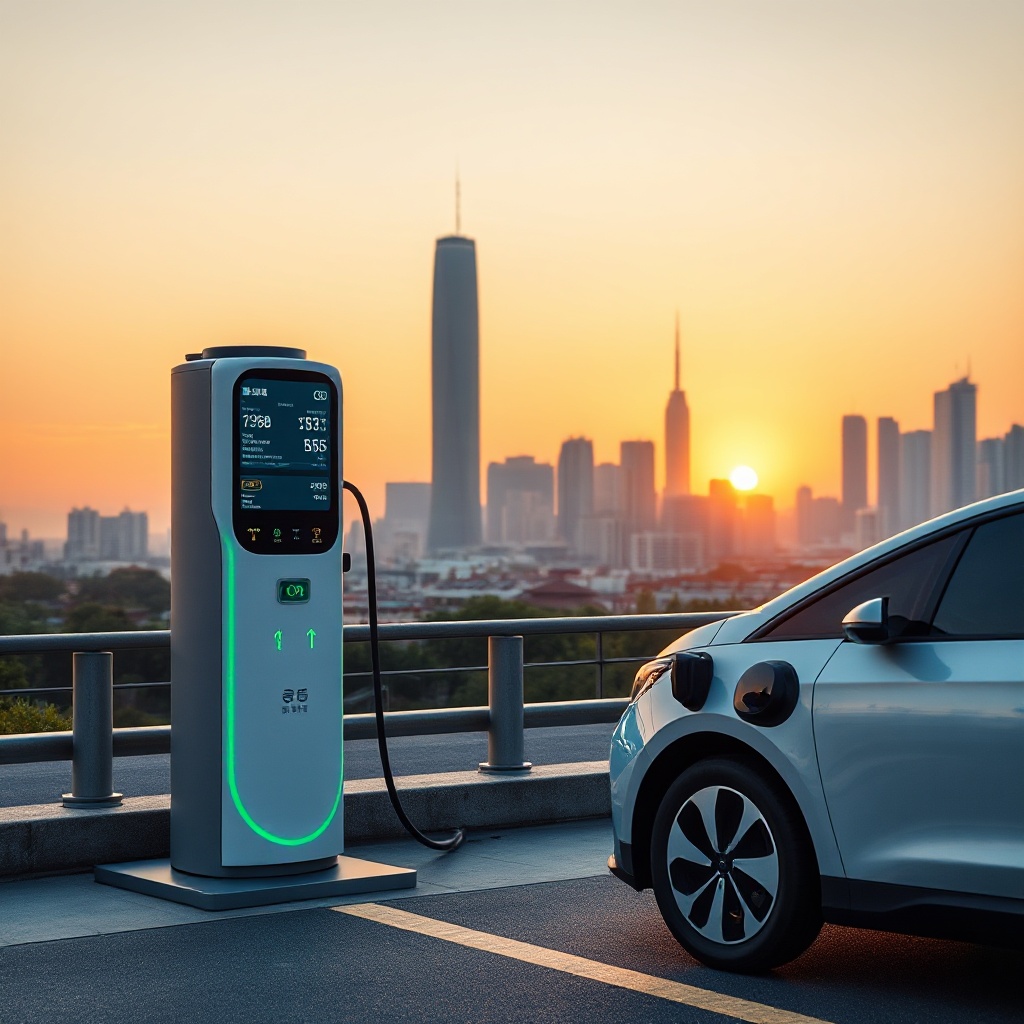
The core innovation of V2G technology lies in its bidirectional energy flow capability. Unlike conventional EV charging, which only moves electricity from grid to vehicle, V2G enables electric vehicles to send stored energy back to the power grid during shortages or peak demand periods.
China's National Development and Reform Commission (NDRC) formalized this approach with a joint notice issued on September 10, 2024, announcing an ambitious expansion of V2G technology. The program includes at least five pilot cities hosting 50 V2G projects, each required to offer a minimum 500 kilowatts of combined discharge power and achieve annual discharge requirements of at least 100,000 kilowatt-hours.
This system leverages time-of-use (TOU) electricity pricing to create a win-win scenario for both grid operators and vehicle owners. EV owners can charge their vehicles during off-peak hours when electricity rates are lower, then sell that energy back to the grid during peak demand periods when prices are higher.
Earning Potential: How Chinese EV Owners Profit from Energy Trading
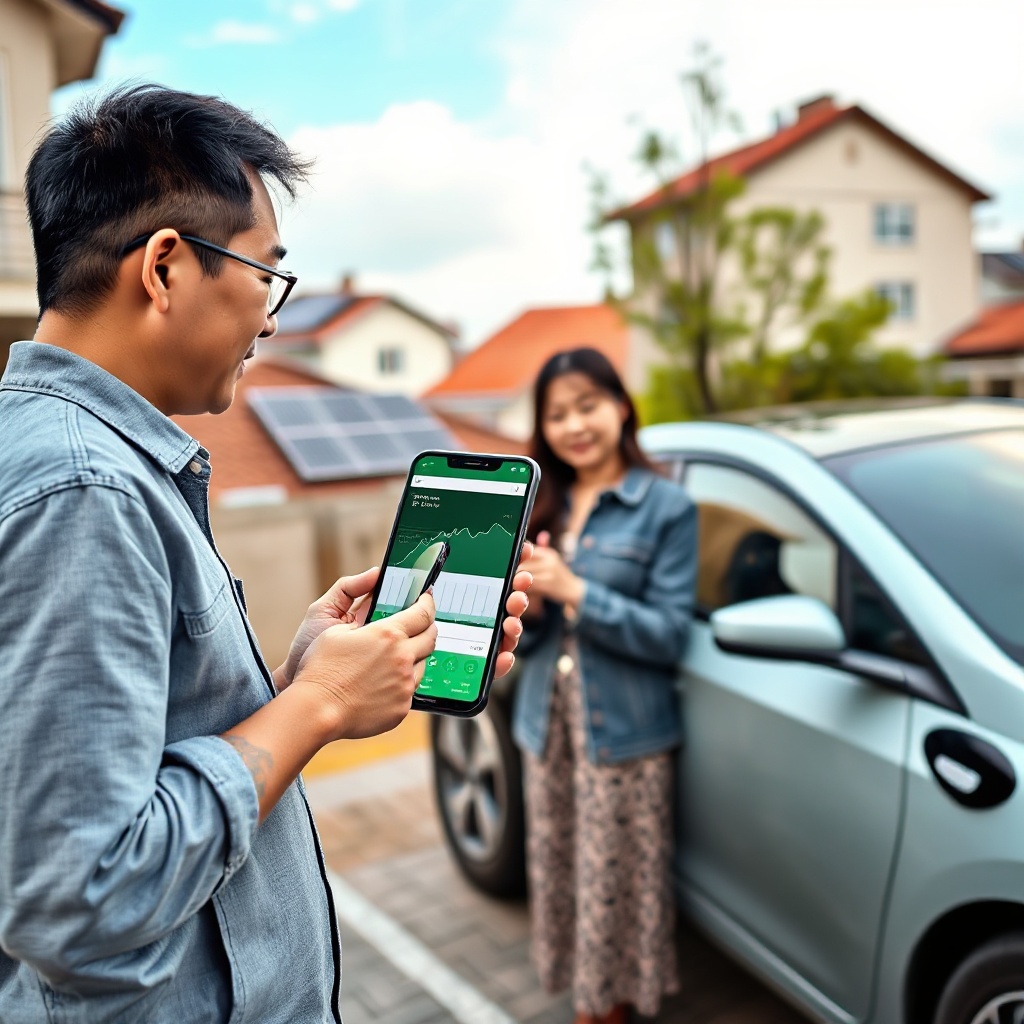
The financial incentives for EV owners participating in V2G programs are surprisingly substantial. Ordinary electric vehicle owners can earn hundreds of yuan monthly simply by strategically timing when they charge and discharge their vehicles.
China has set an ambitious target for 60% of annual charging to occur during off-peak hours by 2025, with private charging stations expected to exceed 80% off-peak charging. This shift not only maximizes savings for EV owners but also optimizes their potential earnings when selling power back to the grid.
The initial V2G integration focuses on high-usage vehicles from:
- Businesses with EV fleets
- Government offices
- Car rental services
- School buses
- Public transportation
These early adopters benefit from both the direct financial returns of energy trading and government incentives like trade-in grants offered through 2025 to encourage continued EV adoption.
Supporting China's Grid Stability and Renewable Energy Goals
Beyond individual profit, V2G technology plays a crucial role in balancing China's power supply and demand during peak consumption periods. The collective battery capacity of millions of electric vehicles functions as a massive distributed energy storage system that can be tapped when needed.
The successful implementation of V2G could significantly enhance China's energy storage capacity, supporting the country's broader renewable energy goals. This technology enables greater grid flexibility by 2030, acting as a distributed energy resource to complement centralized power generation.
One of the most valuable benefits is V2G's ability to help integrate intermittent renewable energy sources like solar and wind. When renewable generation is high but demand is low, EVs can store the excess energy. Later, when generation drops but demand rises, that stored energy can be fed back into the grid, reducing the need for additional conventional power plants.
The Competitive Landscape: Chinese Manufacturers Leading the V2G Push
The competitive dynamics within China's EV market have shifted dramatically. Tesla's market share declined from 20% in 2021 to 10% in 2025, while domestic manufacturers have surged forward. BYD now commands 27% of China's new energy vehicle market, with new players like Xiaomi entering with advanced models such as the YU7 electric SUV.
China led the global plug-in hybrid (PHEV) market with a 73.1% share in January 2025. Domestic manufacturers are increasingly incorporating V2G capabilities into their new models, recognizing both consumer demand for this feature and its strategic importance to China's energy infrastructure.
Chinese automakers are forming strategic partnerships with utility companies to advance V2G integration, creating ecosystems that benefit both vehicle owners and grid operators. This collaborative approach has helped drive the technology forward at a pace unmatched in other markets.
Technical Hurdles and Battery Concerns
Despite its promise, V2G technology faces several significant challenges. Technical hurdles include unresolved power market reforms and evolving battery technologies that must be optimized for bidirectional energy flow.
A persistent concern involves battery longevity and lifecycle impacts from frequent charging and discharging cycles. Many potential adopters worry that battery degradation could impact vehicle resale value or require expensive replacements sooner than anticipated.
Other technical challenges include:
- Need for standardized V2G protocols across vehicle brands and grid systems
- Questions about warranty implications for batteries used in V2G services
- Requirement for smart charging management systems to optimize battery health
Research is ongoing to quantify the exact impact of V2G on battery lifespan, with manufacturers working to develop specialized battery chemistries that can better withstand the additional cycling demands of grid services.
Future Outlook: Scaling V2G Adoption Nationwide
The path to widespread V2G adoption in China requires addressing several key factors. Public education about V2G benefits and operation remains essential, as many potential users still lack understanding of how the technology works and what financial returns they might expect.
Expansion of charging infrastructure is critical to support widespread V2G adoption, along with the development of user-friendly interfaces and apps for energy trading that make participation simple for average consumers.
Looking ahead, the technology holds potential for vehicle-to-home (V2H) applications to increase resilience during outages. Future regulatory frameworks will need to standardize compensation models, while creating opportunities for China to export V2G technology and expertise globally.
The integration with smart city initiatives and IoT technologies represents the next frontier, potentially transforming China's vast EV fleet into the world's largest distributed power plant—simultaneously creating wealth for vehicle owners, stability for the grid, and sustainability for the environment.
Sources
GlobalNewswire - China Electric Vehicle and Charging Infrastructure Market Report 2025
Carbon Credits - 2025 EV Sales Surge: Which Countries Are Winning the Electric Race?
EVXL - Tesla Faces Decline China Rivals Surge
Autovista24 - China starts 2025 at the front of the global EV market
KR Asia - Why China is betting on V2G to stabilize its overworked power grid