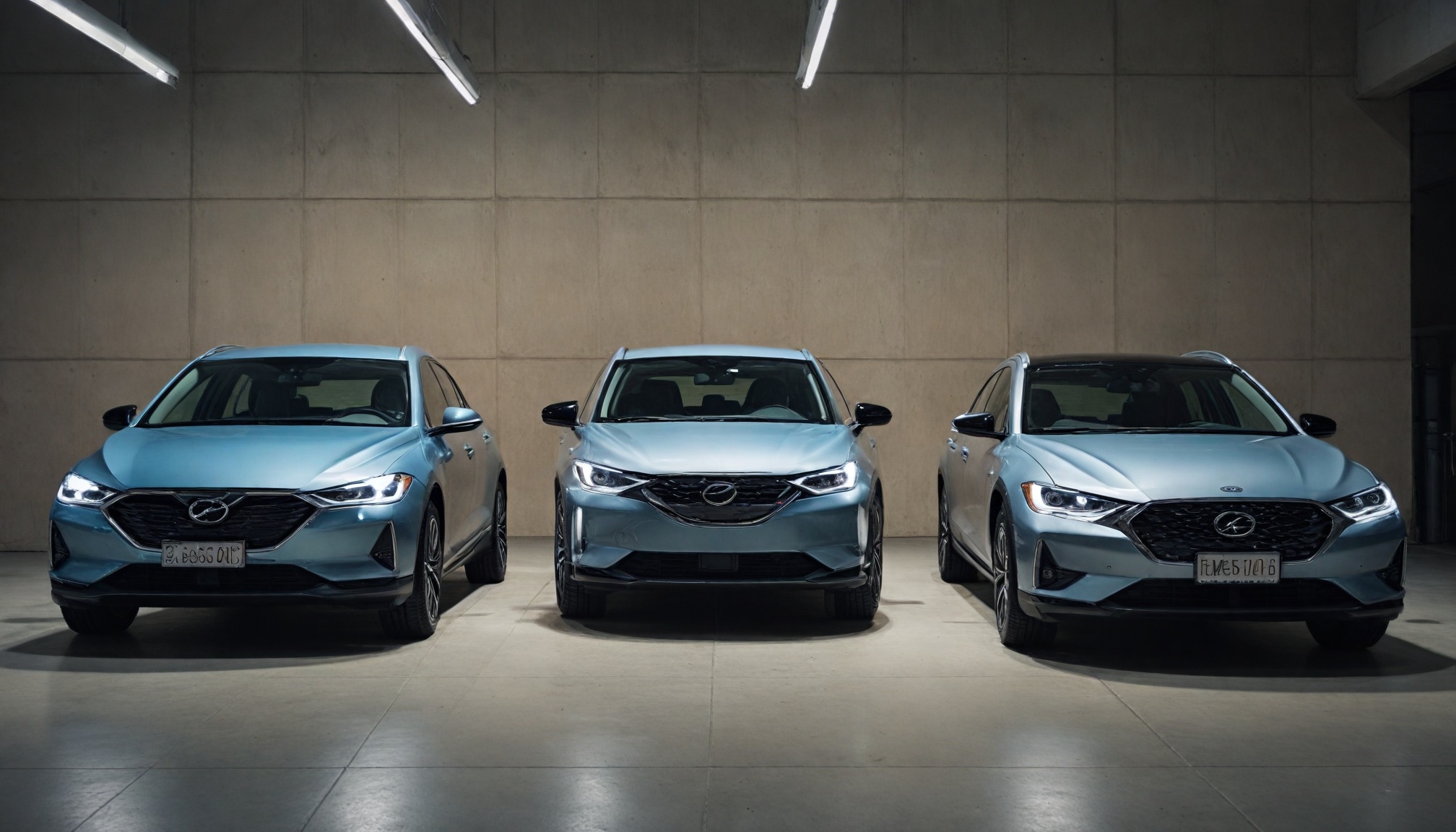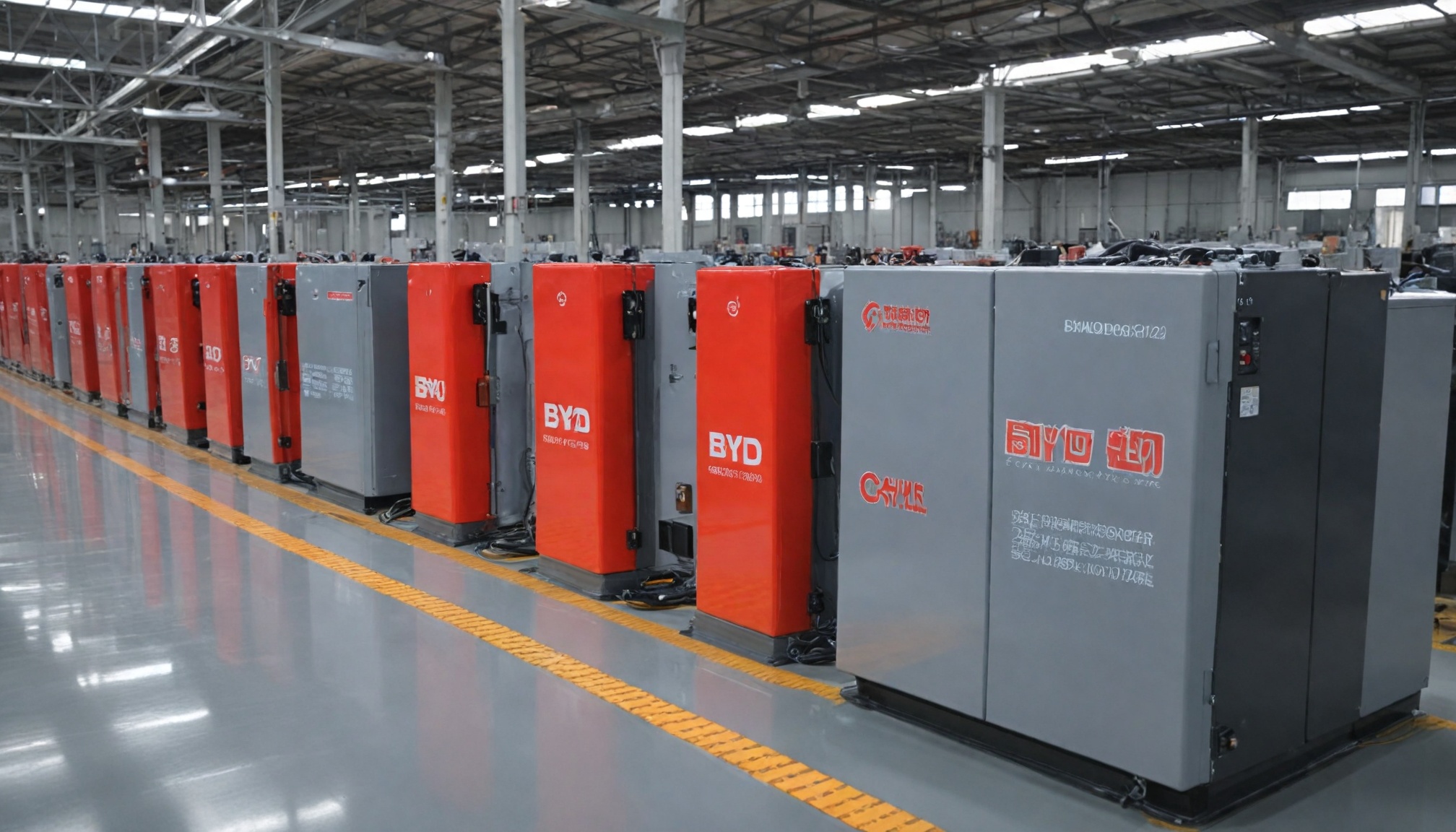
BYD's Blade Battery revolutionizes EV tech with unmatched safety, million-kilometer lifespan, and innovative design that outperforms competitors at lower costs.

Drivetech Partners
BYD's revolutionary Blade Battery technology is transforming the electric vehicle landscape by setting unprecedented standards for safety, longevity, and performance. The innovative lithium iron phosphate (LFP) battery design combines structural ingenuity with advanced chemistry to deliver a solution that addresses critical consumer concerns while pushing China to the forefront of global battery innovation.
Key Takeaways
- BYD's Blade Battery demonstrates extraordinary safety performance in extreme tests, with minimal temperature rise during nail penetration compared to conventional batteries
- The unique Cell-to-Pack design features long, thin prismatic cells that increase energy density by 50% over traditional LFP batteries
- With 3,000-5,000 charge cycles supporting over 1 million kilometers of driving, Blade Batteries often outlast the vehicles they power
- The innovative design delivers 20-30% lower costs through reduced materials, simplified assembly, and BYD's vertical manufacturing integration
- BYD has surpassed Tesla in global EV sales, with Blade Battery technology serving as a key competitive advantage
Redefining Battery Safety Standards
Safety concerns have been a significant barrier to EV adoption, but BYD's Blade Battery is changing this perception through groundbreaking safety innovations. The battery has survived extreme tests that would cause conventional batteries to combust or explode. During nail penetration tests, the Blade Battery's temperature rises only 30-60°C, compared to over 200°C for standard LFP batteries and a dangerous 500°C+ for nickel-manganese-cobalt (NMC) or nickel-cobalt-aluminum (NCA) alternatives.
The key safety advantage comes from two factors: the inherent stability of LFP chemistry, which doesn't release oxygen during failure, and advanced cooling strategies that prevent thermal runaway. BYD has demonstrated the Blade Battery's resilience through additional extreme tests, including:
- Exposure to a 300°C furnace
- 260% overcharge scenarios
- Crushing under a 46-ton truck
In each case, the Blade Battery maintained its integrity without fire or explosion, establishing new safety benchmarks for the industry. This performance directly addresses one of the most significant consumer concerns about electric vehicles, potentially accelerating broader EV adoption.
Innovative Structural Design: The Cell-to-Pack Revolution
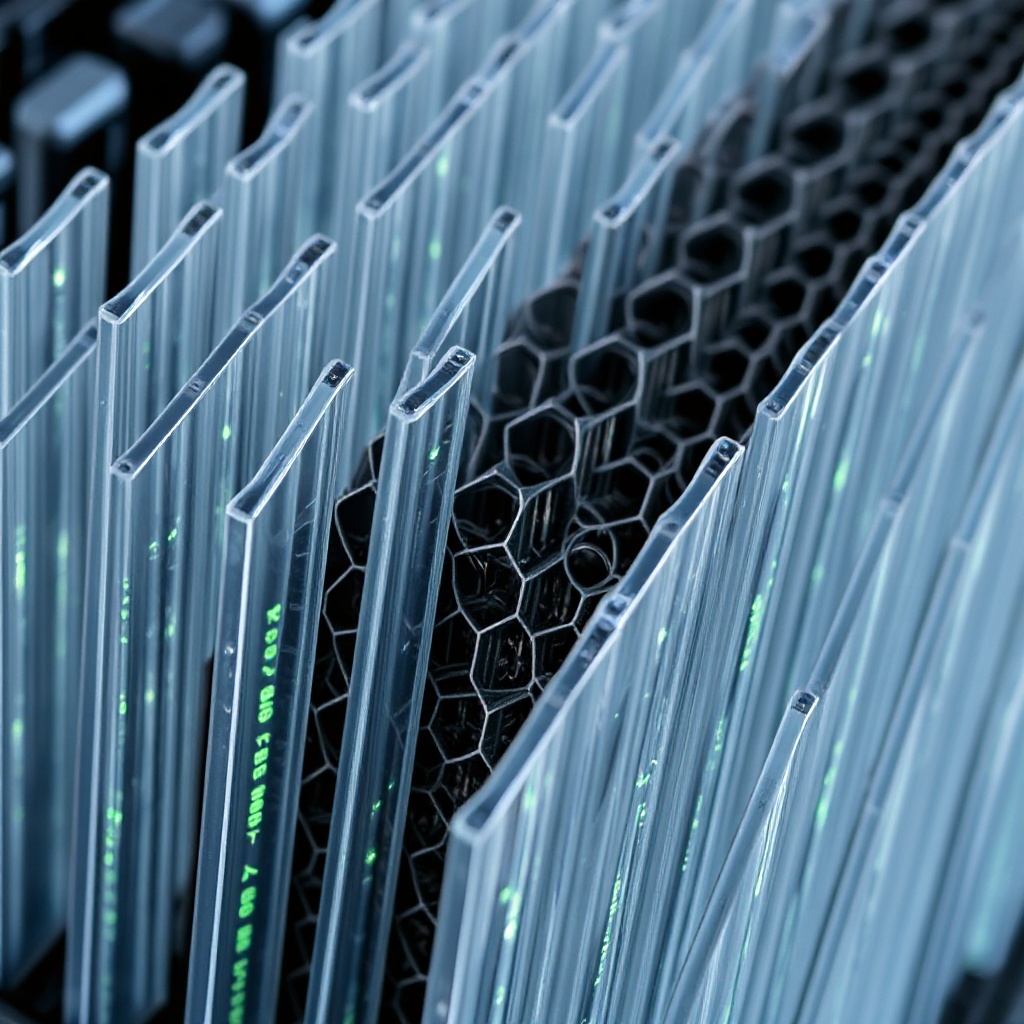
The Blade Battery gets its name from its distinctive structural design—long, thin prismatic cells (typically 96cm x 9cm) that are arranged vertically in the battery pack. Unlike conventional battery systems that use module-based architectures, the Blade Battery employs a module-free Cell-to-Pack (CTP) format. These blade-like cells function as structural beams within the battery pack, creating a honeycomb sandwich architecture that delivers exceptional rigidity.
This innovative approach increases space utilization by over 50% compared to conventional designs, achieving volumetric energy densities of 439-450 Wh/L—far surpassing typical LFP batteries that range from 120-230 Wh/L. By eliminating module components and optimizing the pack layout, BYD has found a way to overcome traditional LFP energy density limitations while maintaining the chemistry's inherent safety advantages.
The structural efficiency of this design not only improves energy density but also enhances crash safety. The honeycomb architecture distributes forces across the pack, providing better protection for the cells while eliminating unnecessary structural components that add weight and reduce efficiency.
Exceptional Lifespan and Range Capabilities
One of the most impressive aspects of the Blade Battery is its extraordinary longevity. These batteries can deliver between 3,000 and 5,000 charge-discharge cycles, supporting over one million kilometers of driving—often exceeding the lifespan of the vehicle itself. This extended lifecycle dramatically improves the total cost of ownership while reducing the environmental impact associated with battery replacement.
Despite using LFP chemistry, which traditionally offers lower energy density than nickel-based alternatives, BYD's Blade design enables impressive ranges in their vehicles. The Sea Lion 07 achieves up to 850 kilometers (CLTC standard), and even under challenging -10°C cold-weather testing, BYD vehicles have demonstrated ranges of up to 748 kilometers.
The battery's resilience is further highlighted by its ability to maintain strong performance even after high-stress events. In demonstrations, Blade Batteries continue operating normally after extreme testing scenarios, reinforcing their reputation for durability and reliability.
Cost-Effectiveness and Production Scalability

BYD's Blade technology represents a significant advancement in battery economics, enabling 20-30% lower battery pack costs compared to conventional designs. This cost reduction stems from multiple factors: reduced raw material usage, simplified assembly processes, and the inherent affordability of LFP chemistry, which avoids expensive metals like cobalt and nickel.
A crucial advantage for BYD lies in its comprehensive vertical integration strategy. The company controls the entire supply chain from raw materials to final battery assembly, ensuring cost control and rapid production scaling capabilities. This integration becomes increasingly valuable as global battery material supplies face constraints.
The extended lifespan of Blade Batteries further improves the total cost of ownership for consumers. With batteries often outlasting the vehicles they power, the likelihood of expensive mid-life battery replacements is significantly reduced, making electric vehicles more financially attractive over their complete lifecycle.
Advanced Charging and Next-Generation Developments
BYD isn't resting on its current technology. The second-generation Blade Battery, scheduled for launch in 2025, promises to increase energy density by 30% while enabling ultra-fast charging capabilities of up to 8C (meaning the battery can be charged at a rate 8 times its capacity). This advancement would allow a 10-80% recharge in just 15 minutes, addressing another key barrier to EV adoption.
Looking further ahead, BYD's technology roadmap includes ambitious solid-state battery development targeting 400 Wh/kg energy density and 1,500km range (NEDC standard) by 2030. These advancements would firmly establish BYD as a global battery technology leader across multiple chemistry types.
Even the current generation of Blade technology supports rapid charging while maintaining thermal stability and safety—a combination that has proven elusive for many battery manufacturers. This balance of performance, safety, and charging speed represents a significant competitive advantage in the rapidly evolving EV marketplace.
Global Market Impact and Leadership
BYD's technological innovations have translated directly into market success. The company surpassed Tesla in global EV sales in late 2023, with Blade Battery technology serving as a key differentiator in this competitive landscape. As BYD expands its overseas presence, the company is increasingly being recognized as a technology leader rather than merely a low-cost manufacturer.
This global expansion includes growing supply partnerships, with major manufacturers like Tesla, Toyota, and Hyundai reportedly evaluating Blade technology for potential incorporation into their vehicles. Such partnerships could significantly accelerate the adoption of BYD's battery innovation beyond its own vehicle lineup.
The success of the Blade Battery has positioned China at the forefront of global battery innovation during a period of intense international competition. As countries and companies worldwide race to establish battery technology leadership, BYD's practical approach—focusing on safety, longevity, and manufacturability—has yielded tangible market advantages.
Versatile Applications Beyond Passenger Vehicles
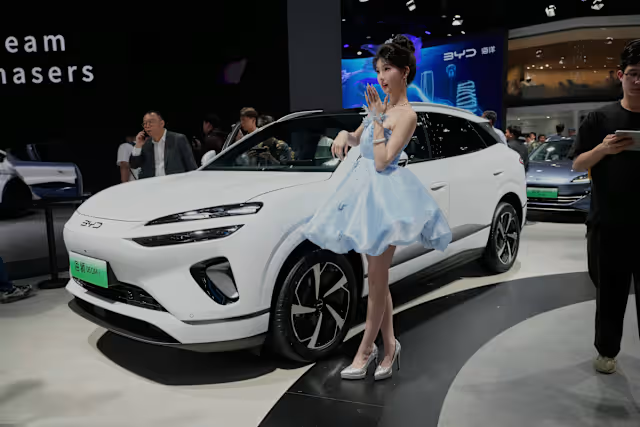
While passenger cars receive the most attention, BYD's Blade Battery technology powers a diverse range of models including the Han sedan, Tang SUV, Sea Lion 07, and premium Yangwang U7. This versatility demonstrates the adaptability of the technology across different vehicle sizes, styles, and price points.
Beyond consumer vehicles, BYD is expanding Blade Battery applications into commercial vehicles, buses, two/three-wheelers, industrial equipment, and grid energy storage systems. This broad applicability positions BYD for sector-wide electrification beyond automotive markets, potentially multiplying the technology's impact on global energy transition.
The adaptability of the basic technology to various applications highlights its fundamental engineering soundness. Rather than creating multiple specialized battery technologies for different use cases, BYD has developed a platform that can be scaled and adapted across sectors—maximizing manufacturing efficiency and accelerating adoption.
Technical Challenges and Ongoing Improvements
Despite its advantages, the Blade Battery faces some challenges. Cold weather performance—a traditional weakness of LFP chemistry—has been addressed through active thermal management systems, minimizing capacity loss in all but extreme conditions. These systems ensure consistent performance across varying climates, though they add some complexity to the overall battery system.
The structural adhesives and large-cell format that provide many of the Blade Battery's advantages also create some repairability challenges. Additionally, the specialized design currently has limited standardization with non-BYD EV architectures, potentially restricting its broader adoption in the short term.
BYD continues to improve the technology to address these limitations while maintaining the core safety and longevity advantages that differentiate Blade Batteries in the marketplace. The upcoming second-generation technology promises to resolve many current constraints while pushing performance boundaries even further.
As the EV industry matures, BYD's focus on practical, manufacturable solutions that prioritize safety and longevity positions the company well for continued leadership in the global battery technology race. The Blade Battery represents not just an incremental improvement but a fundamental rethinking of how EV batteries can be designed, manufactured, and deployed at scale.
Sources
- powerelectronicsnews.com - The Blade That Cuts Ahead: Inside BYD's Battery Formula for Leading the EV Race
- batteryswapstation.com - What is BYD Blade Battery?
- en.wikipedia.org/wiki/BYD_Blade_battery
- byd.com - BYD Blade Battery
- thedriven.io - BYD tests solid-state battery it says can deliver 1500 km EV range