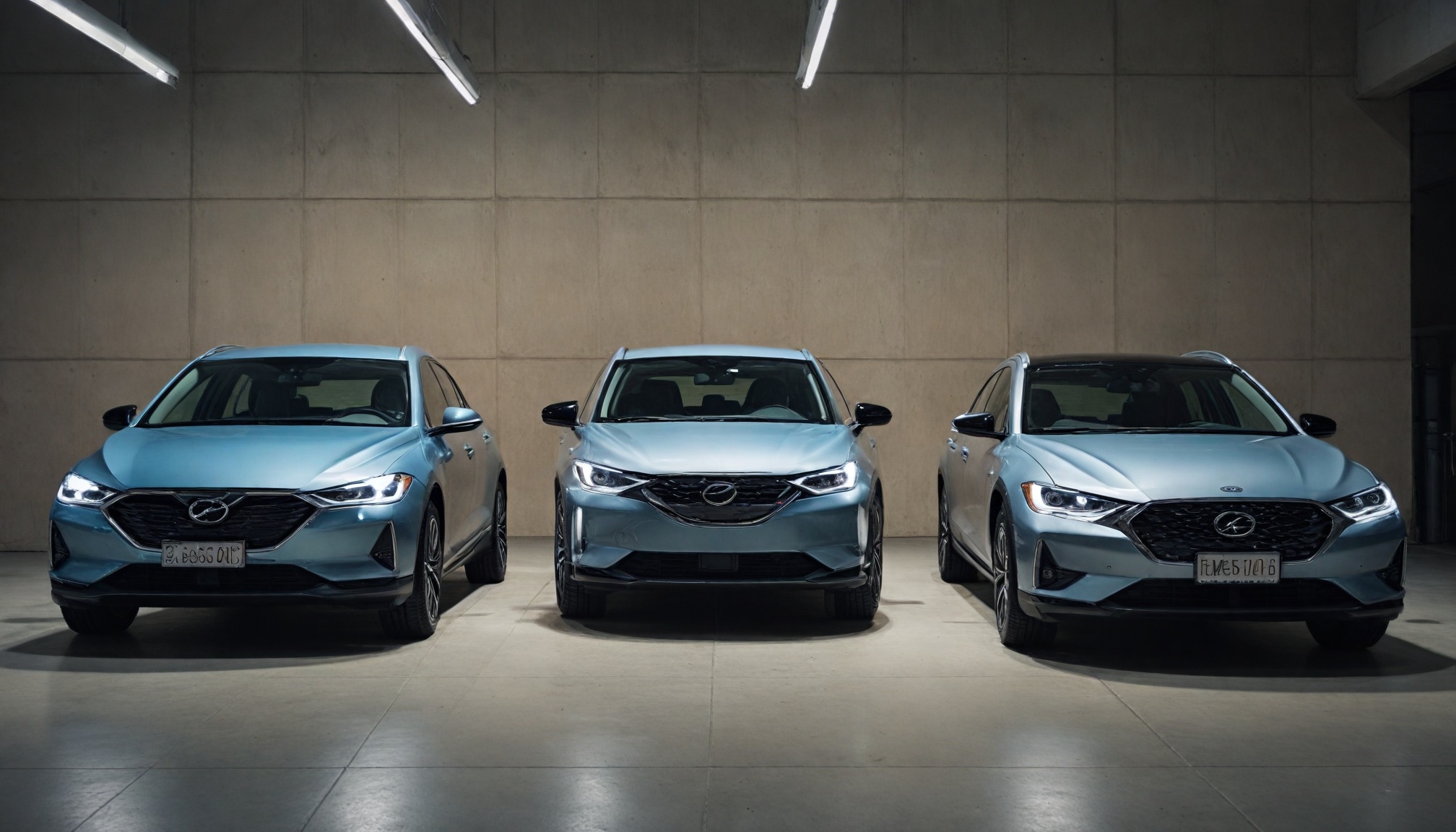
BMW's triple-platform strategy offers unmatched flexibility for EVs, combustion engines, and hybrids—adapting to unpredictable market demands while maintaining manufacturing efficiency across global regions.

Drivetech Partners
BMW's three-platform strategy represents a significant shift in automotive electrification thinking, moving away from all-or-nothing approaches to a more nuanced, market-responsive solution. The German automaker is preparing for an unpredictable transition period by developing three distinct yet complementary vehicle architectures that allow for maximum flexibility across different markets, regulatory environments, and consumer preferences.
Key Takeaways
- BMW's triple-platform approach includes dedicated EV, combustion-only, and flexible multi-energy architectures, providing unmatched adaptability
- This strategy allows BMW to respond to regional market differences and unpredictable global EV adoption rates that have challenged competitors
- Manufacturing efficiencies enable different drivetrains to be built on shared assembly lines, reducing costs and complexity
- The approach provides built-in risk mitigation as BMW can quickly shift production between powertrain types as market conditions change
- BMW's Neue Klasse platform launching in 2026 will showcase cutting-edge EV technology while other platforms ensure continued profitability
BMW's Triple-Architecture Approach Offers Maximum Flexibility
BMW is consolidating its future lineup into three distinct yet complementary platforms, moving beyond the industry's binary view of electrification. This strategic evolution represents a sophisticated response to a complex automotive transition period where consumer preferences and regulatory requirements vary dramatically by region.
The first platform is the Neue Klasse – a ground-up EV-only architecture launching in 2026 with the next-generation iX3 and i3 sedan. This platform is optimized specifically for electric propulsion, with advantageous weight balance, superior aerodynamics, and next-gen software integration without the compromises that come from adapting combustion vehicle designs.
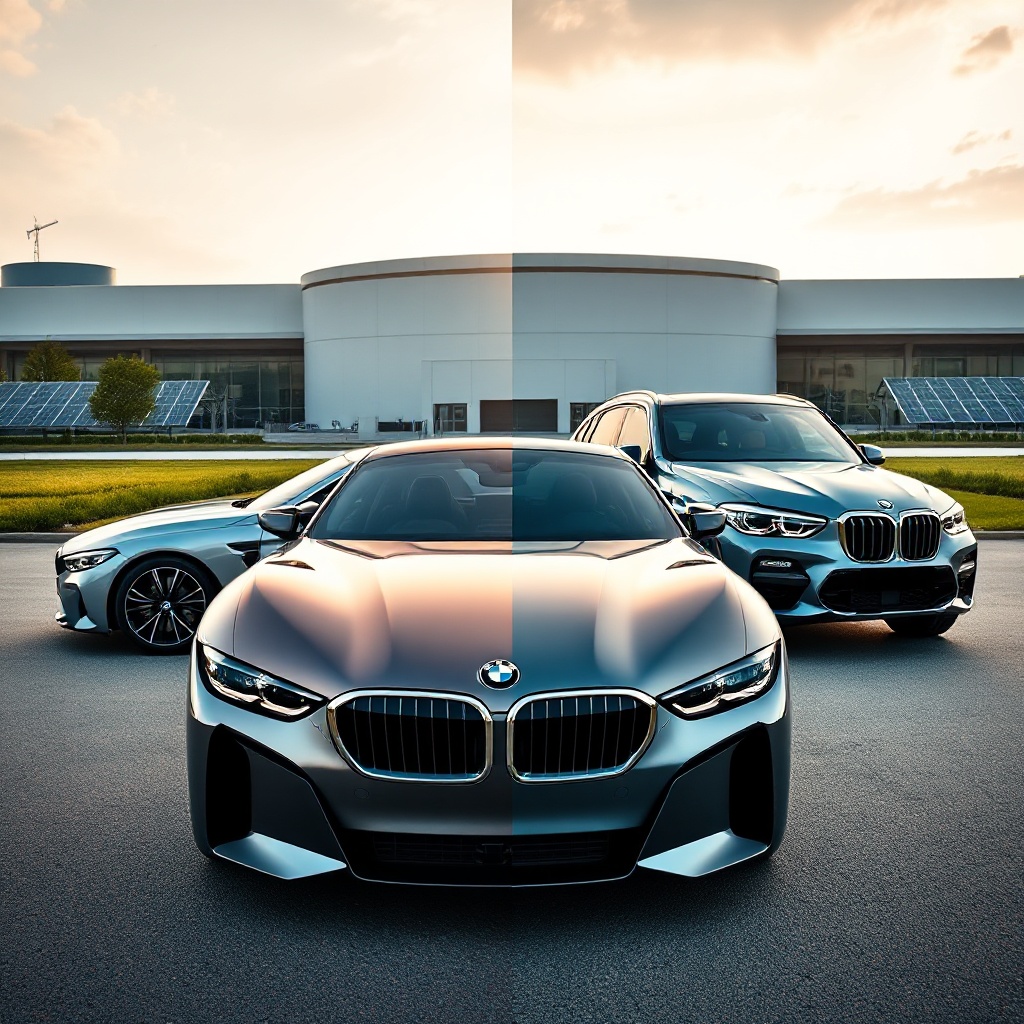
The second platform maintains a combustion-only focus, primarily targeting entry-level models and markets where ICE demand will persist long after Western markets transition to electric vehicles. This platform remains critical for maintaining global profitability in regions like India, the Middle East, and Eastern Europe where EV infrastructure remains limited.
The third platform is perhaps the most innovative – a multi-energy architecture designed for larger vehicles that can accommodate internal combustion engines, hybrids, or full battery electric powertrains on the same assembly lines. This flexibility extends through BMW's current CLAR (rear-wheel drive) and FAAR (front-wheel drive) platforms, which support various propulsion types including hydrogen fuel cells in some CLAR applications.
Betting on Unpredictable Global EV Adoption Rates
The automotive industry faces significant uncertainty as governments worldwide have retreated from aggressive all-EV deadlines. This policy recalibration has created considerable market uncertainty that BMW's flexible approach is uniquely positioned to address.
Regional differences in charging infrastructure development, government incentive policies, and consumer preferences make singular EV-only strategies increasingly risky for global automakers. Competitors who committed exclusively to electric powertrains are now scaling back targets due to slower-than-projected demand growth in many markets.
BMW's philosophy of "technology openness" provides built-in resilience against market fluctuations and regulatory changes. This approach has already shown results in markets like the UK, where in 2024 BMW achieved a 22.6% share of the premium EV segment with 18% year-over-year EV sales growth while still maintaining strong ICE and hybrid demand.
Manufacturing Innovation Drives BMW's Platform Strategy
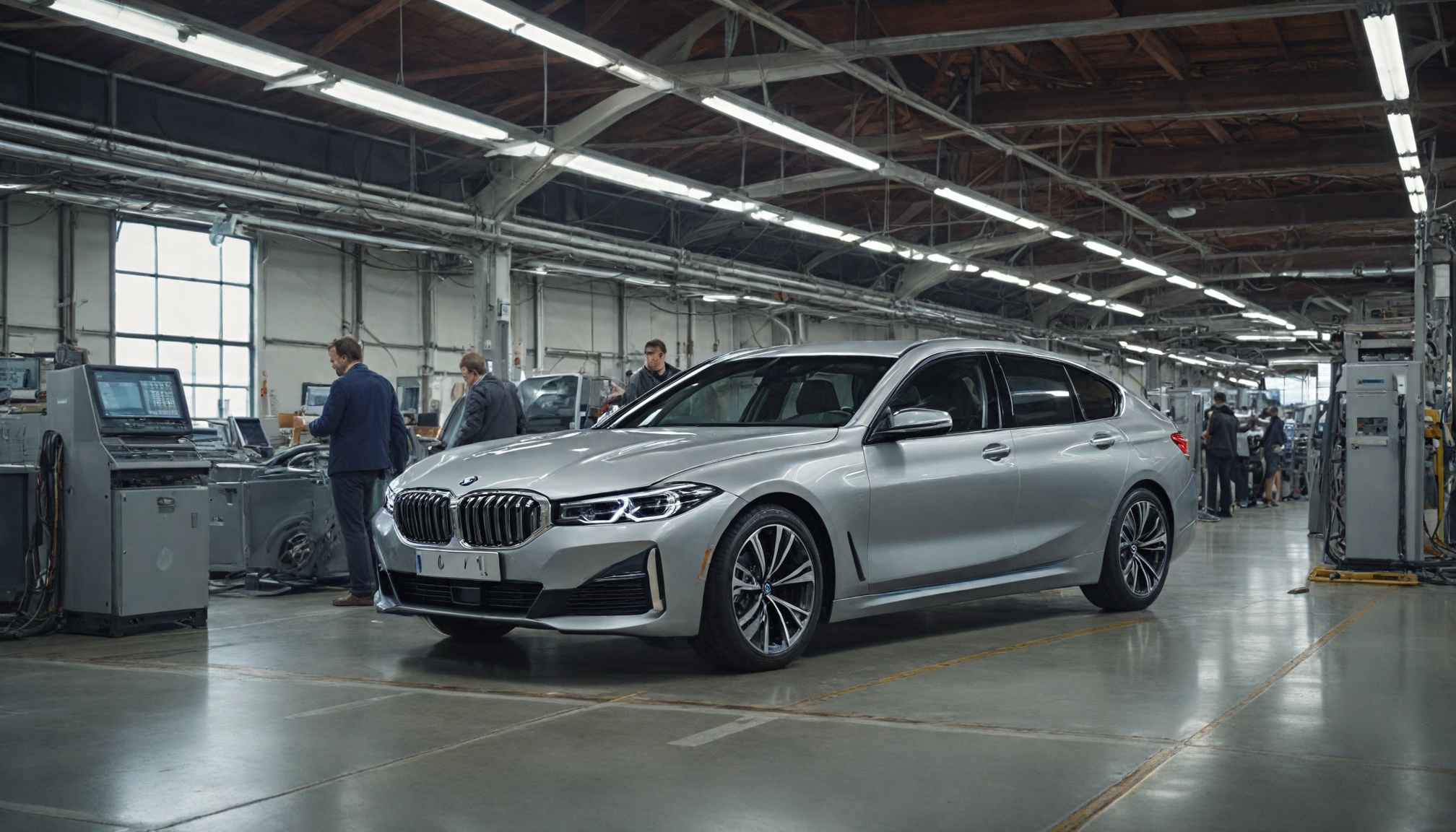
At the heart of BMW's three-platform approach is a manufacturing revolution that allows different drivetrains to be built efficiently on shared assembly lines, reducing production complexity and costs. This flexible architecture represents a significant competitive advantage in an era of rapid technological change.
The Debrecen plant in Hungary showcases BMW's manufacturing future: a fully electric facility partially powered by a 50-hectare solar array producing 45 GWh annually. The plant features zero local emissions in paint shops, reducing annual CO2e by up to 12,000 tonnes.
Advanced manufacturing techniques employed at these facilities include digital twin manufacturing and AI-driven quality control systems that enable rapid adaptation and defect reduction. The Gen6 cylindrical battery production integrated into these plants offers 20% higher energy density and up to 50% cost reduction in battery packs compared to previous generations.
Risk Mitigation Through Drivetrain Diversity
Multiple drivetrain support enables quick production shifts as regional preferences evolve – a critical competitive advantage in uncertain times. This adaptability allows BMW to simultaneously offer the same model (like the X5) as a pure electric vehicle in EV-friendly markets like Norway, a plug-in hybrid in transitional markets like Japan, and a traditional turbo-petrol model in markets like India where EV infrastructure remains limited.
BMW's continued hydrogen development through the flexible CLAR architecture provides another future-proofing element that few competitors can match. This adaptability stands in stark contrast with competitors who face difficult adjustments as EV sales growth slows below projections.
The approach is already yielding results, with 125,265 electric BMWs sold in 2024 (representing 12% growth) while maintaining profitable ICE sales – demonstrating the balanced approach's effectiveness across global markets with vastly different adoption timelines.
Neue Klasse: BMW's EV Technology Showcase
While maintaining flexibility across platforms, BMW is still pushing the boundaries of electric vehicle technology with its dedicated Neue Klasse platform. The architecture features an 800V electrical system that enables 30% faster charging, with up to 900 km range in some models.
The platform incorporates Gen6 cylindrical cells that provide 20% higher energy density in 10% lighter battery packs. This translates to up to 500 miles (805 km) WLTP range with an impressive 372 km recovered in just 10 minutes of 800V fast charging.
BMW's "Heart of Joy" intelligent drivetrain management system optimizes performance across different driving conditions, while the modular design allows configuration from single to quad-motor setups tailored to different market segments. This combination of range, charging speed, and performance flexibility ensures BMW can compete with pure EV manufacturers while maintaining its broader market coverage.
Fast-Changing Regional Regulations Drive Platform Flexibility
European emission regulations continue tightening despite slower EV adoption timelines, creating a complex regulatory landscape that requires adaptable manufacturing approaches. China's dual-credit system requires balancing ICE and EV production, perfectly suited to BMW's multi-platform approach.
In the United States, state-by-state adoption of California standards creates a patchwork regulatory environment best addressed with flexible manufacturing capabilities. BMW's platform strategy enables compliance with varying standards without production disruption.
The upcoming Euro 7 standards and similar regulations worldwide can be met through the multi-energy platform without full electrification – allowing BMW to maintain profitability while transitioning at a pace that matches market readiness rather than arbitrary timelines.
Production Efficiencies Through Shared Assembly Lines
Common chassis and body components across drivetrain types reduce parts inventory and supplier complexity, creating significant economies of scale. A single assembly line can produce ICE, hybrid and full EV models with minimal retooling, dramatically improving manufacturing efficiency.
This approach also enhances supply chain resilience as production can shift between drivetrain types during component shortages – a critical advantage in an era of frequent supply disruptions. BMW's Debrecen plant will produce the iX3 starting October 2026, showcasing these flexible manufacturing principles in action.
The shared platforms reduce development costs, with savings reinvested in both EV and ICE technology advancement. This allows BMW to maintain technological leadership across all powertrain types rather than focusing exclusively on electric technology at the expense of its current customer base.
A Vindicated Approach in an Uncertain Industry
BMW's balanced strategy provides technological advancement while maintaining market stability amid industry uncertainty. The multi-platform approach caters to diverse customer needs while balancing profitability requirements across global markets with vastly different electrification timelines.
The broader automotive industry is now shifting toward BMW's position that one-size-fits-all electrification is unrealistic. This places BMW in a position to lead in both EV innovation and overall market share as competitors struggle with all-electric commitments that may have been premature in many markets.
The three-platform strategy allows BMW to maintain its premium positioning while navigating the complex transition to electrification at different speeds globally. Rather than forcing customers into electric vehicles before they're ready, BMW can meet customers where they are while still advancing the technology that will eventually power its entire fleet.
Sources:
Autocar India - BMW to consolidate future model lineup on just three platforms
Electric Car Scheme - BMW Electric Cars UK: Complete Guide 2025
EV News Daily - Introducing BMW's Neue Klasse Platform
Electrive - BMW to start iX3 series production in Debrecen in October