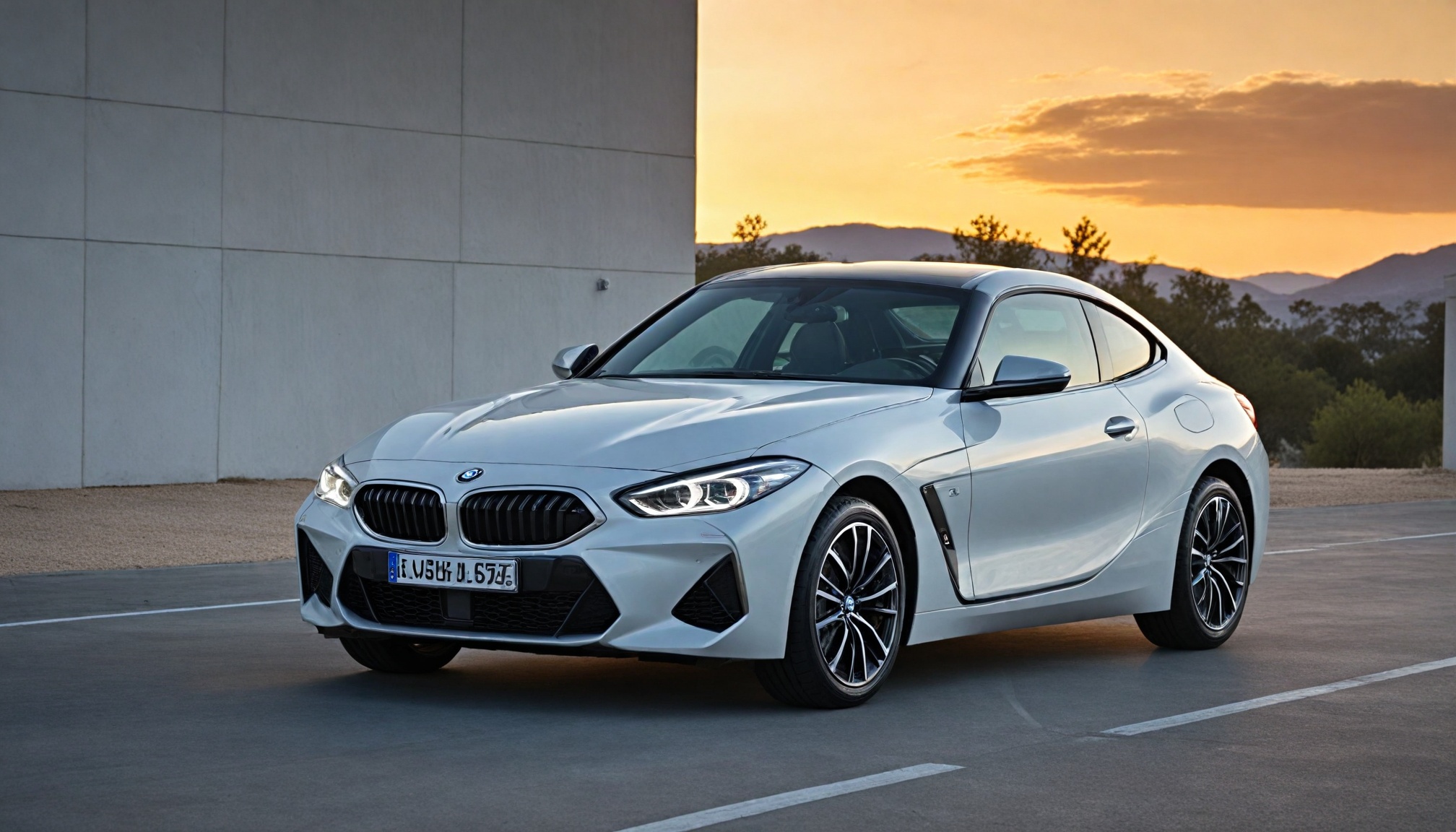
BMW and Toyota partner to develop hydrogen fuel cell technology, with BMW aiming to launch the first premium mass-produced hydrogen vehicle by 2028.

Drivetech Partners
BMW and Toyota have significantly deepened their partnership by signing a landmark agreement to jointly develop third-generation hydrogen fuel cell technology. The collaboration, announced in September 2024, marks a pivotal expansion of their 13-year relationship and sets the stage for BMW to introduce its first mass-produced fuel cell electric vehicle (FCEV) by 2028, potentially reshaping the luxury automotive landscape with alternative powertrain options.
Key Takeaways
- BMW plans to become the first premium manufacturer with a mass-produced hydrogen vehicle by 2028
- Both companies are co-developing a third-generation fuel cell system while maintaining their distinct brand identities
- The partnership aims to drive down costs through shared development and procurement synergies
- Hydrogen is positioned as complementary to battery electric vehicles, with specific advantages in towing capability
- Beyond vehicle technology, the companies are working on sustainable hydrogen infrastructure networks to support adoption
A Partnership That Goes Beyond Vehicles
The expanded collaboration between BMW and Toyota represents a significant evolution of their relationship that began in 2011. Unlike their previous joint ventures, which focused primarily on sports car development (resulting in the BMW Z4 and Toyota Supra) and battery technology, this latest agreement targets a comprehensive approach to hydrogen mobility.
Both automakers share a commitment to creating a hydrogen-powered society while achieving carbon neutrality. Toyota President Koji Sato emphasized their shared belief in "technology openness" and a "multi-pathway" approach to sustainability, rather than limiting themselves to a single solution.
BMW's Groundbreaking FCEV Plans for 2028
BMW has set an ambitious goal to launch its first mass-produced fuel cell vehicle by 2028. This milestone will make BMW the first global premium manufacturer with a series production FCEV, potentially giving it a competitive edge in the luxury segment's alternative powertrain market.
The technical foundation for this future vehicle builds upon BMW's experience with the iX5 Hydrogen pilot fleet, which was powered by 125kW Toyota fuel cells. Rather than viewing hydrogen as a replacement for battery electric vehicles, BMW positions it as a complementary technology that addresses specific use cases where BEVs may fall short.
BMW plans to integrate the fuel cell drive system as a variant within its existing vehicle portfolio, allowing for flexible manufacturing and market positioning. While the specific model hasn't been confirmed, industry speculation suggests it could be an SUV built on BMW's upcoming Neue Klasse platform.
Joint Development of Third-Generation Fuel Cell Technology
At the heart of this partnership is the co-development of a third-generation fuel cell system designed for installation in both brands' models. This shared approach seeks synergies in development and procurement to significantly reduce costs, which has been one of the major barriers to hydrogen vehicle adoption.
BMW will use Toyota's efficient third-generation fuel-cell stack in its 2028 production model, leveraging Toyota's extensive hydrogen experience gained through the Mirai FCEV program, which has been in production since 2014. Despite sharing core technology, both companies will maintain their distinct brand identities in the finished products.
This approach allows BMW to accelerate its entry into the hydrogen market while benefiting from Toyota's expertise, and gives Toyota a premium partner to help scale its hydrogen technology and reduce manufacturing costs.
Business Strategy and Market Expansion
The collaboration aims to drive down costs through shared development and procurement while expanding commercial and passenger vehicle demand for hydrogen. This strategy recognizes that wider adoption is necessary to create economies of scale in hydrogen technology production.
Both brands will maintain their distinctive market positioning and vehicle characteristics despite the shared technology underpinnings. By making FCEVs more accessible through cost reduction, the partnership aims to contribute to broader hydrogen adoption across the automotive industry.
The strategic approach includes creating demand clusters for sustainable hydrogen supply, working with regional partners to ensure that hydrogen infrastructure develops alongside vehicle availability. This coordinated effort aims to address the classic "chicken and egg" problem that has hampered alternative fuel adoption.
Building the Hydrogen Infrastructure Network
Both companies recognize that vehicle technology alone isn't enough – they're actively working to establish sustainable hydrogen supply networks. This dual-track approach supports expansion of both hydrogen refueling and battery electric charging infrastructure.
The partnership involves advocating for conducive governmental frameworks to facilitate early-stage hydrogen mobility adoption. By creating demand clusters and working directly with hydrogen-producing companies, BMW and Toyota aim to ensure that infrastructure development keeps pace with vehicle rollout.
This infrastructure strategy acknowledges that consumer adoption of FCEV technology depends heavily on convenient refueling options. The companies are taking a proactive approach rather than waiting for third parties to develop the necessary hydrogen network.
The Case for Hydrogen in the Sustainability Portfolio
Both companies recognize hydrogen as a promising future energy carrier for global decarbonization. It serves as an effective storage medium for renewable energy, helping to balance supply and demand in increasingly renewable-powered grids.
The partnership positions hydrogen as "the missing piece for completing the electric mobility puzzle" in scenarios where battery electric vehicles aren't optimal. BMW specifically highlights hydrogen's advantages for towing capability, addressing a recognized weakness in current BEV offerings.
Hydrogen fuel cell technology complements the battery advancements developed in previous collaboration phases between the two companies. This multi-technology approach allows each powertrain solution to be deployed where it makes the most sense.
Executive Vision and Commitment
Oliver Zipse, Chairman of BMW's Board of Management, called the partnership "a milestone in automotive history" that will "herald an era of significant demand for fuel cell electric vehicles." This strong statement signals BMW's confidence in hydrogen's future role.
Koji Sato, Toyota's President, emphasized accelerating "efforts together with BMW and partners across various industries to realize a future where hydrogen energy supports society." Both executives confirmed they share "the same passion for cars" alongside their belief in technology openness.
Leadership from both companies emphasizes a joint commitment to carbon neutrality, viewing hydrogen as an important component of their overall sustainability strategy rather than a standalone solution.
Historical Context and Future Impact
This latest collaboration builds on successful previous joint ventures including the BMW Z4/Toyota Supra platform sharing. The partnership represents an evolution from sports car development to battery technology to hydrogen solutions.
Toyota's existing hydrogen production capacity provides a solid foundation for the partnership. Recently, Toyota and SinoHytec opened a Beijing hydrogen fuel cell R&D plant capable of producing about 10,000 fuel cell systems annually.
The BMW-Toyota alliance could reshape how luxury brands approach alternative powertrains, demonstrating that high-end manufacturers can maintain their distinctive character and performance standards while embracing diverse powertrain technologies. This partnership sets a potential new direction for the premium segment's approach to sustainability.
Sources:
Toyota Global Newsroom - BMW Group and Toyota Motor Corporation Take Collaboration to the Next Level